





 Portuguese
  English
  Spanish
  7 min of reading
  0 comments


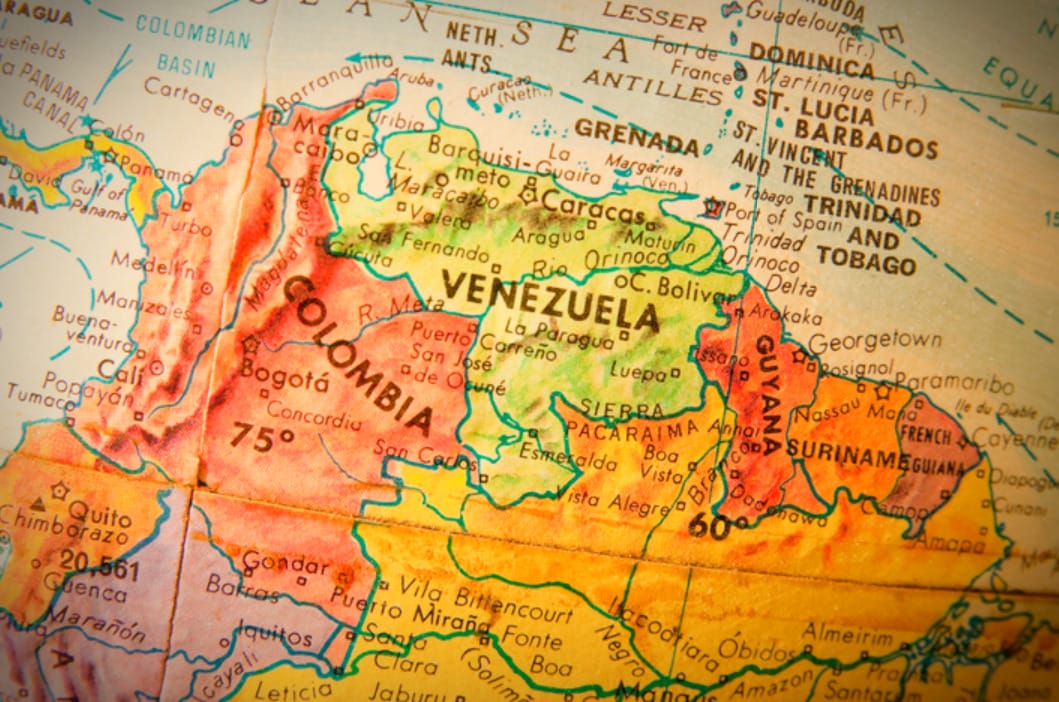
While Venezuela decided to call a referendum to consult the population about the annexation of territory, Guyana chose to initiate a process at the International Court of Justice, seeking to resolve the territorial dispute legally and peacefully, showcasing the difference in diplomatic approaches between the two countries.
According to him, the territory must be protected as part of the Bolivarian nation, but before the ICJ. So far, the referendum was submitted to a test last Sunday, and the government reported that it was successful, without providing further details about the nature of the test.
‘The inhabitants of northern Guyana are very nervous, sweating a lot, because whether it rains, thunders, or lightens, the referendum on December 3 will take place, and the people will decide the future of their sovereignty, territory, peace, and future’, Maduro said. This event is of utmost importance to decide the country’s fate.
On her profile on X (formerly known as Twitter), María Corina stated on November 10 that ‘Esequibo is ours. Sovereignty is exercised, not consulted’. The statement from the opposition candidate reinforces Venezuela’s position regarding the territorial dispute with Guyana. Corina’s post generated significant repercussions and debates about the Esequibo issue, a region rich in oil and a target of geopolitical tensions in South America. Corina’s declaration expresses a nationalist and sovereign position regarding the disputed territory, which has been a sensitive issue for both countries over the years.
-
Brazilian giant expands borders in the Southeast: Petrobras confirms new oil discovery in ultra-deep waters in the pre-salt of the Campos Basin.

-
Alert in the global energy market: Severe tropical cyclone hits the coast and disrupts gas production at major plants in Australia, threatening global supply.

-
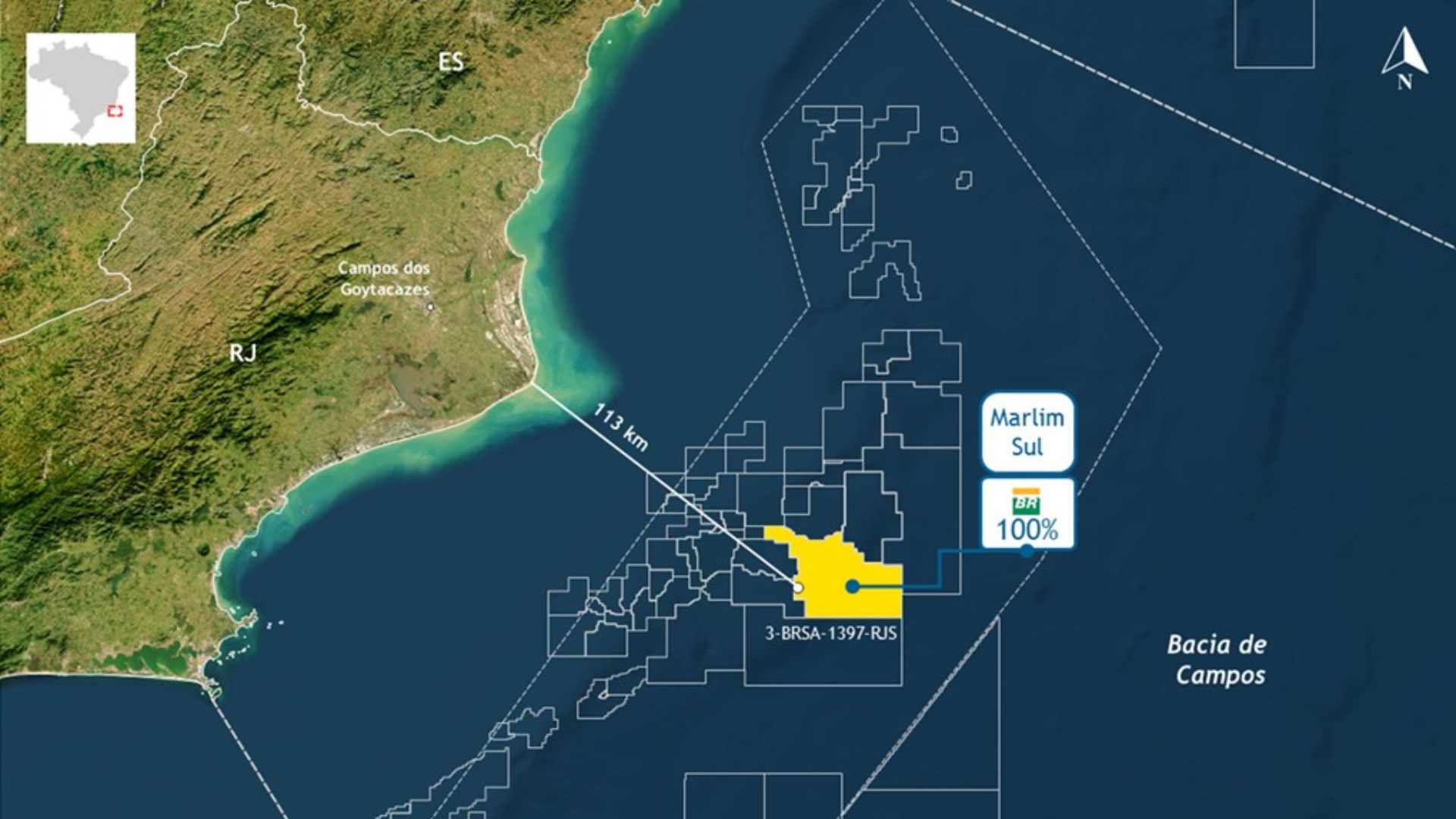
Petrobras finds high-quality oil in the pre-salt at 113 km from RJ and reignites expectations about strategic reserves in the Campos Basin.

-
Ocyan opens registrations for startups focused on innovation in the oil and gas sector and will select projects for Innovation Day with the support of Nexio.


Consequences in the Elections in Venezuela
The subject has great potential to have consequences in the elections in Venezuela, as Maduro’s main opponent, María Corina Machado, is against holding the referendum. The candidate, who won the vote taken by opposition politicians, is prevented by the Venezuelan judiciary from running for election, but is seen as the most likely person to lead the opposition.
The positioning of Venezuela is based on the Geneva Agreement, signed in 1966, which states that the countries must engage in negotiations for a mutually beneficial agreement. During this week, Maduro made a statement saying, “With patience, we have waited for Guyana to sit face to face, to talk,” demonstrating a willingness for dialogue. According to the Venezuelan government press, the president sent a letter to the leader of Guyana, but received a denial for dialogue in response.
In the same year, Venezuela questioned the court’s authority to resolve the case and refused to engage in the proceedings. However, the country’s lack of participation does not affect the validity of the verdict, according to the ICJ document.
In the most recent statement issued by the Court regarding the case in April 2023, it was determined that the United Kingdom will not be involved in the ongoing process at the international body.
According to the lawyer’s explanation, the acceptance of the process simply implies that the body considers it has authority (can judge) and that the matter should be handled at that level.
“First, the admissibility criteria are analyzed, and if necessary, certain precautionary measures are taken to protect the right in question. Then, the case is brought to trial, and the Court’s decisions must be complied with by the States, under penalty of appeal to the UN Security Council, which may take measures to ensure compliance,” Stéphanie emphasizes.
Function of the International Court of Justice
According to lawyer and master’s student in social function of Law, Stéphanie Havir, the International Court of Justice acts as a UN tribunal responsible for resolving legal disputes between states through consultations or judicial proceedings. In this case, Guyana referred the matter to the body due to a legal dispute with Venezuela.
The registered complaint concerns the dispute over the validity and legal impact of the Ruling of October 3, 1899, which established the border between British Guiana and the United States of Venezuela. This was the reason that led Guyana to request the opening of proceedings before the International Court of Justice.
After the meeting, a document was issued on November 12, 2015, informing the parties that if a practical resolution to the dispute was not achieved before the end of the term, the government intended to initiate proceedings to obtain a final and binding decision from the International Court of Justice.
While the solution for Venezuela involves a referendum that will bring the “response from the streets” on the matter, according to the constitutional provision of the country, the government of Guyana chose to resort to the International Court of Justice (ICJ) in 2018 to resolve the case.
The ratification of the Geneva Treaty by all nations involved in 1966 allowed Venezuela to reach the conclusion that the matter needed to be resolved through direct negotiations between the two countries.
The issue remained controversial and was monitored by the UN until 2015. In September of that year, according to a document from the International Court of Justice (ICJ), the Secretary-General held a meeting with the leaders of Guyana and Venezuela.
Since then, the questions have diminished, but continue to be present on the Venezuelan side. The complaint arose in 1962 when Venezuela informed the Secretary-General of the United Nations about the dispute with the United Kingdom. The country attempted to negotiate an agreement, which was rejected by the colonizer of Guyana, which considered that the matter had already been settled with the treaty signed in 1899.
The Territorial Dispute Between the United Kingdom and Venezuela
The region located between the Essequibo River and the Orinoco River has been the subject of dispute between the United Kingdom and Venezuela since the 19th century. In the 1890s, the United States proposed implementing an arbitration process to resolve the issue. The procedure was established by the Washington Treaty, signed in 1897, and resulted in the decision that the area in question belonged to the English colony at that time.
It is important to emphasize that this territorial dispute was resolved through the ruling established during the arbitration process, consolidating the possession of the territory for the United Kingdom at the time.
The increase in tension coincides with the economic growth of Guyana of about 40% this year, according to data from the International Monetary Fund (IMF). The country currently has significant oil reserves, with projections indicating it could become the largest oil producer in the world, surpassing Kuwait in the coming years.
This abundance of resources has driven investments in education, health, and infrastructure through the creation of a sovereign fund for the income derived from oil and natural gas exploration. **This measure has had a positive impact on the development of Guyana.**
During this period, the ministers responsible for Defense and Foreign Relations of all South American nations met in Brasilia, in a meeting organized by Mauro Vieira, a Brazilian diplomat.
According to Estadão, the chancellor stated that “the representatives of Guyana and Venezuela presented their positions, and the other countries urged them to seek an agreement through diplomatic channels and resolve their disputes peacefully”.
According to the official website, the president stated at the same event that “foreign oil companies, Southern Command, and the United States are seeking the country’s riches”. Maduro’s reference to the interest of oil companies is related to the discovery, in 2015, of oil reserves in the area disputed by the American company ExxonMobil.
Additionally, the company was the target of Maduro’s criticism during the speech. The leader stated that the oil company would be bribing politicians in the country to sabotage and defame the referendum. **”Let the people decide the fate of Guyana Esequibo! A lot of money is being used to bribe far-right politicians and undermine the referendum, weakening and dividing Venezuela again,”** he added.
Campaign for the Referendum in Venezuela
The map was released by the Associated Press as part of Caracas’s efforts to promote a referendum scheduled for December 3. According to the publication on the official website of the Bolivarian government of Venezuela, the country’s president, Nicolás Maduro, declared that “Venezuela will assert itself in the streets, in the fight, and on the 3rd, in one voice, will say yes five times”, on Wednesday, the 22nd.
A contested area over the centuries, with borders defined and contested through agreements in a region rich in oil. We might think this is a conflict geographically distant from Brazil, but that is not the case: this is a dispute at the borders between two neighboring countries involving the state of Roraima.
There are two legitimate maps of the same area, depending on each side’s point of view of the conflict. According to one of them, the limit of Venezuela would be expanded to over 75% of the territory currently recognized as Guyana, reaching the Essequibo River, in the region that composes the Esequibo Guyana.
Source: InfoMoney









Seja o primeiro a reagir!