





 English
  Francês
  Alemão
  Italiano
  Japonês
  Norueguês
  Portuguese
  Spanish
  4 min of reading



Crude Oil At 7-Year High Is Likely To Support Gasoline Prices And Therefore Margin For Plants To Increase Ethanol Prices In Brazil
Last Tuesday (18) saw significant gains for oil prices, reaching the highest level since 2014 due to geopolitical tensions in a context of already tight supply outlook. Brent crude rose 1.2%, closing at US$ 87.51 a barrel, and the dollar traded almost stable, but above R$ 5.50 for sale. Significant fluctuations in oil and exchange rates influence the decision of ethanol plants regarding the mix of the new 2022/23 (April-March) sugarcane harvest in the Center-South of Brazil, which is still open.
Read Also
- Brazil, The World Leader in Ethanol Production, Will Profit From India’s New Fuel Policy That Provides For The Addition of 20% Biofuel to Gasoline Starting in 2023
- Despite US Sanctions, Iran Has Sent Gasoline and Oil Products to Venezuela; During The Governments of Hugo Chávez and Mahmoud Ahmadinejad, The Countries Became Strategic Allies And More Oil Began To ‘Emerge’ From The Venezuelan Subsoil
- With A Central Role In Decarbonization And Responsible For A Significant Share Of GDP, The Oil And Gas Sector Promises To Assist In The Process Of Diversifying The Brazilian Energy Matrix
- Mubadala Fund, Of The Crown Prince Of Abu Dhabi, Wants To Sell Nearly 300 Kilometers Of Highways In Campinas For Over R$ 4 Billion
- After A New Increase In The Price Of Gasoline And Diesel By Petrobras, State Secretaries Decide To End The ICMS Freeze On Fuels And Consumers Have Nowhere To Turn
Global market concerns over fears of a possible oil supply disruption increased this week after the Houthi group from Yemen attacked the United Arab Emirates. Attacks in the Middle East Gulf heightened hostilities between the Iran-aligned group and a Saudi-led coalition.
According to Louise Dickson, senior oil markets analyst at Rystad Energy, “The damage to the oil facilities in the United Arab Emirates in Abu Dhabi is not significant in itself, but raises the question of even more supply disruptions in the region in 2022,” she said.
-
Brazilian giant expands borders in the Southeast: Petrobras confirms new oil discovery in ultra-deep waters in the pre-salt of the Campos Basin.

-
Alert in the global energy market: Severe tropical cyclone hits the coast and disrupts gas production at major plants in Australia, threatening global supply.

-
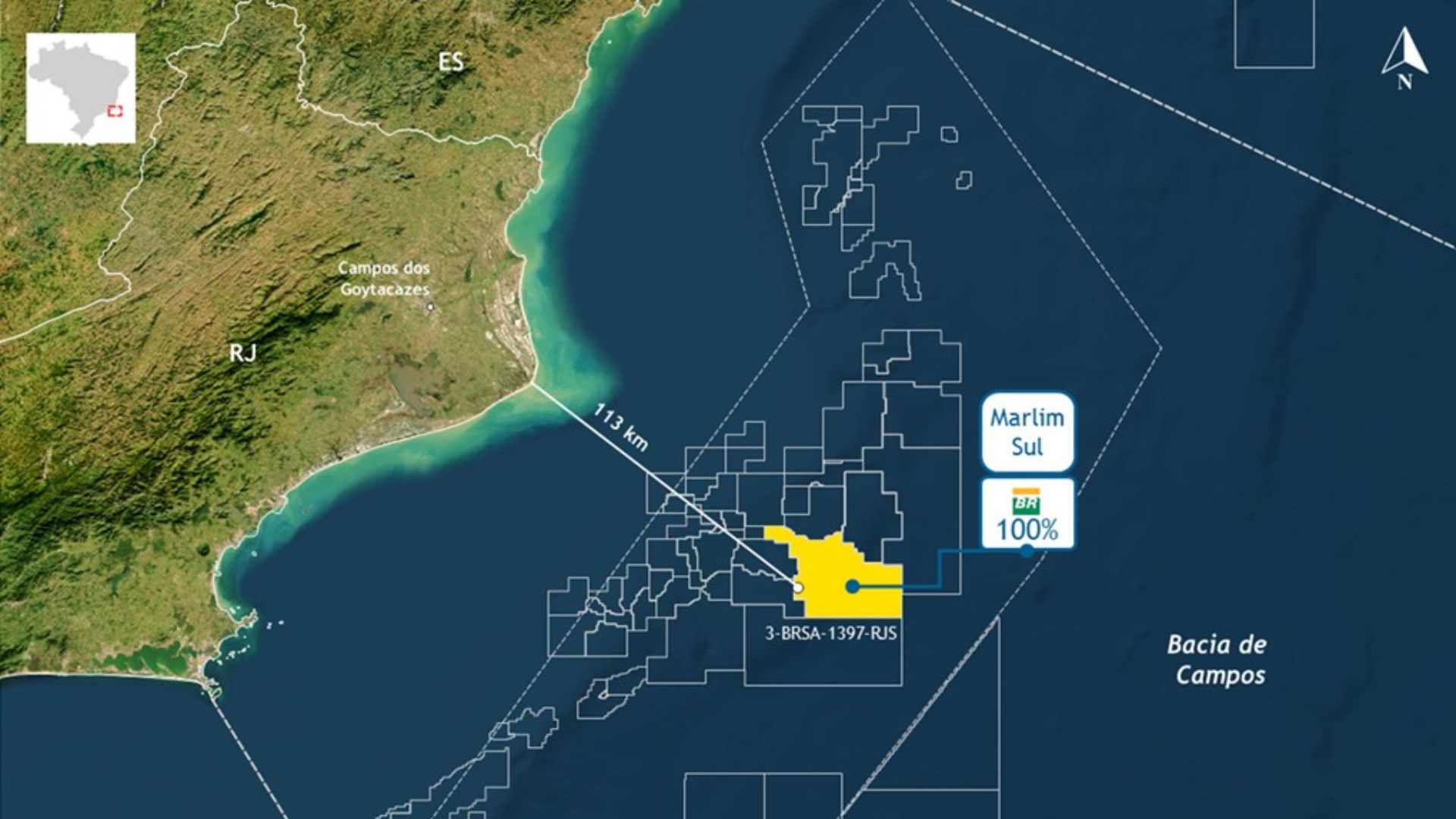
Petrobras finds high-quality oil in the pre-salt at 113 km from RJ and reignites expectations about strategic reserves in the Campos Basin.

-
Ocyan opens registrations for startups focused on innovation in the oil and gas sector and will select projects for Innovation Day with the support of Nexio.

The UAE oil company stated that it has activated business continuity plans to ensure uninterrupted supply of products to its local and international customers after an incident at its fuel depot in Mussafah.
Oil Prices At This Level Threaten Global Disinflation Process Predicted For This Year
Increasing geopolitical tensions between Ukraine and Russia (a member of OPEC+) have also been ‘causative’ in the rising price of Brent.
Additionally, some producers from the Organization of the Petroleum Exporting Countries (OPEC) are struggling to pump at their allowed capacity under an agreement with Russia and allies to add 400,000 barrels per day each month.
“The price of oil at this level threatens the global disinflation process predicted for this year. The trend is driven by strong demand in the world’s largest consuming regions, such as the US and Europe, and is happening despite the Fed signaling tighter monetary policy ahead. Renewed tension in the Persian Gulf, responsible for about 40% of the world’s seaborne oil, also contributes to pushing prices up,” assesses the XP analysis team.
Crude Oil At 7-Year High Is Likely To Support Gasoline Prices And Therefore Margin For Plants To Increase Ethanol Prices In Brazil
For Maurício Muruci, analyst at Safras & Mercado, “Oil is likely to remain elevated. Plants will have an additional reason to focus the mix on ethanol,” he says.
The Goldman Sachs team is even projecting that Brent crude prices could exceed R$ 100 a barrel this year, considering a “surprisingly large deficit,” given that demand scenarios with Omicron are less fragile than initially thought.
Higher international oil prices are likely to support gasoline prices and therefore margin for plants to increase ethanol prices in Brazil, since it is the direct substitute. However, despite a possible increase in demand in this scenario, consumers are also looking at the parity between fuels.

On Average In Brazil, Ethanol Has Been Above 70% Parity With Gasoline For Months
Still in this context, amid falling international sugar prices in recent months, dropping from US$ 20 to US$ 18 c/lb on the New York Stock Exchange (ICE Futures US), plants may reconsider the mix of the new harvest. Safras & Mercado, for example, is already projecting a production direction of 46% for sugar and 54% for ethanol in the Center-South.
The estimate is that the Center-South will produce 35 million tons of sugar and export 33 million tons. In the new harvest, 19 billion liters of hydrated ethanol and 12 billion liters of anhydrous ethanol are expected to be produced.
Production of anhydrous corn ethanol is projected to be 1.8 billion liters and hydrated ethanol to jump to 2.7 billion liters.
However, fuel consumption still greatly concerns plants since the beginning of the Covid-19 pandemic. Ethanol, for example, has been above 70% parity with gasoline for months, on average in Brazil, according to the National Agency of Petroleum, Natural Gas and Biofuels (ANP).
“Demand is at an all-time low. We have regressed at least a decade in demand patterns… So plants should be a little more focused on sugar, but of course they won’t just switch entirely to sugar because they don’t want the pressure from the government regarding a decrease in the blend,” Muruci points out.







Seja o primeiro a reagir!