





 Portuguese
  English
  Spanish
 4 min of reading
  0 comments


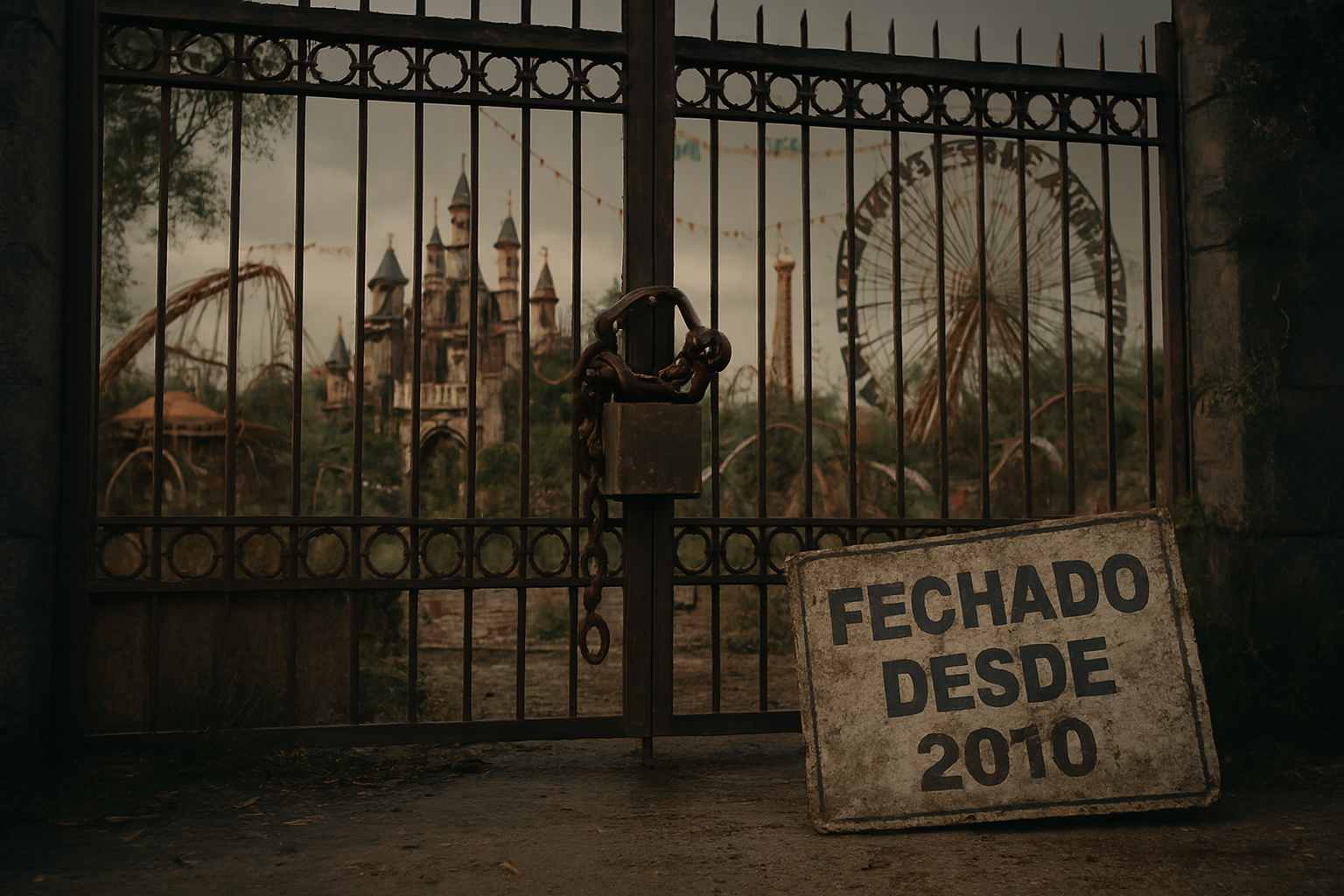
Inaugurated In 1998 In Barra Da Tijuca, Terra Encantada Was The Largest Theme Park In Latin America, Capable Of Holding 20 Thousand Visitors Per Day, But Has Been Abandoned Since 2010.
Built with the promise of being the “largest theme park in Latin America,” Terra Encantada, located in Barra da Tijuca, western Rio de Janeiro, is today one of the greatest symbols of urban decay and abandonment in the country. Inaugurated in 1998, the complex was designed to receive over 20 thousand visitors per day and cost about R$ 220 million — an amount that, adjusted for inflation, would easily exceed R$ 600 million today.
The project was ambitious: a mix of amusement park, cultural center, and tourist hub, with 200 thousand square meters of area, international standard roller coasters, settings inspired by Brazilian culture, and daily shows featuring hundreds of artists. The idea was to compete directly with international parks, such as Disney World, but adapting the concept to Brazil’s tropical and carnival identity.
The Peak Of A Brazilian Leisure Dream
In its early years, Terra Encantada was synonymous with modernity. Its ticket prices were high by the standards of the time, but the public flocked to the attractions. The park employed over 1,000 people including operators, technicians, and artists. Right at the entrance, visitors were welcomed by a massive concrete portal adorned with mythological sculptures, and inside were replicas of indigenous villages, temples, artificial mountains, waterfalls, and a central lake from which themed parades originated.
-
Friends have been building a small “town” for 30 years to grow old together, with compact houses, a common area, nature surrounding it, and a collective life project designed for friendship, coexistence, and simplicity.

-
This small town in Germany created its own currency 24 years ago, today it circulates millions per year, is accepted in over 300 stores, and the German government allowed all of this to happen under one condition.

-
Curitiba is shrinking and is expected to lose 97,000 residents by 2050, while inland cities in Paraná such as Sarandi, Araucária, and Toledo are experiencing accelerated growth that is changing the entire state’s map.

-
Tourists were poisoned on Everest in a million-dollar fraud scheme involving helicopters that diverted over $19 million and shocked international authorities.



The main show, called “Noite Encantada,” featured over 150 dancers and acrobats, with music, fireworks, and choreographies. The infrastructure was impressive: climate-controlled pavilions, themed restaurants, an auditorium for 3 thousand people, and rides imported from Europe and the United States.
But behind the shine of the lights, the enterprise was accumulating debts and structural failures. The promise of expansion never materialized, and the park’s management faced successive issues with safety and mismanagement.
From Glory To Collapse In Just Over A Decade
In 2002, Terra Encantada was the scene of a tragedy that marked its destiny. An accident on one of the roller coasters resulted in the death of a 28-year-old woman and injuries to other visitors. The fallout was immediate, and public trust plummeted.
In the following years, the park still tried to survive with events and private parties, but the structure began to deteriorate. A lack of maintenance, insufficient investments, and legal disputes ultimately led to its permanent closure in 2010.
Since then, what was one of the largest entertainment ventures in the country has transformed into a post-apocalyptic scene. The sculptures are covered in rust, the facades are crumbling, and the attractions have been overtaken by vegetation. In several areas, the concrete has given way, revealing what is left of the tracks from the old roller coasters.
What Is Left Of The “Largest Park In Latin America”
Today, the land of Terra Encantada is a concrete skeleton of almost 200 thousand square meters, surrounded by fences and with restricted access. Part of the area has been demolished, but many buildings and structures remain in ruins. The scene is desolate: broken stages, remnants of rusted rides, and graffiti covering the old colorful murals.
Residents of the area report that the space is occasionally used as a dump and that, at times, it has been invaded by people experiencing homelessness. The location has also become a point of urban exploration for photographers and curious visitors, drawn by the ghostly atmosphere of a place that was once a symbol of joy.
The Lessons Of A Grand Project That Failed
The collapse of Terra Encantada is often cited in urbanism and economics studies as an example of poorly executed planning and unsustainable management. Despite the tourist potential and loyal audience, the lack of reinvestment and high operating costs made the project unfeasible.
Experts point out that the park’s business model was based on unrealistic expectations: a high dependency on expensive tickets and little diversification of revenue. Over time, competition from other leisure hubs and changes in consumer behavior contributed to the project’s demise.
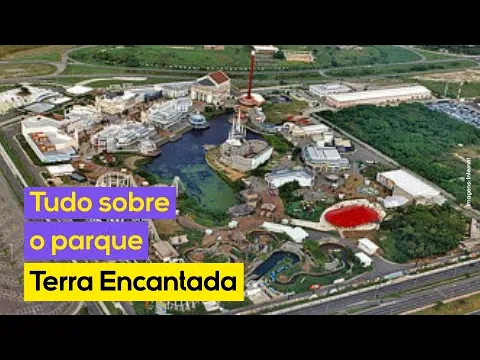
Still, Terra Encantada remains a cultural icon. For years, it was the only large-scale park in the country with a Brazilian identity, celebrating myths, folklore, and diversity. Today, it survives only in the memories of those who experienced its glory years — and in the images that capture the contrast between splendor and abandonment.
A Ruin That Still Sparks Curiosity
Even more than a decade after closing, the name “Terra Encantada” continues to spark curiosity on social media. Videos and reports showcasing its ruins have amassed millions of views, and some advocate for revitalizing the area as a cultural heritage site or public leisure space.
But for now, the land remains forgotten. What was once one of Brazil’s largest entertainment symbols is now a silent portrait of what happens when the dream of grandeur does not withstand the reality of maintenance and time.










Seja o primeiro a reagir!