





 Portuguese
  English
  Spanish
 3 min of reading
  0 comments



In Just 5 Years, Land Has Become One of the Most Valued Assets in Agriculture
Agricultural land has established itself as one of the most valued assets in Brazilian agriculture. Between 2019 and 2024, the average price per hectare in Brazil more than doubled, driven by the surge in commodities, global food demand, and the growing interest of producers and investors.
Industry data shows that the average value per hectare increased from around R$ 14 thousand in 2019 to over R$ 31 thousand in 2024, an approximate increase of 123% in just five years, according to a survey by Scot Consultoria. This trend reinforces land as a long-term investment, with strong property appreciation and income generation capacity.
Appreciation Was Not Equal Across the Country
Despite the widespread increase, the agricultural land market in Brazil shows large regional differences. Factors such as infrastructure, logistics, productivity, land regularization, and expansion potential directly influence the price per hectare.
-
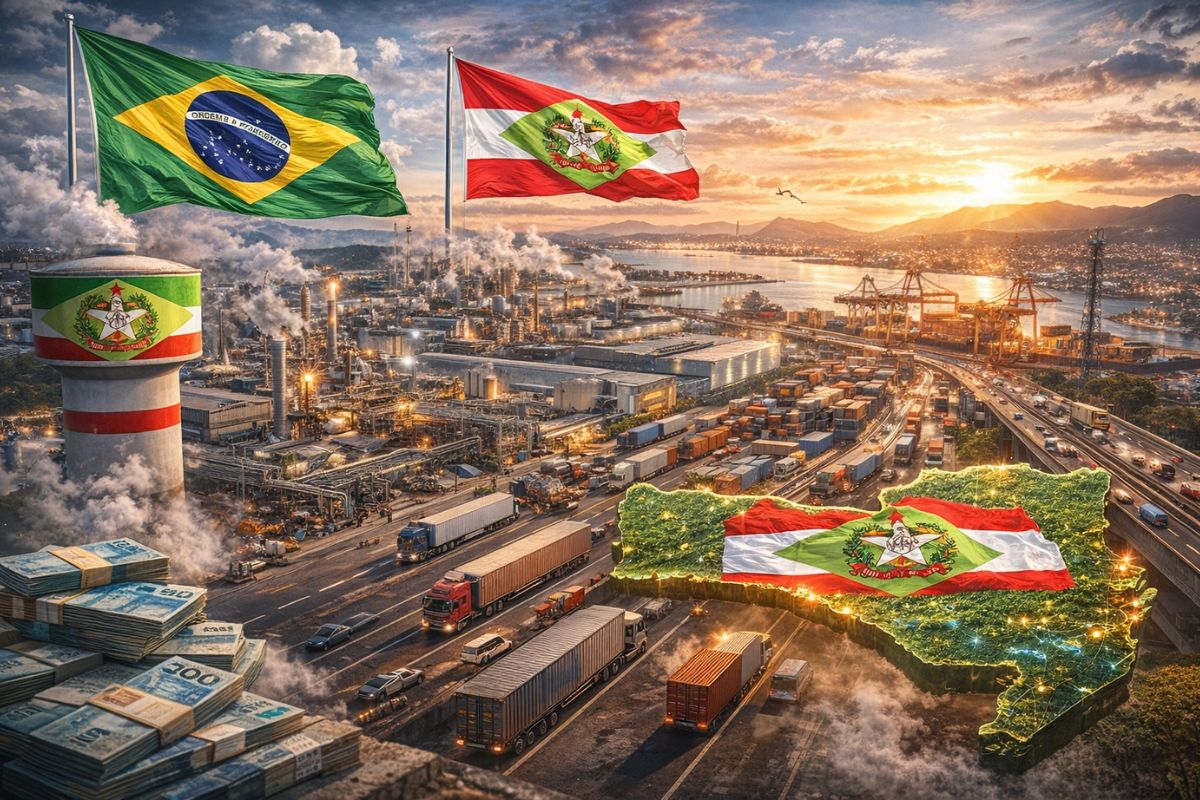
With only 1% of Brazilian territory, Santa Catarina has built one of the most competitive industrial parks in the country with 64,000 companies, nearly 1 million jobs, and a growth of 5.3% while the national industry is practically stagnant.
-
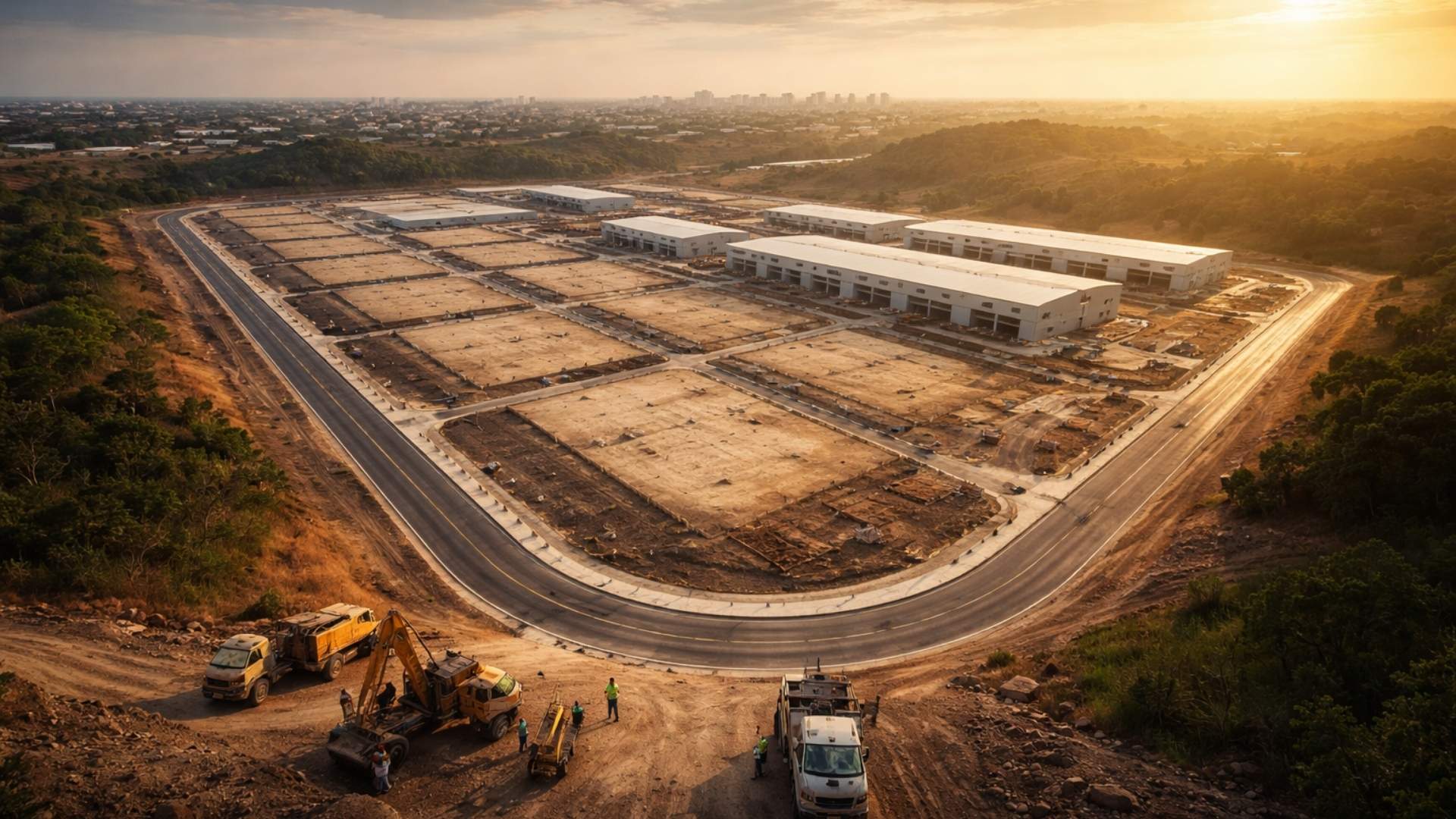
Brazilian city gains industrial hub for 85 companies that is equivalent to 55 football fields.
-
Peugeot and Citroën factory in Argentina cuts production by half and opens a layoff program for more than 2,000 employees after Brazil drastically harmed purchases of Argentine vehicles.

-
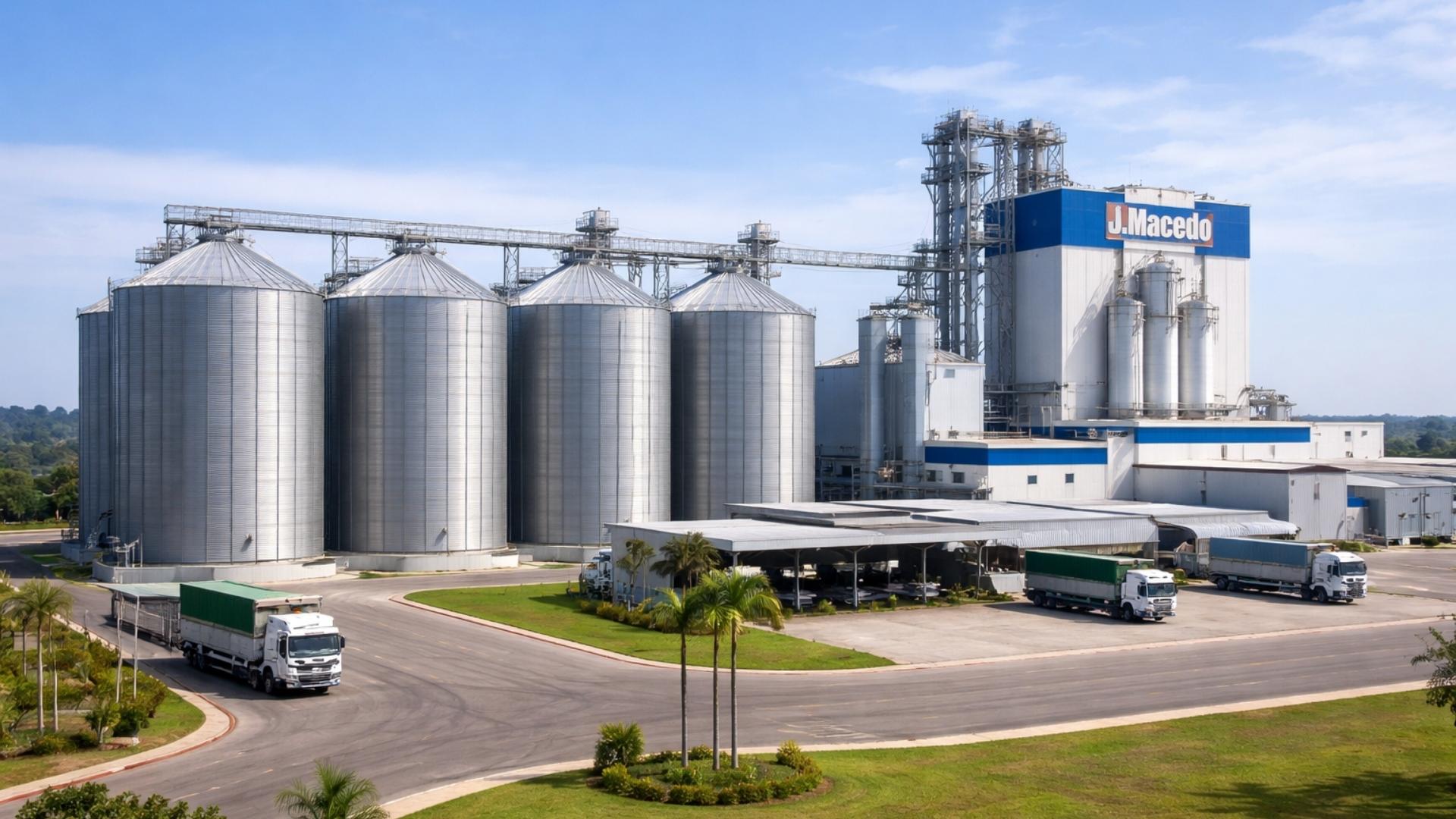
A Brazilian city gains a factory worth R$ 300 million with the capacity to process 200 thousand tons of wheat per year, a mill of 660 tons per day, silos for 42 thousand tons, and an industrial area of 276 thousand m².
In consolidated areas or those with high productive potential, prices can vary significantly, being much higher than the national average. On the other hand, expanding regions continue to offer opportunities with even more competitive prices.

Agricultural Frontiers Lead Appreciation
The so-called agricultural frontiers, particularly Matopiba — the region comprising Maranhão, Tocantins, Piauí, and Bahia — recorded the highest appreciation rates in recent years.
The combination of:
- soybean, corn, and cotton expansion
- increasing technology adoption
- availability of arable land
has transformed Matopiba into one of the main agricultural land investment hubs in Brazil, attracting producers, business groups, and institutional investors.
Established States Concentrate the Most Expensive Lands
While the frontiers advance, states with established agriculture continue to concentrate the highest prices per hectare. Regions such as São Paulo, Paraná, and Mato Grosso maintain high values due to:
- high productivity
- developed logistical infrastructure
- proximity to consumer markets and ports
- greater access to credit and technology
Mato Grosso, the largest grain producer in the country, stands out for its scale and productive efficiency, while São Paulo maintains high prices due to agricultural diversification and robust logistics.

What Explains the Surge in Agricultural Land Prices
The appreciation of rural land in Brazil results from a set of factors that have intensified in recent years.
Soaring Agricultural Commodities
The international appreciation of soybeans, corn, cotton, and other commodities has increased the profitability of farmland, driving demand for productive areas.
Global Demand for Food
The growth of the world population and increased consumption in emerging countries have reinforced Brazil’s role as a strategic food supplier.
Land as Protection Against Inflation
In a scenario of inflation and economic instability, agricultural land has come to be seen as a store of value, attracting investors seeking asset security.
Technological Advancements in Agriculture
Precision agriculture, the use of biotechnology, and advanced soil management have increased productivity, enhancing the economic return from agricultural areas.
Investment in Agricultural Lands Gains Space
Investment in agricultural lands is no longer exclusive to rural producers. Investment funds, agribusiness companies, and institutional investors have begun to see land as a strategic asset, combining property appreciation and income generation.
Additionally, agricultural leasing has consolidated itself as an alternative for those seeking recurring returns without directly engaging in production.
Perspectives for the Land Market in Brazil
Even with a slight slowdown in the growth pace, experts believe that agricultural land prices should remain at high levels, with regional adjustments depending on climate, infrastructure, and crop performance.
The scenario requires planning and careful analysis, especially for producers and investors interested in expanding areas or making new investments.

Agricultural Land Consolidates as a Strategic Asset
The strong appreciation of agricultural lands in the last five years reinforces their importance not only as a means of production but also as a strategic asset within Brazilian agribusiness.
For producers and investors, understanding this movement is essential for making safer, sustainable, and aligned decisions regarding Brazil’s role in global food supply.
And you, do you want to buy land?





-

-

-

6 pessoas reagiram a isso.