





 English
  Francês
  Alemão
  Italiano
  Japonês
  Norueguês
  Portuguese
  Spanish
  3 min of reading


Elon Musk’s Electric Car Manufacturer, Tesla, and Mining Company Vale Strike Secret Deal During Nickel Surge. The Agreement, Which Was Not Announced, Covers Much of Canada’s Nickel.
The invasion of Ukraine increased turmoil among electric car manufacturers over the supply of nickel, a crucial ingredient for electric vehicle battery production, as Russia is one of the world’s largest producers. Tesla, Elon Musk’s company, finalized an agreement with Vale for nickel supply on Wednesday (30), which was not announced and covers nickel from Canada.
Tesla Focuses on Nickel Market to Secure Supply for Electric Car Battery Production
Unlike most automakers, Tesla has spent years focusing on how to secure its own nickel supplies. These efforts are part of CEO Elon Musk’s focus on vertical integration to maintain control over Tesla’s supply chain.
The company operates a massive battery cell factory in the Reno, Nevada area, alongside the Japanese Panasonic Corp.. Tesla purchases cells from other leading suppliers but also manufactures its own. The company is constantly pushing for advancements in how raw materials are processed and batteries are manufactured.
-
Engineers propose a fourth traffic light for intersections – the change promises to affect crossings, queues, and waiting times.

-
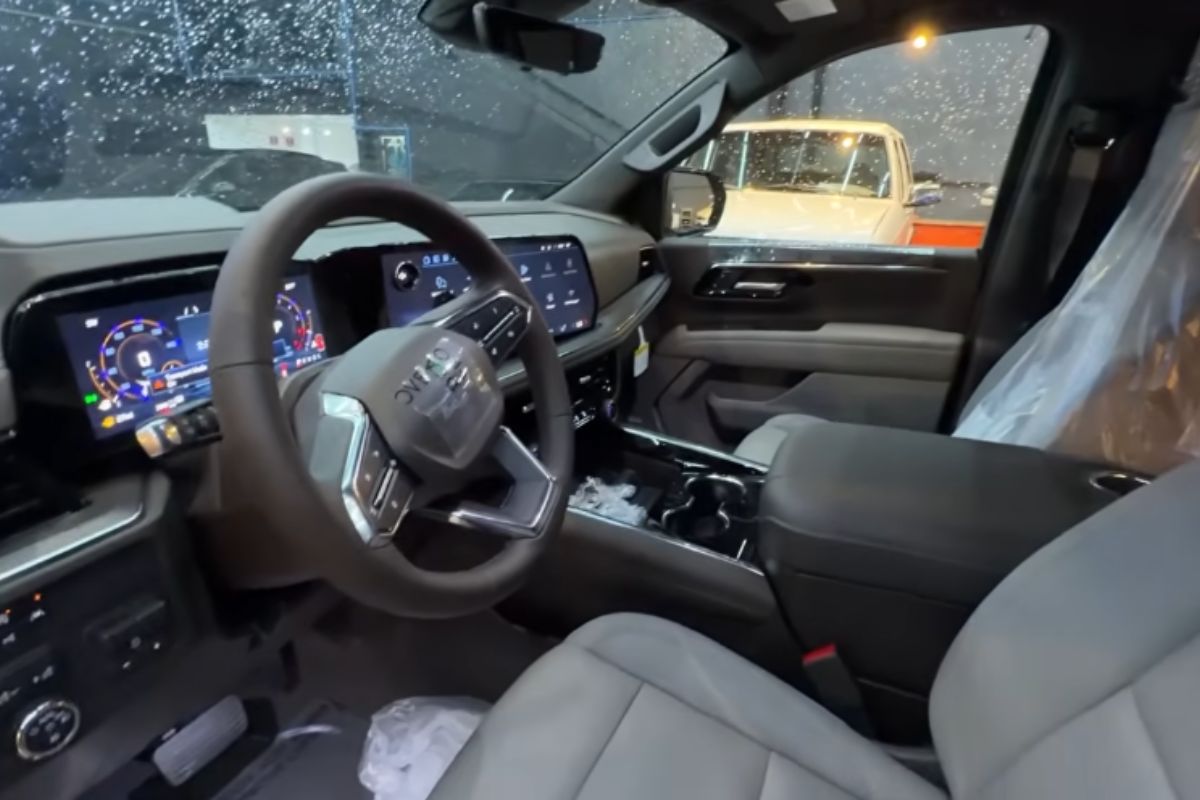
Chevrolet Suburban Z71 lands in Brazil with a V8 engine, off-road design, air suspension, seven seats, and colossal size, a rare version imported for around R$ 1.3 million with luxury and exclusivity.
-
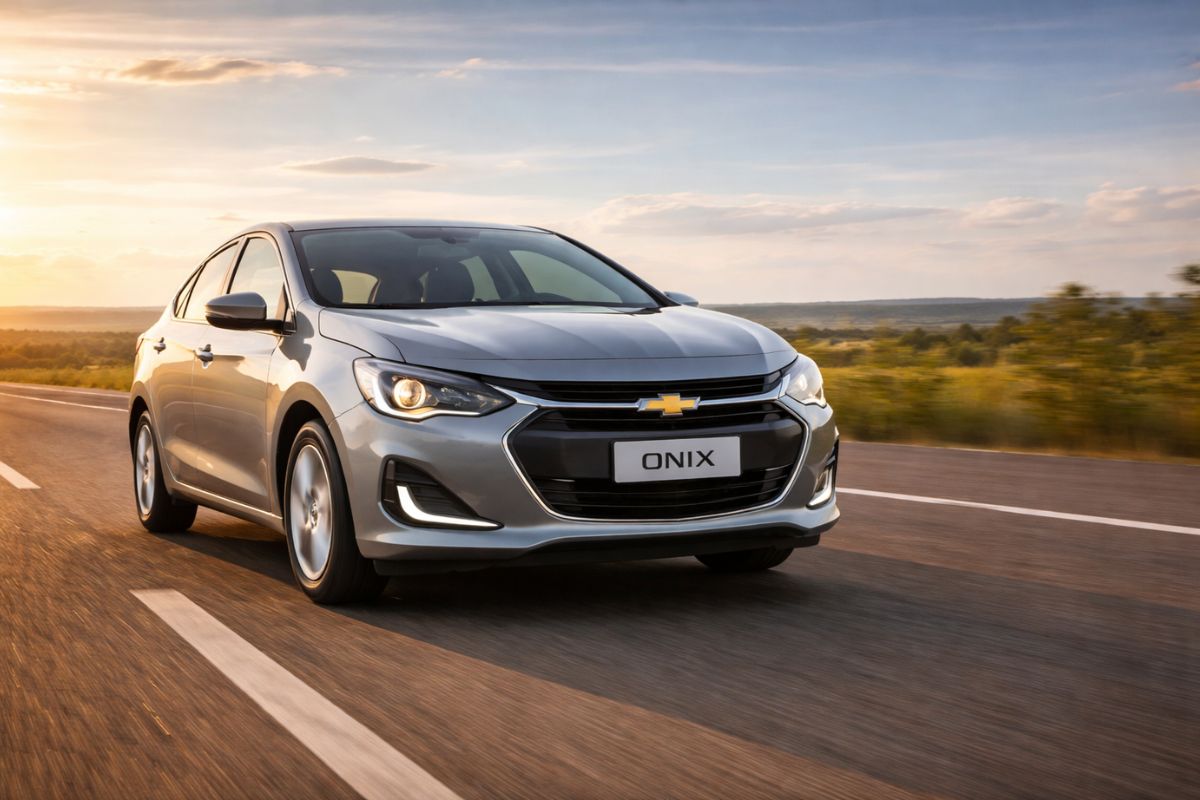
The Chevrolet Onix 1.0 turbo achieves 17.7 km per liter on the highway and ranks among the three most economical cars in Brazil in 2026, alongside two more expensive Toyota hybrids available at dealerships.
-
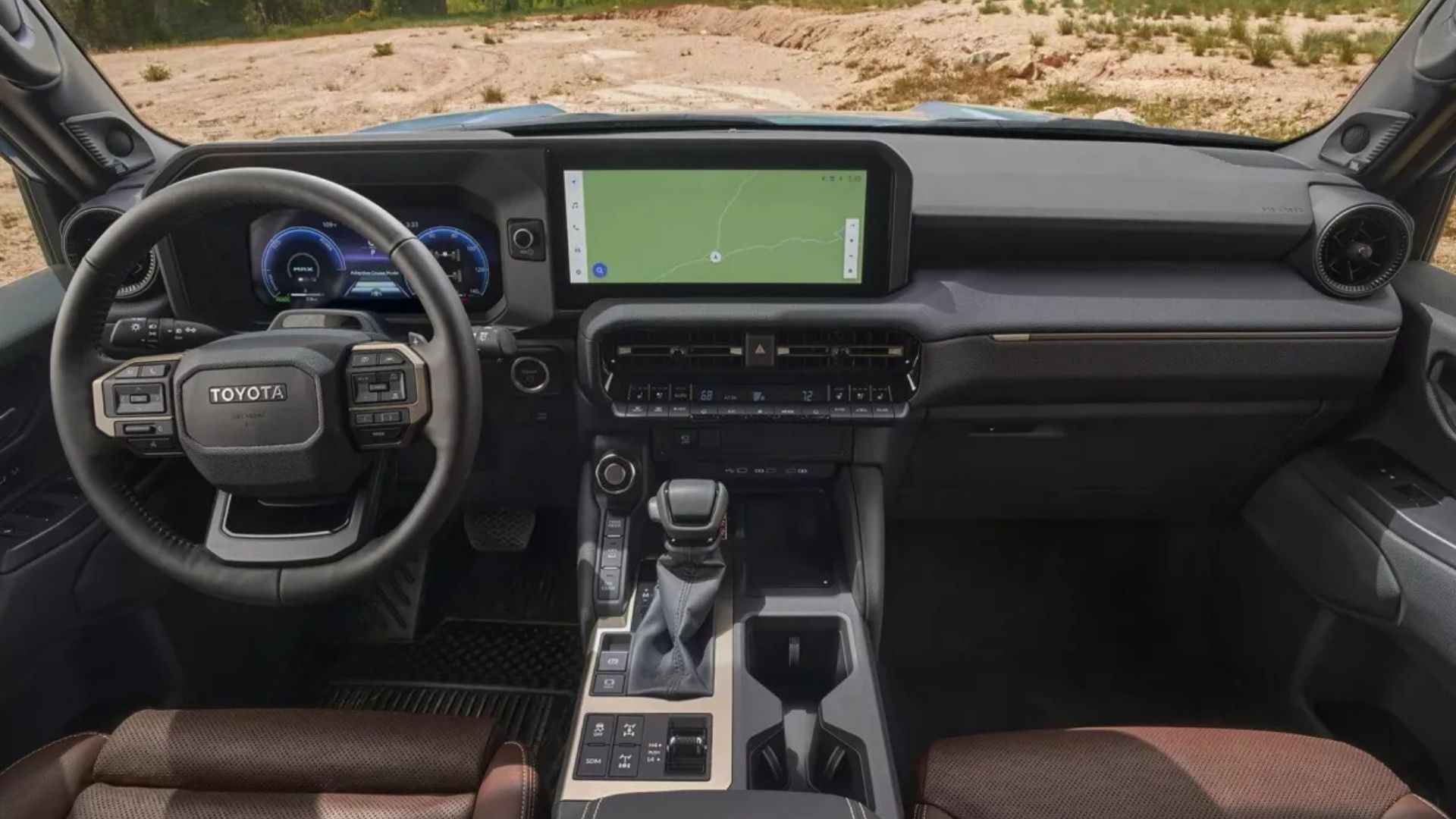
Little sister of the Hilux: Toyota launches Land Cruiser FJ with 4 radical versions, 2.7 engine with 166 hp and 4×4 traction with locking.

In a presentation in 2020, executives spoke about shortening the processing pathway from mine to cathode. “What Tesla has done with nickel is a hidden competitive advantage,” said Gene Munster, managing partner at Loup Ventures. “Tesla continues to be a few steps ahead of the rest,” adds the expert.
Sanctions Against Russia Expected to Increase Electric Car Battery Sector’s Nickel Demand to About 1.5 Million Tons by 2030
Musk has repeatedly signaled that nickel supply is the company’s biggest concern, as increasing production and availability of the metal is a way to get ahead of potential competitors throughout the electric vehicle sector. The demand from the battery sector for nickel is expected to surge to around 1.5 million tons by 2030, up from 400,745 tons this year, according to BloombergNEF.
“Please mine more nickel,” Musk urged producers during a quarterly earnings call two years ago. “Tesla will give you a giant contract for a long period of time if you mine nickel efficiently and in an environmentally friendly way,” adds the entrepreneur. Sanctions against Russia due to its invasion have increased the urgency for the mineral, as the country holds about 17% of the global Class 1 refined nickel capacity, the type needed for electric vehicles. Since the attack on February 24 on Ukraine, nickel prices surged 30% by March 29 on the London Metal Exchange.
Prices tripled over two days during this period due to war pressures, although much of that advance has been reduced. The market could settle down if there are signs that the war will end.
“The nickel price increase and the implications of the Russia-Ukraine invasion are likely to lead battery manufacturers, especially in the U.S., to secure alternative supply chains,” according to a report by BloombergNEF.
Tesla and Vale Mining Agreement
Tesla’s agreement with Vale is one of several the automaker signed last year. In January, the Austin, Texas-based electric vehicle manufacturer committed to purchasing 75,000 metric tons of nickel concentrate from a project by Talon Metals Corp. that is being developed in Minnesota. This followed agreements with BHP Group, the world’s largest mining company, for material from Australia. Tesla also has an agreement with the operators of a nickel mine on the South Pacific island of New Caledonia.
“People do not realize how far ahead Tesla is when it comes to securing the raw material supply chain and an integrated approach to battery materials,” said Todd Malan, spokesperson for Talon Metals. Vale stated that it plans to increase its sales to the electric vehicle market to 30% to 40%. The Brazilian mining company did not specifically comment on its deal with Tesla. Tesla did not respond to requests for comments from U.S. outlets.
Nickel is a key component for the cathodes of electric vehicle batteries, and Tesla is focused on nickel-based chemicals for vehicles with good range. Elon Musk’s company uses iron phosphate for short-range vehicles.





Seja o primeiro a reagir!