





 English
  Francês
  Alemão
  Italiano
  Japonês
  Norueguês
  Portuguese
  Spanish
  4 min of reading
  1 comment


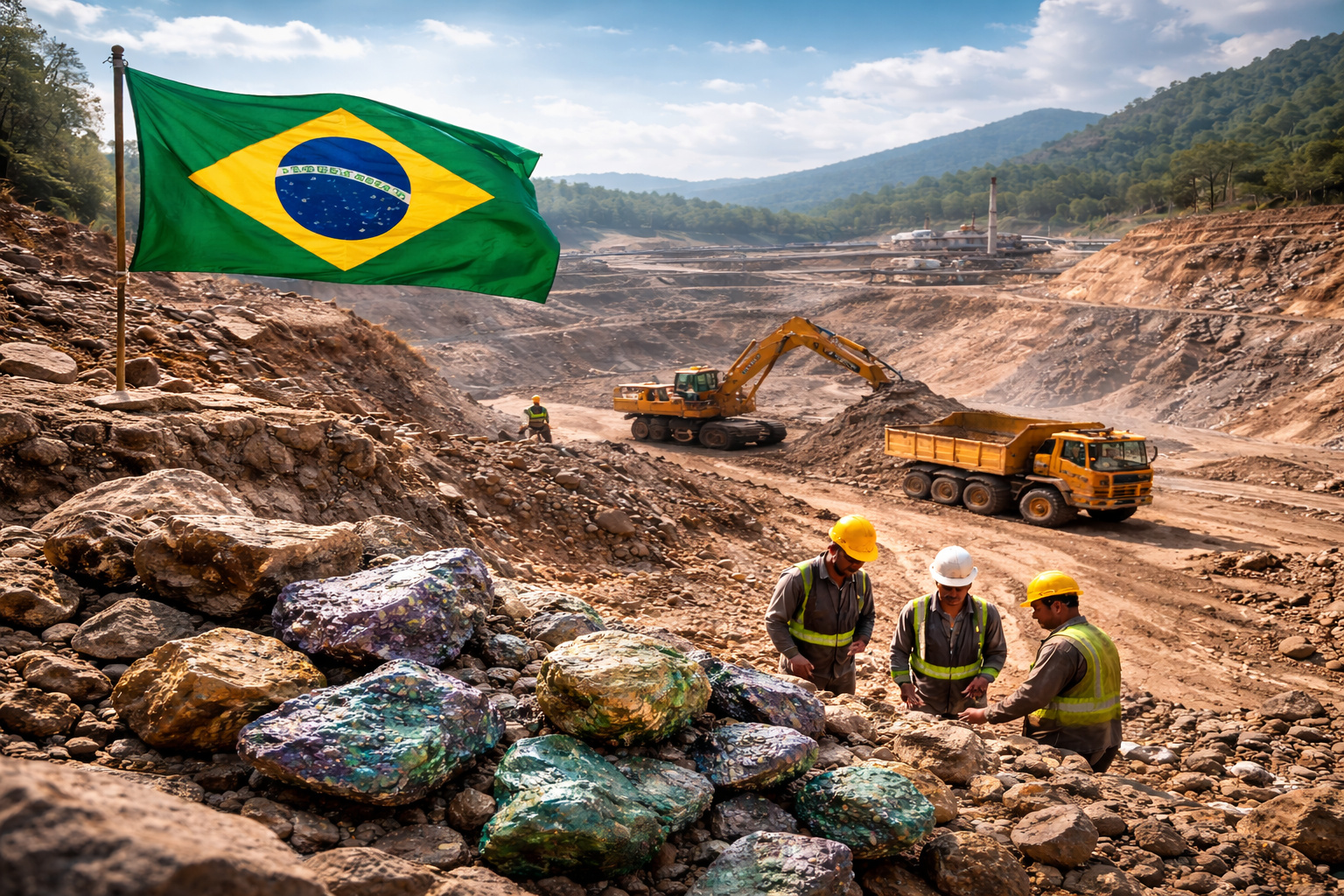

Estimate Released by the Inter-American Development Bank Shows That the Value of Brazil’s Rare Earth Reserves Is Nearly Twice the Size of the National Economy
A recent assessment of Brazil’s mineral potential revealed a piece of information with significant economic and geopolitical impact. According to the estimate presented by the Inter-American Development Bank (IDB) based on international prices and the Brazilian Gross Domestic Product for 2024, the known rare earth reserves of Brazil are equivalent to about 186% of the national GDP.
In other words, the potential value of these strategic minerals represents almost twice the size of the Brazilian economy. This data reinforces, therefore, Brazil’s prominent position in the new global race for critical minerals, essential for modern technologies and for the energy transition.
Furthermore, the same survey also indicates that the Brazilian reserves of nickel account for approximately 12% of the GDP, consolidating the country’s relevance in the international mineral scenario.
-
Expansion of Federal Institutes: 38 new campuses and R$ 200 million for public education; see the cities included.

-
Lula’s government changes rule in important benefit and thousands of Brazilians will no longer receive it; see what has changed.
-
New Gripen fighter makes Argentines surrender to Brazil, and the heavy reaction exposes envy, frustration, and shock at Brazil’s technological leap.

-
This discovered deposit near the Andes could change the future of Argentina, attract billions, and even shake up the global metals market.

Rare Earths and Strategic Minerals Gain Global Importance
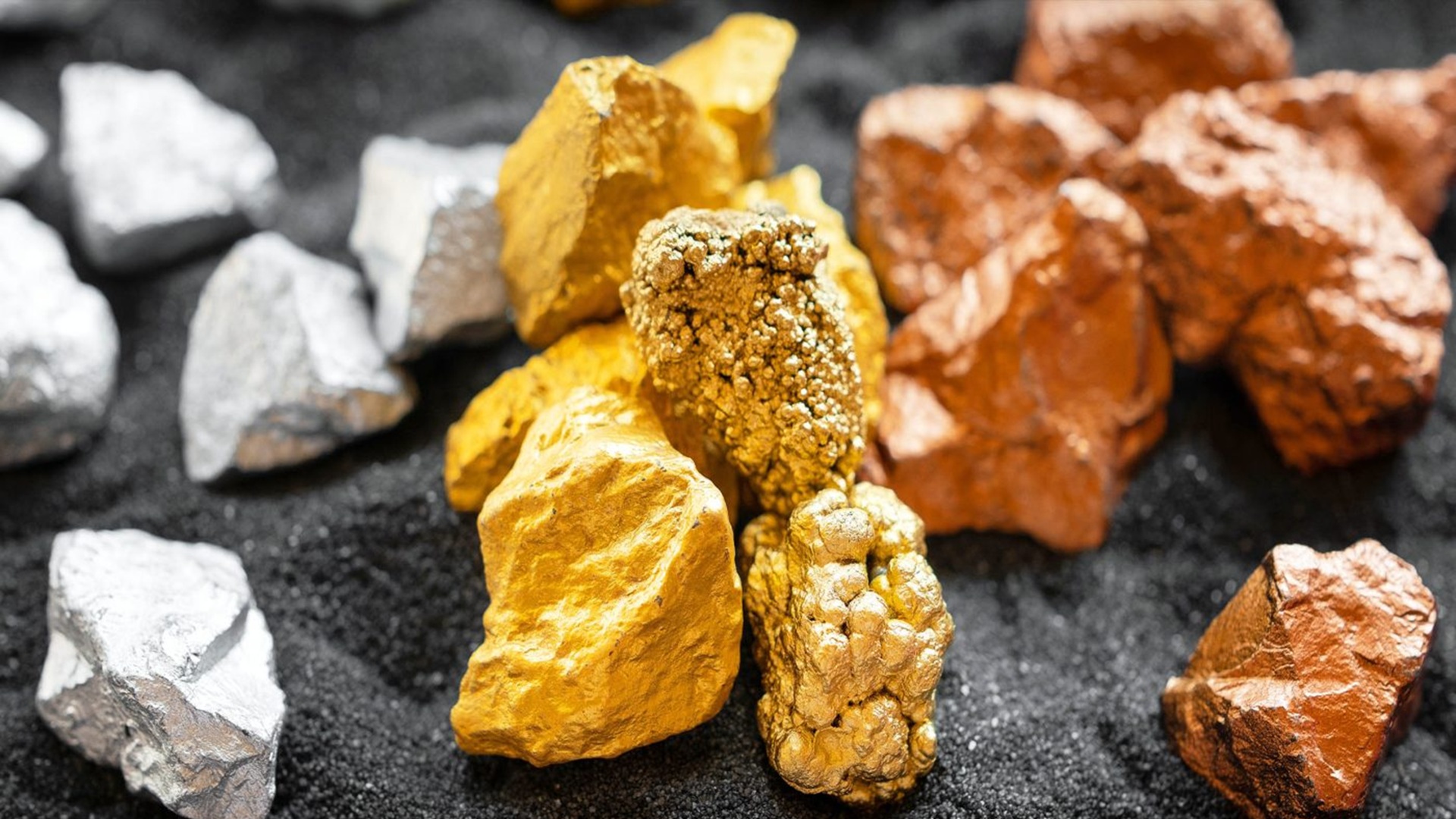
First of all, it is important to understand what are called rare earths. This term designates a group of 17 chemical elements essential for the manufacture of advanced technologies, including permanent magnets, modern batteries, wind turbines, semiconductors, electronic equipment, and military technologies.
Despite the name, these elements are not necessarily scarce in nature. However, their extraction and processing are complex, costly, and environmentally sensitive, which explains the concentration of production in a few countries.
In this context, the strategic importance of these minerals is rapidly increasing, especially with the advancement of electrification, digitalization, and new industrial chains.
Latin America Concentrates Strategic Mineral Reserves
At the same time, the study also highlights the mineral potential of other countries in Latin America. According to the report from the Inter-American Development Bank released in 2024, Chile has copper reserves equivalent to about 526% of the GDP.
Next, Peru appears with reserves estimated at approximately 310% of the national GDP, while Mexico records mineral reserves estimated at around 26% of its GDP.
These numbers show that Latin America holds a significant share of the global supply of minerals considered strategic for the global industrial reorganization.
According to the report, the subsoil of the Andes and the Brazilian Shield contains important reserves of copper, lithium, nickel, graphite, and rare earths. These materials are precisely the most demanded inputs by the new global technological supply chains.
Global Demand for Minerals Is Expected to Grow by 2050
Meanwhile, the global demand for critical minerals continues to expand. According to estimates presented in the report from the Inter-American Development Bank, global demand for lithium could grow between 470% and 800% by 2050, depending on the pace of international climate policies.
This growth occurs because electric vehicles use significantly more minerals per unit produced than combustion cars. Additionally, wind and solar parks require significantly larger amounts of industrial metals compared to traditional fossil fuel sources.
At the same time, the digitalization of the economy and the advancement of artificial intelligence have further increased the demand for industrial and technological metals. The report indicates that between 2024 and 2025, metals and minerals maintained a trajectory of appreciation, unlike some energy commodities.
This movement opens a new window of opportunity for exporting economies with a large mineral base.
China Dominates the Global Rare Earth Supply Chain
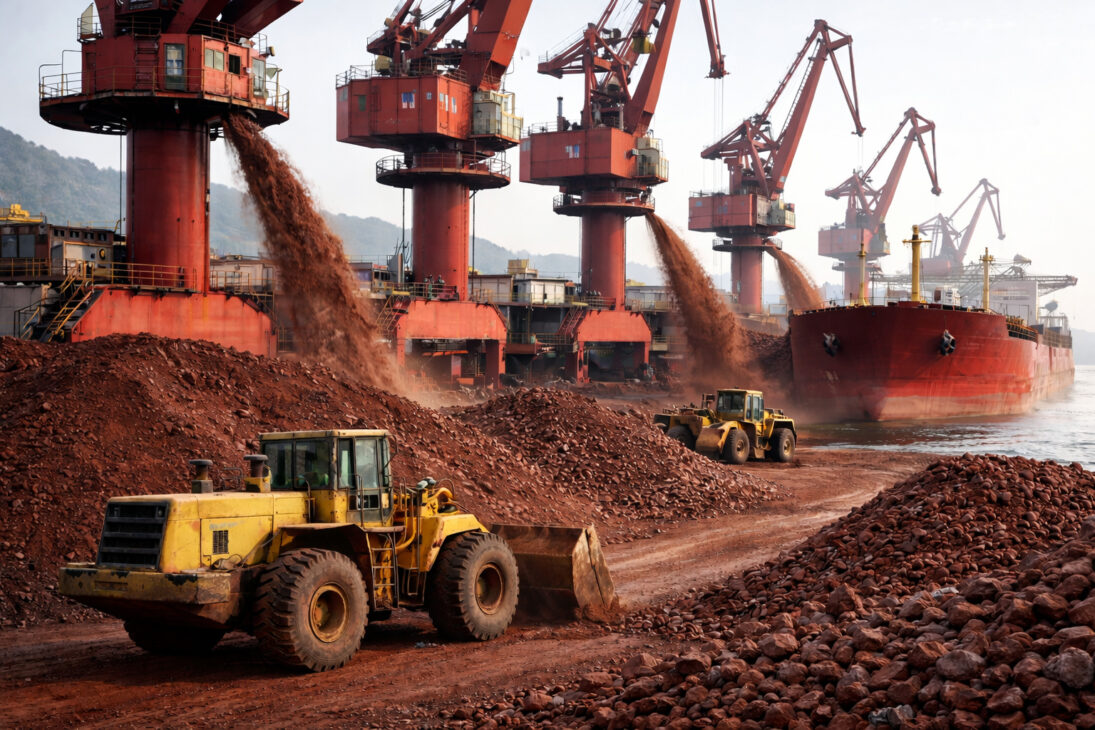
Despite the mineral potential of various countries, the global supply of critical minerals remains concentrated in a few regions, especially in the refining stage. In this context, China dominates a large portion of the global processing of rare earths, a factor that amplifies the geopolitical weight of these materials.
Consequently, the United States and European Union countries are seeking to diversify their supply chains and reduce dependence on the Chinese market. This international movement intensifies the search for new suppliers and strategic partnerships.
Brazil Has Geological Advantages but Faces Challenges
Even with significant reserves, the report issues an important warning. According to the Inter-American Development Bank, geological wealth alone does not guarantee sustainable economic development.
Transforming natural resources into prosperity depends on structural and institutional factors. Among the essential points are adequate infrastructure, access to energy and water, clear regulatory frameworks, and efficiency in environmental licensing processes.
Without these elements, the mineral potential may continue to be exploited primarily as low-value raw material exports, repeating a historical pattern observed in various producing countries.
International Partnerships and Brazilian Mineral Strategy
Given this scenario, Brazil has been expanding bilateral negotiations focused on the critical minerals sector. The country has already established understandings with India and South Korea, aimed at cooperation in supply chains, processing, and technological development of these resources considered essential for modern industry.
Moreover, the topic is set to be part of diplomatic discussions between President Luiz Inácio Lula da Silva and United States President Donald Trump, in a meeting expected to take place soon.
The U.S. interest reflects the search for access to strategic minerals outside the orbit of concentrated suppliers, especially given the strong global dependence on China.
In light of this scenario of technological transformation and growing geopolitical competition, an inevitable question arises: Will Brazil be able to transform its immense mineral wealth into industrial leadership in the new global cycle of technology, energy, and innovation?








Sim! se quiser Virar um Lixo Degradado como a China.