





 Portuguese
  English
  Spanish
  3 min of reading
  0 comments


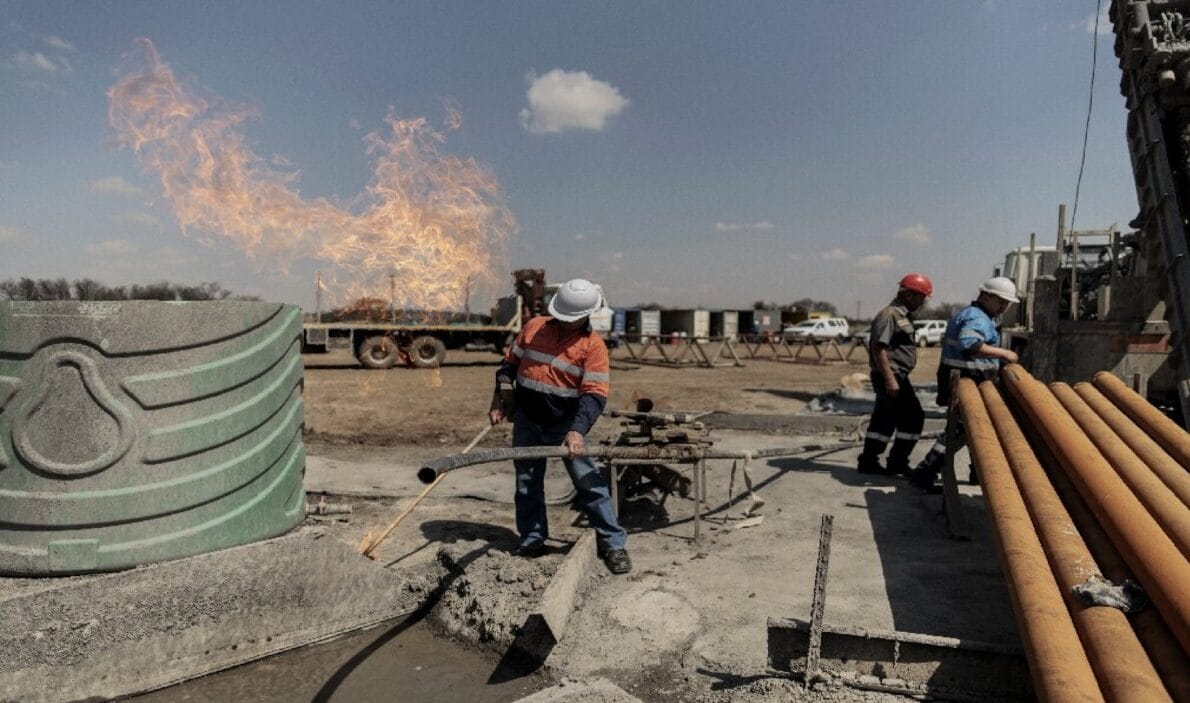
Known as the Largest Gold Producer in the World, South Africa Could Elevate the Region’s Economy with New Helium Gas Discovery
A new treasure has been discovered in South Africa! The country that was once known as the largest gold producer in the world now boasts a new ‘gold’, but in gas: helium. Popularly known for filling party balloons and providing funny voices, helium plays a crucial role in various modern technologies, such as medical scanners, superconductors, and space exploration. This rare gas is produced by fewer than 10 countries and is often discarded as waste in natural gas wells, according to the website De olho na engenharia.
The discovery occurred when Stefano Marani and Nick Mitchell acquired, in 2012, the rights to a 87,000-acre land in the Free State province, initially seeking natural gas. However, upon analyzing the samples, they found exceptionally high concentrations of helium, turning the initial investment of US$ 1 into a potential gold mine, or rather, a helium mine!
High Concentrations and Economic Opportunities in South Africa
The analyses revealed helium concentrations between two to four percent, a significantly higher amount than global standards, such as in the United States, where helium is extracted at concentrations starting from 0.3%. Subsequent tests indicated even higher levels, reaching up to 12%, placing South Africa among the world’s largest potential producers, alongside Qatar and Algeria.
-
A startup backed by OpenAI has started selling a $20,000 robot to perform household tasks, but when the robot doesn’t know what to do, an employee puts on a virtual reality headset, sees the inside of the house through a camera, and operates each movement, and the CEO said that without this, he cannot improve the product.

-
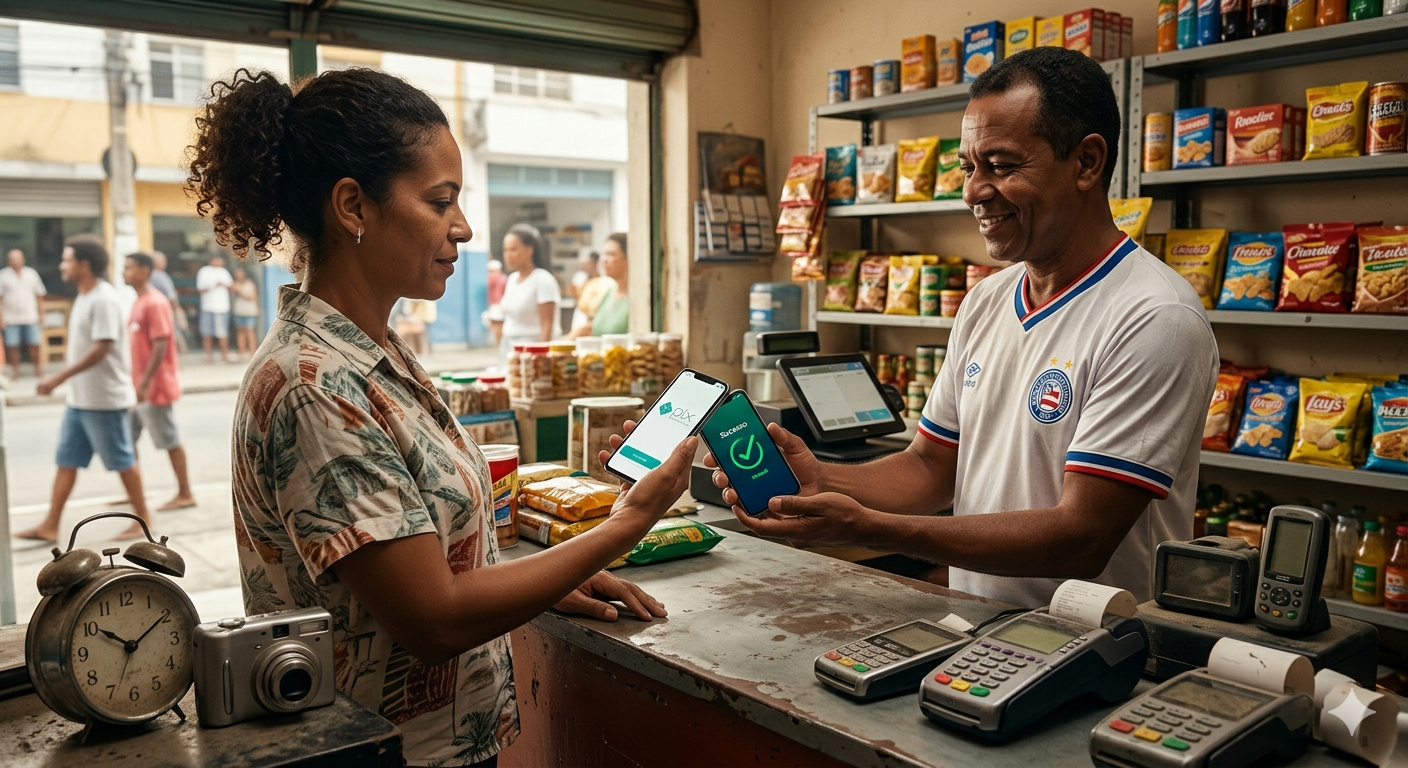
The cell phone is present in 99.5% of Brazilian households and has already replaced the alarm clock, the camera, and the GPS; now it is starting to threaten the last device that resisted: the card machine, which is present in 19 million points of sale in the country.
-
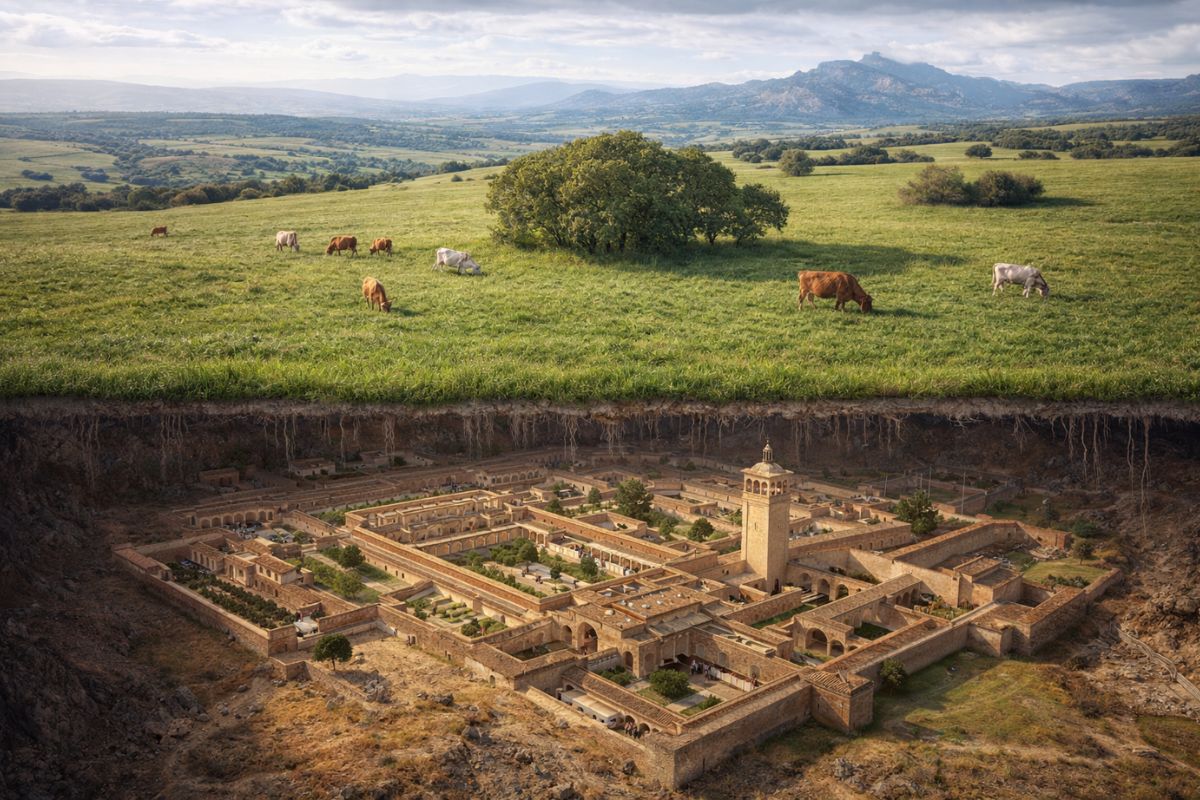
A caliphate city a thousand years old may be hidden under a pasture in Spain where anyone would walk by without noticing anything, but LiDAR technology has revealed terraces, walls, and a planned urban layout beneath the surface.
-
In 2028, Earth will cross debris that the Swift-Tuttle comet left in space in 1479, and the world’s most famous meteor shower could turn into a storm of hundreds of shooting stars per hour, a phenomenon that hasn’t occurred since before Columbus arrived in America.




According to the company Research and Markets, the global helium market was valued at US$ 10.6 billion in 2019, and the demand for this gas is only increasing, driven by its application in critical technologies and its scarcity. Renergen, the company of Marani and Mitchell, estimates that its reserves could reach 9.74 billion cubic meters, an amount that, if proven, would represent a value exceeding US$ 100 billion.
Sustainable Extraction of Helium Gas
Unlike the traditional method of hydraulic fracturing, which involves injecting water and chemicals to release trapped gas, Renergen benefits from a unique geological formation. The presence of a large natural fracture allows the extraction of gas without the need for invasive techniques, which minimizes environmental impact and associated risks, such as groundwater contamination and minor earthquakes.
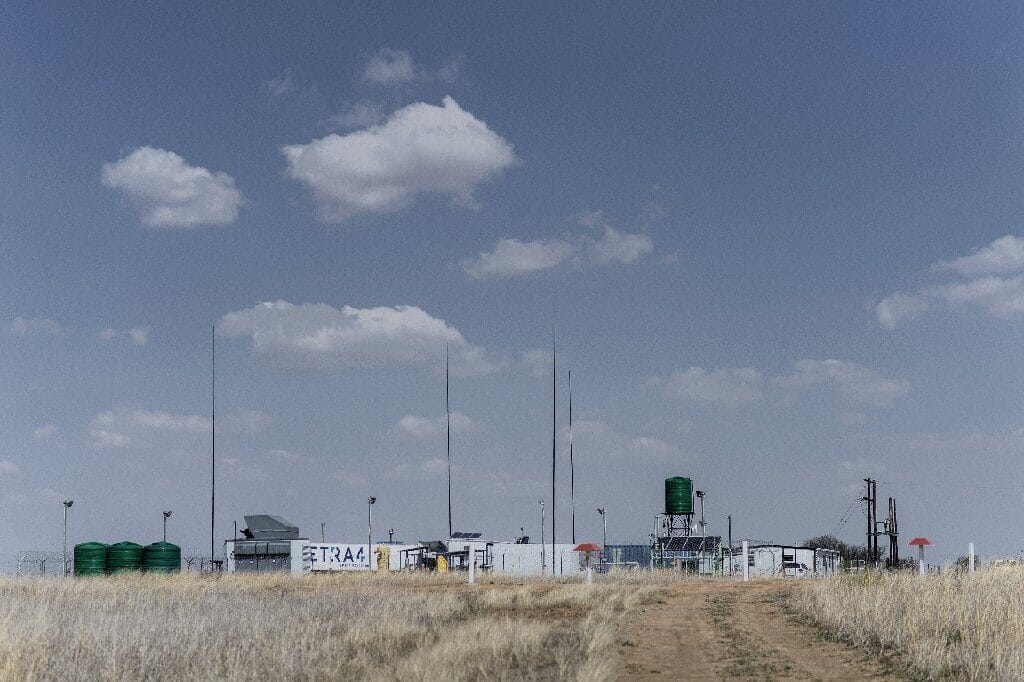
Future Perspectives for South Africa
Renergen plans to establish 19 wells by next year, with the gas currently extracted being used as compressed natural gas in a pilot project for bus operation. The processing plant is expected to produce liquefied natural gas for domestic consumption and liquid helium for export. The helium liquefaction process involves cooling it to extremely low temperatures, close to absolute zero, making it essential for applications requiring intense cooling, such as in magnetic resonances and rocket engines.
The demand for helium has more than doubled in the last three decades, and its production in South Africa could eventually reach five tons daily, representing about 7% of current global production. This development positions the country strategically to meet the growing global need for this vital resource, which is essential for technological and industrial innovations.





Seja o primeiro a reagir!