





 English
  Francês
  Alemão
  Italiano
  Japonês
  Norueguês
  Portuguese
  Spanish
  4 min of reading
  0 comments


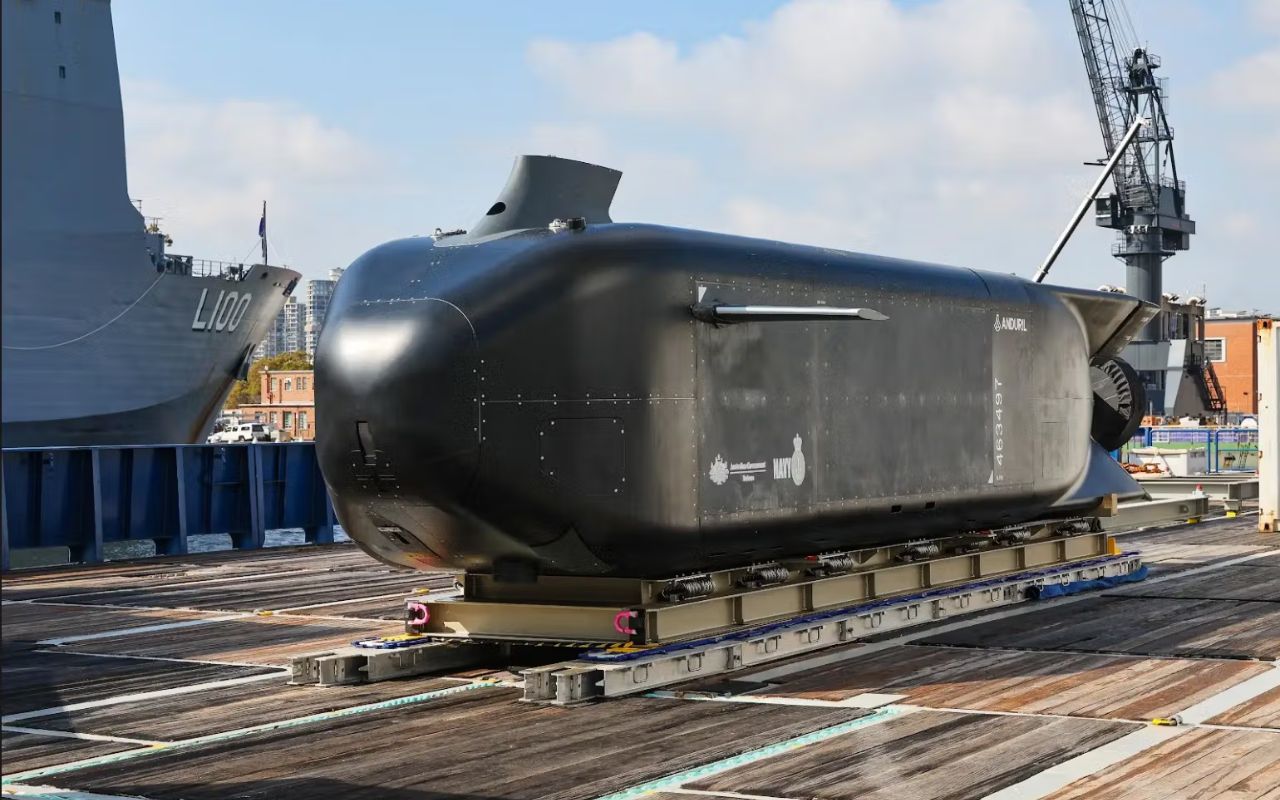
The US Navy bets on the Dive-XL robot submarine to operate underwater drones and accelerate a new strategy for underwater warfare.
The US Navy has taken a strategic step by selecting the Dive-XL robot submarine to operate underwater drones on a large scale. The decision was recently announced within the Combat Autonomous Maritime Platform (CAMP) program, an initiative aimed at creating autonomous submarines capable of launching smaller vehicles.
The project, developed with the participation of the company Anduril, will be applied in high-complexity maritime operations.
The choice was made to enhance surveillance and attack capabilities, as well as to reduce risks to the crew.
-
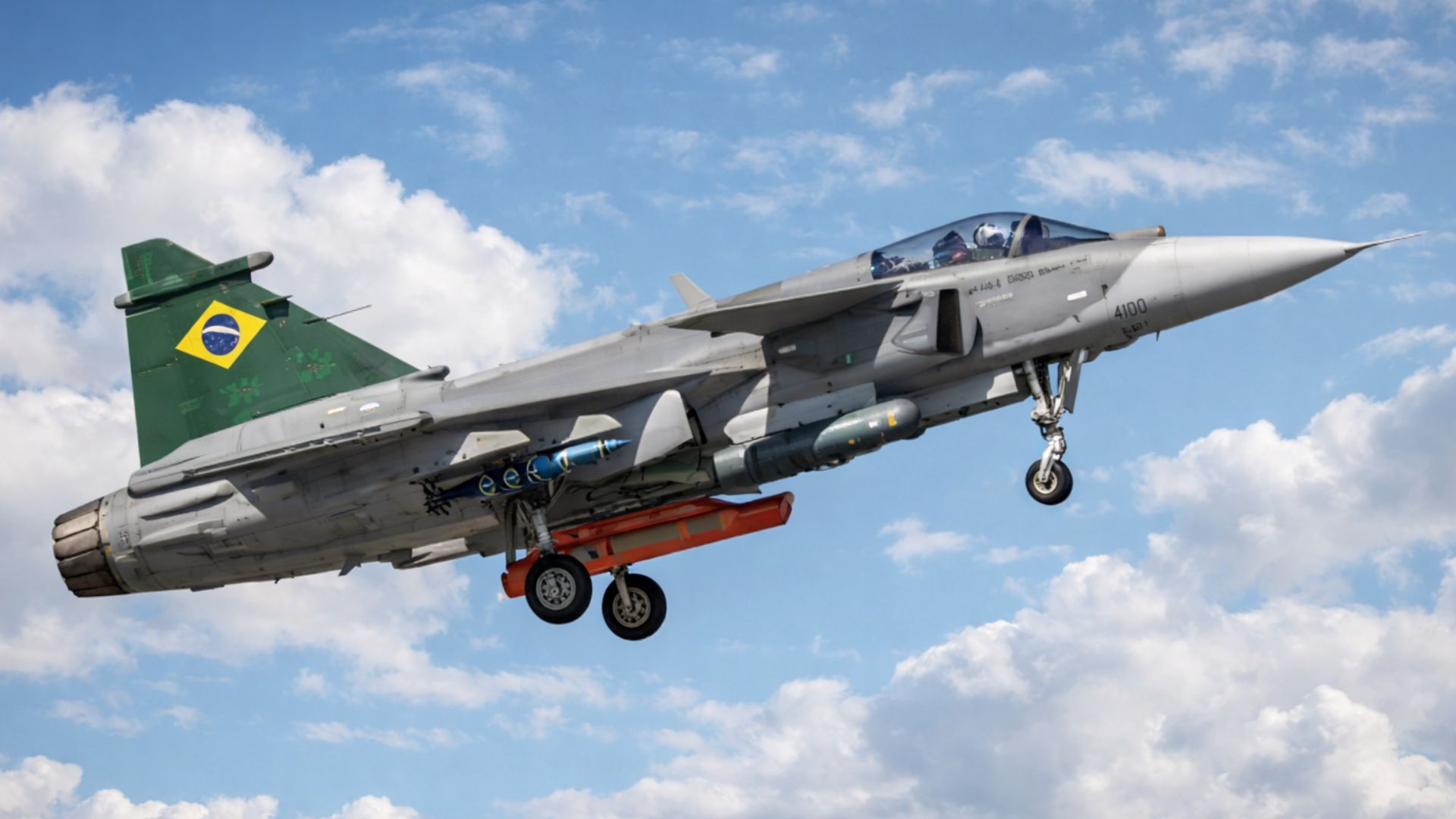
Brazil presents the first national F-39 Gripen fighter and redefines air defense with technological advancement, job creation, and strengthening of the defense industry on the global stage.
-
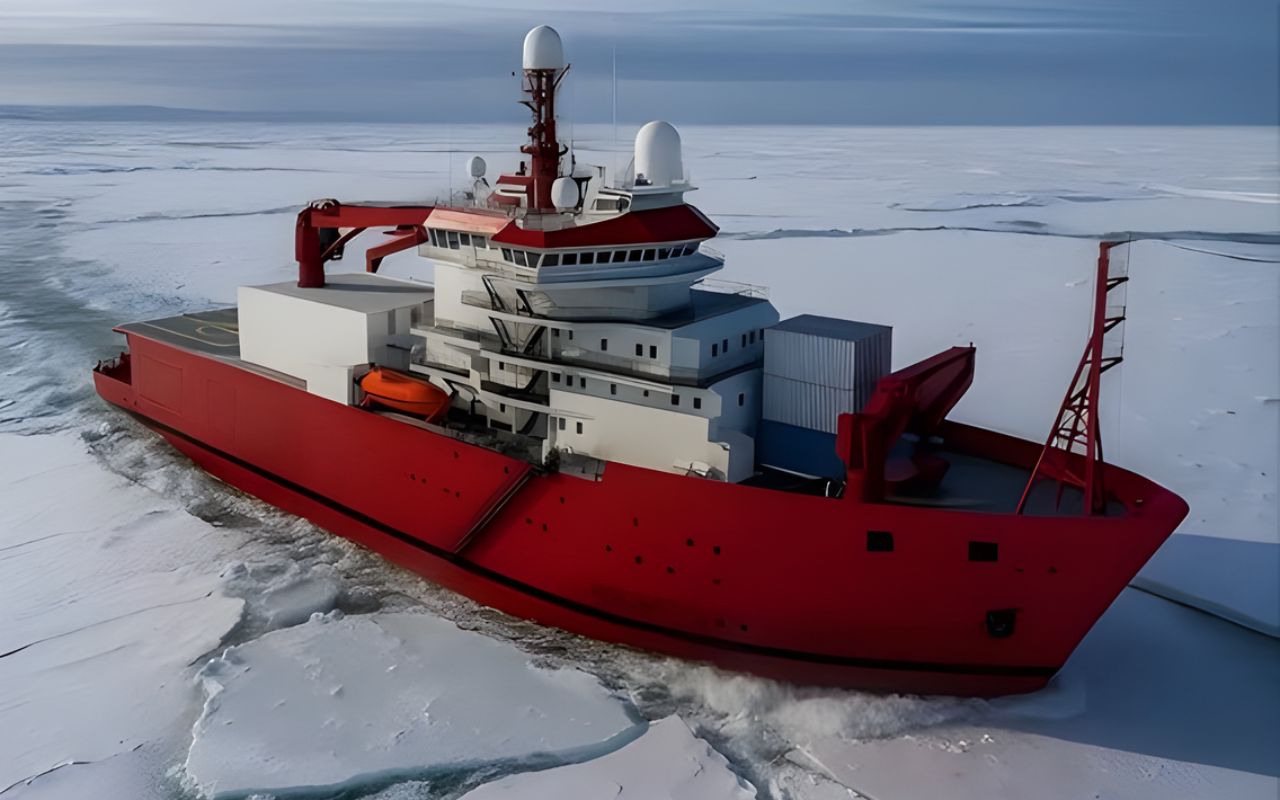
The construction of the Polar Ship Almirante Saldanha is progressing ahead of schedule and strengthens Brazil’s presence in Antarctica; the vessel will be 93 meters long, have a two-month autonomy, and technology to face ice.
-
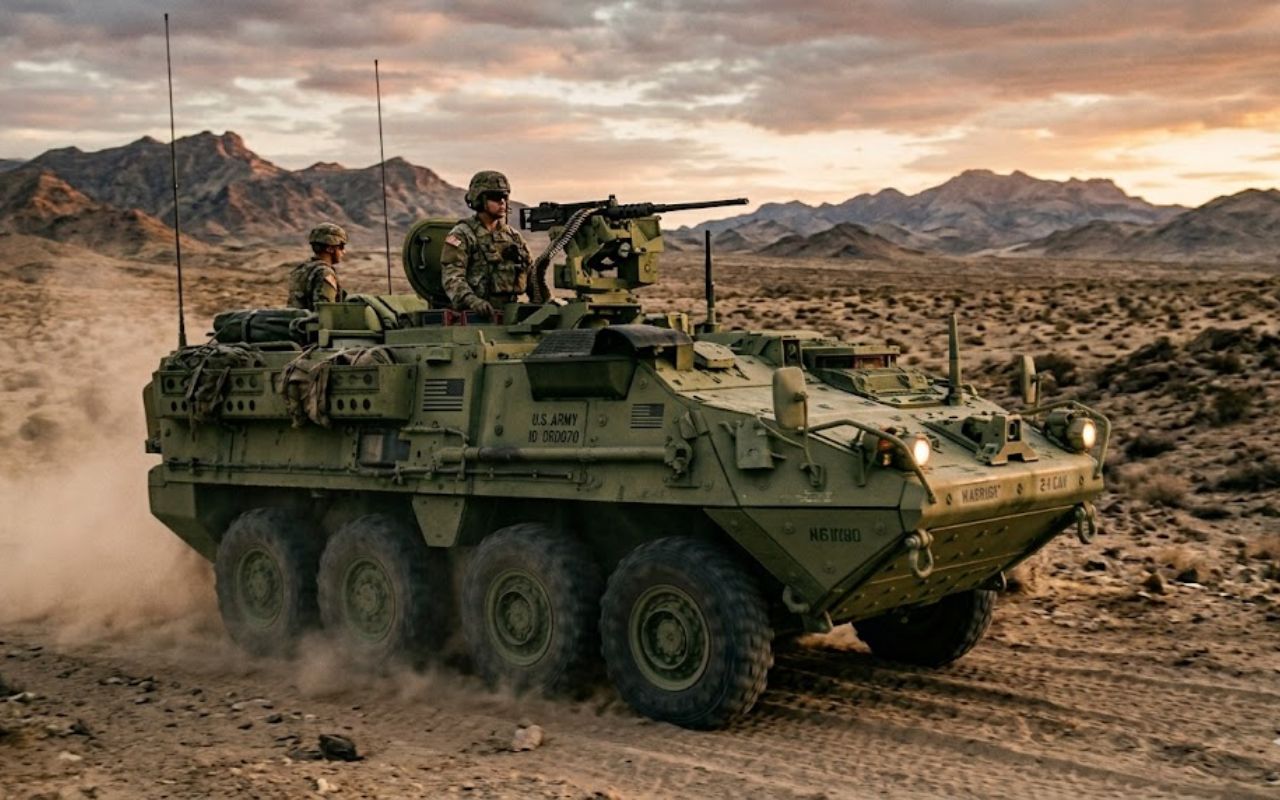
The United States Army has an armored vehicle that reaches speeds of up to 100 km/h, capable of operating normally on different types of terrain and also on asphalt without causing damage; equipped with a 350 hp engine, it can transport up to 9 soldiers — meet the Stryker.
-
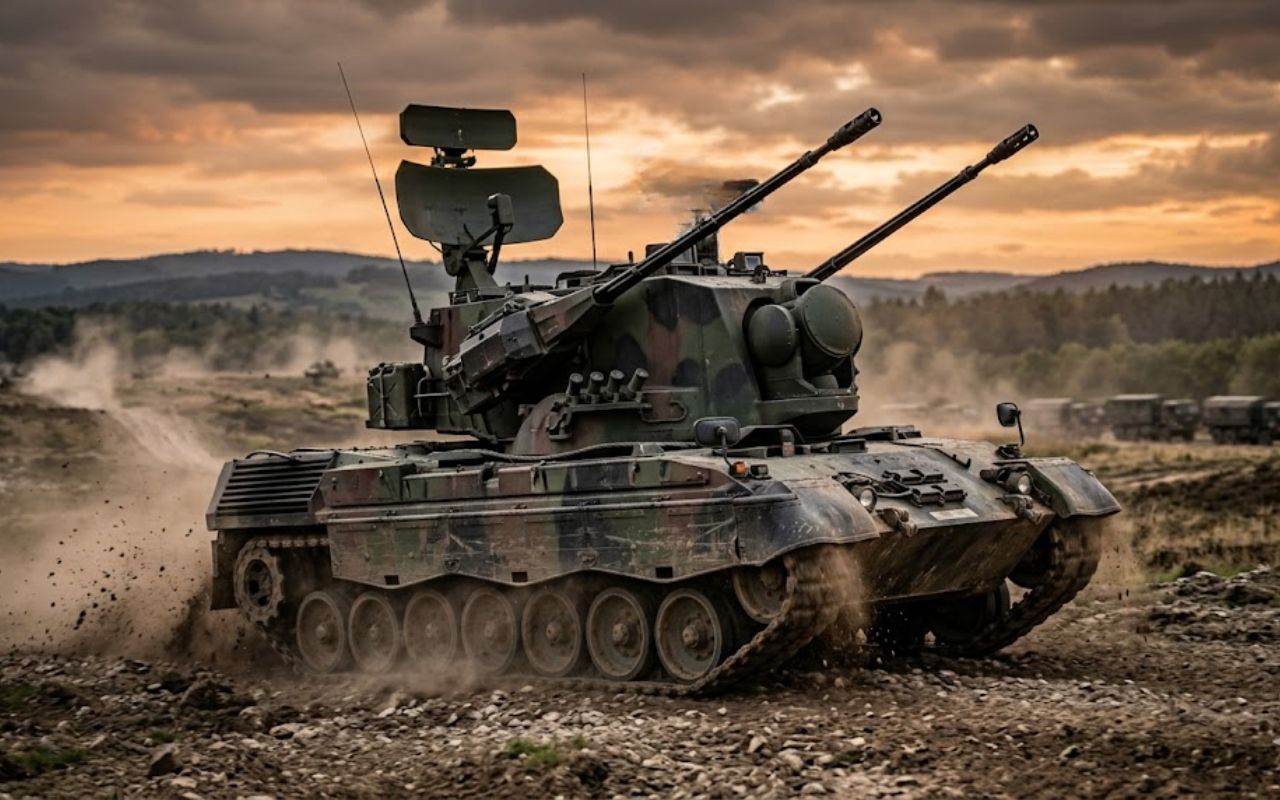
Gepard 1A2: the armored vehicle that fires 1,100 rounds per minute and became a shield against drones in Brazil.

With this, the US naval force seeks to accelerate its presence in strategic areas around the world.
Dive-XL robot submarine capacity impresses in tests
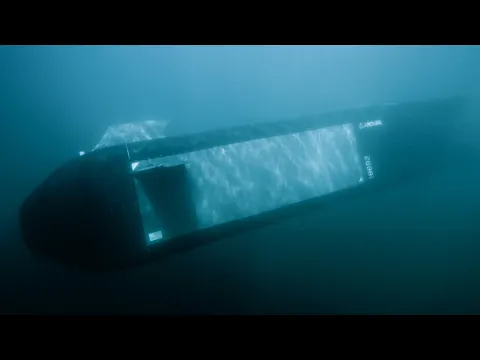
Even before entering full operation, the Dive-XL robot submarine has already demonstrated relevant performance. At about 8 meters in length, it can reach depths of up to 6,000 meters.
Additionally, it has a range of thousands of kilometers, allowing for prolonged missions. During tests, it remained submerged for long periods, proving its autonomy.
This level of performance expands the potential for use. Thus, the US Navy gains more efficiency in submarine operations.
Underwater drones are the center of the new naval strategy
The major change lies in the role of underwater drones. Previously seen as support, they are now becoming the protagonists in the US Navy’s strategy.
Inspired by swarms of aerial drones, the concept allows multiple devices to operate in a coordinated manner. This way, they can monitor large areas quickly.
Moreover, they function as sensors, surveillance platforms, and even attack systems. This significantly increases operational power.
Dive-XL robot submarine serves as a base for underwater drones
The Dive-XL robot submarine was designed to act as a launch platform. It can release smaller underwater drones during missions.
Among the compatible models are Copperhead AUV and Seabed Sentry. These devices expand the reach of operations on the seabed.
Thus, the submarine ceases to be an isolated unit. It becomes part of a broader system, based on multiple autonomous vehicles.
CAMP project seeks to solve the scale problem in the US Navy
Despite technological advances, there is a significant challenge: large-scale production.
The US Navy needs hundreds of underwater drones for the strategy to function fully.

This is precisely the focus of the CAMP program. The initiative aims to accelerate the development and deployment of autonomous submarines.
With this, it seeks to fill logistical and operational gaps. The speed of implementation becomes a decisive factor.
Design of the Dive-XL robot submarine facilitates mass production
One of the main differentiators of the Dive-XL robot submarine lies in its construction. Unlike traditional models, it does not use a pressurized hull.
Instead, it adopts a free flooding system. The sensitive components are protected inside sealed internal compartments.
This solution reduces costs and weight. Additionally, it allows for faster production and on a larger scale, meeting the needs of the US Navy.
The modular design of the Dive-XL robot submarine allows for different mission configurations. It can be adapted according to operational needs.
Among the applications are surveillance, reconnaissance, mine countermeasures, and inspection of underwater structures. This versatility is a significant differentiator.
Moreover, it facilitates technological updates. This keeps the system relevant over time.
Logistics of the Dive-XL robot submarine ensures quick mobility
Another strategic point is logistics. The Dive-XL robot submarine was designed to fit into standard containers.
This allows for rapid transport by military aircraft, such as the C-17. Thus, it can be quickly deployed to any region of the world.
This capability increases the agility of the US Navy. In conflict scenarios, this can be decisive.
The US Navy advances with technology-based naval warfare
The adoption of the Dive-XL robot submarine and underwater drones shows a clear shift in strategy. The US Navy is now investing heavily in automation.
Furthermore, the use of these systems expands the range and precision of operations. This reduces the need for exposure of human crews.
Thus, naval warfare enters a new phase. A phase marked by technology, scale, and increasingly intelligent operations on the seabed.

With information from Olhar Digital






Seja o primeiro a reagir!