





 Portuguese
  English
  Spanish
  4 min of reading
  0 comments


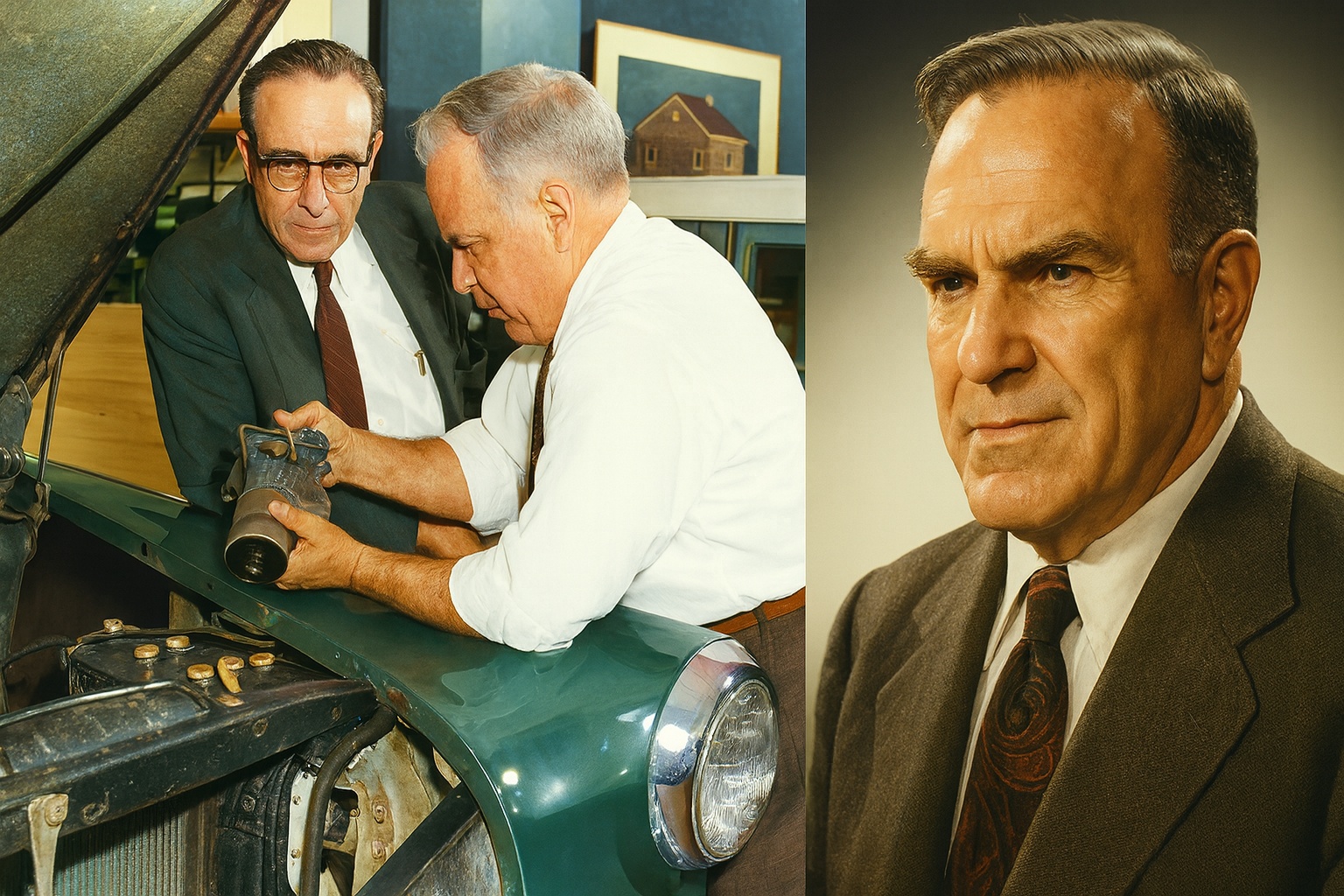
Blind Since Childhood, Ralph Teetor Invented Cruise Control in 1945 and Revolutionized the Automotive Industry by Transforming Comfort and Precision into Smart Engineering.
Long before electric cars, radar sensors, and autonomous driving, a blind man helped change the future of driving. Ralph Teetor, an American engineer born in 1890, lost his sight at the age of five, but decades later, he invented cruise control — a technology that allows a car to maintain a constant speed without using the accelerator pedal. His creation became one of the foundations of modern automotive engineering and inspired the development of the semi-autonomous driving systems used today.
The Tragic Childhood That Shaped a Genius of Mechanics
At the age of five, an accident with a cutting tool left him completely blind. But Teetor grew up in a family obsessed with mechanics, which did not treat him as incapable. From an early age, he developed an extraordinary sense of touch and hearing: he could identify irregular engine performance just by listening to the sound of the parts.
He graduated in mechanical engineering from the University of Pennsylvania in 1912 — a rare achievement for someone with a visual impairment at that time and soon began working at the family business, Perfect Circle Corporation, a supplier of engine components for major automakers. It was there that his genius began to stand out.
-
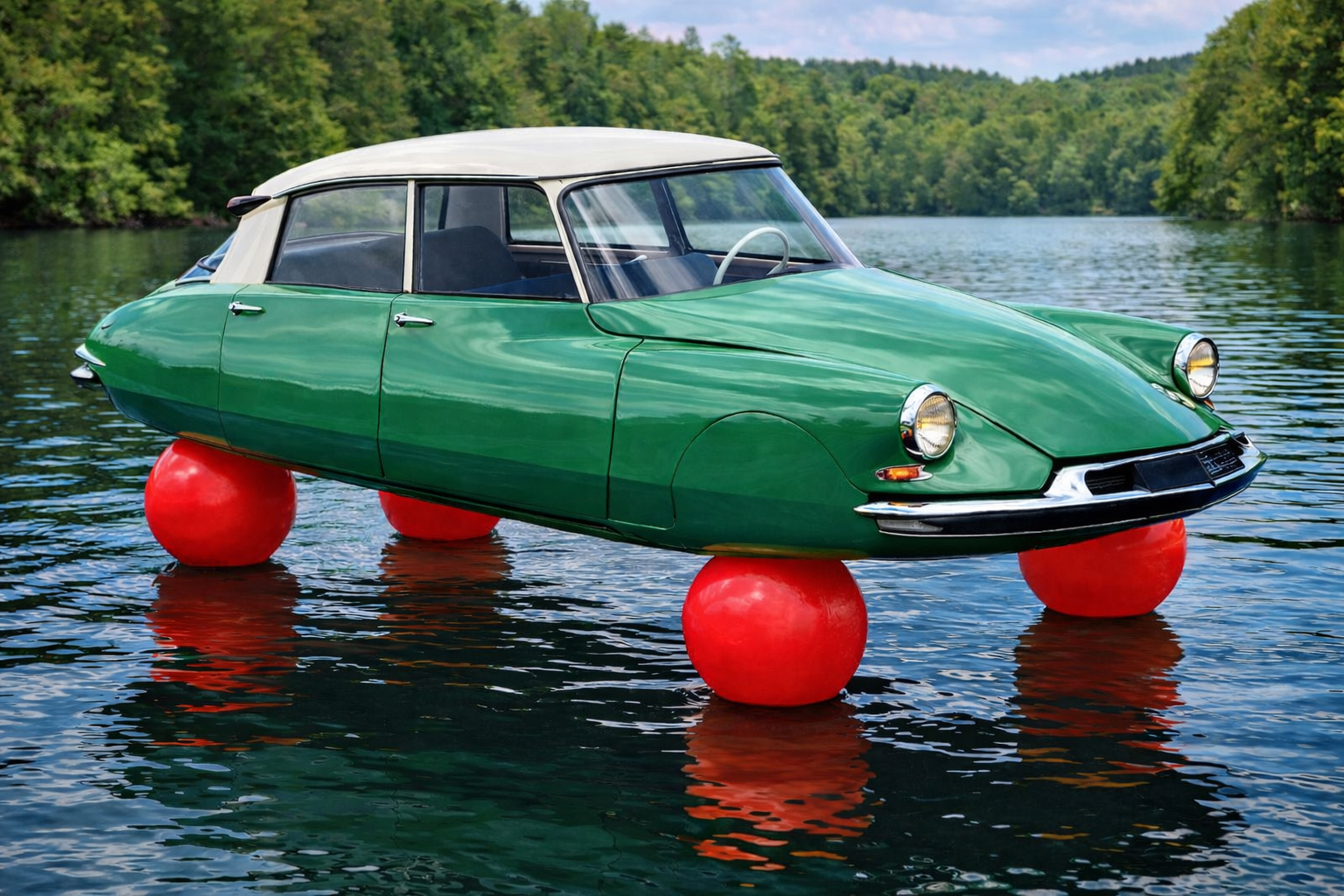
A French brand placed a car on four huge red balloons to prove that its suspension made the vehicle “float,” and the surreal scene became one of the most iconic and unusual images in automotive history.
-
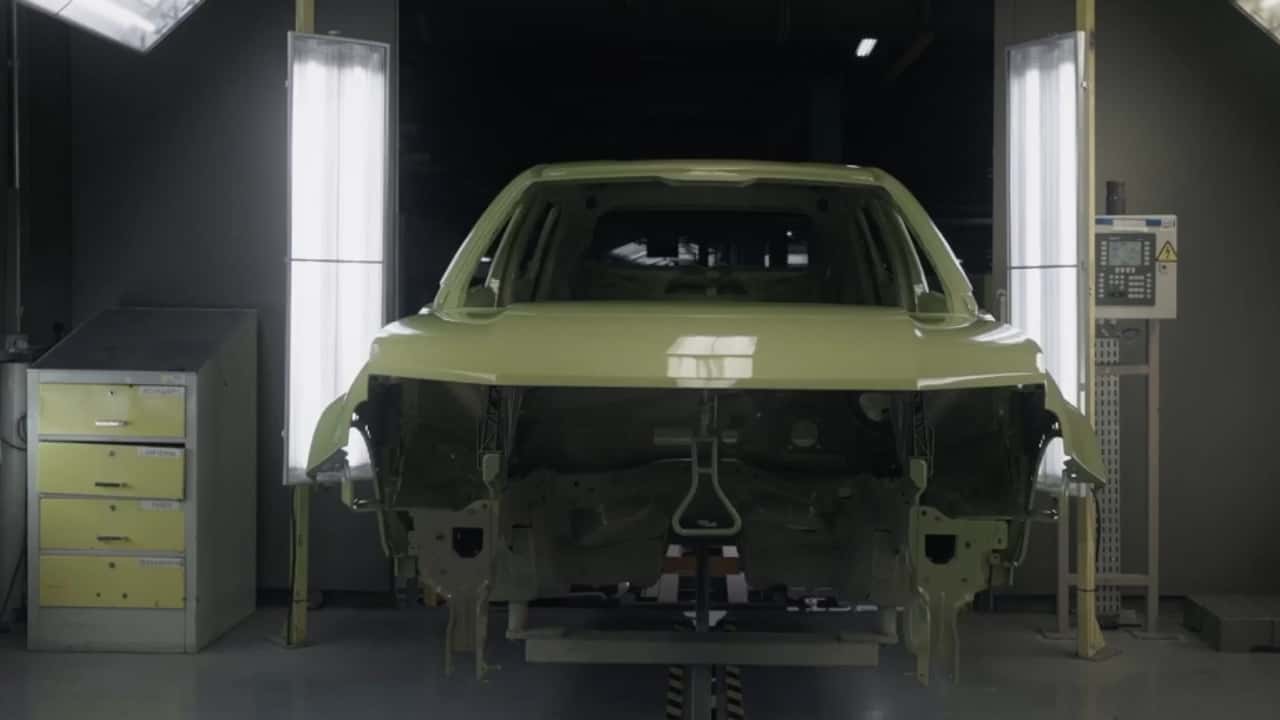
Jeep Avenger begins production in Brazil, debuting as the brand’s new entry-level SUV and inaugurating an unprecedented phase by becoming the first national Jeep manufactured outside of Goiana, as part of a R$ 3 billion plan.
-
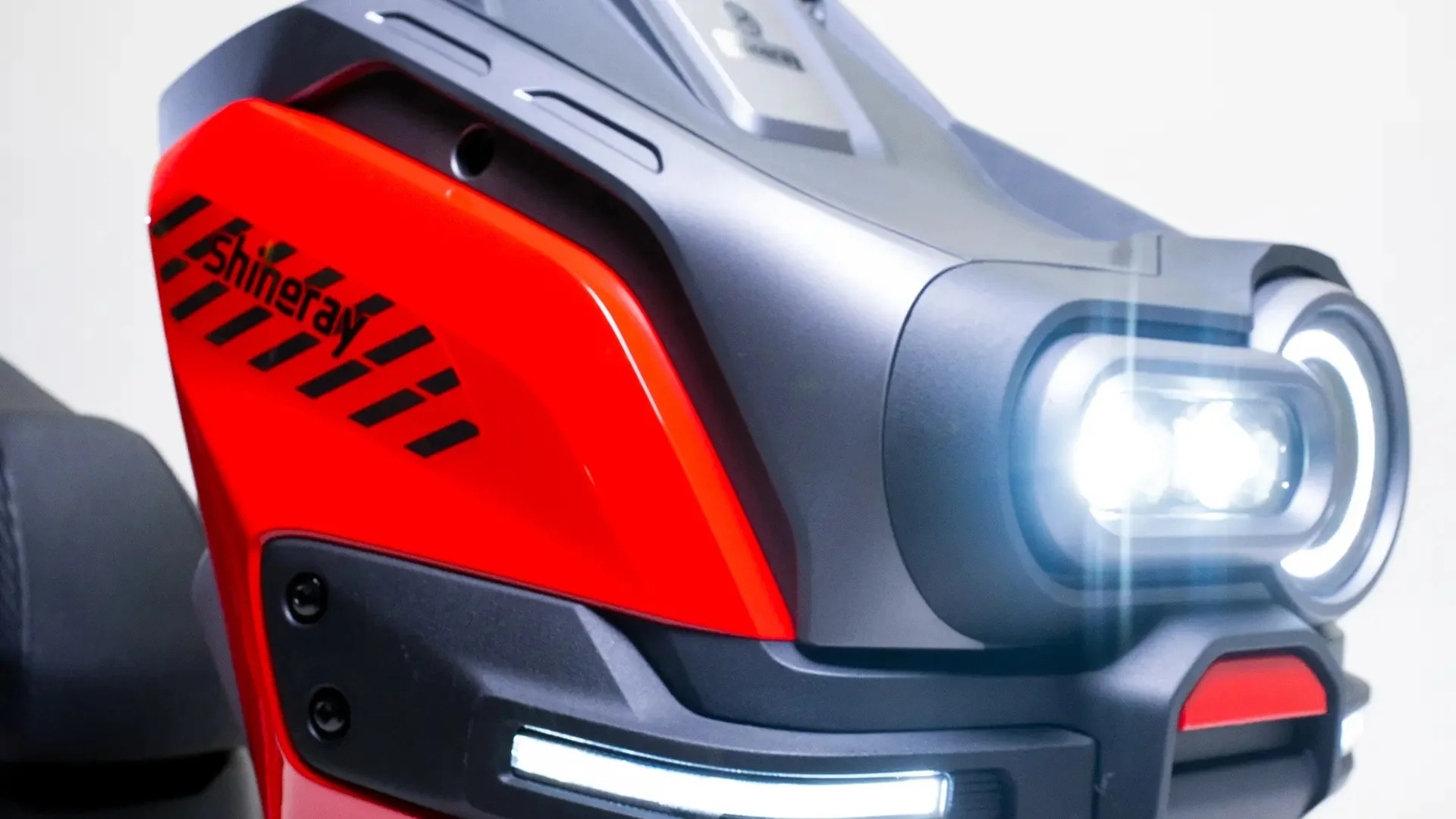
Costing R$ 12,490, the new Shineray Urban Lite 150 “cheap one” arrives in Brazil with a CVT transmission, digital dashboard, and LED lights, making it more affordable than the Biz and targeting those who want to abandon the bus.
-
Ducati brings to Brazil the Superleggera V4 Centenario: 228 hp that become 247 with a track kit, carbon fiber and carbon-ceramic brakes, estimated price between R$ 1.5 and 2 million, deliveries only in 2027.


The Idea That Came from Frustration with an Impatient Driver
During a car trip in the 1940s, Ralph was traveling with his lawyer, Harry Lindsay, who was constantly accelerating and braking, making the journey uncomfortable.
Since he could not see, Teetor felt every speed variation by the sound of the engine and the physical sensation. Annoyed, he remarked that the car should “have a way to drive itself at the same speed.” This observation became the starting point for one of the most important inventions of the 20th century.
He began to develop an electromechanical system that automatically controlled the throttle, keeping the vehicle at a constant speed, something revolutionary for the time, when cars were entirely manual.
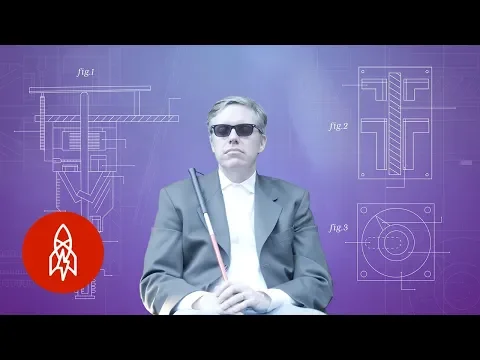

In 1945, Ralph Teetor filed a patent for his invention under the name “Speedostat”, the first cruise control in history. The system used cables and electric actuators connected to the speedometer, which automatically adjusted the throttle.
From Speedostat to Modern Cruise Control
The invention caught the industry’s attention, especially from Chrysler, which adopted the system in 1958 in the Imperial model, under the trade name “Auto-Pilot” and that’s where the confusion with the term “autopilot” originated.
Later, General Motors popularized the technology under the name “Cruise Control”, and the idea spread around the world. By the 1970s, it was already a comfort feature in luxury cars; by the 1990s, it began to equip mid-size sedans; and today, it has evolved into intelligent versions that use sensors and radars to maintain a safe distance from other vehicles, slow down, and even brake automatically.
But the essence remains the same: the original concept created by a man who never saw a road, but understood better than anyone what it meant to drive with comfort and control.
An Engineer Who Saw with His Hearing and Touch
Without vision, Teetor led entire teams of engineers by voice and touch. He would run his hands over metal parts to identify imperfections and listened to the sounds of engines as if reading a score.
His mechanical sensitivity was so refined that colleagues said he “could hear the speed.”
In 1936, he was elected president of the Society of Automotive Engineers (SAE) — a historic achievement. Later, he chaired Perfect Circle and became a worldwide reference in combustion engine design.
Teetor did not like to be treated as “a blind inventor,” but rather as an engineer who saw the world differently. His motto was simple:
“The Mind Is the Best Precision Instrument Ever Created.”
A Legacy That Lives On in Every Modern Car
The cruise control invented by Teetor is the foundation of the driver assistance systems used today in electric and autonomous vehicles.
When a driver activates the Adaptive Cruise Control of a Tesla, Mercedes, or BMW, they are using an evolved version of the Speedostat, now combined with sensors, cameras, and artificial intelligence.
Teetor’s vision (in both figurative and brilliant senses) was to foresee, back in 1945, a future in which cars would be capable of self-regulation, making roads safer and journeys more peaceful.
The Man Who Never Saw His Own Invention
Ralph Teetor passed away in 1982, at the age of 91, in Indiana. He lived to see his invention become an industry standard and revolutionize the way of driving.
Even without ever seeing a landscape, a traffic light, or a road, he understood the essence: the experience of driving is about harmony, rhythm, and sensitivity, things that do not depend on the eyes, but on the mind.
Today, Ralph Teetor’s name is studied in automotive engineering courses and cited by manufacturers who recognize his historical importance. He did not create the “autopilot,” but planted the seed of smart driving that powers 21st-century cars.









-

-

-

-

5 pessoas reagiram a isso.