





 Portuguese
  English
  Spanish
  5 min of reading
  0 comments


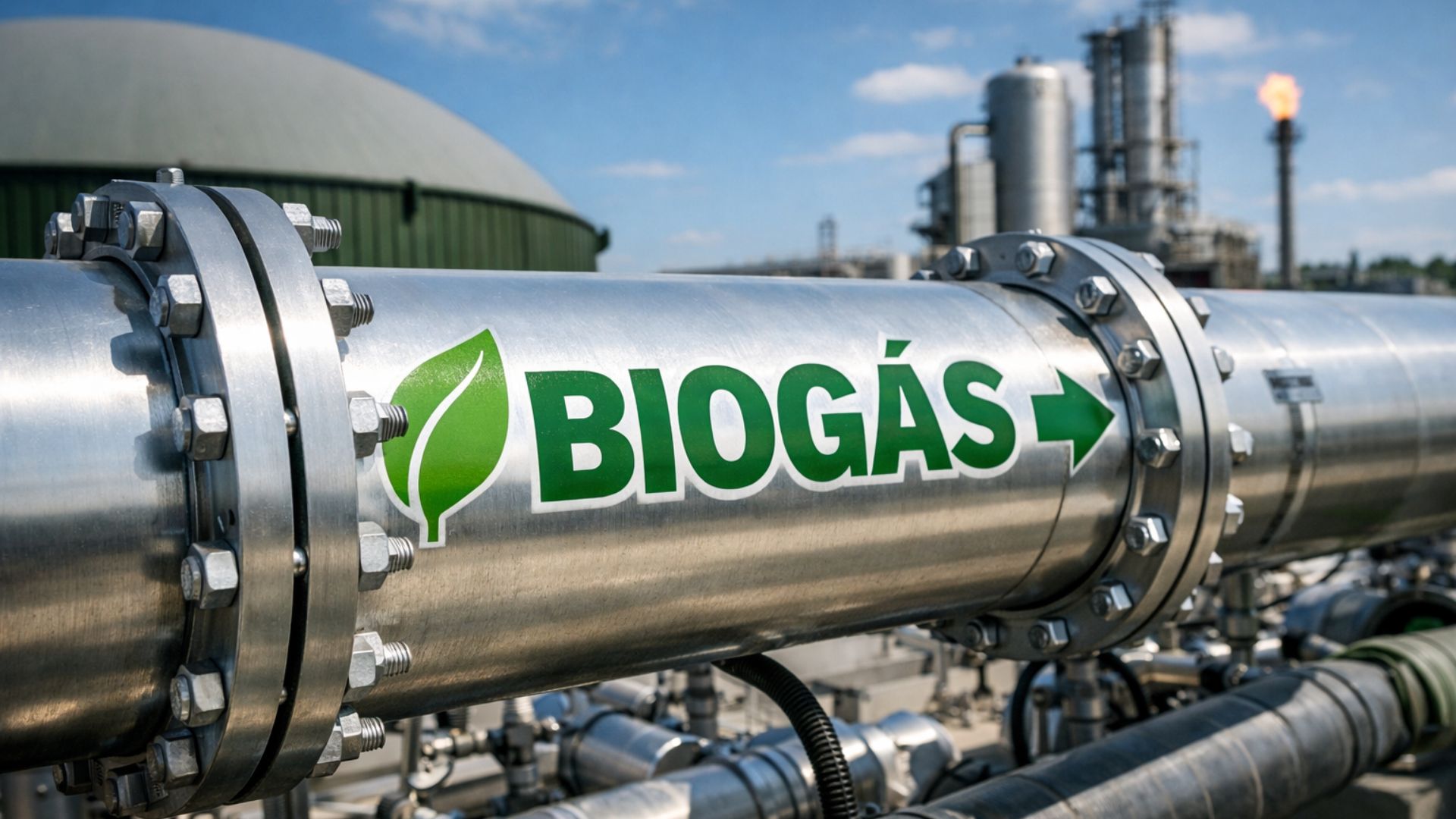
Cagece and UFC advance with sustainable innovation by transforming biogas into renewable energy, reducing emissions and increasing sanitation efficiency with applied technology and positive environmental impact.
The project developed by the Water and Sewage Company of Ceará (Cagece) in partnership with the Federal University of Ceará (UFC) advances as a relevant initiative of sustainable innovation in Brazil. According to a publication from the state government, the proposal utilizes biogas generated from sewage treatment to produce renewable energy, reducing emissions and increasing the operational efficiency of sanitation.
Recognized by the Climate Plan, Brazil’s main instrument for addressing the climate crisis, the initiative gains national prominence for presenting concrete and measurable results. The project demonstrates, in practice, how sustainable innovation can transform environmental challenges into efficient and scalable solutions.
Cagece and UFC lead sustainable innovation by transforming waste into energy
The partnership between Cagece and UFC arises from the need to find smarter solutions for sewage treatment. Through applied research, the institutions developed a technology capable of utilizing waste and generating renewable energy from biogas.
-
How green infrastructure and renewable energy at the World Cup transform the logistics of the largest sporting event on the planet in North America.
-
Paranaense students develop a system that transforms farm waste into clean energy and revolutionizes sustainable agribusiness.
-
The Ministry of Defense installs a giant photovoltaic plant and ensures a stable supply of clean energy in Maturacá, in the Amazon.
-
Itaipu receives proposals in the renewable energy tender and reinforces the role of public universities in the energy transition with projects that can reduce costs, increase academic investments, and accelerate sustainable innovation in the country.
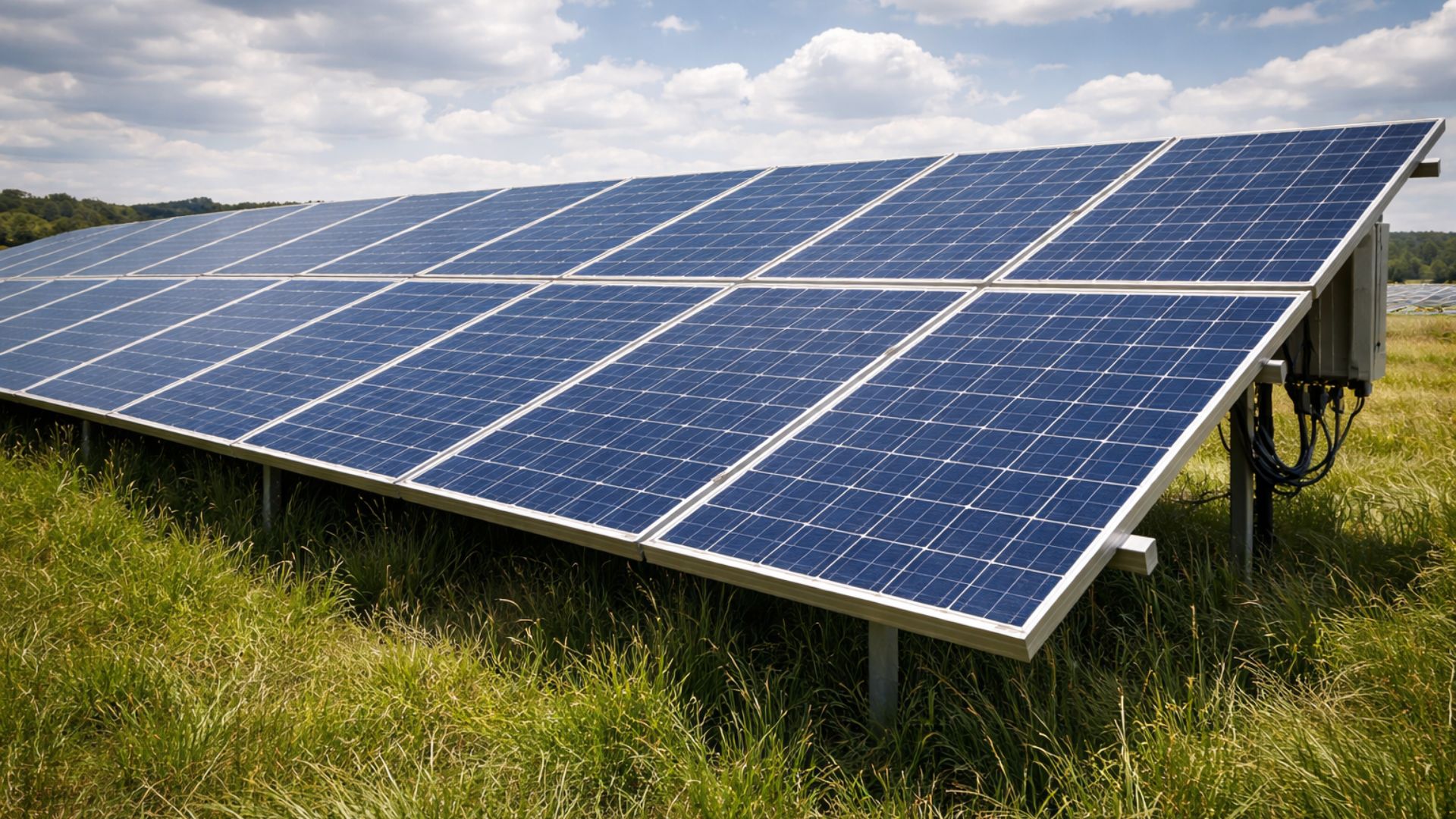
The project is conducted with support from the Laboratory of Combustion, Renewable Energies, and Green Hydrogen, LACERH, which directly contributes to the technical development of the solution. The proposal goes beyond theory and positions itself as a practical model of sustainable innovation with replication potential.
This type of initiative reinforces the strategic role of Cagece and UFC in modernizing sanitation. By integrating science and operation, the project generates environmental and operational benefits simultaneously.
Biogas as a clean energy solution within modern sanitation
The use of biogas is one of the pillars of the project. This gas is produced from the decomposition of organic matter present in sewage and, when not utilized, is released into the atmosphere as methane.
The differential of the Cagece and UFC initiative lies precisely in the capture and utilization of this biogas for renewable energy generation. Thus, what was once an environmental problem becomes a strategic solution.
Moreover, biogas directly contributes to:
- Reduction of greenhouse gas emissions
- Efficient utilization of organic waste
- Generation of clean energy within the units themselves
- Decreased dependence on fossil sources
This approach strengthens the concept of sustainable innovation and amplifies the positive impact of the project in the sector.


Sustainable innovation with biogas reduces climate impact and increases efficiency
One of the most relevant points of the Cagece and UFC project is the reduction of methane emissions. This gas has a global warming potential about 28 times greater than carbon dioxide, making it one of the main villains of climate change.
By transforming biogas into renewable energy, the project significantly reduces this impact. The initiative directly contributes to Brazil’s climate goals and reinforces the role of sanitation as an ally in the environmental agenda.
At the same time, sustainable innovation improves the operational efficiency of treatment plants. The energy generated can be used within the units themselves, reducing costs and increasing energy autonomy.
Investments strengthen the partnership between Cagece and UFC and accelerate technology
The advancement of the project was only possible thanks to structured investments. The initial phase included approximately R$ 8 million, with R$ 3.4 million financed by the National Bank for Economic and Social Development (BNDES) and the remainder contributed by Cagece.
The funds were allocated to UFC, managed by the FASTEF Foundation, ensuring technical and scientific support for the development of the technology. This integration between financing, research, and operation is essential for the success of sustainable innovation.
In the most recent phase, a new contract exceeding R$ 4 million was signed to continue operational testing and planning for expansion. This investment reinforces confidence in the project’s potential.
Biogas model plant enters a decisive phase with real-scale testing
The Cagece and UFC project is now advancing to a fundamental stage: validation at real scale. The model plant is being installed at the Alameda das Palmeiras Sewage Treatment Station, located in the Pedras neighborhood of Fortaleza.
This phase is essential to prove the efficiency of the technology outside the laboratory environment. Operating under real conditions allows for the evaluation of performance, costs, and economic viability.
The plant represents an important milestone for sustainable innovation, as it demonstrates that the use of biogas for renewable energy generation can be practically applied in sanitation.
Renewable energy in sanitation creates economic and environmental gains
The generation of renewable energy from biogas brings benefits that go beyond environmental sustainability. One of the main impacts is the reduction of operational costs for sanitation companies.
Electricity is one of the largest expenses in the sector. By producing part of this energy internally, the Cagece and UFC project improves the financial efficiency of operations.
Among the main gains, the following stand out:
- Reduction of electricity costs
- Greater energy autonomy of the units
- Valuation of previously discarded waste
- Increase in operational efficiency
These factors make sustainable innovation even more attractive, especially in a scenario seeking economically viable solutions.
Recognition in the Climate Plan reinforces the national relevance of the project
The highlight in the Climate Plan confirms the strategic importance of the Cagece and UFC initiative. The document gathers priority actions for addressing climate change in Brazil.
By being cited as an example of sustainable innovation, the project gains visibility and credibility. This increases its chances of attracting investments and future partnerships.
Moreover, the recognition shows that the use of biogas as a source of renewable energy aligns with public policies and global demands for sustainable solutions.
Expansion perspectives and market for biogas technology
After the testing phase, the Cagece and UFC project is expected to advance to the structuring of a business model. The expectation is that the technology can be commercialized in the coming years.
This movement opens up space for new opportunities in the renewable energy market. The sustainable innovation based on biogas can be applied in different regions, expanding its impact.
The global scenario also favors this type of solution. The search for clean and efficient energy alternatives is continuously growing, which increases the project’s potential for expansion.
A Brazilian model of sustainable innovation with real impact
The Cagece and UFC project shows that it is possible to transform environmental challenges into concrete solutions. By using biogas to generate renewable energy, the initiative reduces emissions, improves sanitation efficiency, and creates economic value.
With investments of R$ 8 million in the initial phase and over R$ 4 million in the current stage, the proposal demonstrates consistency and viability. The validation at real scale reinforces its potential for practical application.
More than a technological advance, the project represents a new path for the sanitation sector in Brazil. The integration between Cagece and UFC highlights how sustainable innovation can generate real, measurable results aligned with future demands.





Seja o primeiro a reagir!