





 English
  Francês
  Alemão
  Italiano
  Japonês
  Norueguês
  Portuguese
  Spanish
  6 min of reading
  0 comments


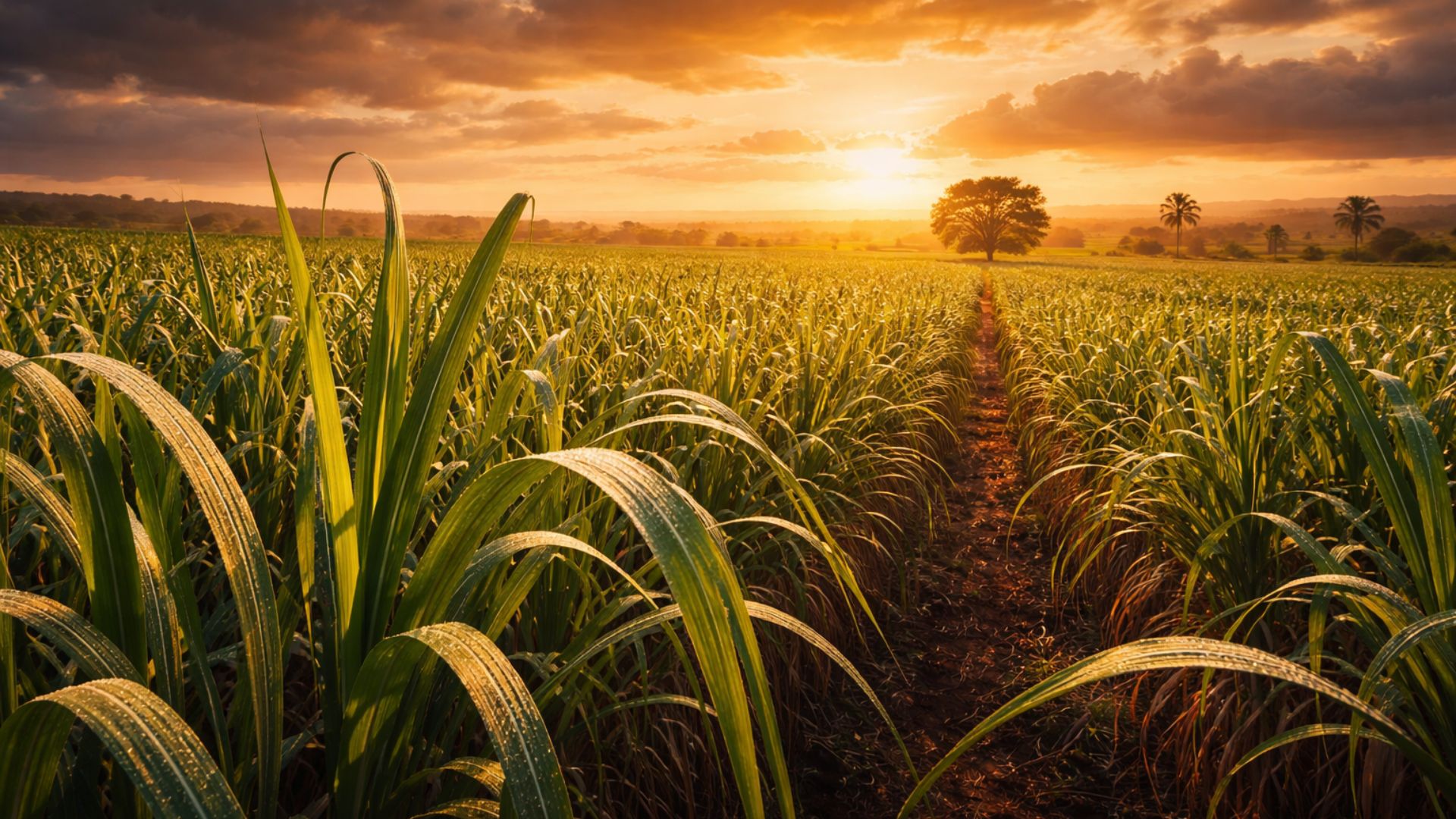
Brazil gains global highlighting by reducing effects of the oil price increase with an energy strategy based on biofuels, points The Economist, reinforcing economic resilience and less impact on the consumer in international crises
Brazil has caught the world’s attention by demonstrating an unusual ability to face global energy crises. According to information from The Economist, published by CNN Brasil, the country has a true “secret weapon” against oil shocks, which allows it to reduce economic impacts even during times of strong international instability.
This advantage did not arise recently. It is the result of decades of investment, strategic planning, and the development of a diversified energy matrix. In a global scenario pressured by conflicts in the Middle East and fluctuations in the international market, few countries exhibit the same resilience as Brazil.
Right at the beginning of the analysis, the British publication highlights that this differentiated preparation places the country in a safer position compared to major economies that depend almost exclusively on oil.
-
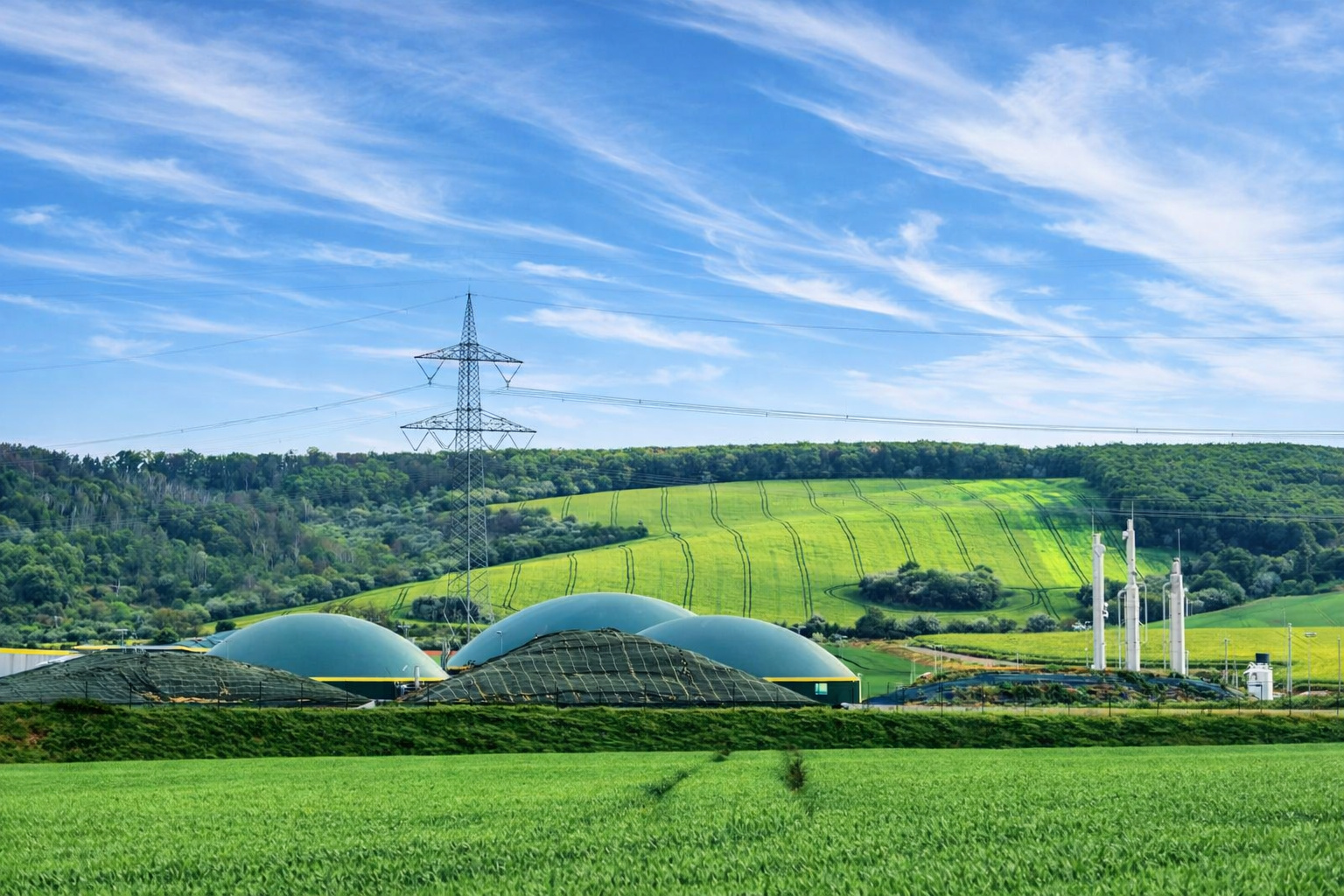
Brazil accelerates decarbonization in the South: International forum in Foz do Iguaçu gathers leaders to discuss the advancement of biomethane in the energy matrix and the potential of “caipira pre-salt.”
-
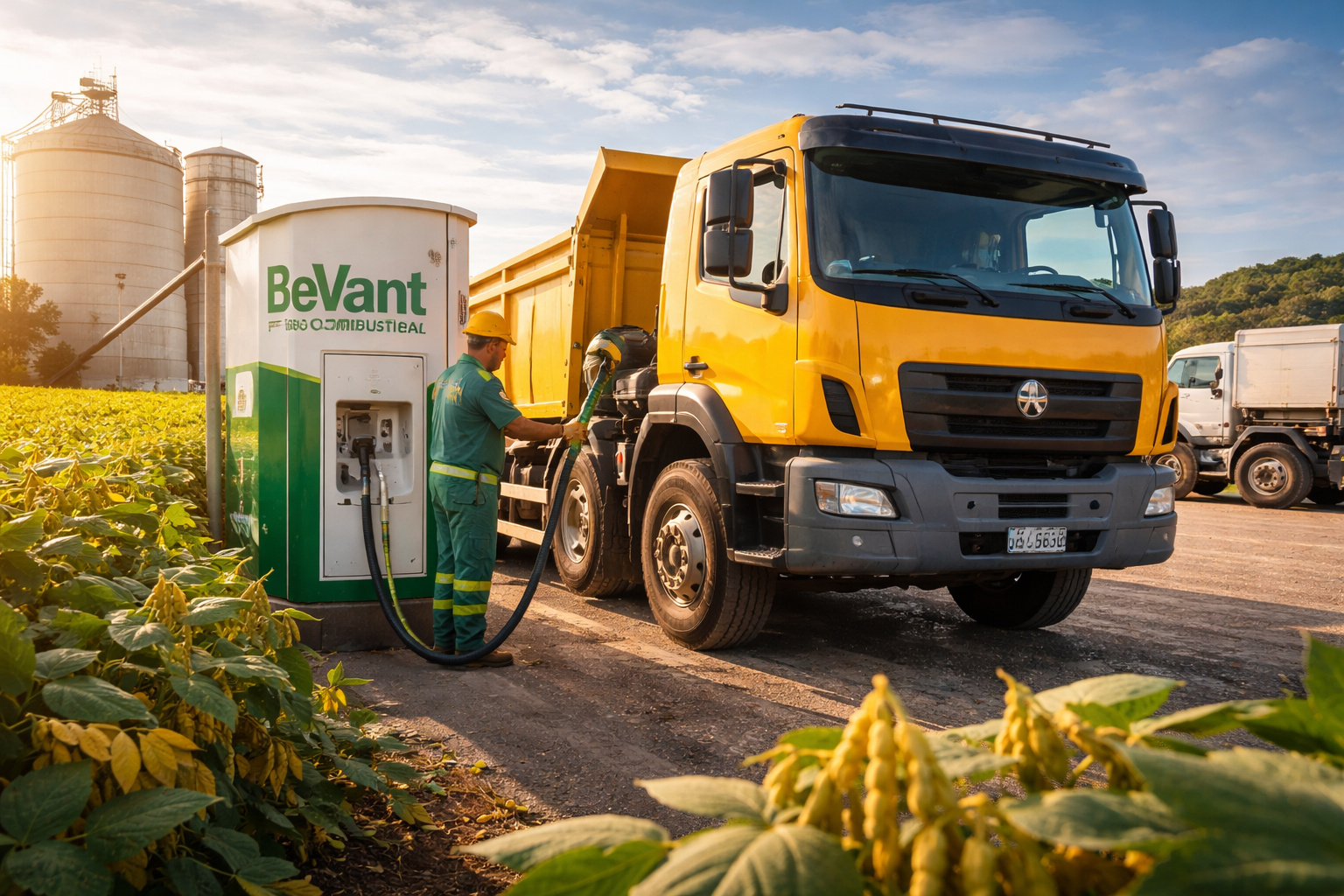
As diesel prices soar due to conflicts in the Middle East, a Brazilian city decides to test a little-known biofuel that promises to completely replace fossil fuel without adaptation and could change the future of energy in the country.
-
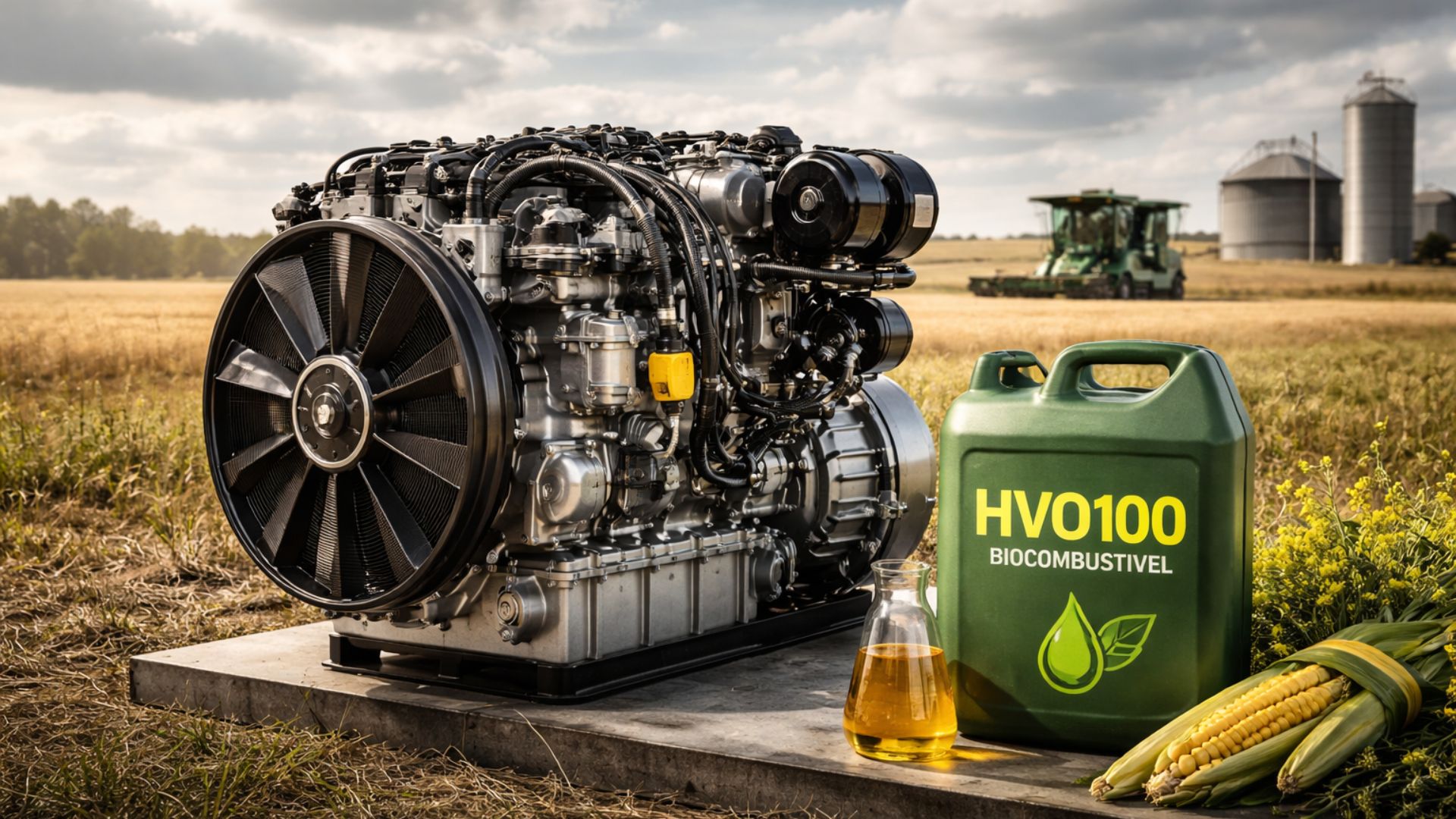
Innovation with biofuel engines transforms agribusiness by replacing diesel without the need for major adaptations, ensuring energy efficiency and helping to reduce dependence on oil.
-
Used Cooking Oil Transforms Into Kerosene: How 1 Million Tons of Used Fat Are at the Center of an Aviation Fuel Market That Could Attract Over $1 Trillion in Investments, Already Fuels Planes with Up to 80% Lower Emissions, and Triggered a Global Competition for This Waste
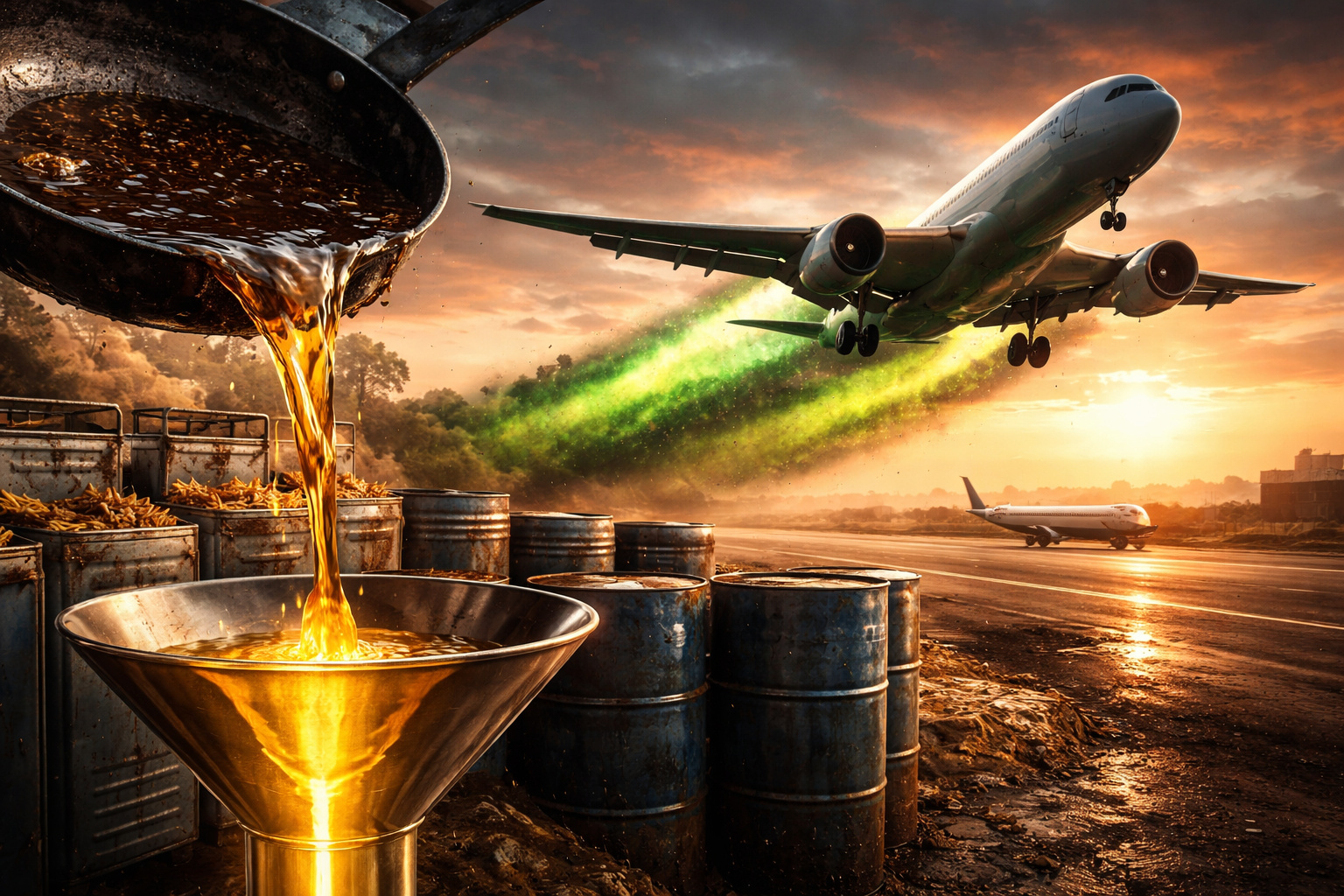

The Economist reveals why Brazil better endures global oil crises
The Economist emphasizes that Brazil has built, over the last half-century, one of the most sophisticated energy structures in the world. This process has been driven by consistent public policies and a long-term strategic vision.
Unlike many countries, Brazil has not been held hostage solely by oil. By diversifying its energy matrix, it has created mechanisms that help cushion the impacts of external crises.
This preparation becomes evident in moments of global tension. When oil prices surge, highly dependent economies suffer immediate and significant increases. Brazil, on the other hand, manages to absorb part of this impact, avoiding such abrupt transfers to the final consumer.
How Brazil developed its “secret weapon” over decades
The construction of this strategic advantage is directly linked to decisions made back in the 1970s. The country was facing an international oil crisis and needed to reduce its external dependence.
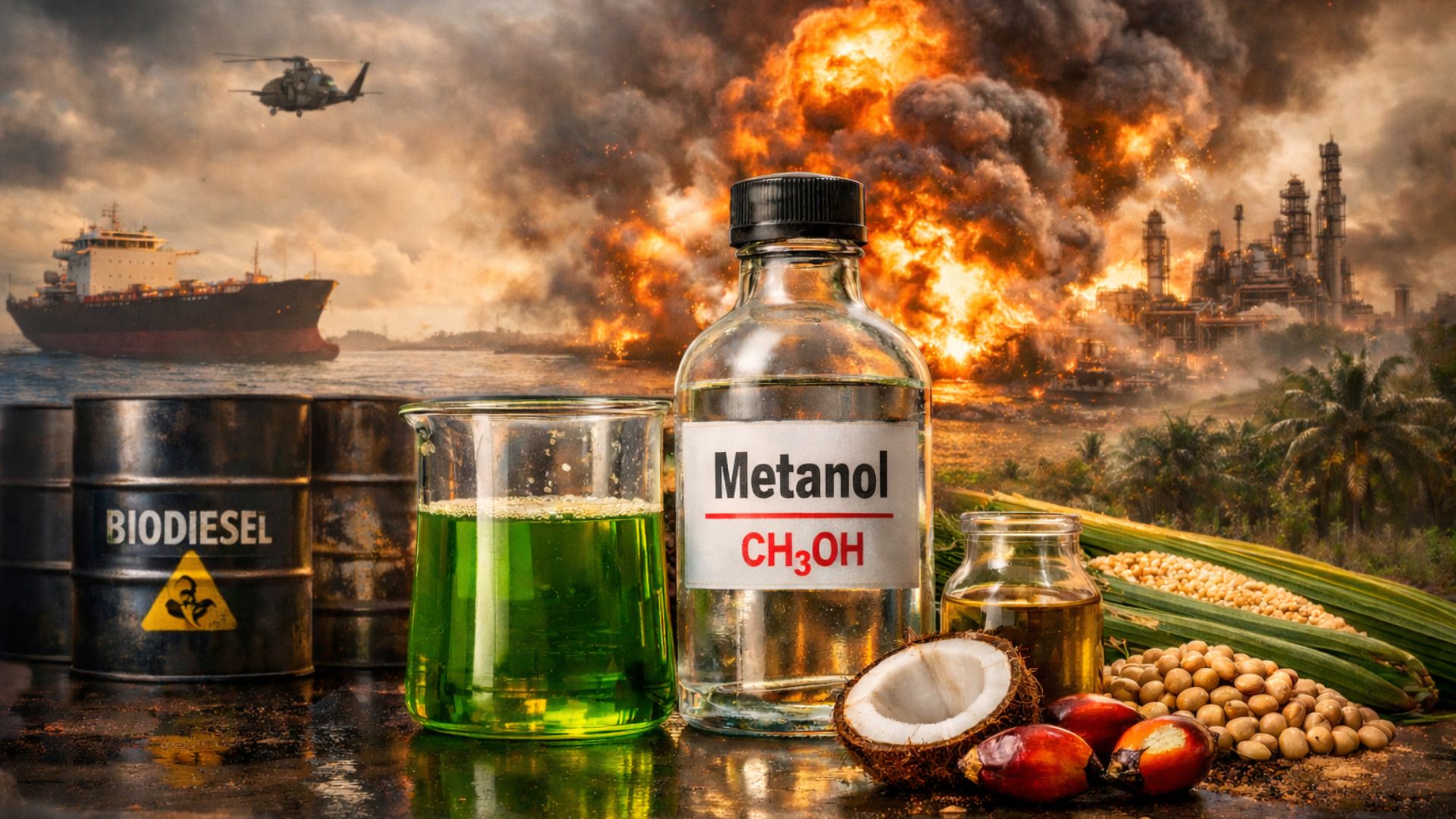
It was in this context that programs like Proálcool emerged, which encouraged the large-scale production of ethanol. Over the years, Brazil also invested in the development of biodiesel, further expanding its energy alternatives.
This history allowed the country to create a solid foundation. Today, this structure is considered one of the most advanced in the world, according to The Economist itself.


Biofuels gain highlighting as a differential against oil
The biofuels play a central role in this strategy. Brazil is the second-largest producer of ethanol in the world and the third-largest of biodiesel, which reinforces its prominent position in the global scenario.
In addition to large-scale production, there is another important factor: flexibility in consumption. About three-quarters of light vehicles in the country have technology that allows them to use both gasoline and ethanol.
This factor completely changes the dynamics of the internal market. When oil prices rise, consumers have more accessible alternatives, which reduces pressure on prices.
Among the main benefits of this structure, the following stand out:
- Greater independence from imported oil
- Reduction of inflationary impacts on fuels
- Stimulus to agricultural and industrial economies
- Greater stability during periods of global crisis
This set of factors helps explain why Brazil can better handle fluctuations in the international market.
International comparison reinforces Brazil’s advantage in oil prices
The analysis by The Economist presents numbers that help illustrate this advantage. Since the onset of recent conflicts, fuel prices have risen differently among countries.
In Brazil, gasoline recorded an increase of about 10%, while diesel rose approximately 20%. In the United States, the increases were much more significant, ranging from 30% to 40%.
This difference is not casual. It is directly linked to Brazil’s ability to reduce its dependence on oil at certain times. In practice, this means that Brazilian consumers tend to feel the immediate effects of global crises less, even though there is still an impact.

The Economist highlights biofuels as a strategic pillar of Brazil
For The Economist, biofuels are an essential part of Brazil’s “secret weapon.” They serve as a viable alternative to oil, especially during times of rising international prices.
Even being a major exporter of crude oil, Brazil still imports about 10% of the gasoline and 25% of the diesel it consumes. This shows that external dependence still exists, but it is partially compensated by other sources.
Moreover, biofuels contribute to important environmental goals, such as reducing greenhouse gas emissions.
Another relevant point is that this industry strengthens the national agribusiness, creating a positive economic cycle that involves agricultural production, industry, and energy.
Political decisions shaped the strength of biofuels in Brazil
The development of biofuels in Brazil did not happen by chance. It was the result of strategic public policies that encouraged the sector over decades.
Previous governments implemented measures that stimulated both production and consumption. Among them, the following stand out:
- Tax incentives for ethanol and biodiesel production
- Incentive programs for cultivating raw materials such as soybeans
- Expansion of distribution infrastructure
- Encouragement of flex vehicle technology
These actions created a favorable environment for the sector’s growth. As a result, Brazil has established itself as a global reference in renewable energy.
The Economist itself recalls that different governments contributed to this advancement, including initiatives during the first term of Luiz Inácio Lula da Silva.

Balance between oil and biofuels ensures economic resilience
One of Brazil’s greatest differentiators lies in its ability to balance different energy sources. The country does not depend exclusively on oil, but it has not abandoned this resource either.
This combination allows for greater flexibility in the face of crises. When oil prices rise, biofuels help mitigate the impacts. When prices are more stable, the market adjusts naturally.
This hybrid model offers important advantages:
- Reduction of external vulnerability
- Greater economic predictability
- Security in internal supply
- Ability to adapt to global scenarios
This balance is seen as one of the main reasons why Brazil can navigate periods of instability with less turbulence.
Limitations show that not even the “secret weapon” eliminates oil impacts
Despite all the advances, The Economist warns that this “secret weapon” does not completely eliminate the effects of global crises.
A clear example is the behavior of prices. When ethanol becomes cheaper than gasoline, demand increases rapidly. This can lead to a rise in the price of ethanol itself.
In other words, the system functions as a buffer, but not as a definitive solution. Still, this ability to reduce impacts already represents a significant advantage compared to countries that do not have alternatives to oil.
Brazil consolidates as an energy power with a global strategic advantage
The scenario analyzed by The Economist shows that Brazil occupies a unique position in the world. By combining oil with biofuels, the country has created a more resilient and adaptable energy model.
This strategy allows for facing crises with greater security and less economic impact. Additionally, it strengthens national sovereignty and enhances Brazil’s prominence in the international arena.
In an increasingly unstable world, this “secret weapon” may become even more relevant. More than a momentary advantage, it is a differential built over decades that continues to evolve in the face of global challenges.






Seja o primeiro a reagir!