





 English
  Francês
  Alemão
  Italiano
  Japonês
  Norueguês
  Portuguese
  Spanish
 6 min of reading
  0 comments


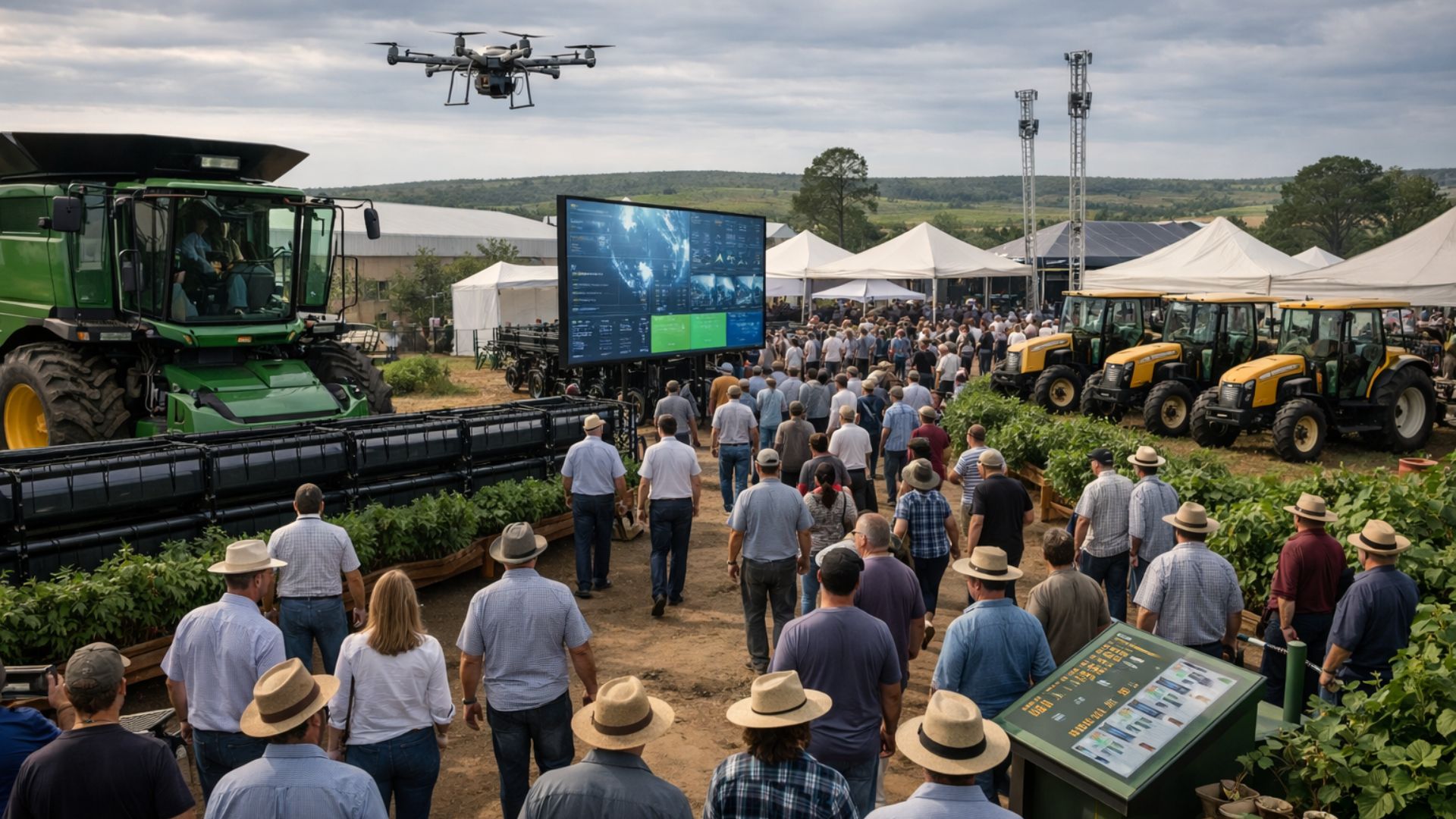
Fair in Mato Grosso brings together innovations in agribusiness with technological solutions that increase productivity, reduce losses in the field, and show trends that can transform the routine of rural producers in Brazil
The Show Safra Fair, held in Lucas do Rio Verde, about 332 km from Cuiabá, reinforces the prominence of Mato Grosso in the national scenario by presenting technological solutions that promise to bring changes to the agribusiness. According to updates from G1, the event gathers approximately 600 exhibitors and is expected to attract around 190,000 visitors between March 23 and 27.
Right from the first days, the Fair highlights a clear movement: technology has ceased to be a trend and has consolidated itself as a necessity for rural producers seeking efficiency, reduction of losses, and increased productivity. In a state that leads agricultural production in the country, investing in technological solutions is essential to maintain competitiveness.
In addition to the technological impact, the event also boosts the local economy. The organization estimates the generation of around three thousand temporary jobs during the five days of programming, reinforcing the relevance of the Fair for regional development.
-
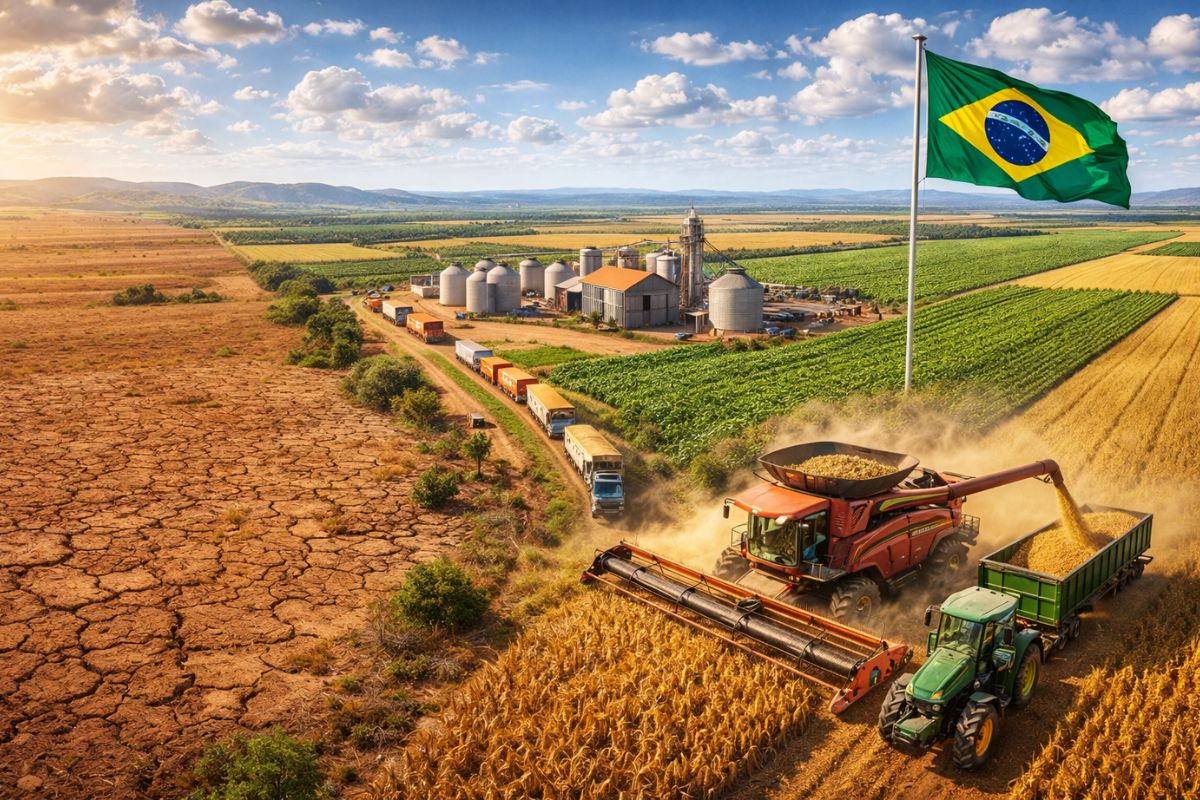
Forgotten region becomes a powerhouse in the heart of Brazil, transforming unproductive lands into fortune and making MATOPIBA the new billion-dollar agricultural empire that almost no one saw being born.
-
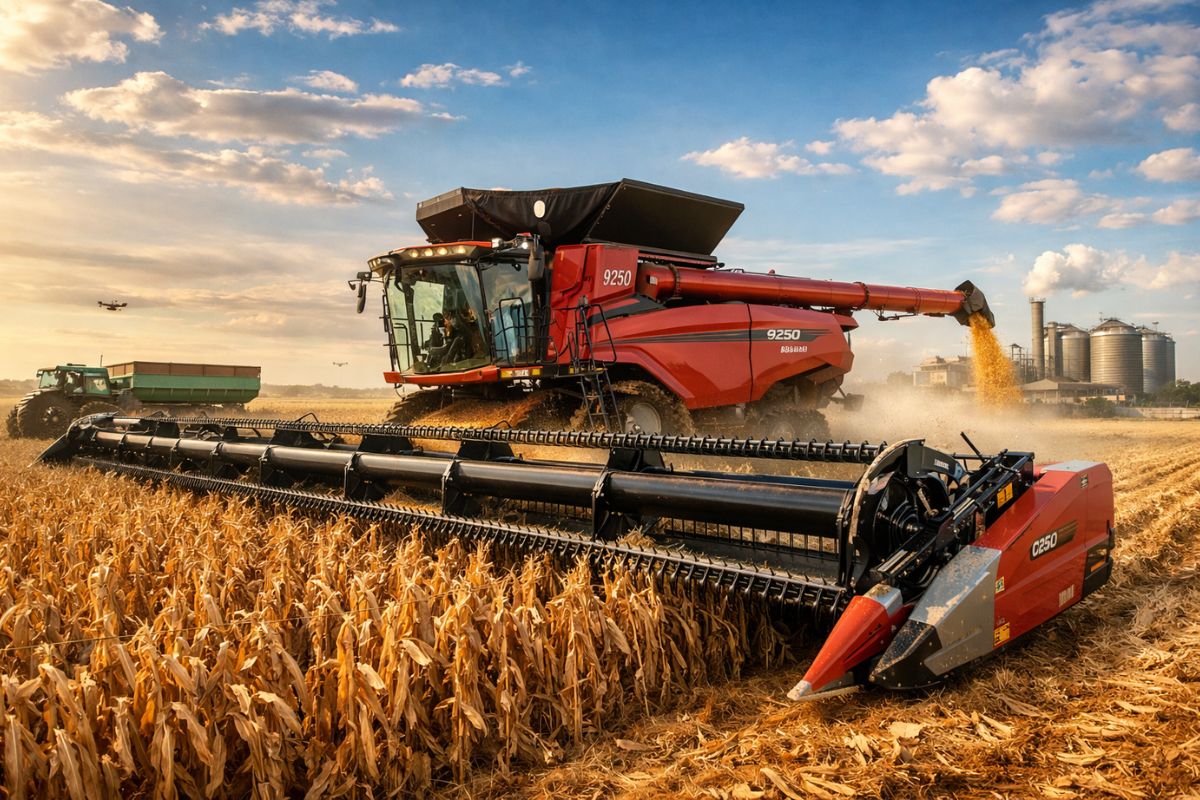
With a 775 hp engine, the world’s largest axial combine harvester arrives in Brazil, promising to harvest more in less time with advanced automation and the capacity for platforms up to 61 feet.
-
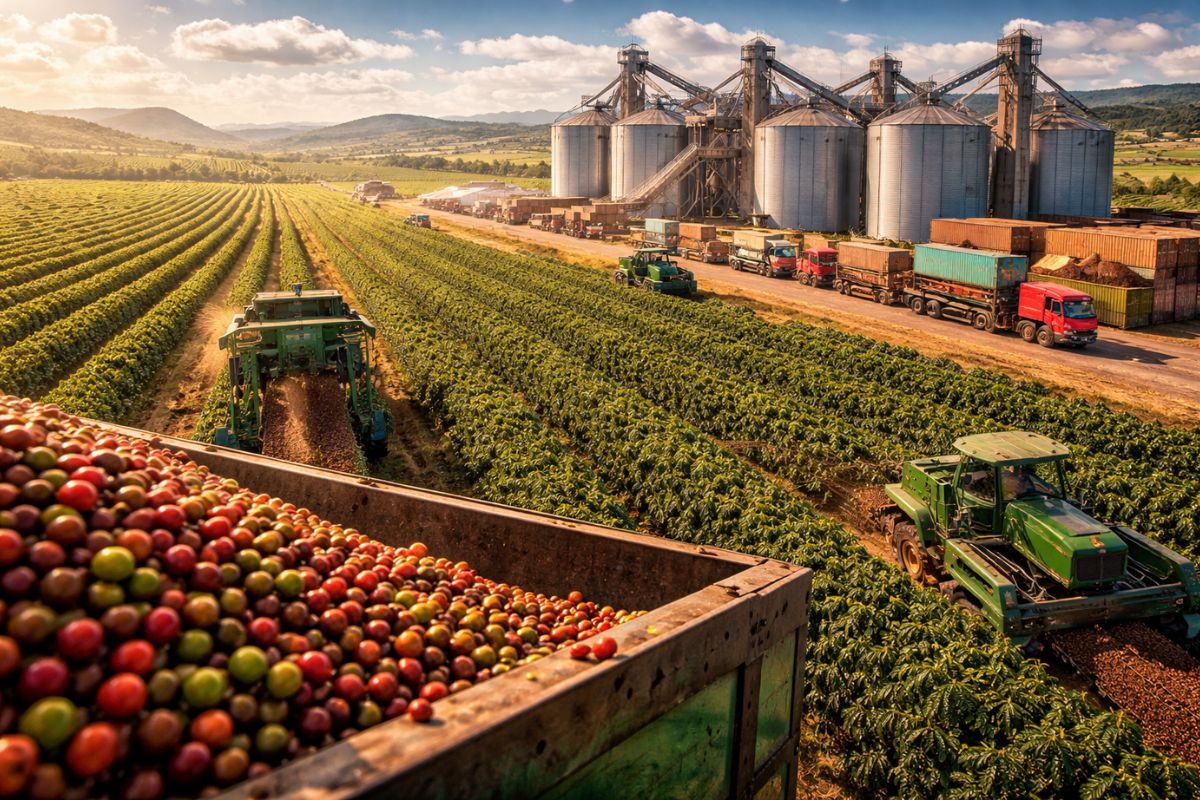
With 18 million feet, giant farms, and 2.2 million sacks per year, a mining group is building a coffee empire in Brazil with heavy mechanization, giant silos, and exports to various continents.
-
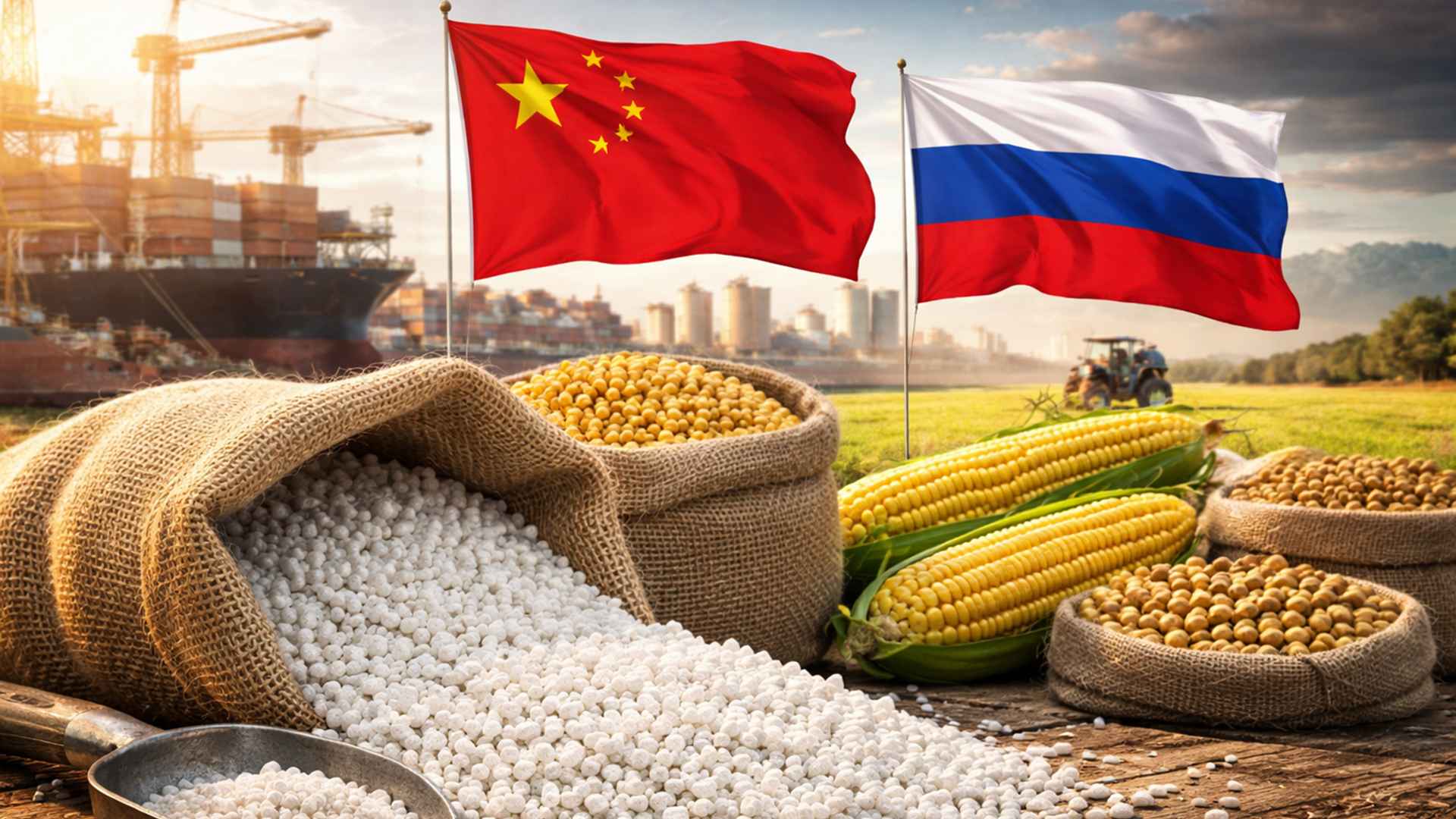
China and Russia suspend fertilizer exports, prices soar, and Brazil is already at real risk of shortages in the fields.

Grand structure and technological solutions that catch attention at the Fair
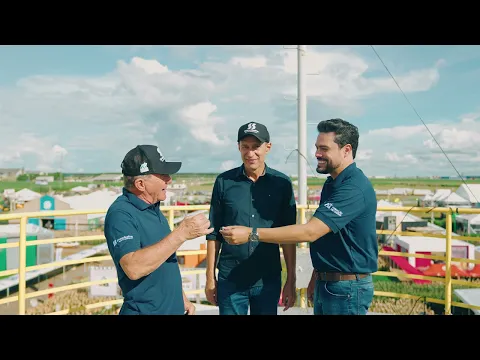
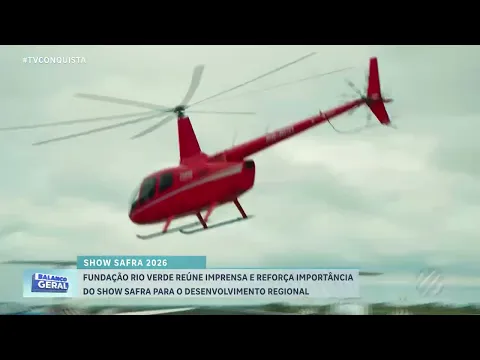
The size of the Fair impresses not only by the number of visitors but also by the infrastructure. The event features a runway prepared for planes and helicopters, with a forecast of up to 240 landings and takeoffs throughout the program.
This intense flow reflects the growing interest of the sector in technological solutions applied to agribusiness. Large machines, automated equipment, and digital systems dominate the space, practically demonstrating how the field is becoming increasingly connected.
Among the main highlights presented at the Fair are:
- Intelligent agricultural machines with a high level of automation
- Real-time monitoring systems for crops
- Connectivity technologies for rural areas
- Digital agricultural management platforms
- Equipment that increases precision in planting and harvesting
These technological solutions allow rural producers in Mato Grosso to have greater control over all stages of production, reducing failures and improving results.

The role of Mato Grosso in the advancement of Brazilian agribusiness
The growth of the Fair is directly linked to the strength of Mato Grosso in agribusiness. The state leads grain production in Brazil and plays a relevant role in national agricultural production and exports.
In 2025, the Gross Domestic Product of agribusiness in the state recorded growth of approximately 11.7%, driven mainly by the record grain harvest. It is estimated that about one-third of this national production originates from Mato Grosso territory.
This expansion scenario increases the demand for technological solutions capable of serving increasingly larger and more complex properties. The Fair emerges as an essential meeting point to connect innovation and large-scale production.
How the technological solutions presented at the Fair reduce losses in the field
One of the major challenges of agribusiness is to avoid losses during the production cycle. In this sense, the technological solutions displayed at the Fair offer practical and efficient answers.
Data-driven tools allow for predicting weather conditions, identifying soil failures, and adjusting input usage with greater precision. This can reduce waste and improve production utilization.
Among the main benefits of these technologies are:
- Reduction of losses during harvesting
- More efficient use of fertilizers and pesticides
- Better planning of harvests
- Constant monitoring of crop conditions
For rural producers in Mato Grosso, these advances represent not only savings but also greater predictability and security in operations.
Artificial intelligence and connectivity gain space in agribusiness
The presence of artificial intelligence at the Fair demonstrates a profound transformation in agribusiness. Intelligent systems are already capable of analyzing large volumes of data and generating real-time recommendations.
These technological solutions help producers make more assertive decisions, from the moment of planting to the commercialization of production. In productive regions of Mato Grosso, where every detail impacts the final result, this precision can make all the difference.
Connectivity also stands out as one of the pillars of this evolution. With internet access in the field, it becomes possible to integrate machines, sensors, and digital platforms into a single system.
In practice, this means:
- Greater real-time control of production
- Quick responses to climate changes
- Data integration for strategic decisions
- Increased operational efficiency
The Fair shows that the future of the field tends to be increasingly linked to digitalization and the intelligent use of information.
Sustainability and efficiency come into the radar of agribusiness in Mato Grosso
Sustainability has gained significant space in the programming of the Fair, reflecting a growing concern within agribusiness. In Mato Grosso, where agricultural production is intense, sustainable practices are increasingly necessary.
The technological solutions presented include precision agriculture, rational use of natural resources, and environmental monitoring. These tools allow for producing more with less impact, balancing productivity and preservation.
During the panels, experts highlighted the effects of climate change and the need for the sector to adapt. Technology appears as an essential ally in this process, offering alternatives to make production more resilient.
Fair promotes debates on innovation, education, and the future of the field
More than just an exhibition of equipment, the Fair also serves as a space for knowledge exchange. The programming includes lectures and panels discussing trends and challenges in agribusiness.
Among the topics addressed are:
- Use of artificial intelligence in the field
- New directions for the agricultural sector
- Strategies for increasing productivity
- Training new generations in the field
- Women’s participation in rural management
These debates show that the future of agribusiness in Mato Grosso depends not only on technology but also on qualification and inclusion. The Fair reinforces the importance of preparing producers and professionals for an increasingly technological and competitive scenario.

Economic impact and projections reinforce the strength of the Fair in the state
The economic impact of the Fair goes beyond the agricultural sector. The event stimulates various segments, such as commerce, services, and logistics, strengthening the economy of Mato Grosso.
The generation of approximately three thousand temporary jobs during the five days of the event demonstrates the scale of this movement. Additionally, the flow of visitors contributes to the increase of local income.
The structure of the event, with the capacity to accommodate aircraft and a large volume of public, reinforces its importance in the calendar of Brazilian agribusiness. With the continuous expansion of the sector and the advancement of technological solutions, the trend is that the Fair will grow even more in the coming years, attracting new investments and expanding its reach.
An event that connects innovation, productivity, and the future of the field
The Show Safra Fair establishes itself as one of the main meeting points of agribusiness in Mato Grosso, bringing together technological solutions that directly impact productivity and efficiency in the field.
By presenting tools that reduce losses, increase production control, and promote sustainability, the event shows that technology is the way to face the challenges of the sector.
More than a showcase of innovation, the Fair represents a real opportunity for transformation for rural producers. In a scenario of growth and competitiveness, investing in technological solutions is no longer optional but essential to ensure better results in the field.








Seja o primeiro a reagir!