





 English
  Francês
  Alemão
  Italiano
  Japonês
  Norueguês
  Portuguese
  Spanish
  5 min of reading
  0 comments


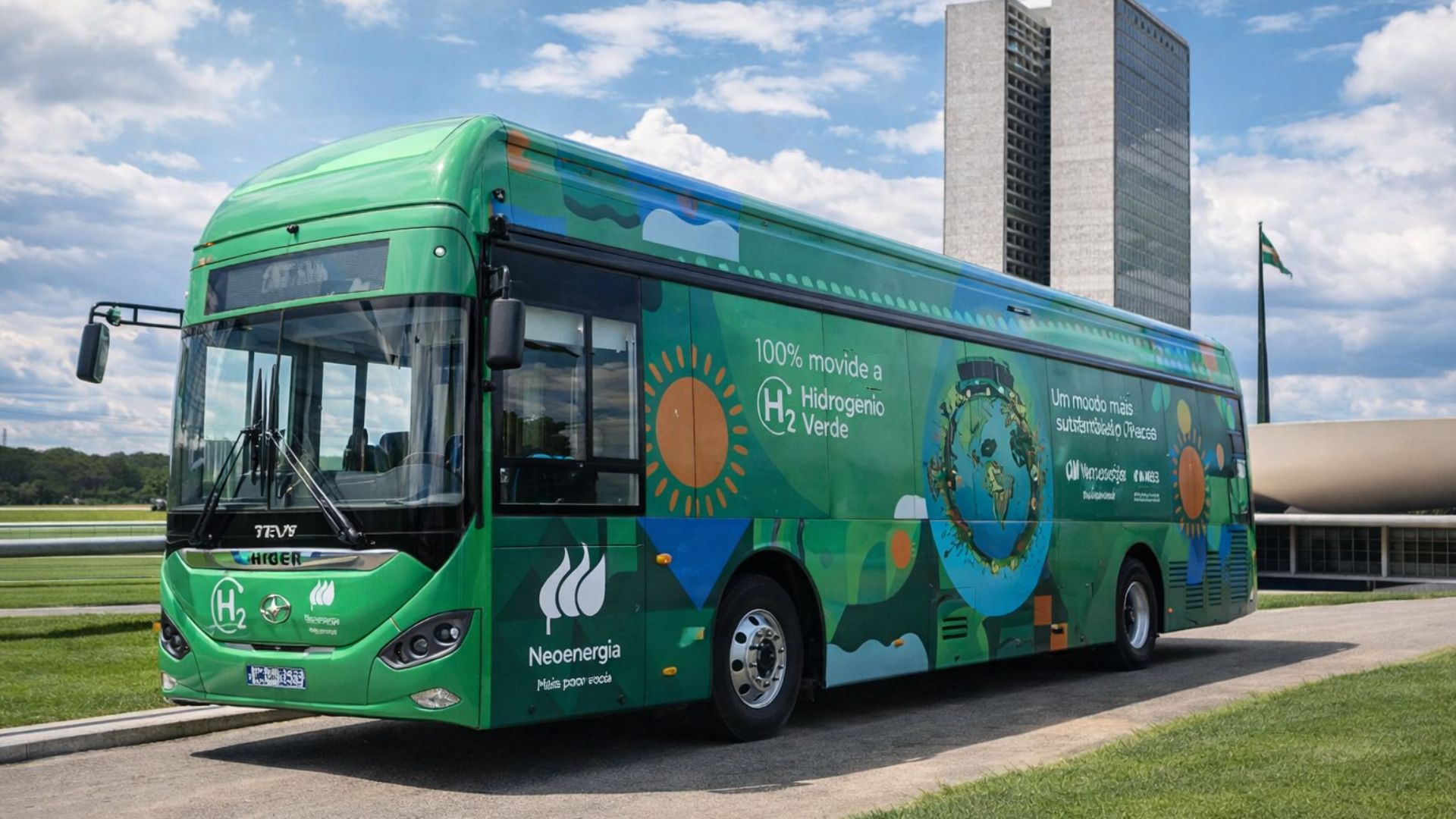
Discover how the Federal District boosts innovation with a green hydrogen bus on a free tourist route, reducing emissions, promoting clean mobility, and transforming the urban experience in Brasília
The Federal District has begun a new phase in urban mobility by putting into operation the first green hydrogen bus in Brazil on a free tourist route. The initiative, led by Neoenergia in partnership with the Government of the Federal District and TEVX Motors Group, represents a concrete advance in innovation and sustainability, with a direct impact on reducing emissions and modernizing public transport.
According to a publication from Neoenergia, the project was launched in Taguatinga, where the country’s first green hydrogen refueling station is also located. The bus is already operating on the civic route called Rota Monumental, connecting some of Brasília’s main landmarks. The proposal combines technology, tourism, and environmental responsibility in an accessible experience for residents and visitors.
Federal District expands innovation in transport with green hydrogen bus on tourist route
The creation of the new tourist route marks a strategic moment for the Federal District, which now joins the group of regions investing in clean and smart solutions. The use of a green hydrogen bus places Brasília at the forefront of innovation in urban mobility.
-
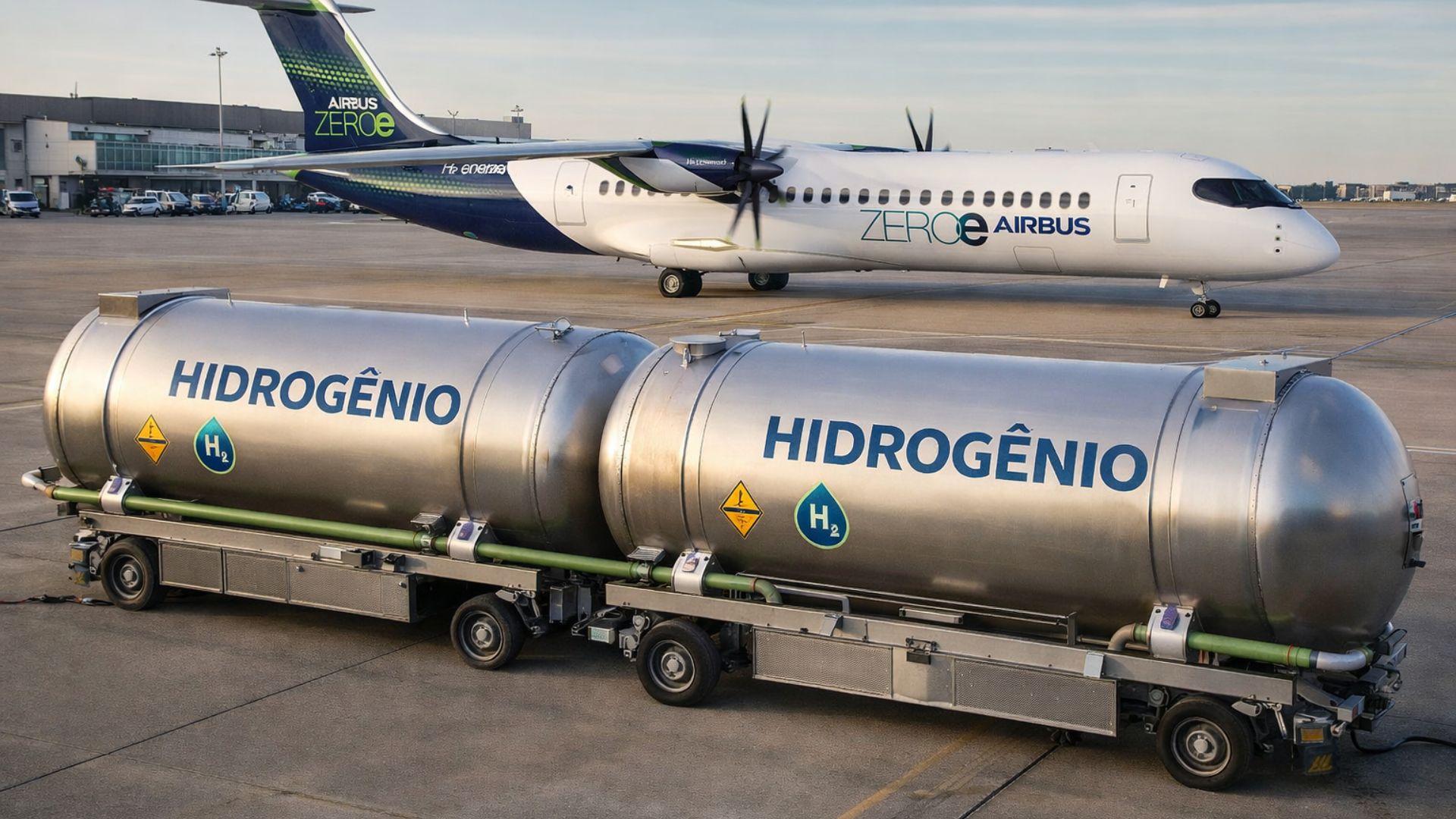
Hydrogen gains strength in aviation with Airbus and its fuel cell aircraft, potentially paving the way for sustainable flights, reduced environmental impact, and a new energy era in global air transport.
-
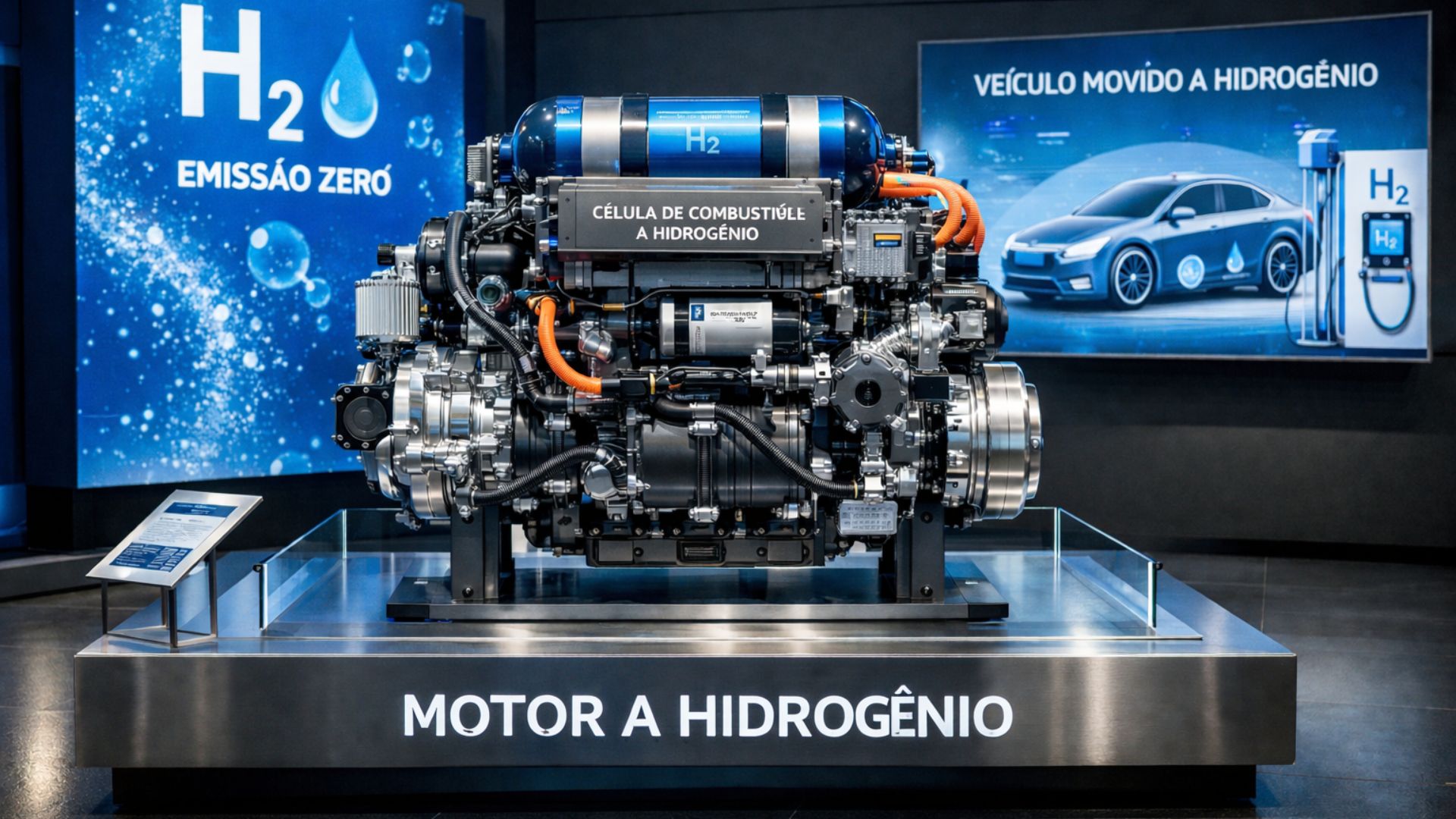
Hydrogen Engine Promises to Revolutionize Automotive Market and Creates a New Technological Horizon, But Economic Challenges Explain Global Resistance from Manufacturers
-
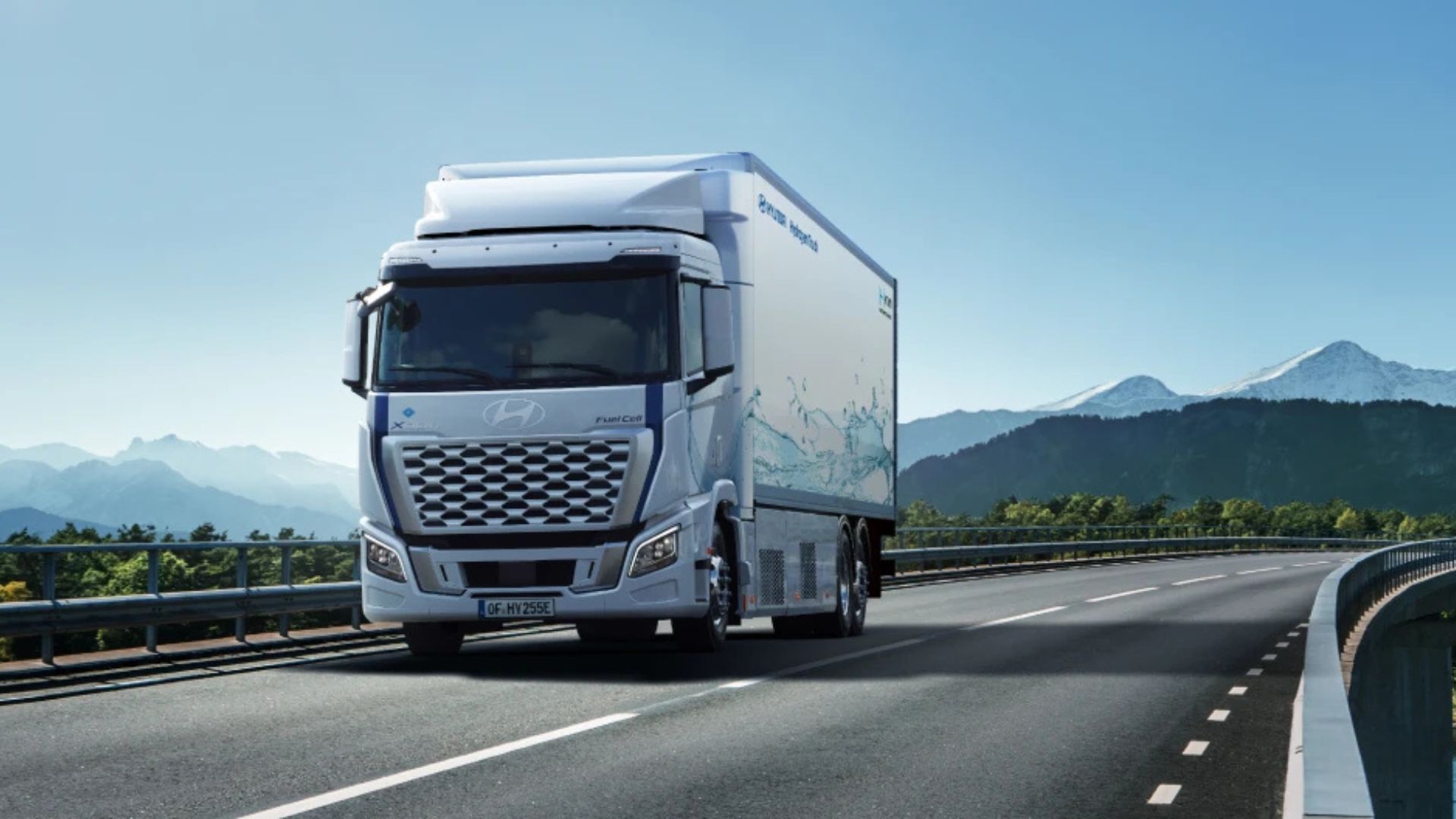
Hyundai XCIENT Fuel Cell Reaches 20 Million Km in Europe in Sustainable Logistics: Historic Milestone for Hydrogen Truck Fleet and Advancement of Global Clean Mobility
-
Mercedes-Benz NextGenH2: New Hydrogen Truck with 100 Units in 2026, Range of 1,000 Km, and Fuel Cell Technology for Sustainable Transport

The route was designed to highlight the cultural heritage of the capital. The journey starts at the TV Tower and passes iconic locations such as the National Museum, the Metropolitan Cathedral, the Esplanade of the Ministries, the Plaza of the Three Powers, and the National Theater.
With an average duration of 1 hour and 30 minutes, the tour includes two main stops: at the Cathedral and the Plaza of the Three Powers. During these breaks, visitors can get off, explore the spaces, and take pictures. Initially, the route operates on Saturdays at 10 a.m., with the possibility of expanding to up to three days a week, including Fridays and Sundays.
Clean technology of the green hydrogen bus reinforces innovation in the Federal District
The major differentiator of the project lies in the embedded technology. The green hydrogen bus uses a fuel cell that transforms hydrogen into electricity through a reaction with oxygen from the air.
This process is considered one of the main global bets in energy innovation, as it does not generate pollutants. During operation, the vehicle only releases water vapor, eliminating harmful emissions.
Among the main technical data of the model are:
- Capacity for 71 passengers, with 31 seated and 40 standing
- Approximate range of 300 kilometers
- Refueling time between 10 and 15 minutes
- Zero emission of polluting gases
These characteristics make the project a milestone for the Federal District, demonstrating that it is possible to adopt sustainable solutions without compromising operational efficiency.
Infrastructure in Taguatinga sustains advancement of green hydrogen in the Federal District
To enable the operation of the new vehicle, a unique structure was built in Brazil. Neoenergia’s green hydrogen plant, located in Taguatinga, received investments exceeding R$ 30 million.
The fuel production process occurs through the electrolysis of water, which separates hydrogen from oxygen using energy from a photovoltaic plant. This ensures that the entire cycle is based on renewable sources.
This combination strengthens the role of the Federal District as a hub of innovation and demonstrates the viability of using green hydrogen on a large scale in the country.
Sustainable tourist route adds value to Brasília and improves the urban experience
The new tourist route is not limited to transportation. It also enhances how residents and visitors connect with the city. The use of a green hydrogen bus adds value to the experience by combining technology and sustainability.
The tour is free and includes a specialized guide responsible for presenting the history of Brasília along the route. This transforms the journey into an educational and cultural experience.
Among the main benefits of the initiative are:
- Free access to important tourist attractions
- Enhancement of historical and cultural heritage
- Promotion of sustainable tourism
- Unique experience for visitors
With this, the Federal District reinforces its image as a modern destination, aligned with global trends of innovation and sustainability.
Project strengthens the role of the Federal District in the Brazilian energy transition
The initiative also has a direct impact on the country’s energy agenda. The use of green hydrogen is considered essential to reduce dependence on fossil fuels and advance decarbonization.
According to experts and international entities, such as the International Energy Agency, hydrogen will play a strategic role in the coming decades. The project from the Federal District shows that Brazil can actively participate in this transformation.
Moreover, the partnership between Neoenergia, the Government of the Federal District, and TEVX Motors Group reinforces the importance of collaboration between the public and private sectors to accelerate innovation.


Knowledge center expands research and innovation with green hydrogen
The structure installed in Taguatinga will not only be used for refueling. The space will also function as a research and development center focused on green hydrogen.
The proposal is to expand the use of the technology to other areas, such as industry and large-scale public transport. This movement strengthens the innovation ecosystem in the Federal District.
Among the focuses of the center are:
- Technical feasibility studies
- Development of new energy applications
- Training of specialized professionals
- Expansion of hydrogen use in different sectors
This approach amplifies the project’s impact and creates opportunities for technological advancement in Brazil.
Positive environmental impacts of the green hydrogen bus in the Federal District
The environmental benefits are one of the main pillars of the initiative. The green hydrogen bus directly contributes to reducing urban pollution and greenhouse gas emissions.
By operating without fossil fuels, the vehicle eliminates the emission of carbon dioxide and other harmful pollutants. This improves air quality and reduces environmental impacts in urban transport.
Among the main gains are:
- Reduction of carbon footprint
- Decrease in air pollution
- Lower environmental impact in public transport
- Encouragement of the use of renewable energies
The project reinforces the commitment of the Federal District to sustainable practices and highlights the role of innovation in building cleaner cities.
A new model of mobility and sustainable tourism gains strength in Brazil
The launch of the green hydrogen bus on a tourist route represents more than a one-time innovation. It is a model that can be replicated in other Brazilian cities.
The Federal District shows that it is possible to integrate mobility, tourism, and sustainability into a single solution. The initiative also paves the way for new investments and similar projects.
By combining cutting-edge technology, robust infrastructure, and free access for the population, Brasília positions itself as a national reference in innovation. The project not only improves transport but also redefines the urban experience, making it more efficient, educational, and sustainable.








Seja o primeiro a reagir!