





 English
  Francês
  Alemão
  Italiano
  Japonês
  Norueguês
  Portuguese
  Spanish
  5 min of reading
  0 comments



Understand how the rise in oil, influenced by the war in the Middle East, can increase federal government revenue, impact inflation, and influence fiscal decisions in Brazil.
The Federal Government revised its fiscal projections and estimates an additional gain of R$ 16.7 billion in revenue from the exploration of natural resources, driven by the rise in oil amid the war in the Middle East. According to information from CNN Brasil, the update is included in the Revenue and Expenditure Assessment Report and reflects the strong appreciation of the barrel in the international market.
Initially, the Annual Budget Law projected revenues of R$ 160.4 billion from natural resources. Now, this amount has been revised to R$ 177.1 billion, highlighting the direct impact of the commodity on public accounts. The economic team considered an average barrel price of US$ 73.09, but Brent — the global benchmark — has once again surpassed US$ 100, which could further increase these estimates.
This scenario places Brazil in a peculiar position: while facing inflationary pressures, it also benefits from increased oil revenue.
-
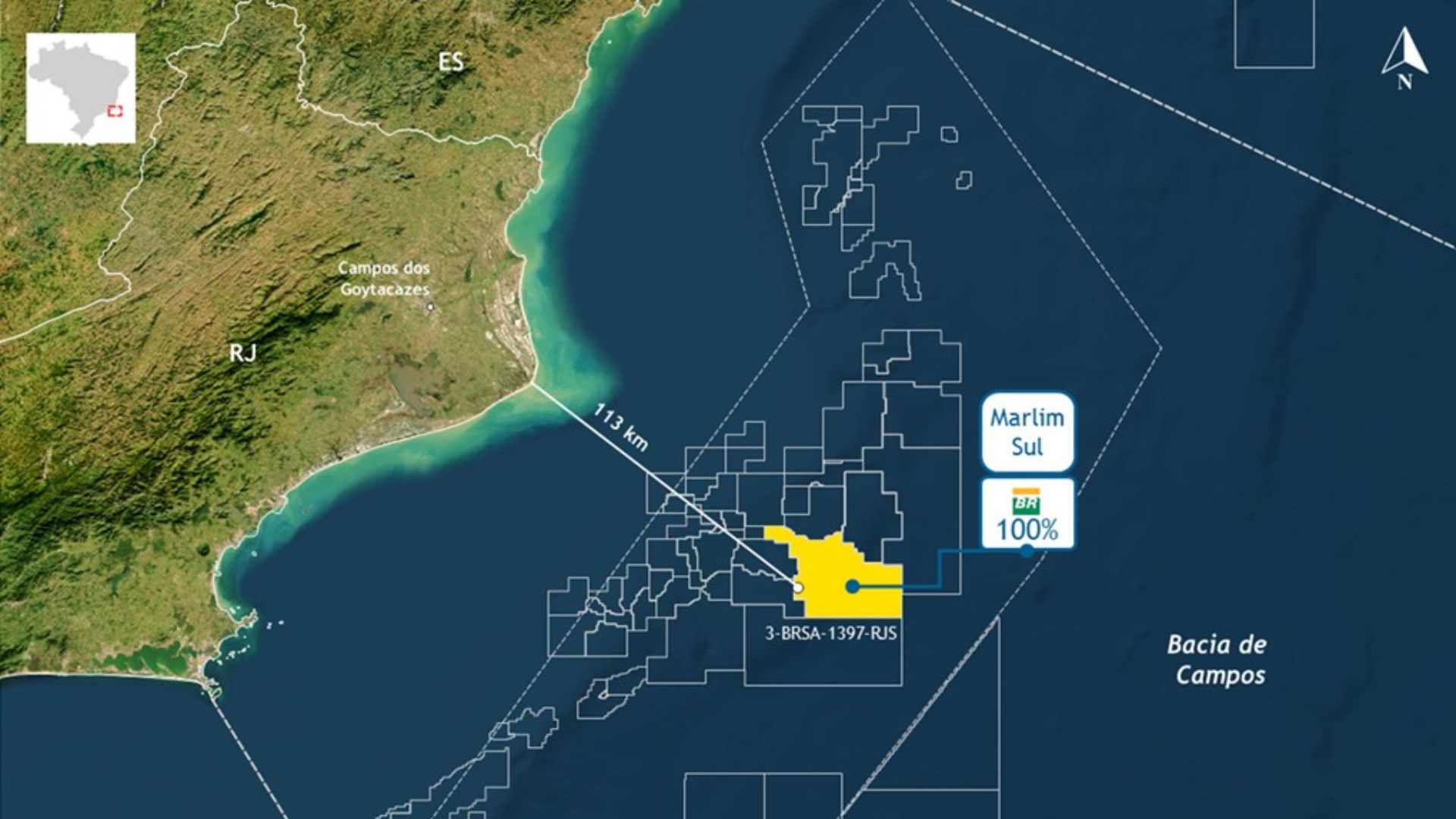
Petrobras announces new oil discovery in the pre-salt of the Campos Basin and reinforces Brazil’s prominence with high-quality reserves that can increase production and energy revenues.
-
Alert in the fuel market: Analysts and a former director of ANP warn that oil prices may worsen in the coming months due to global instability.

-
Ocyan brings executives and digital solutions to Macaé Energy 2026 and highlights offshore expansion with Nexio and a new base in Macaé.

-
Petrobras advances 4.6% with rising oil prices and the dollar, reigniting the debate on macro risks, pricing policy, and fiscal impact in Brazil.

Federal Government bets on oil amid the war in the Middle East to reinforce revenues
The strategy of the Federal Government is directly linked to the international dynamics of oil. The war in the Middle East has generated uncertainties about global supply, which drives prices up and benefits producing countries.
According to the Federal Budget Secretary, Clayton Montes, the increase in revenue is essentially due to the variation in barrel prices. He classified the movement as an “excess revenue” of about R$ 16.7 billion.
Meanwhile, the Executive Secretary of the Ministry of Finance, Rogério Ceron, indicated that the scenario could be even more favorable if the average barrel price remains above US$ 90. This reinforces the dependence of Brazilian public accounts on the performance of the international energy market.
How the war in the Middle East alters the price of oil and influences revenue
The influence of the war in the Middle East on the oil market is not new, but it gains intensity during moments of escalation of the conflict. The region concentrates large global producers, and any instability directly affects the supply chain.
When there is geopolitical risk, investors tend to raise the price of the barrel as a form of protection. This generates an immediate effect:
- increased revenues for producing countries
- greater volatility in global markets
- pressure on importing economies
For Brazil, the impact is twofold. On one hand, there is an increase in revenue from royalties and special participations. On the other hand, fuel costs tend to rise, affecting consumers and businesses.


Federal Government, oil, and revenue: direct impact on public accounts
The increase in revenue from oil has a direct effect on the fiscal balance of the Federal Government. The additional inflow of resources can help reduce deficits and expand public investment capacity.
Still, the fiscal scenario for 2026 remains challenging. The official target is a primary surplus of 0.25% of GDP, but initial projections indicate a significant reduction in the expected result.
The surplus estimate fell from R$ 34.9 billion to just R$ 3.5 billion, already considering legal deductions. Without these discounts, the government projects a deficit of R$ 59.8 billion.
Additionally, R$ 63.4 billion in legal exceptions were considered, such as the payment of court orders, highlighting the complexity of Brazilian public accounts.
Fiscal renunciation reduces gains even with the rise in oil prices
Despite the increase in revenue from oil, the Federal Government had to adopt measures to contain the effects of rising fuel prices. One of the main decisions was to eliminate the collection of PIS/Cofins on the import and distribution of diesel.
This action had a direct impact on tax revenue, generating a decrease of approximately R$ 21 billion in receipts.
The main effects were:
- Cofins: reduction of R$ 13.5 billion
- PIS/Pasep: drop of R$ 7.5 billion
This strategy aims to alleviate the cost of diesel, essential for transportation and logistics in the country. However, it also reduces part of the gain obtained from the appreciation of oil.
War in the Middle East pressures inflation and challenges economic policy
The rise in oil caused by the war in the Middle East does not only impact revenue. It also pressures inflation, creating an additional challenge for the Federal Government and the Central Bank.
Fuels have a significant weight in the economy and influence various sectors. Among the main effects are:
- increase in transportation costs
- rise in food prices
- impact on industrial costs
Even with measures to contain diesel prices, the global scenario tends to reflect in the domestic market. This may lead to adjustments in monetary policy, such as maintaining high interest rates for a longer period.

Spending control comes into play with budget freeze for 2026
To maintain fiscal balance, the Federal Government also adopted measures to contain expenses. A freeze of R$ 1.6 billion was implemented in the 2026 budget, affecting discretionary spending.
This mechanism is used when mandatory expenses exceed the limits established by the fiscal framework. The ceiling was set at R$ 2.392 trillion, but expenses reached R$ 2.394 trillion in the first two months.
The increase was primarily driven by:
- Continuous Benefit Payment (BPC): increase of R$ 1.9 billion
- National School Feeding Program: increase of R$ 1.4 billion
These numbers show that, even with increased revenue, spending control remains essential to avoid imbalances.
Global oil scenario may expand revenue in the coming months
The projections of the Federal Government indicate that revenue may grow even more, depending on the behavior of oil in the international market.
If the barrel remains above US$ 90, as indicated by the economic team, the positive impact on revenues will be amplified. However, this scenario depends on external factors, especially the evolution of the war in the Middle East.
In addition to the conflict, other elements influence the market:
- OPEC decisions on production
- growth in global demand
- performance of major economies
This combination makes the scenario unpredictable, requiring caution in the formulation of public policies.
Between opportunities and risks, oil redefines the course of public accounts
The increase in revenue from oil represents an important opportunity for the Federal Government, especially at a time of strong fiscal pressure. The estimated gain of R$ 16.7 billion helps to ease the budget and creates space for strategic adjustments.
On the other hand, challenges remain evident. Pressured inflation, the fiscal renunciation of R$ 21 billion, and the freeze on expenses show that fiscal balance still requires constant attention.
The dependence on the international scenario also reinforces the need for diversification of revenue sources. Oil may boost revenue in the short term, but it does not replace structural reforms.
In light of this, Brazil remains in a delicate balance point: it takes advantage of the gains generated by the war in the Middle East but must deal with the side effects that accompany the appreciation of oil.









Seja o primeiro a reagir!