





 English
  Francês
  Alemão
  Italiano
  Japonês
  Norueguês
  Portuguese
  Spanish
  6 min of reading
  0 comments


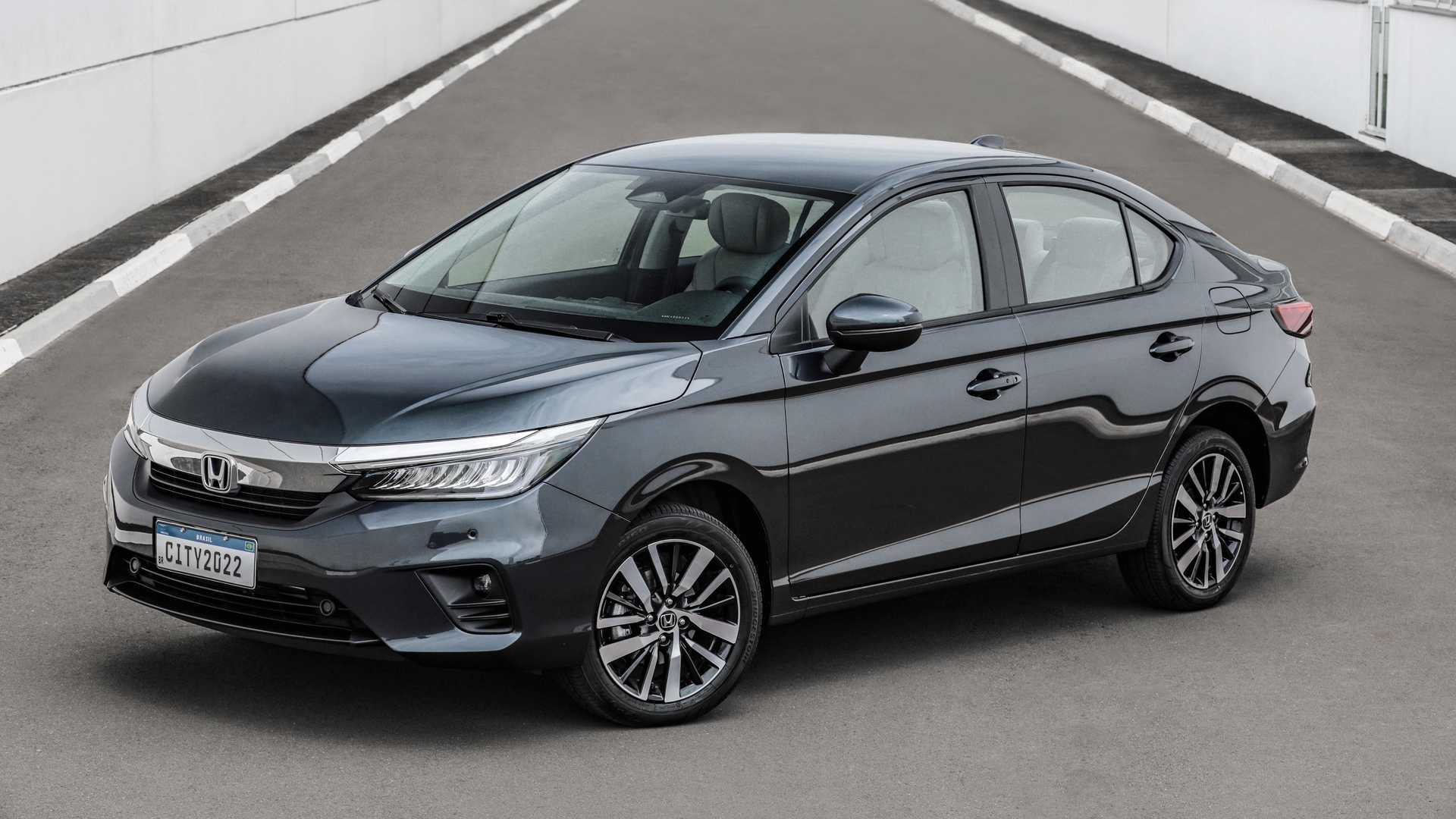
Honda City has the lowest depreciation in Brazil, a 6-year warranty, and a reliable engine that sustains high resale value and liquidity in the used car market
According to a survey published by AutoInforme and released by the SOMOB portal in December 202, the Honda City Sedan showed the lowest depreciation among all Brazilian compact sedans in 2025, with only a 5.9% drop in value over the year. The City Hatchback performed even better: 4.8%, the lowest rate among all compact cars on the market. These numbers are not marketing. They are the data from the Greater Resale Value Seal — a technical award from AutoInforme that measures, model by model, how much each car loses in value in the used car market over 12 months. It is the index that buyers of semi-new cars look at before any other specification.
The City won in its categories for the second consecutive year. And the reason behind this performance is simpler than any design or technology attribute: the Brazilian market knows that this car lasts.
Honda City inherited the reputation for reliability from the Fit and occupies a strategic space in the market
To understand the position of the Honda City in 2026, it is necessary to analyze the impact left by the Honda Fit in Brazil. Produced between 2003 and 2022, the model built a solid reputation based on mechanical reliability, predictable maintenance, and high durability.
-
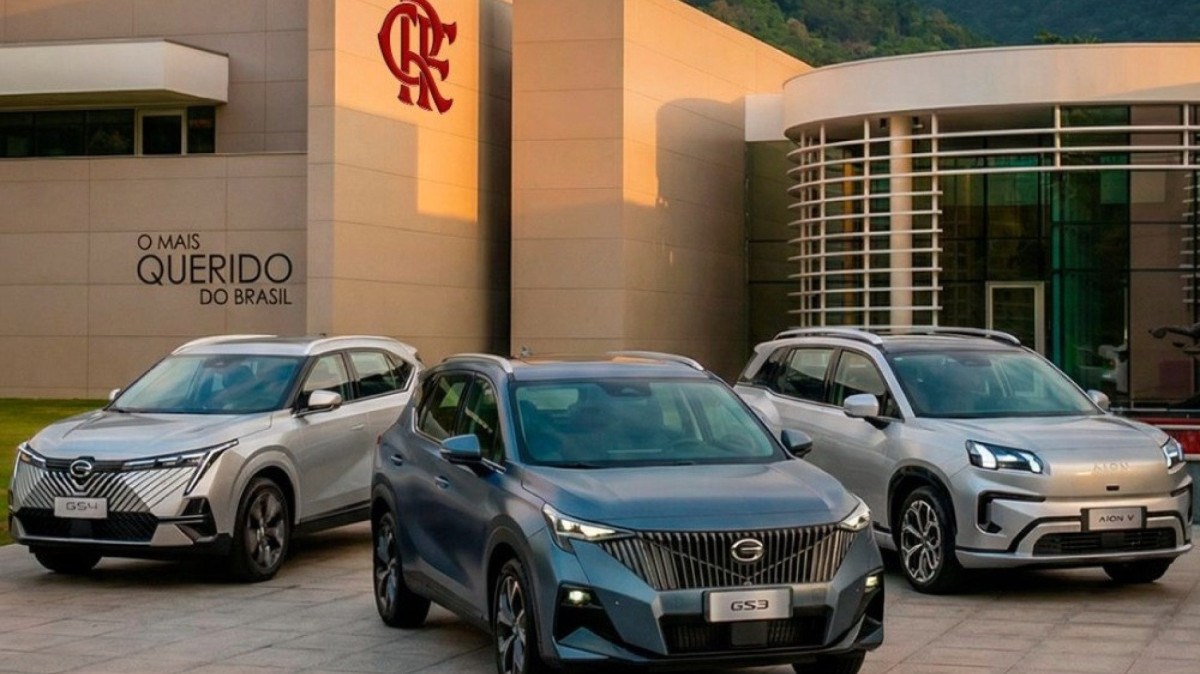
After launching the new GS3 with a 1.5 turbo engine producing 170 hp, GAC partners with Flamengo, enters the field with the largest fan base in Brazil, and accelerates an ambitious offensive to gain scale and confidence in the national market.
-
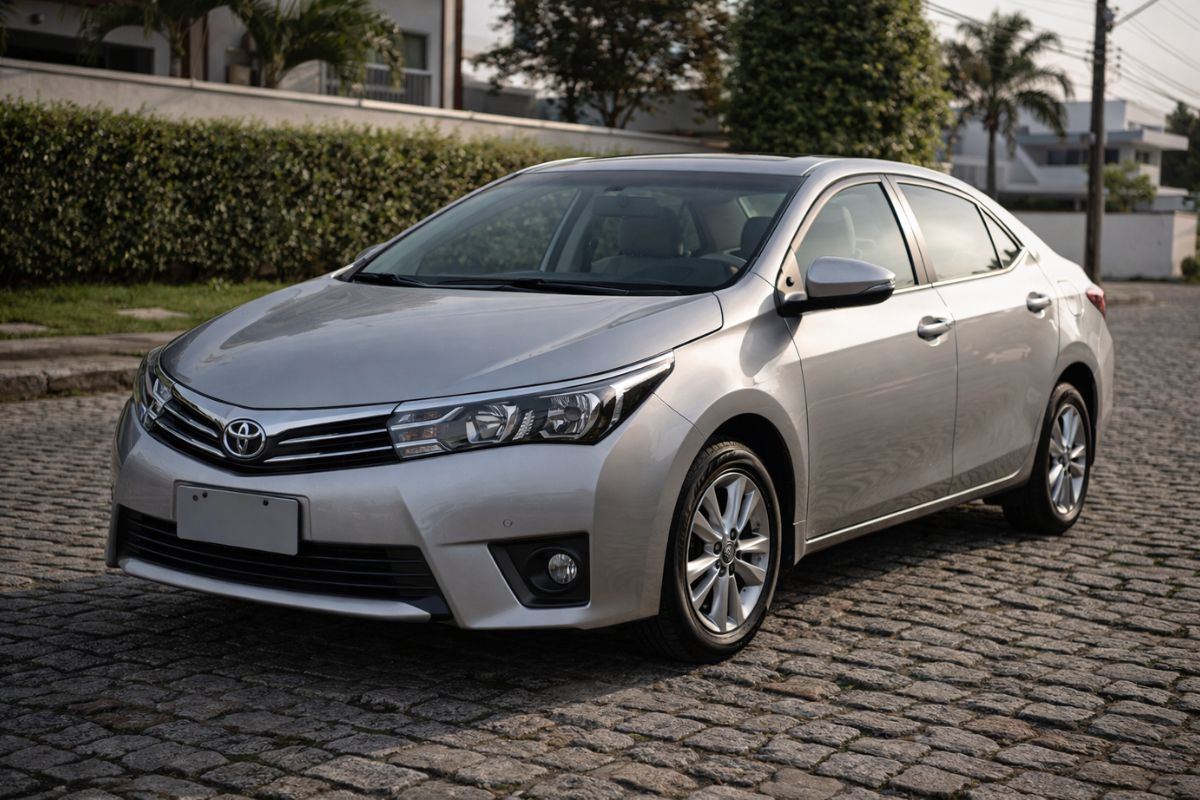
The Corolla from 2015 to 2019 depreciates so little that a 10-year-old model is still worth over 76 thousand reais, and owners treat this sedan as a safe investment thanks to its reputation for durability that no competitor has been able to match.
-
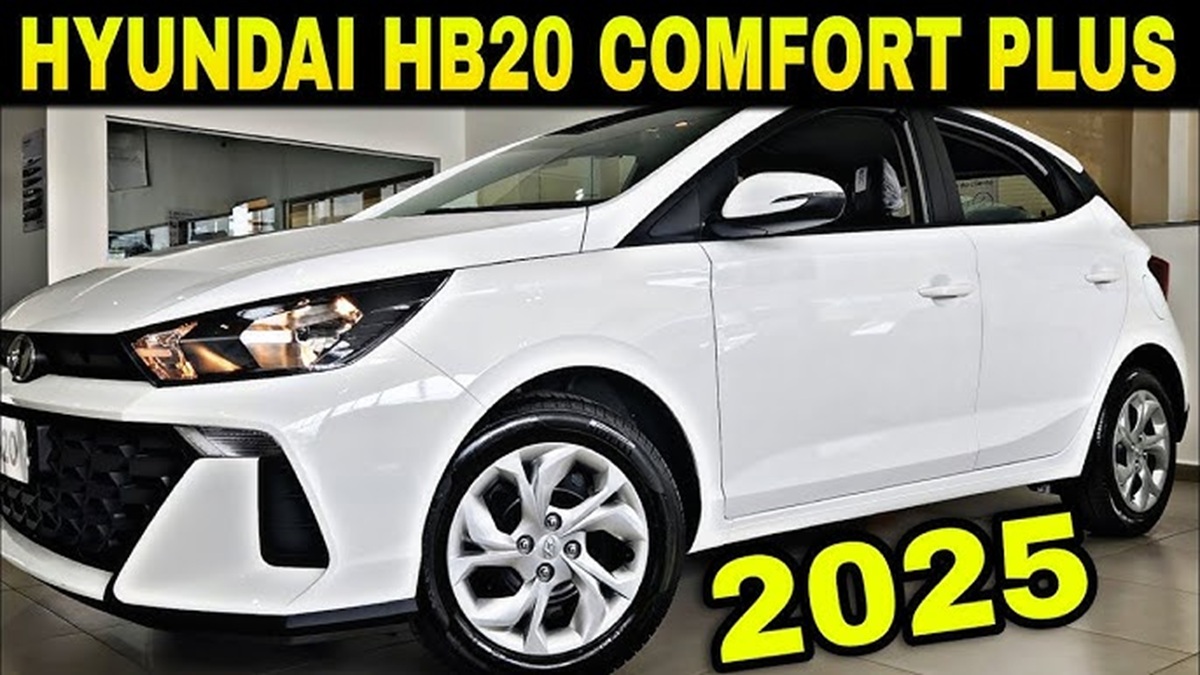
Is it worth considering a financed 2025 HB20 Comfort? A simulation with R$ 50,000 in the bank shows installments ranging from R$ 5,687 to R$ 2,365.
-
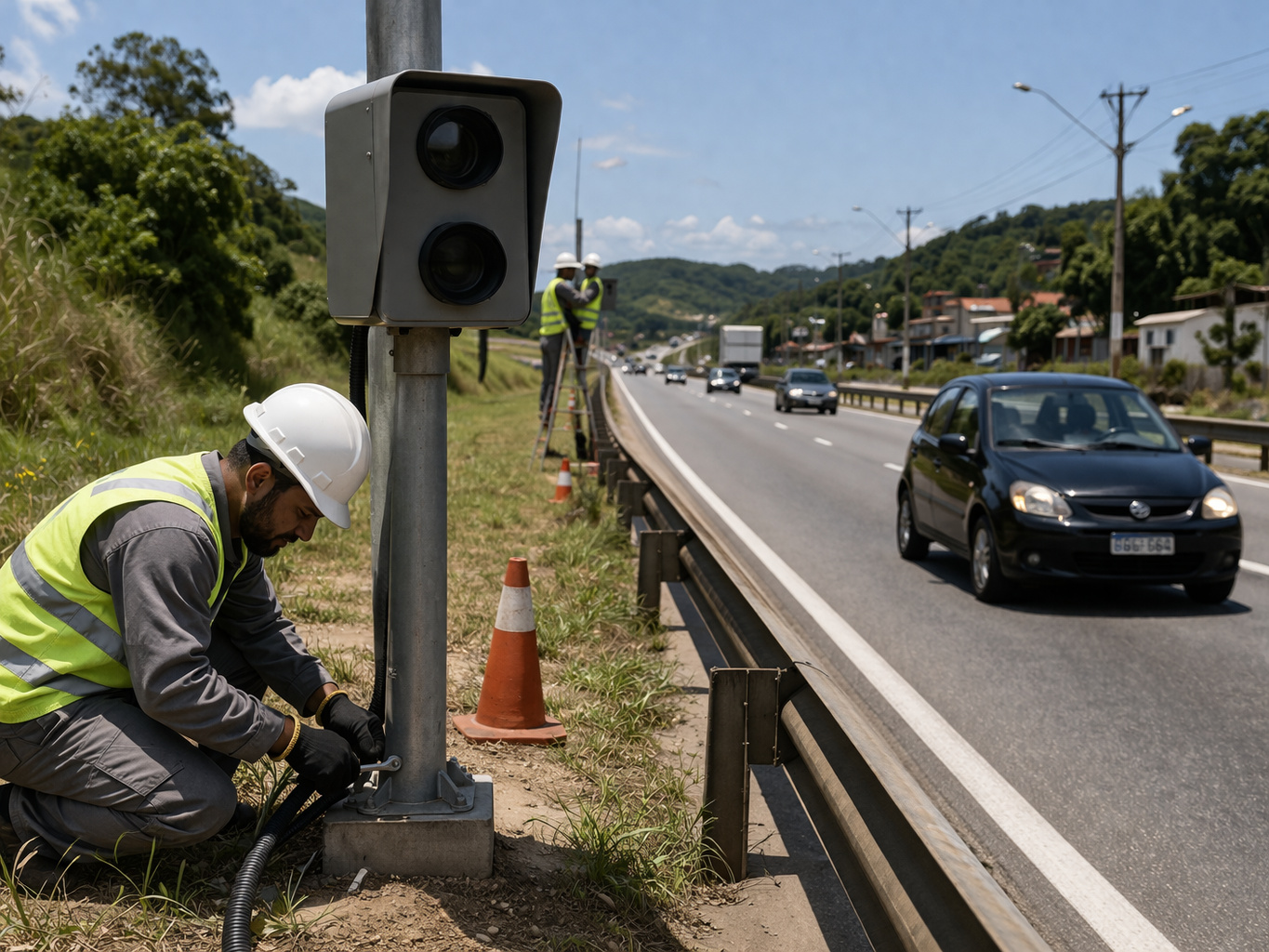
Road surveillance in Rio de Janeiro enters a new phase with the installation of more than 140 speed cameras on highways RJ-106 and RJ-104, and DER-RJ expands speed control in high-traffic areas.



Recurring reports from owners indicated mileages exceeding 200,000 or even 300,000 kilometers without the need for structural interventions. This reputation created a standard of demand in the market, especially among consumers who prioritize longevity and low operating costs.
With the Fit’s exit from the lineup, a clear space opened in the market. The City Hatchback emerged as an indirect successor, maintaining the proposal of reliability and efficiency. The numbers confirm this transition: combined sales of hatch and sedan exceeded 30,000 units in 2024, demonstrating consistent acceptance.
The transfer of this reputation does not happen automatically. It is built over time, based on the real experiences of users, evaluations from independent mechanics, and liquidity in the used market. The City has, so far, sustained this process.
Honda City’s 1.5 naturally aspirated engine prioritizes durability and reduces long-term costs
One of the most relevant decisions in the design of the Honda City was the choice to maintain a 1.5 naturally aspirated engine with direct injection, instead of adopting turbo solutions like most competitors.
The engine delivers 126 hp of power and 15.8 kgfm of torque with ethanol, numbers compatible with the segment. However, Honda’s choice prioritizes structural reliability over immediate performance.
Turbo engines, while more efficient in terms of specific power, introduce greater mechanical complexity. Additional components, increased sensitivity to oil quality, and the need for rigorous maintenance make this type of engine more vulnerable under real-world usage conditions, especially in markets with irregular maintenance.
By opting for the naturally aspirated engine, Honda maintains a simpler architecture, reduces critical failure points, and increases the predictability of the vehicle’s life cycle. The result is an engine that may not excel in acceleration but delivers consistent performance over hundreds of thousands of kilometers.
Consumption data reinforces this efficiency. In moderate urban use, averages above 12 km/l are common, while on highways, consumption can vary between 15 km/l and 17.8 km/l. With a 44-liter tank, the range can exceed 700 km under ideal conditions.
6-year warranty with no mileage limit reinforces Honda’s confidence in the City
In March 2026, Honda announced one of the most relevant decisions from a strategic standpoint: the extension of the warranty to 6 years with no mileage limit for the entire line of vehicles.
This measure positions the brand distinctly in the Brazilian automotive market and serves as a direct statement of confidence in the durability of its products. The coverage includes critical components and follows the vehicle, also benefiting the second owner.

This factor directly impacts resale value. A vehicle purchased in 2026 and resold in 2029 will still have three years of active warranty, which reduces the perceived risk for the buyer of the used car and increases the liquidity of the model.
Although the requirement for servicing at authorized dealers represents a higher cost compared to independent workshops, long-term analysis shows that the additional cost is lower than potential repairs outside the warranty.
Predictable maintenance of the Honda City reduces risks and increases perceived value in the market
There is a significant difference between cheap maintenance and predictable maintenance. The Honda City stands out mainly for the latter.
The model has a consistent history of low incidence of unexpected failures, with scheduled maintenance following a known pattern and relatively stable costs. At authorized dealers, prices range between R$ 500 and R$ 900, while independent workshops charge between R$ 300 and R$ 600.
The availability of parts is extensive, driven by domestic production in Itirapina (SP), which helps reduce maintenance costs and timelines. The components that require replacement over time are predictable and are part of the vehicle’s natural wear, such as brake pads, shock absorbers, and fluids.
This scenario reduces uncertainty for the owner and strengthens the perception of reliability in the market.
High liquidity and low depreciation make the Honda City one of the most valued cars in Brazil
The performance of the Honda City in the used market follows a consistent cycle. Reliability generates high demand, which results in quick sales, reduces the need for discounts, and keeps depreciation at low levels.
The numbers confirm this dynamic. With a depreciation of only 5.9% for the sedan and 4.8% for the hatch, the model positions itself as a reference in the segment.

In practice, a vehicle purchased for R$ 130,000 can be resold after three years for values between R$ 107,000 and R$ 112,000, depending on its condition. In comparison, models with average market depreciation can lose between R$ 40,000 and R$ 45,000 in the same period.
This financial difference reinforces the City as a rational choice for consumers considering the total cost of ownership.
Limitations of the Honda City: performance and proposal do not meet all profiles
Despite its strengths, the Honda City does not meet all consumer profiles. The mechanical set prioritizes efficiency and durability but does not offer sporty performance. Acceleration is progressive, and the CVT transmission favors smoothness, which may not please drivers seeking immediate responses.
Moreover, more equipped versions exceed the R$ 150,000 range, positioning the model in a segment where alternatives with greater power or more features emerge.
However, these limitations align with the vehicle’s proposal. The City does not seek to be the fastest or the most technological, but rather the most predictable in terms of cost, maintenance, and resale value.
Honda City solidifies as a rational choice in a market of high uncertainty
In an economic scenario where financial predictability becomes a decisive factor, the Honda City positions itself as a low-risk option within the Brazilian automotive market.
The combination of low depreciation, predictable maintenance, extended warranty, and mechanical reliability creates a package difficult to replicate in the segment.
The model does not stand out for emotional or sporty appeal, but for its consistency over time. And it is precisely this consistency that sustains its liquidity and appreciation in the used car market, consolidating its position as one of the most financially secure vehicles in 2026.









Seja o primeiro a reagir!