





 English
  Francês
  Alemão
  Italiano
  Japonês
  Norueguês
  Portuguese
  Spanish
  5 min of reading
  0 comments


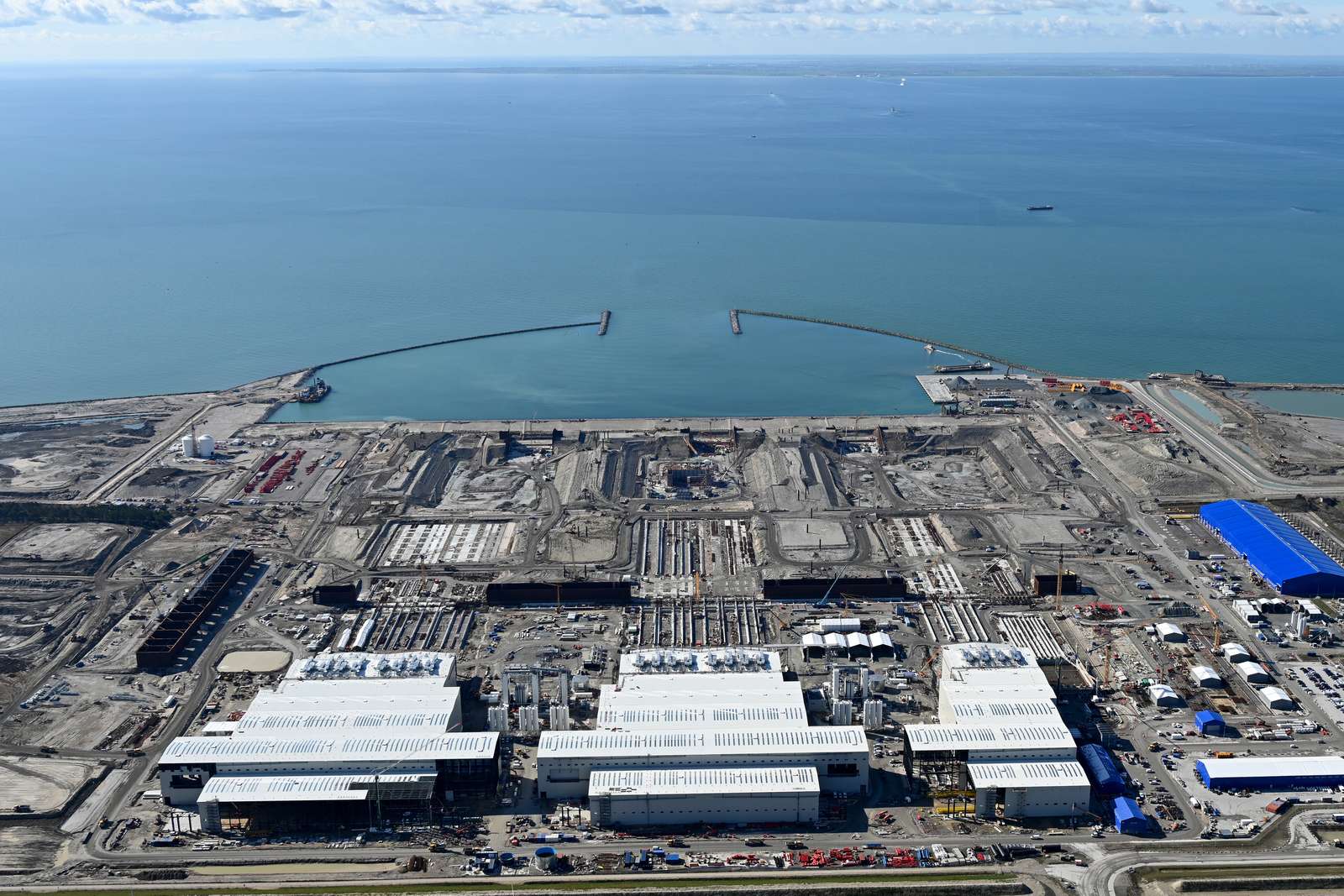
Giant factory in Denmark produces 89 blocks for Fehmarnbelt tunnel in the Baltic Sea, a project that will halve the journey between Germany and Copenhagen
The giant factory was born only to disappear after producing submerged megablocks that will form the Fehmarnbelt tunnel in the Baltic Sea, one of the largest engineering projects in Europe, designed to halve the travel time between Germany and Denmark. On the Danish island of Lolland, a previously quiet stretch of coastline has been completely transformed to house the largest industrial facility ever built to manufacture tunnel segments in the world.
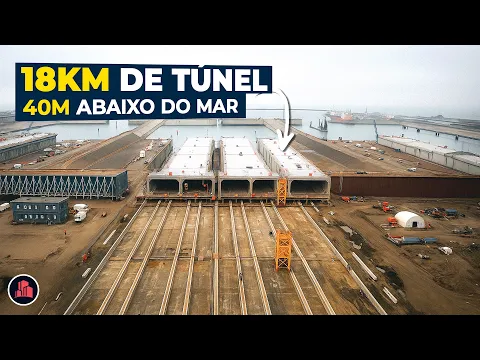
The structure occupies 1.5 million square meters, equivalent to more than 300 football fields, and operates with multiple simultaneous production lines, its own port, and complete infrastructure to support continuous heavy engineering operations. When its function is completed, this entire structure will be dismantled. The facility was created with a single purpose: to produce 89 concrete blocks that, once installed on the bottom of the Baltic Sea, will form an 18-kilometer submerged tunnel between Denmark and Germany.
Largest tunnel factory in the world was built from scratch to produce only 89 giant elements
The facility located in Rødbyhavn cannot be compared to a conventional construction site. It is a complete industrial complex, developed exclusively to manufacture structural elements of unprecedented scale.
-
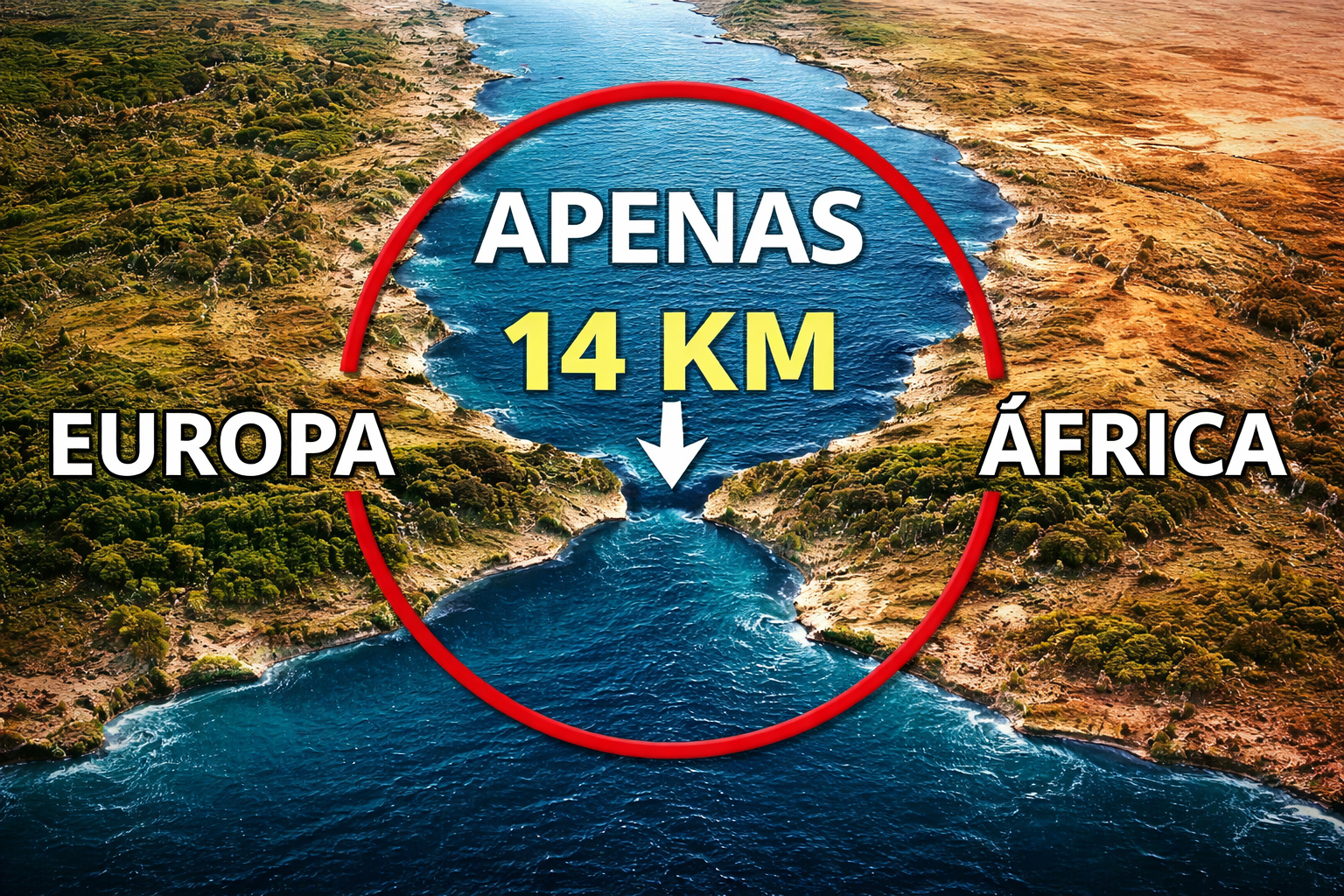
For 45 years, Spain and Morocco have been trying to connect Europe to Africa through a project of just 14 kilometers in the Strait of Gibraltar, and an active tectonic fault on the seabed continues to make the project nearly impossible.
-
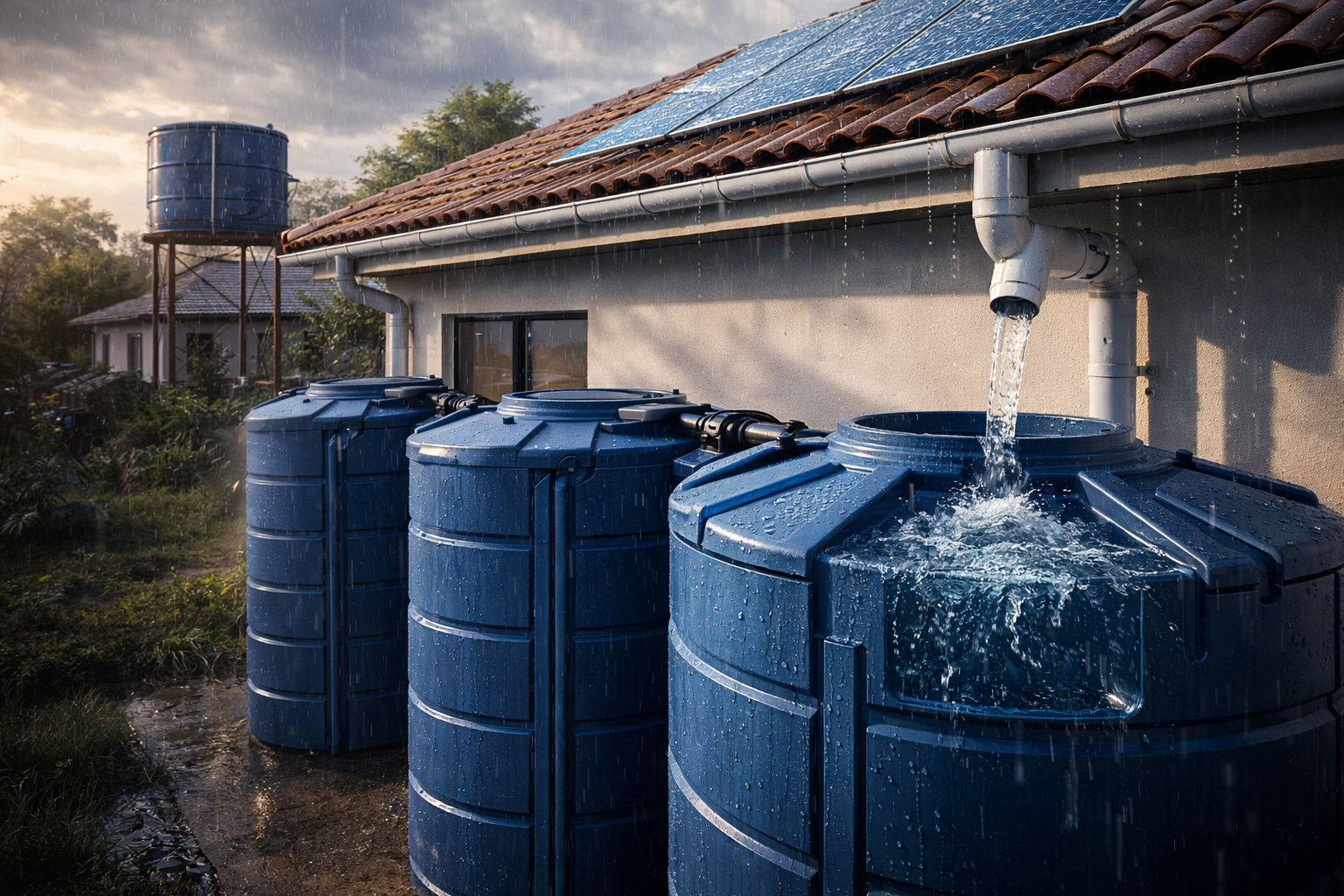
Goodbye expensive water tank: residents replace traditional system with a cheaper and more efficient solution that reduces water consumption and reuses rainwater.
-
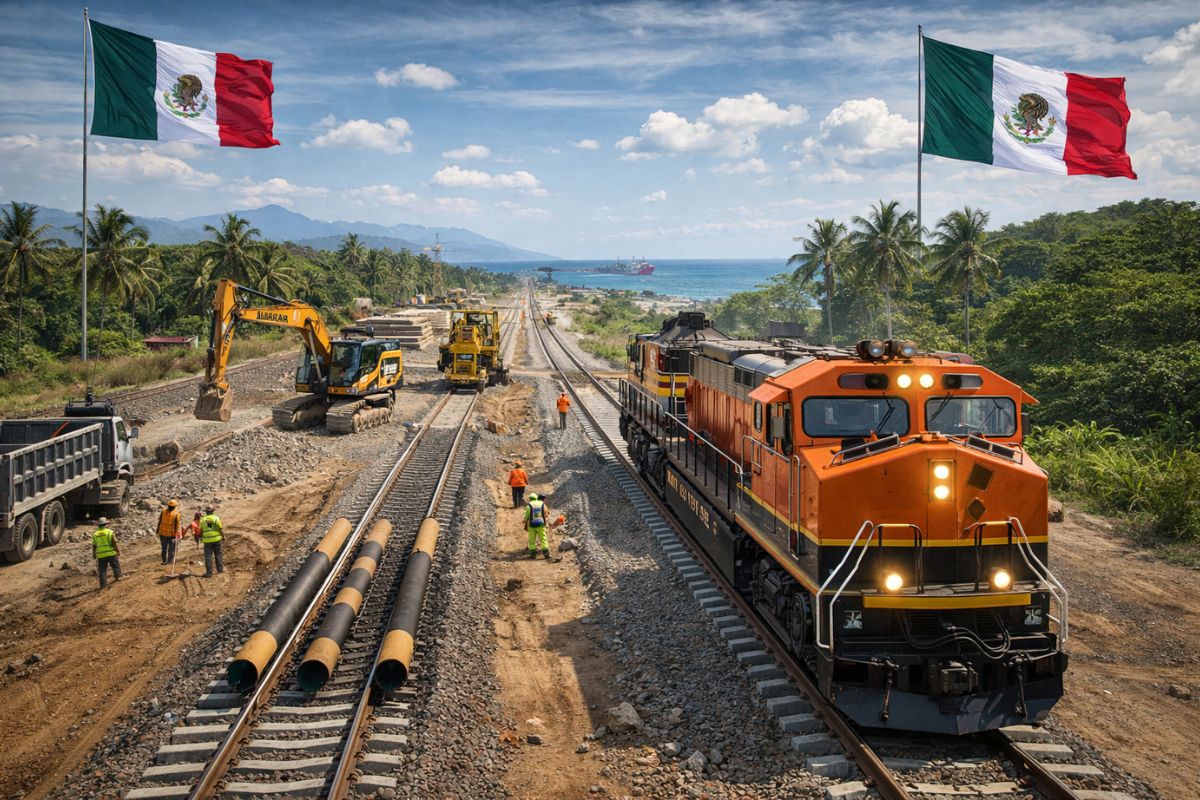
Mexico is building a 300-kilometer railway corridor that connects the Pacific to the Atlantic in just seven hours and wants to compete directly with the Panama Canal, which is already facing water scarcity issues.
-
India wants to build the highest railway in the world in the Himalayas, 489 kilometers crossing four mountain passes above 3,900 meters, with 74 tunnels and pressurized carriages like airplanes, and the most expensive project in Indian railway history still has no date for the start of the main works.

To enable the operation, it was necessary to create the entire logistical base from scratch, including an industrial port dedicated to receiving raw materials and transporting the finished blocks. The main factory operates as a continuous production line, with six simultaneous lines responsible for manufacturing standard and special elements.

Each segment undergoes a highly controlled process involving structural steel assembly, multi-layer concreting, and curing with strict temperature and humidity control. The complete production cycle of each block lasts approximately nine weeks.
A complementary facility, known as the Panel Factory, processes about 1,500 tons of steel per week, being responsible for the internal structure of the blocks. This operation highlights the industrial scale of the project, considered unprecedented in civil engineering.
Fehmarnbelt immersed tunnel: how the technology used on the bottom of the Baltic Sea works
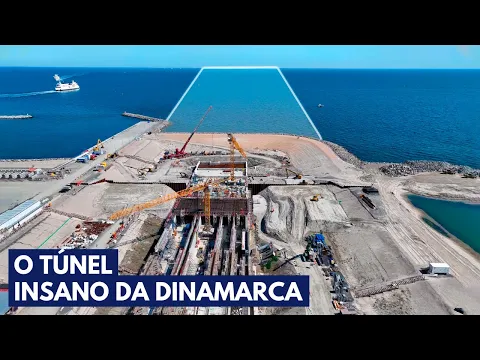
The Fehmarnbelt uses the immersed tunnel method, a technique different from traditional excavation with tunnel boring machines. Instead of drilling into the ground, the project involves excavating a trench on the seabed, followed by the installation of prefabricated segments.

The choice of this method is directly related to the geological characteristics of the site. The seabed of the strait is predominantly composed of sand and clay, unstable materials for conventional underground excavation.
The tunnel trench, 18 kilometers long, was excavated between 2021 and 2024, removing about 15 million cubic meters of sediment. Part of this material was reused to expand coastal areas, permanently altering the local geography.
Blocks of 73 thousand tons will be installed with millimeter precision on the seabed
The main elements of the tunnel have impressive dimensions. Each measures 217 meters in length, 42 meters in width, and 9 meters in height, with an approximate weight of 73,000 tons.
These blocks are designed to float temporarily, using sealed compartments that retain air and ensure sufficient buoyancy for maritime transport. After being towed to the installation site, they are positioned with precision of up to 12 millimeters before being sunk into the prepared trench.

In addition to the 79 main elements, there are 10 special modules that will house essential technical systems, such as ventilation, power, and communication.
The final tunnel will feature multiple tubes, allowing simultaneous road and rail traffic, as well as a central corridor for maintenance and safety.
Immersion vessel and environmental licensing in Germany delay the tunnel schedule
One of the main challenges of the project is not in engineering, but in environmental regulation. The system responsible for installing the blocks — composed of specialized vessels — is still facing difficulties in obtaining approval in waters under German jurisdiction.
This impasse directly impacts the project timeline, which has already undergone several revisions over the years. The most recent forecast points to completion in 2031, reflecting the complexity of the licensing process in transnational projects.
Tunnel between Germany and Denmark will halve the journey between Hamburg and Copenhagen
The impact of the Fehmarnbelt will be direct on European mobility. Currently, the crossing between Denmark and Germany relies on ferries or longer rail routes.
With the tunnel in operation, the crossing will be reduced to about 10 minutes by car or 7 minutes by train. The journey between Hamburg and Copenhagen, which today can take up to five hours, will be reduced to approximately 2h30.
This change is expected to significantly alter transportation flows, tourism, and economic integration among northern European countries.
When the production of the blocks is completed, the entire factory will be dismantled. The structure, which occupies hundreds of hectares, will cease to exist, fulfilling the purpose for which it was created.
The legacy, however, will remain on the bottom of the Baltic Sea, in the form of one of the largest immersed tunnels ever built. Additionally, new coastal areas created with dredged material will remain as a permanent part of Denmark’s geography.
The factory, conceived as a temporary solution to an extreme engineering challenge, will disappear. The tunnel it produced will continue to operate for decades — possibly centuries — as critical infrastructure in Europe.









Seja o primeiro a reagir!