





 Portuguese
  English
  Spanish
  4 min of reading
  9 comments


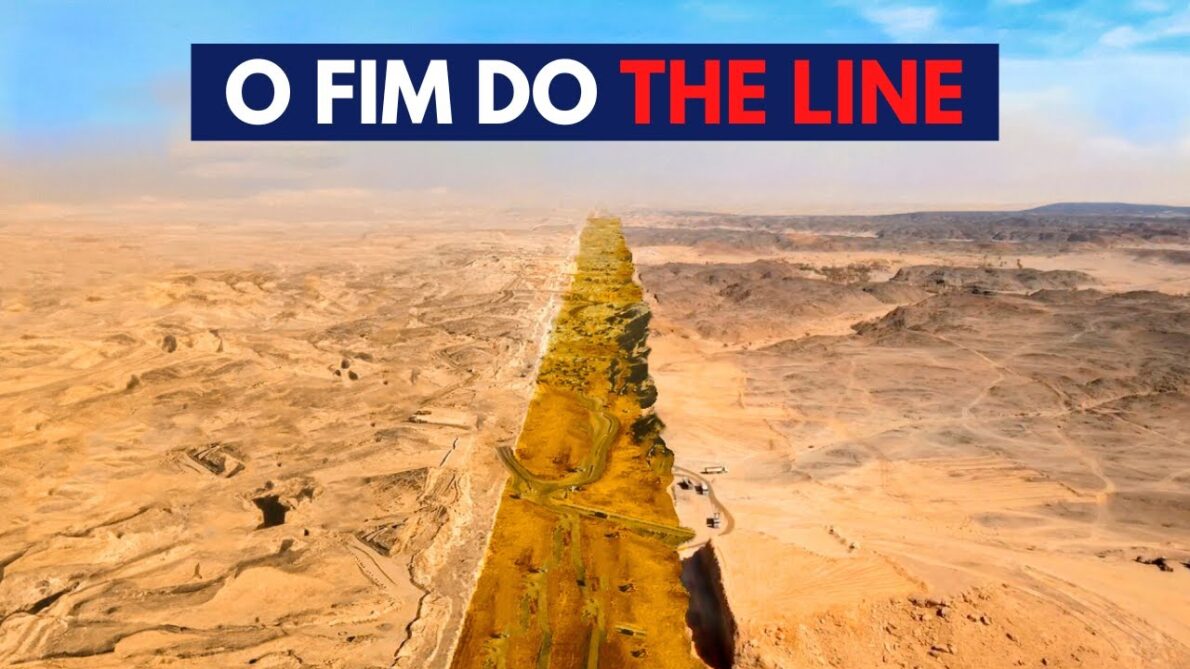


End of the Line for The Line: Billion-Dollar Investments in the Most Expensive Construction in the World Are on the Brink of Collapse
Worrisome Economic Signs in Saudi Arabia: The economic indicators issued by the country are alarming. As pointed out by the Wall Street Journal, the value of the Saudi investment fund’s assets has fallen to $15 billion, its lowest level since 2020, when the numbers started to be published. Another unsettling data point is the increase in public debt, which now represents 27% of GDP, according to the French Ministry of Economy. For comparison, the public debt of France is 110% of GDP.
Saudi Arabia Seeks Foreign Investments: The country’s economic scenario is further aggravated by the price of oil, which remains relatively low compared to previous years. This means that Saudi Arabia can no longer rely exclusively on oil to sustain its economy. Additionally, the government continues to announce investments in megaprojects, such as the Dragon Ball theme park and the construction of a two-kilometer-high tower north of Riyadh.
Stagnant Investments: The Construction of The Line Has Failed

Despite intense campaigns to attract foreign capital, the results fall short of expectations. Although the Neom project aimed to raise $100 billion annually, the figures stopped at $17 billion per year, as reported by Bloomberg. Another sign of difficulties is the cancellation of the desalination plant, which was to be built in Oxagon, a joint initiative between companies from France and Japan, estimated between $1.5 billion and $2 billion.
-
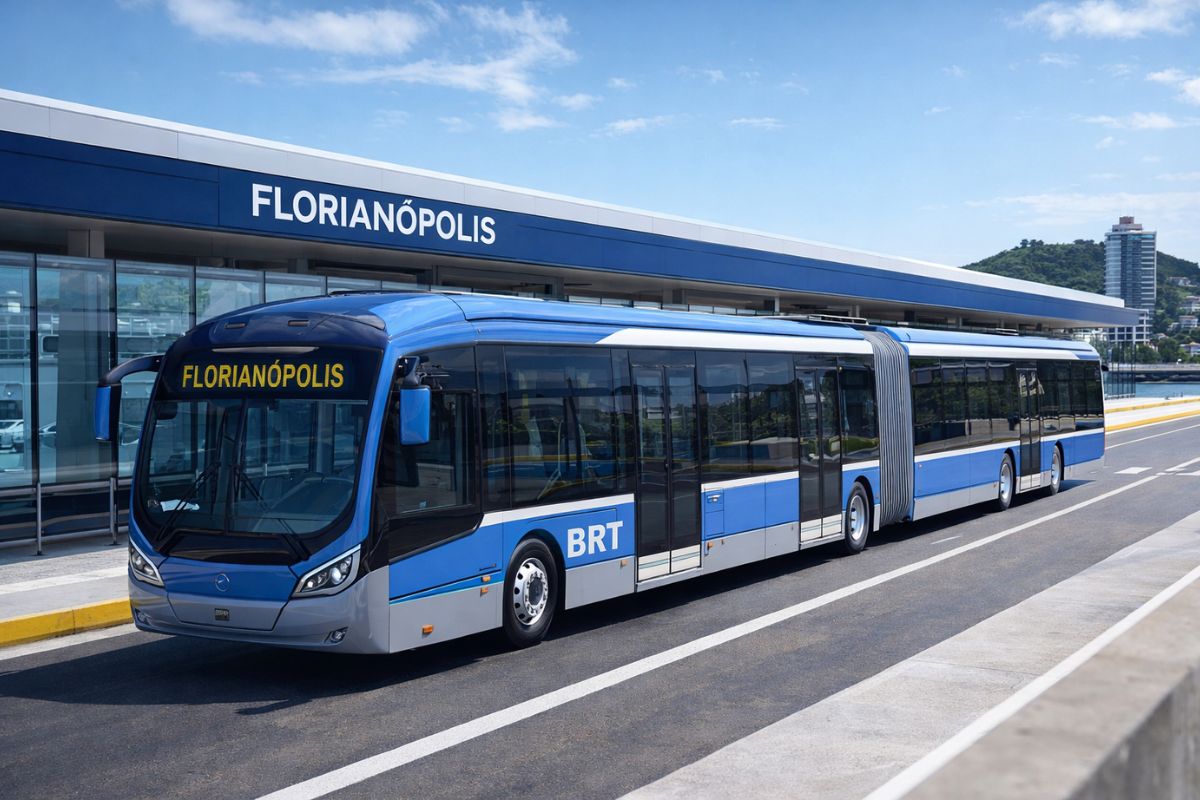
Florianópolis will receive a million-dollar BRT that will begin construction in 2026 with nearly 400 million in funding from the federal government and the Inter-American Development Bank, and the map already shows the routes for the exclusive bus corridors.
-
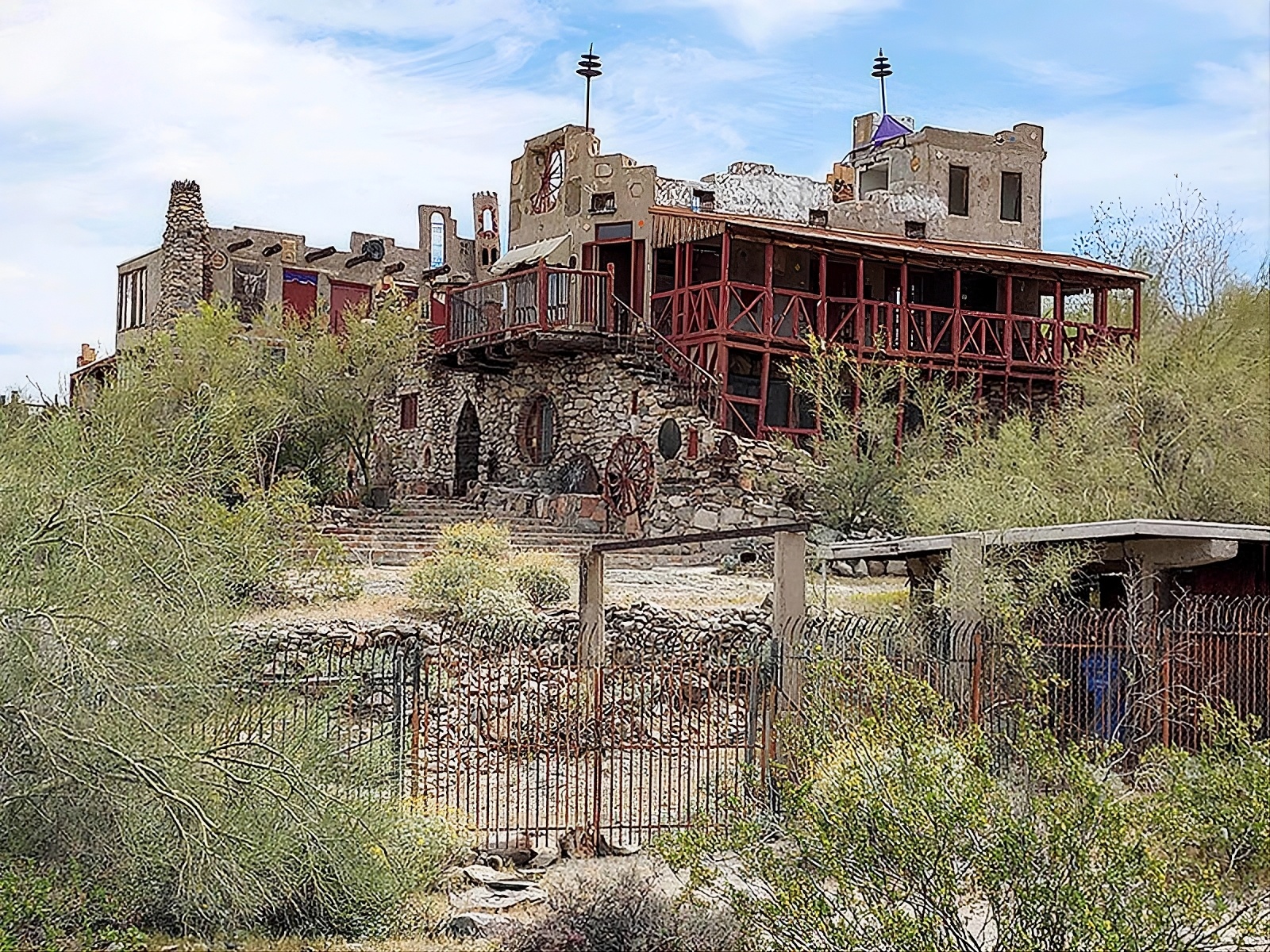
Without a blueprint, without an engineer, and using scrap from the dump, a father spends 15 years building an 18-room castle for his daughter, featuring tram tracks, 13 fireplaces, and over 700 m², which may now be demolished.
-
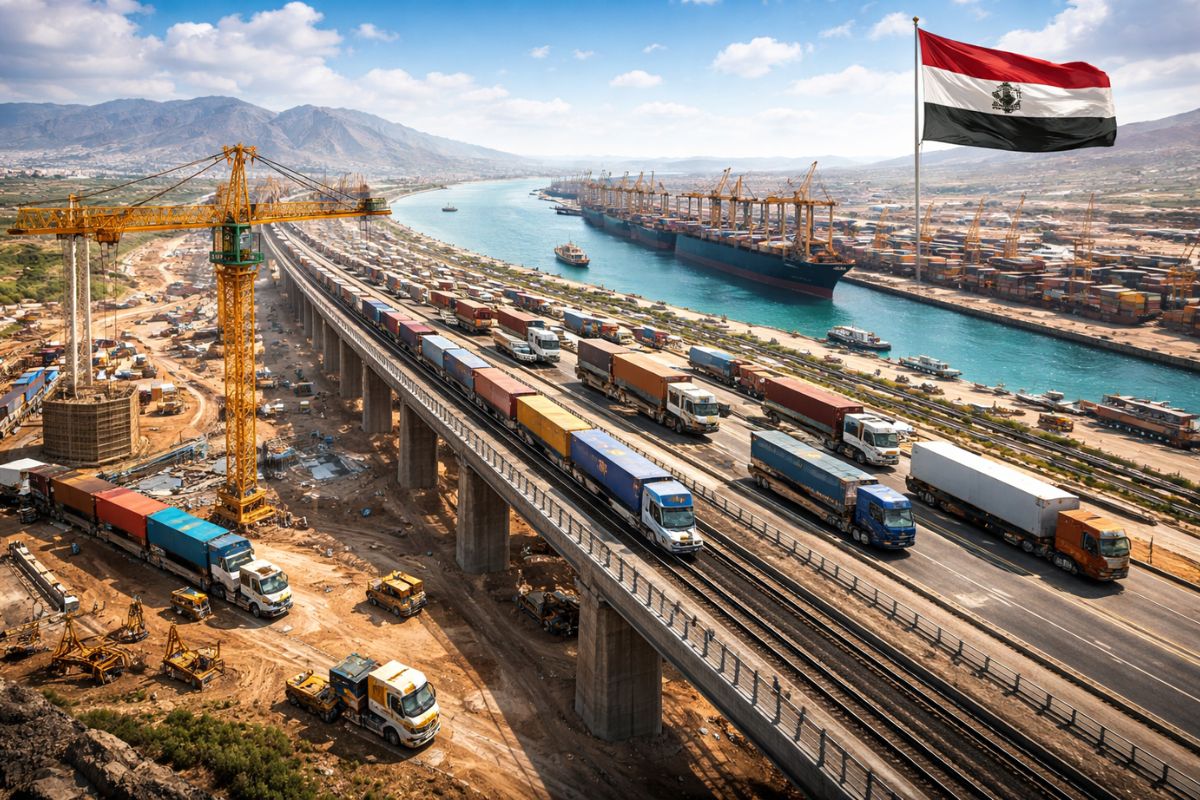
A megaproject worth R$ 89 billion is advancing in Iraq and promises to change the game in global trade by creating a new corridor between Asia and Europe, reducing traditional routes and repositioning the country as a logistics powerhouse.
-
Goodbye bedside table: floating shelves become a trend in 2026 by freeing up space in the bedroom, improving circulation, bringing visual lightness, and integrating technology without taking up floor space.


Cancellation of the Plant in Oxagon: Neom justified the cancellation of the plant by stating that there was a review of the region’s water needs. However, the project’s progress continues, as shown in a recent promotional video. Among the highlights is Sindalah, a luxury island designed for affluent travelers, which is set to open soon on the shores of the Red Sea.
Sindalah: Expected Delivery in 2024: The delivery of Sindalah is scheduled for 2024, although there are doubts about meeting this deadline. Construction is advancing rapidly, and the hotel structures are already visible. However, until now, no official opening date has been announced. The focus is on partnerships with major luxury hotel chains while giving little attention to the working conditions of the laborers.
Accelerating Timelines for Megaprojects
After years of investing in ads and 3D videos, the Saudi government wants to accelerate the timeline of the projects. One example is Trojena, the futuristic ski resort in the Hedges mountains, which will host the Winter Asian Games in 2029. Officials claim that the excavation and leveling of the land have been completed, although this information has not been officially confirmed.
Advancements in Trojena: The first delivery of steel for the resort’s village construction occurred in July 2024, with the arrival of 5,200 trucks carrying 130,000 tons of material. However, the pace of construction needs to be intensified to meet the timeline, including the construction of ski slopes and a 330-meter high-rise.
Oxagon: Futuristic City: Oxagon, a city planned to be partially built on stilts, is another ambitious investment. This project will house the industrial heart of the region, and the port will begin to take shape. Although few images have been released, the inauguration of the first terminal is scheduled for 2025. The number of workers involved in the project is massive, with around 140,000 people working on various sites.
The New “The Machine”: In June, Neom announced “The Machine,” a luxury seaside destination that will gather several tourist attractions in the region. There are 12 major investments along 120 kilometers, all designed to position Saudi Arabia as a first-class tourism destination.
Gildore: Resort with Golf Course: If you enjoy golf, Gildore will be the ideal destination. This beachfront resort will feature a luxury hotel, 190 apartments, and around 200 villas surrounding the golf course. The complex is expected to include high-end restaurants and boutiques, solidifying the location as one of Neom’s major attractions.
Futuristic, Yet Challenging Projects
The new projects continue to align with Neom’s original ideas, but now with more modest ambitions. The initial plan foresees a capacity for 9 million people, but the current goal is to house 6,000 residents. They will be distributed among 500 apartments and 700 villas around the marina of the “The Wall” project.
Impressive Images, But Doubts Remain: The 3D images of the projects are impressive, with constructions that seem to be straight out of science fiction films. However, it remains to be seen how many of these projects will actually come to fruition. The construction challenges are immense, and the viability of some is already being questioned.
Future Investments: The future of these grand projects will depend on Saudi Arabia’s ability to overcome the obstacles that arise along the way. In your opinion, how will Saudi Arabia face and overcome these challenges? Leave your thoughts in the comments!






Só faltou falar o que é “The Line”…
“…de lá, Eu os derrubarei.”
Dinheiro que se bem aplicado acabaria com a fome no mundo, esse investimento não dá dinheiro, mas dá voto.