





 Portuguese
  English
  Spanish
  4 min of reading
  0 comments


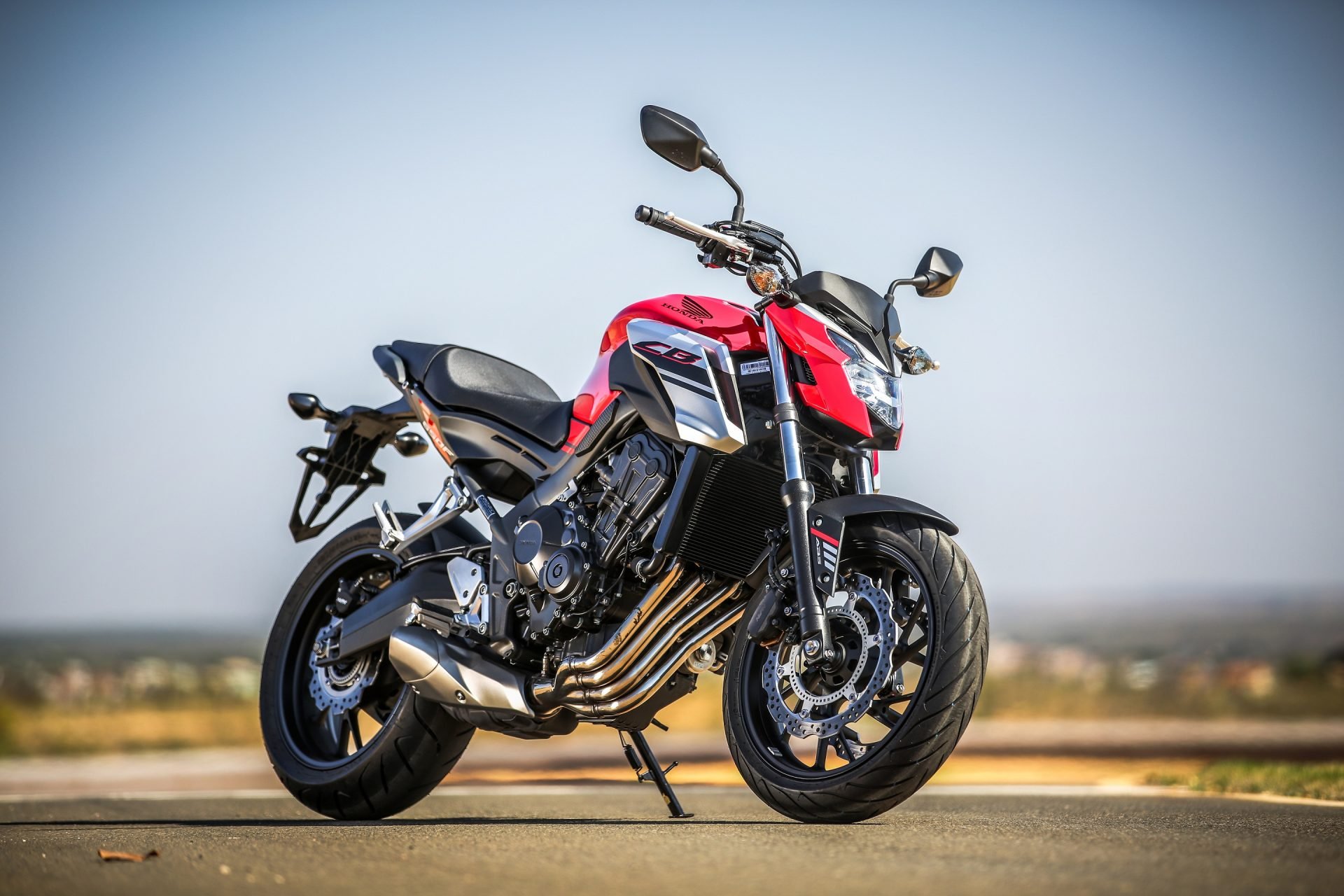
Honda Hornet 600 Sold More Than 40 Thousand Units In Brazil, Surpassed Rivals Like Bandit And Fazer And Became An Urban Legend Among Medium Displacement Nakeds.
In the early 2000s, the Brazilian motorcycle market for medium displacement was beginning to grow. It was in this scenario that the Honda CB 600F Hornet officially landed in Brazil in 2004, bringing an explosive package: aggressive naked design, engine derived from the sportbike CBR 600RR, and performance that put it on another level within the category.
Quickly, the Hornet became popular among motorcyclists looking for more excitement without sacrificing usability in day-to-day life. Throughout its journey in the country, it sold more than 40 thousand units, establishing itself as one of the most iconic motorcycles ever launched here.
Direct Rivals That Fell Behind
The Hornet never reigned alone. It faced heavyweight rivals in the Brazilian market, such as the Suzuki Bandit 650, the Yamaha Fazer 600, and even the Kawasaki Z750, which aimed to attract the medium naked audience.
-
Jeep Avenger begins production in Brazil, debuting as the brand’s new entry-level SUV and inaugurating an unprecedented phase by becoming the first national Jeep manufactured outside of Goiana, as part of a R$ 3 billion plan.

-
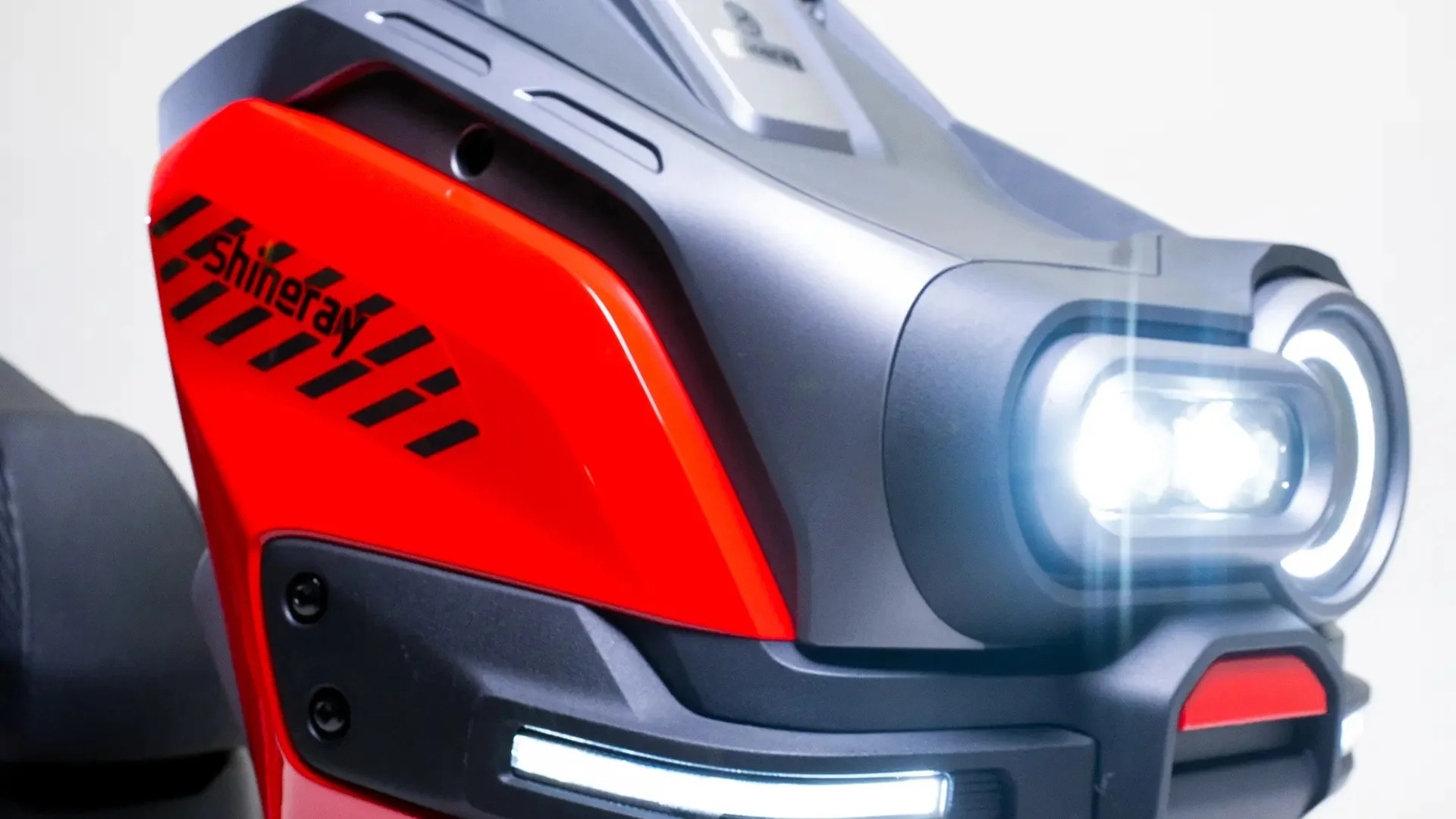
Costing R$ 12,490, the new Shineray Urban Lite 150 “cheap one” arrives in Brazil with a CVT transmission, digital dashboard, and LED lights, making it more affordable than the Biz and targeting those who want to abandon the bus.
-
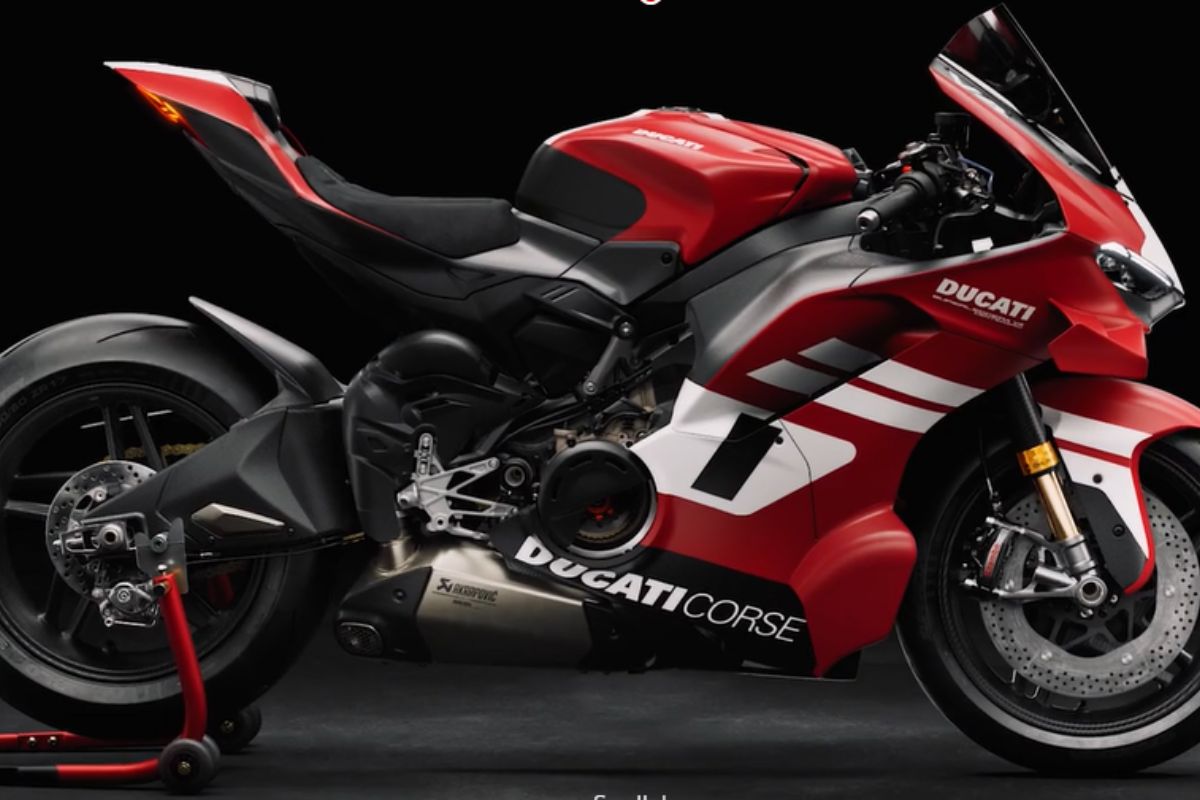
Ducati brings to Brazil the Superleggera V4 Centenario: 228 hp that become 247 with a track kit, carbon fiber and carbon-ceramic brakes, estimated price between R$ 1.5 and 2 million, deliveries only in 2027.
-
Used cars with electric steering for R$ 30,000: check out 5 practical and economical options for everyday use.


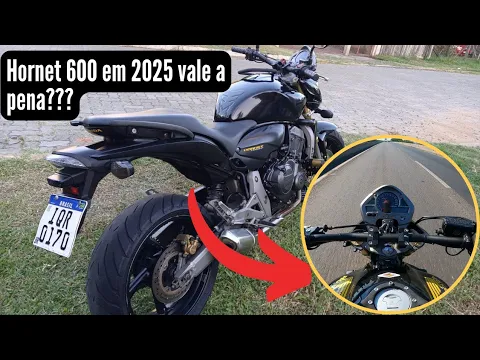

Despite the competition, the Hornet stood out for combining three characteristics that no rival delivered with such consistency: raw power, mechanical reliability, and a wide Honda assistance network.
While the Bandit offered more comfort and the Z750 more exclusivity, the Hornet became the most balanced choice for those wanting accessible sportiness.
The Engine That Became A Reference
The heart of the Hornet was the 599 cc inline four-cylinder, derived from the sportbike CBR. With around 96 hp of power and an unmistakable roar, the bike delivered thrilling accelerations and a top speed exceeding 220 km/h.
This engine became famous for its durability and elasticity, being capable of running smoothly at low revs in the city while simultaneously delivering maximum adrenaline on roads and track days.
Between 2005 and 2010, the Hornet became a national craze. It was during this period that it achieved the status of “urban legend,” becoming a guaranteed presence at meetups, motorcycle groups, and even in music videos and soap operas.
The popularity was so great that many aspiring medium displacement motorcyclists had just one goal: “to buy a Hornet.” The model name became synonymous with the naked category itself, something rare in the market.
A Desired And Feared Motorcycle
The fame of the Hornet also brought an image of respect — and even fear. It was common to associate it with inexperienced riders seeking power without preparation, which helped solidify the nickname “bike that doesn’t forgive.” This aura of danger only increased its status among young motorcyclists, reinforcing the legend.
In 2014, Honda decided to end the Hornet’s production in Brazil, replacing it with the CB 650F. The justification was technological evolution and the need to meet new emission standards. Despite this, the Hornet left a legacy that is hard to equal.
Today, well-preserved specimens are sought after in the used market, often reaching values close to — or even exceeding — those of newer models, such is the strength of its reputation.
Why Did The Hornet Become A Legend?
The Hornet’s success can be explained by a rare combination of factors:
- Competitive price compared to rivals, allowing many to realize the dream of owning a four-cylinder naked.
- Accessible maintenance, since Honda had a national assistance network, unlike more limited competitors.
- Distinctive style, with aggressive lines and a sporty stance.
- Brutal performance, sufficient to rival higher displacement motorcycles.
This combination made the Hornet not just a successful motorcycle, but a cultural icon among Brazilian motorcyclists.
The Legacy Of The Hornet In Brazil
Even out of production for over a decade, the Hornet continues to be remembered with nostalgia and admiration.
Its name still evokes passions, and Honda even registered the “Hornet” brand again for future use in lower displacement motorcycles in Europe, reinforcing that the legend has not been forgotten.
In Brazil, the Hornet remains a landmark: the motorcycle that defined a generation, that turned the naked category into an object of desire, and that solidified Honda’s image as a reference in accessible sportiness.









-

3 pessoas reagiram a isso.