





 English
  Francês
  Alemão
  Italiano
  Japonês
  Norueguês
  Portuguese
  Spanish
 7 min of reading
  0 comments


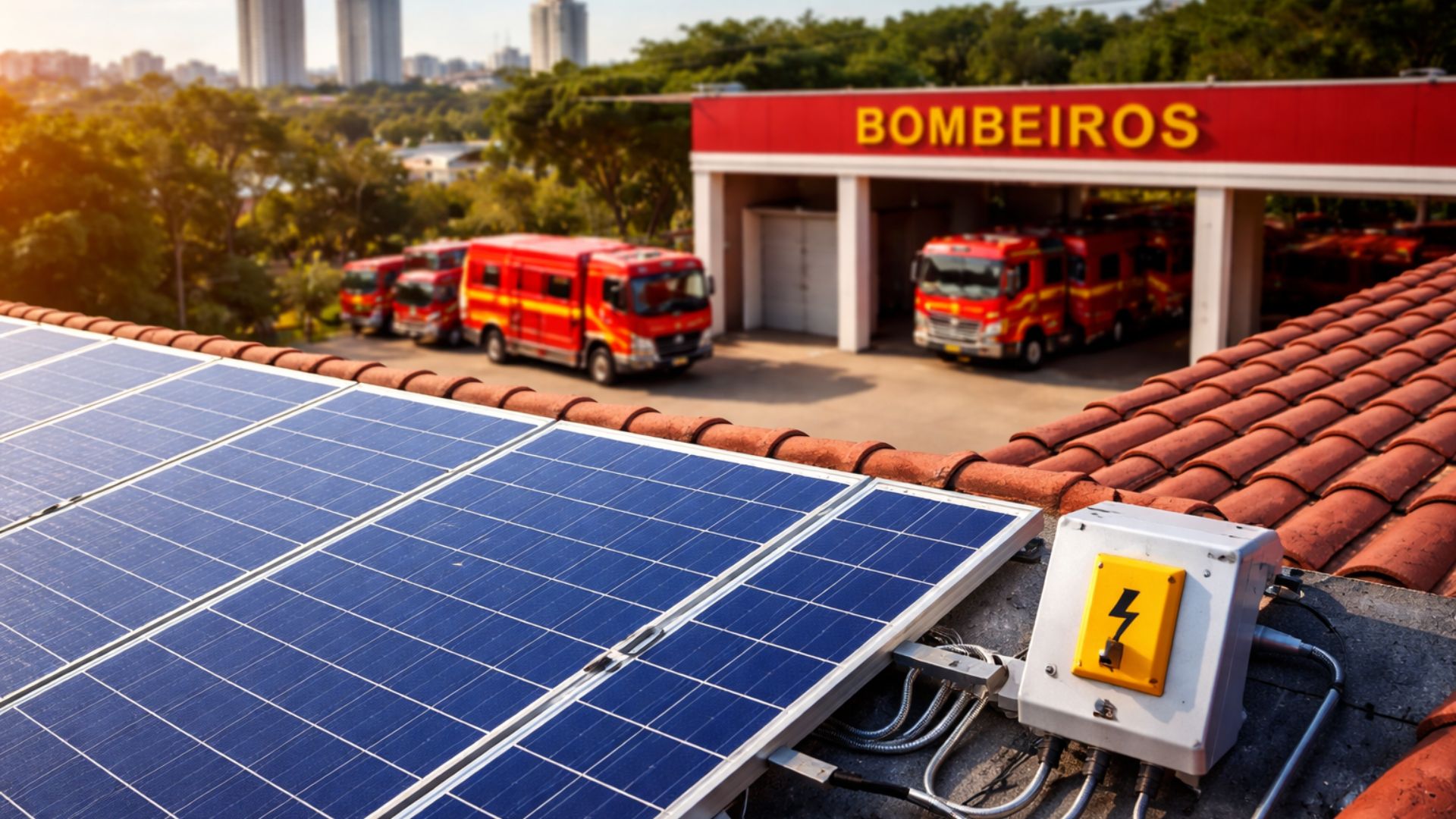
New firefighters regulation in MS redefines solar energy rules in Mato Grosso do Sul, requires new safety devices, alters projects and impacts costs, bringing more protection against fires and electrical risks.
The publication of a new regulation by the Fire Department of Mato Grosso do Sul (MS) marks a significant change in the solar energy sector. According to an article published by Campo Grande News this Monday (23), the document, published in the State Official Gazette, establishes stricter criteria for the installation of photovoltaic systems, with a direct focus on fire prevention and reducing electrical risks.
Right at the beginning, the text classifies the systems as special risk, identified as category M-3. This definition raises the level of technical requirements for projects throughout the state, requiring more attention from professionals and companies working with solar energy in MS.
In practice, the new regulation from the firefighters changes how installations are analyzed, approved, and executed. The impact is direct for both new projects and systems already installed in Mato Grosso do Sul, which will need to adapt to the new rules within the established timeframe.
-
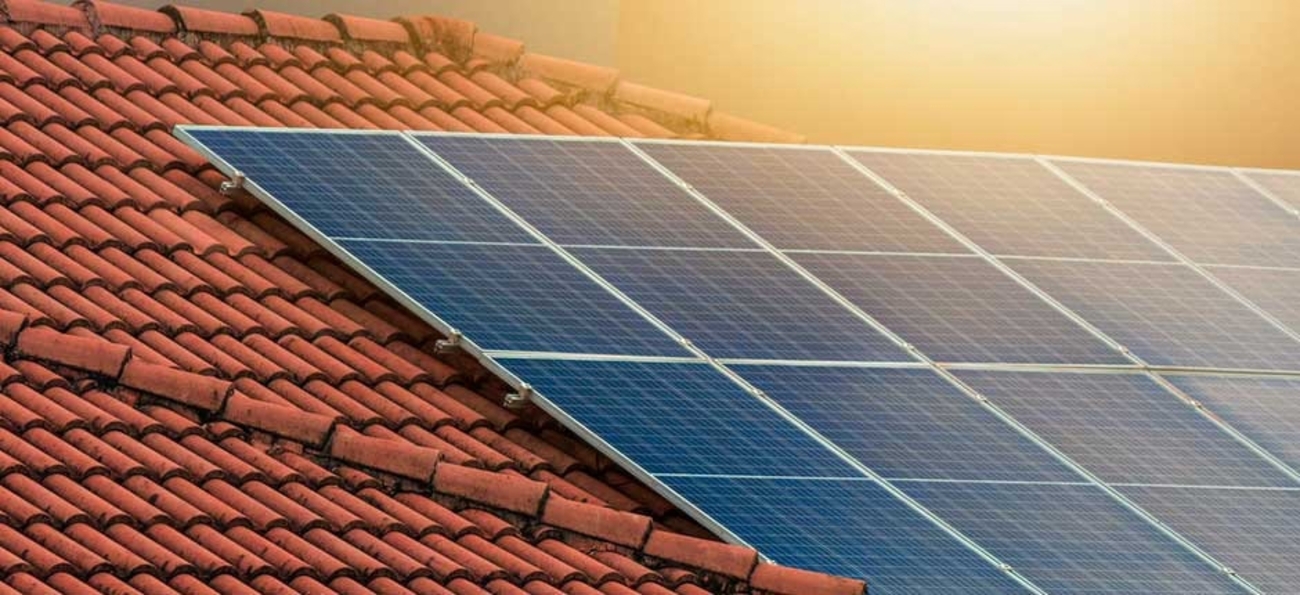
Roraima bets on the sun to escape high tariffs: Amid the energy crisis and price hikes, solar energy is growing in Roraima and transforming consumption in the North region.
-
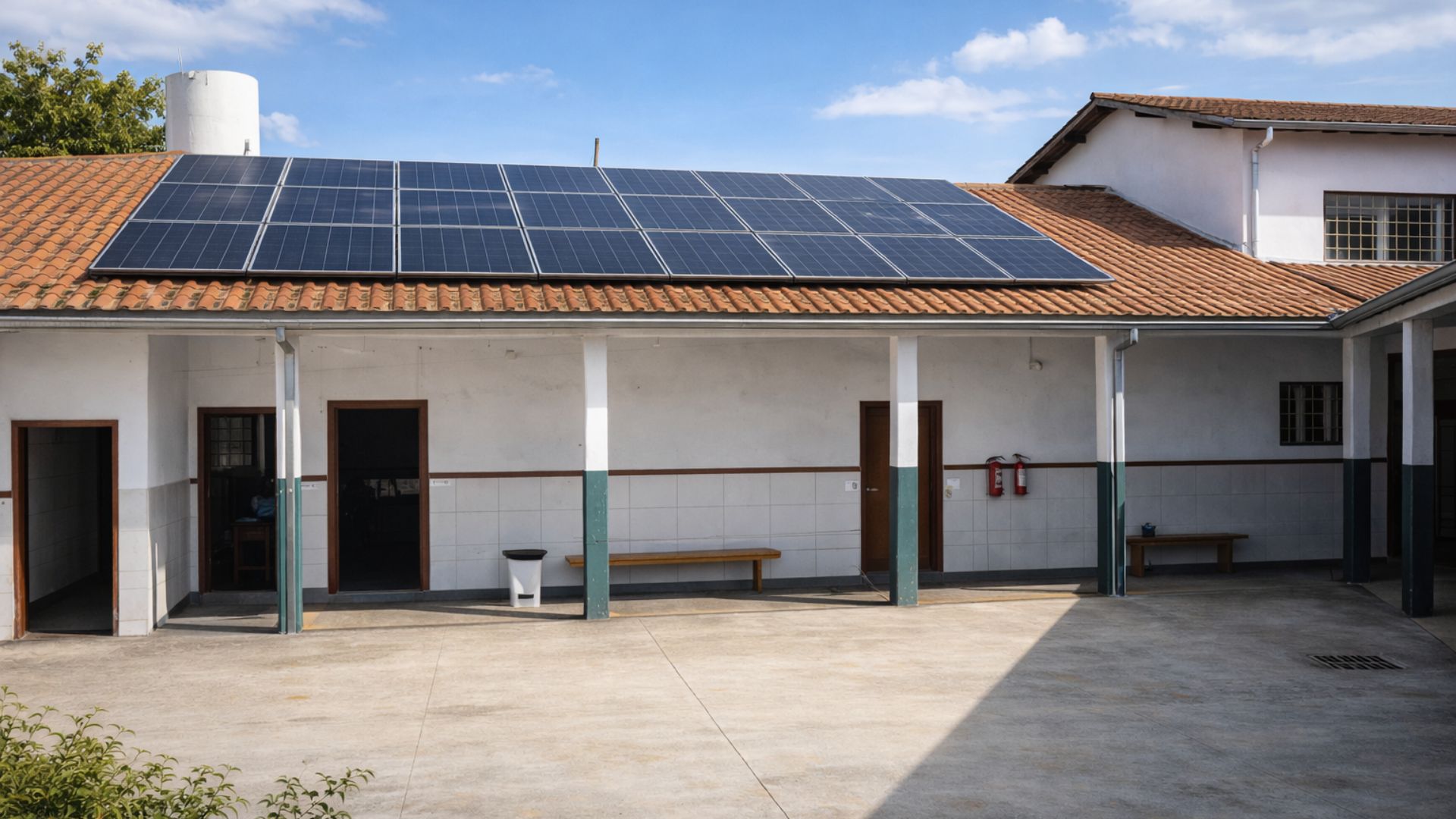
Copel boosts solar energy in Paraná and brings innovation to public schools, promoting savings on electricity bills, energy efficiency, and a direct impact on the quality of education.
-
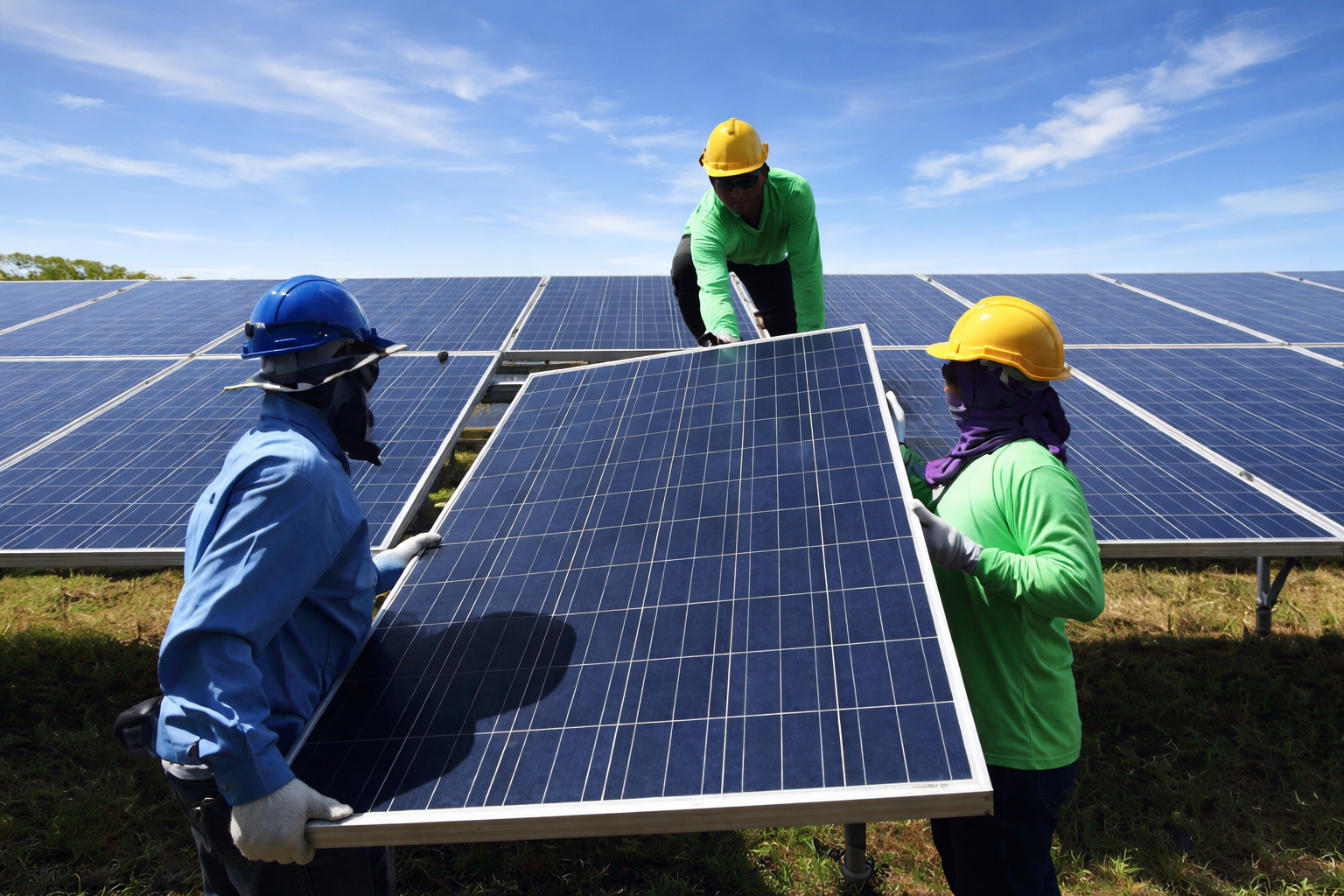
Brazil reaches historic milestone in solar energy: Sector surpasses 2 million accumulated green jobs and generates billions in the national economy even under market pressure.
-
Minas Gerais takes the lead in renewable energy: State surpasses historic mark of 14 GW in solar energy generation in MG and consolidates dominance in the Brazilian electric sector.

Classification M-3 elevates technical rigor and changes project analysis in Mato Grosso do Sul
The classification as special risk M-3 is one of the central points of the new regulation from the firefighters. This classification places solar energy systems at a higher level of control and oversight in MS.
This type of classification is generally applied to structures that present greater complexity or risk potential. In the case of solar energy, the justification lies in the fact that the panels continue to generate electricity while receiving sunlight, even during emergency situations.
In fire scenarios, for example, this represents a significant challenge for rescue teams. Therefore, the decision of the firefighters in Mato Grosso do Sul aims to reduce operational risks and ensure greater safety during responses.
Moreover, this change also directly impacts project approvals. With the new classification, the level of technical detail required increases, which may prolong regularization processes.
Quick disconnection device becomes mandatory for solar energy in MS
Among the most important requirements of the new regulation is the mandatory installation of a quick disconnection device in solar energy systems in MS.
This equipment allows for the immediate interruption of energy generation in emergency situations. The regulation stipulates that the device must be located in an easily accessible place and clearly identified with the description: “quick disconnection switch for the photovoltaic system.”
This measure is directly related to the actions of the firefighters. During a fire, photovoltaic systems continue to generate electricity while there is sunlight. This increases the risk for firefighting teams, especially during operations on rooftops.
In specific cases, such as solar plants that do not have this device, the guidance in the new regulation is even more restrictive: in case of fire, the area should be isolated and firefighting should not be conducted during the day. This guideline highlights the importance of quick disconnection and reinforces the need for adaptation of solar energy systems in Mato Grosso do Sul.
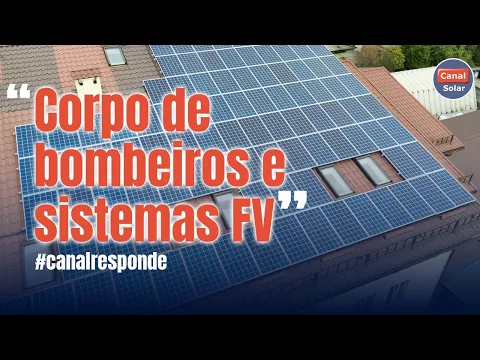

Additional electrical protections are required by the new firefighters regulation
Another relevant point of the new regulation from the firefighters is the requirement for additional electrical protection devices in solar energy systems in MS.
Projects will now need mechanisms that automatically interrupt power in failure situations, such as short circuits or overloads. This requirement aligns with practices already established in national and international technical standards.
As a result, the safety of installations is expected to increase significantly. More protected systems reduce the risk of fires caused by electrical failures, which are among the main problems in poorly executed installations.
Additionally, the measure also increases the responsibility of the professionals involved. Engineers and technicians must ensure that all components comply with the new regulation, avoiding future problems in MS.
Installation restrictions reinforce safety and limit risk areas in Mato Grosso do Sul
The new regulation also establishes clear limitations on where solar energy systems can be installed in MS and Mato Grosso do Sul.
Among the main restrictions is the prohibition of installation in locations that store or handle flammable materials or those with explosion risks. This measure aims to prevent the rapid spread of fires in environments already considered sensitive.
Furthermore, the regulation requires minimum distances between photovoltaic systems and heat sources or combustible materials. This type of care significantly reduces the risk of accidents and increases the safety of buildings.
For the firefighters, this change represents an important advancement in prevention. For the solar energy sector, it means the need for more detailed planning in choosing installation sites.
Structural report becomes mandatory for rooftop systems in MS
The requirement for a structural report is another highlight of the new regulation from the firefighters in MS. Now, any solar energy installation on rooftops must be accompanied by a technical document proving the structure’s capacity.
This report must ensure that the building can support the weight of the panels and associated equipment. Additionally, the presentation of the Technical Responsibility Annotation, known as ART, is mandatory. This measure aims to prevent structural problems, such as damage to the building or even collapses.
In a state like Mato Grosso do Sul, where the use of solar energy is consistently growing, this type of requirement becomes even more relevant. With the new regulation, the firefighters also begin to act in preventing structural risks, expanding the scope of safety for installations.
Direct impact on costs and projects of solar energy in MS and Mato Grosso do Sul
The changes brought by the new regulation have a direct impact on the cost of solar energy systems in MS and Mato Grosso do Sul.
The need for new equipment, such as the quick disconnection device, as well as technical reports and structural adjustments, tends to raise the initial investment. Projects also become more complex and require greater detail.
On the other hand, experts point out that the increase in costs is offset by greater safety. More robust and well-designed systems reduce the risks of accidents and future losses. Additionally, the stricter actions of the firefighters may contribute to the appreciation of the sector, increasing consumer confidence in solar energy in MS.
Three-year deadline for adapting existing systems in Mato Grosso do Sul
The new regulation establishes a deadline of up to 3 years for existing solar energy systems in MS to comply with the new requirements from the firefighters.
This transition period was defined to allow owners and companies to make the necessary adaptations without excessive immediate impact. Nevertheless, the recommendation is that adjustments be made as soon as possible.
Systems that do not comply with the regulations may present risks and difficulties in regularization processes. Furthermore, lack of compliance may compromise the safety of buildings. In Mato Grosso do Sul, where the expansion of solar energy has been significant, this deadline is considered essential to ensure a safe transition.
Changes elevate the technical level and should transform the solar energy market in MS
The new regulation from the firefighters does not only impact individual projects but also the solar energy market as a whole in MS. Companies will need to invest more in technical qualification and process updates. The trend is towards greater professionalization of the sector, with a reduction in inadequate practices.
Consumers are also expected to become more demanding, prioritizing companies that meet the requirements of the new regulation. This may strengthen businesses that operate within the rules and improve the overall quality of installations. At the same time, the market may face a period of adaptation, with possible adjustments in prices and execution timelines.
Reinforced safety and new standards should consolidate solar energy in Mato Grosso do Sul
The implementation of the new regulation by the firefighters represents an important advancement for the safety of solar energy in MS and Mato Grosso do Sul.
Despite the increase in costs and the need for adaptation, the changes bring clear benefits. The reduction of fire and electrical failure risks contributes to the protection of lives and properties.
In the long term, the trend is for the sector to strengthen. With clearer and stricter rules, solar energy in MS is expected to become even more reliable and safe. For consumers and companies, this moment requires attention and planning. Adapting to the new regulation is not just an obligation but also an opportunity to raise the quality standard of installations in Mato Grosso do Sul.








Seja o primeiro a reagir!