





 Portuguese
  English
  Spanish
  3 min of reading
  0 comments


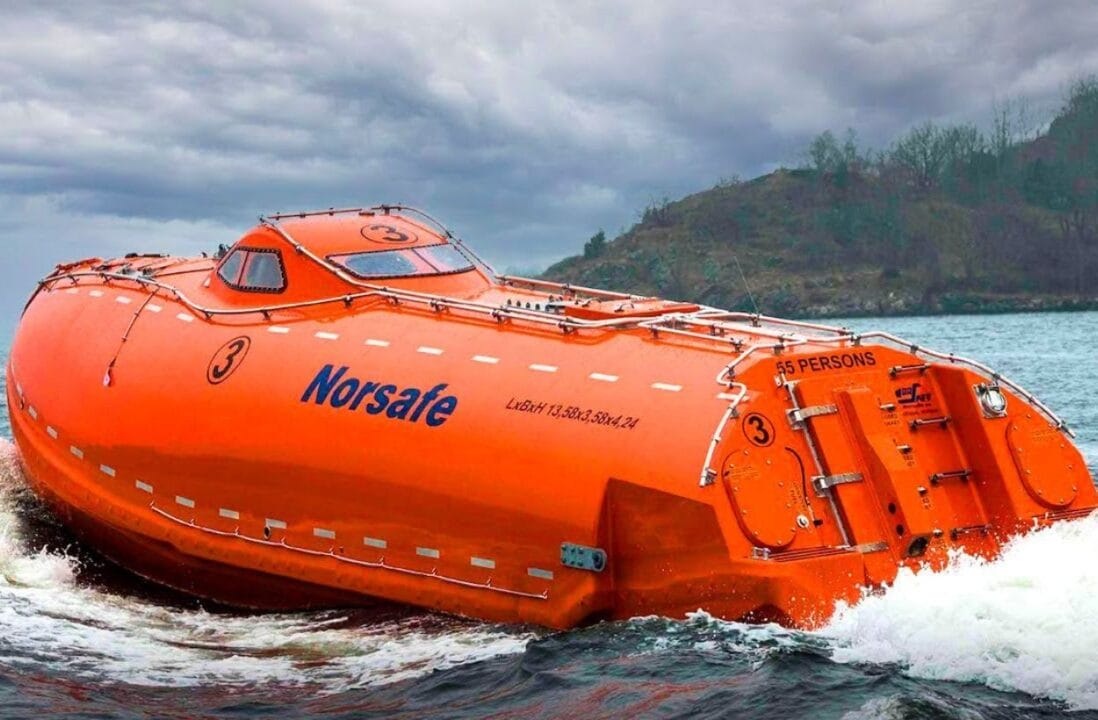
In An Era Where Maritime Safety Is More Crucial Than Ever, Technological Advancements Bring Us The Safest Lifeboats In The World. Discover The Innovations Defining New Standards In Rescue Operations.
Let’s dive into a subject that, besides being super interesting, is incredibly important: the safest lifeboats in the world. If you, like me, are fascinated by the wonders of modern engineering and have a special fondness for stories of heroism at sea.
Now, pay attention, because what we’re going to show here is no joke. Imagine being caught in the midst of a fierce storm, giant waves, and suddenly, you find yourself in a dangerous situation. Who would you want nearby? Exactly, one of the safest and most advanced lifeboats on the planet. And that’s exactly what we’re going to talk about today.
Shannon Class
The Shannon Class, developed by the renowned British RNLI, is a milestone in lifeboat engineering. Launched in 2013, it is named after an Irish river, reflecting its strength and resilience. With a length of 13.6 meters and capable of reaching 25 knots (approximately 45 km/h), its main feature is the inverted U-shaped hull, ensuring exceptional stability and maneuverability in adverse conditions. Equipped with cutting-edge technology such as GPS and radar, the Shannon Class represents the pinnacle of safety and efficiency in maritime rescues.
-
With 74% of companies facing difficulties in hiring, technicians and engineers in renewable energy are becoming scarce in Brazil and are essential to support the expansion of solar, wind, and green hydrogen projects.

-
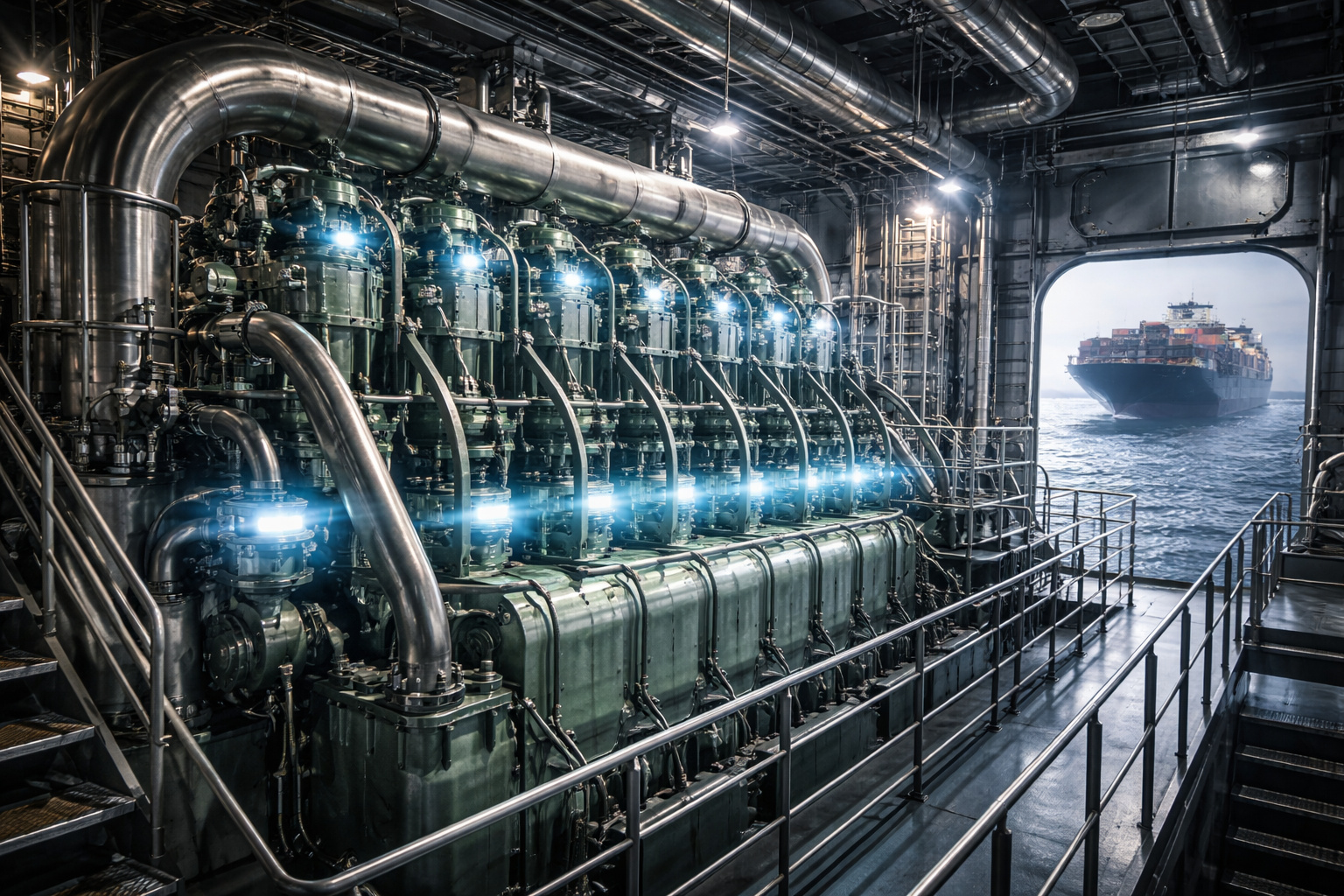
Europe is trying to create an ammonia-powered marine engine without auxiliary fuel, which could unlock the race for giant emission-free ships. The technology aims to eliminate one of the biggest obstacles to clean maritime propulsion.
-
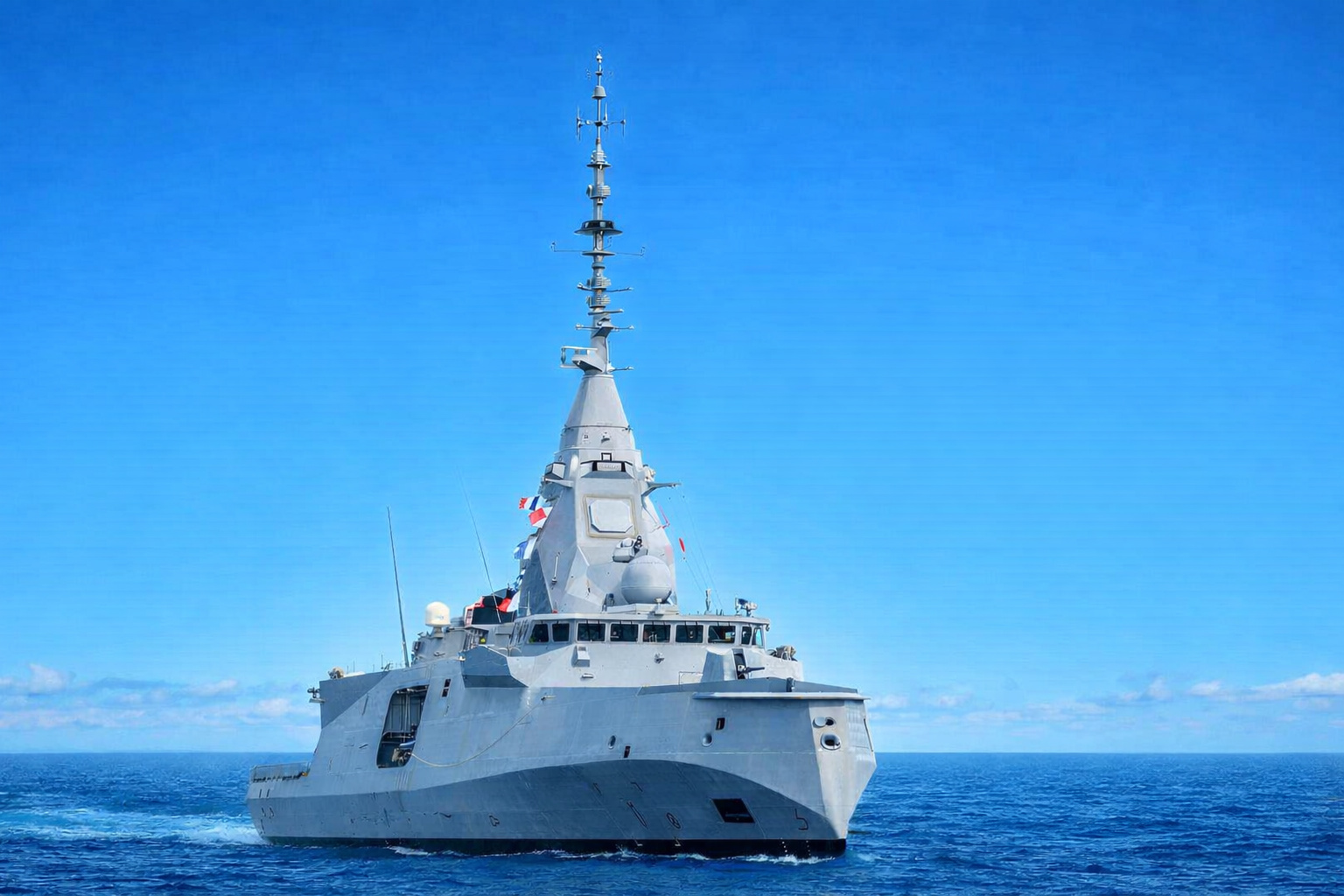
A 4,500-ton frigate with just over 100 crew members, state-of-the-art radar, and cruise missiles is being touted as the new standard of naval warfare in the 21st century.
-
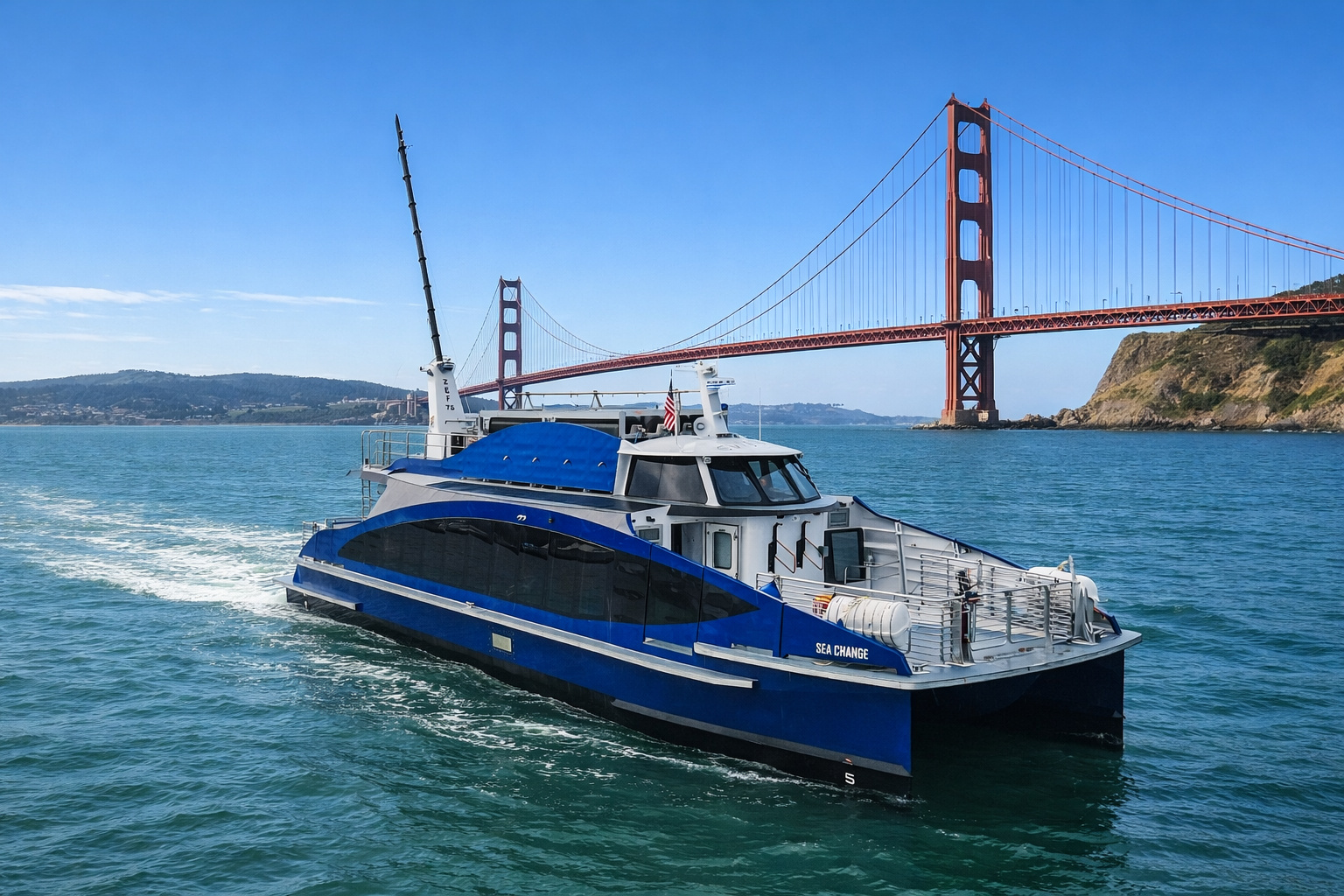
The first commercial hydrogen-powered ferry enters operation in the U.S., eliminates the use of diesel, uses fuel cells to generate clean energy on board, and transforms San Francisco Bay into a landmark of the new era of emission-free navigation.

Norsafe GES 45
The Norsafe GES 45, a free-fall lifeboat, stands out for its ability to be launched instantly from ships in emergencies. With a length of 14.1 meters, it carries up to 24 passengers and 2 crew members, reaching a maximum speed of 35 knots (about 65 km/h). Its deep V hull ensures stability under any conditions, while a technological arsenal guarantees safe communication and navigation. The rapid launch system is a revolution, drastically reducing response time in critical situations.
Survitec Seahaven: The Largest Inflatable Lifeboat In The World
The title of the largest inflatable lifeboat in the world goes to a creation by the British Survitec Group Limited, the Survitec Seahaven lifeboat. Designed to rescue up to 1060 people in a single operation, this giant measuring 22 meters combines speed and ease of deployment with robustness, thanks to the 370-horsepower Volvo Penta diesel engine. Equipped with advanced navigation and communication systems, along with safety features, this lifeboat is an inflatable fortress ready to face the challenges of high-seas rescue.
The Shannon Class, Norsafe GES 45, and the largest inflatable lifeboat in the world stand at the forefront of innovation in maritime safety, proving that the combination of smart design, advanced technology, and robust capabilities can create lifesaving rescue solutions with unparalleled efficiency. These boats not only set new safety standards but also reaffirm humanity’s commitment to protecting life in all waters.
The History Of Lifeboats And Maritime Safety
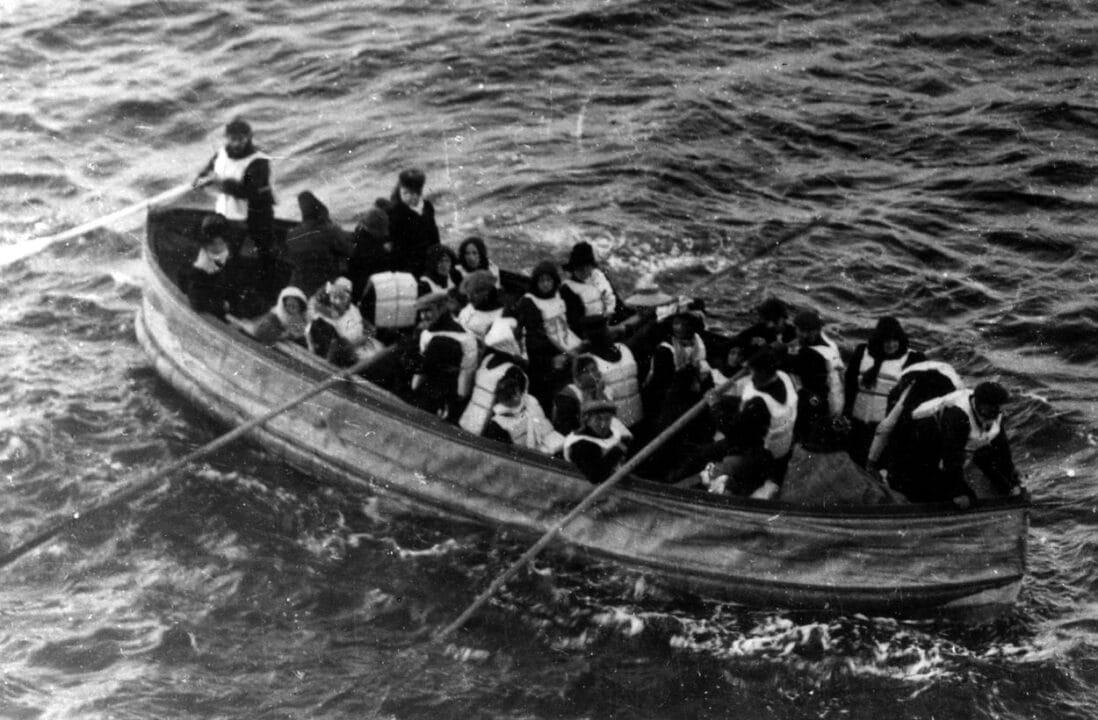
The history of lifeboats and maritime safety is as vast as the oceans themselves. Dating back centuries, this saga begins in turbulent waters, with humanity seeking ways to save lives in unpredictable seas. Bamburgh, in England, is often remembered for establishing one of the first lifeboat stations in 1786, but history takes us even further back to Liverpool in 1777. Here, a simple boat was prepared to navigate sandbanks and rescue lost souls from the cold waters of the Mersey River.
However, it was on the River Tyne that innovation truly took shape. In 1789, driven by the spirit of solidarity and the urgency of saving lives, a group of businessmen, led by Nicholas Fairles, established a pioneering institution. They launched a challenge that would change the course of history: to develop a boat capable of carrying 24 people through rough seas. William Wouldhave and Henry Greathead answered the call, with Greathead’s proposal coming to life. The “Original”, as it was named, introduced radical innovations such as a curved keel and cork floats, marking the birth of modern lifeboats.








Seja o primeiro a reagir!