





 Portuguese
  English
  Spanish
  2 min of reading
  2 comments


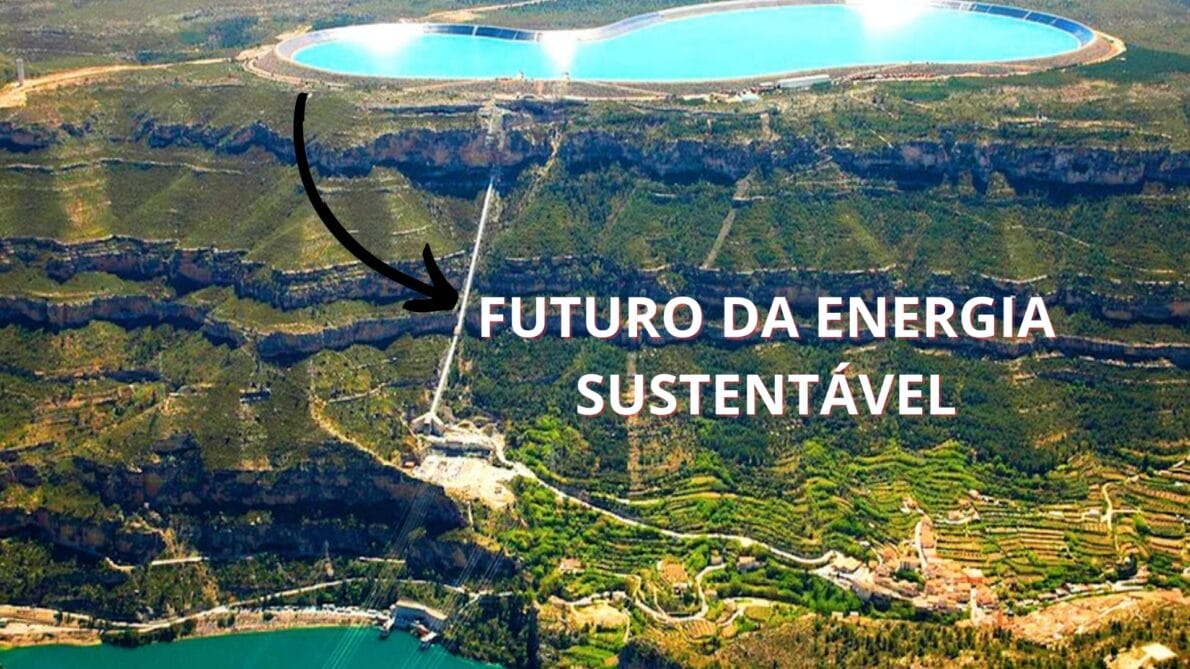

Portugal Is Betting on a Creative and Efficient Solution for Renewable Energy Storage: Water Batteries
Portugal is revisiting a well-known and simple idea, but one that can provide a solution for renewable energy storage: ‘water batteries’ or small hydropower plants built near a solar or wind complex that generate energy when the sun or wind is lacking. The first two plants of this type are already operating in the country, according to the Revista OE website.
Named the Tâmega Complex, the project involves the construction of three power plants – Gouvães, Daivões, and Alto Tâmega – which will be installed in a rocky valley surrounding the Tâmega River, a tributary of the Douro located in the northern region of Portugal, near Porto. Of the three plants, two are already operational. The last one is expected to be inaugurated in March.
Impact and Benefits of the Plants in Portugal
Together, the three power plants in Portugal will have:
-
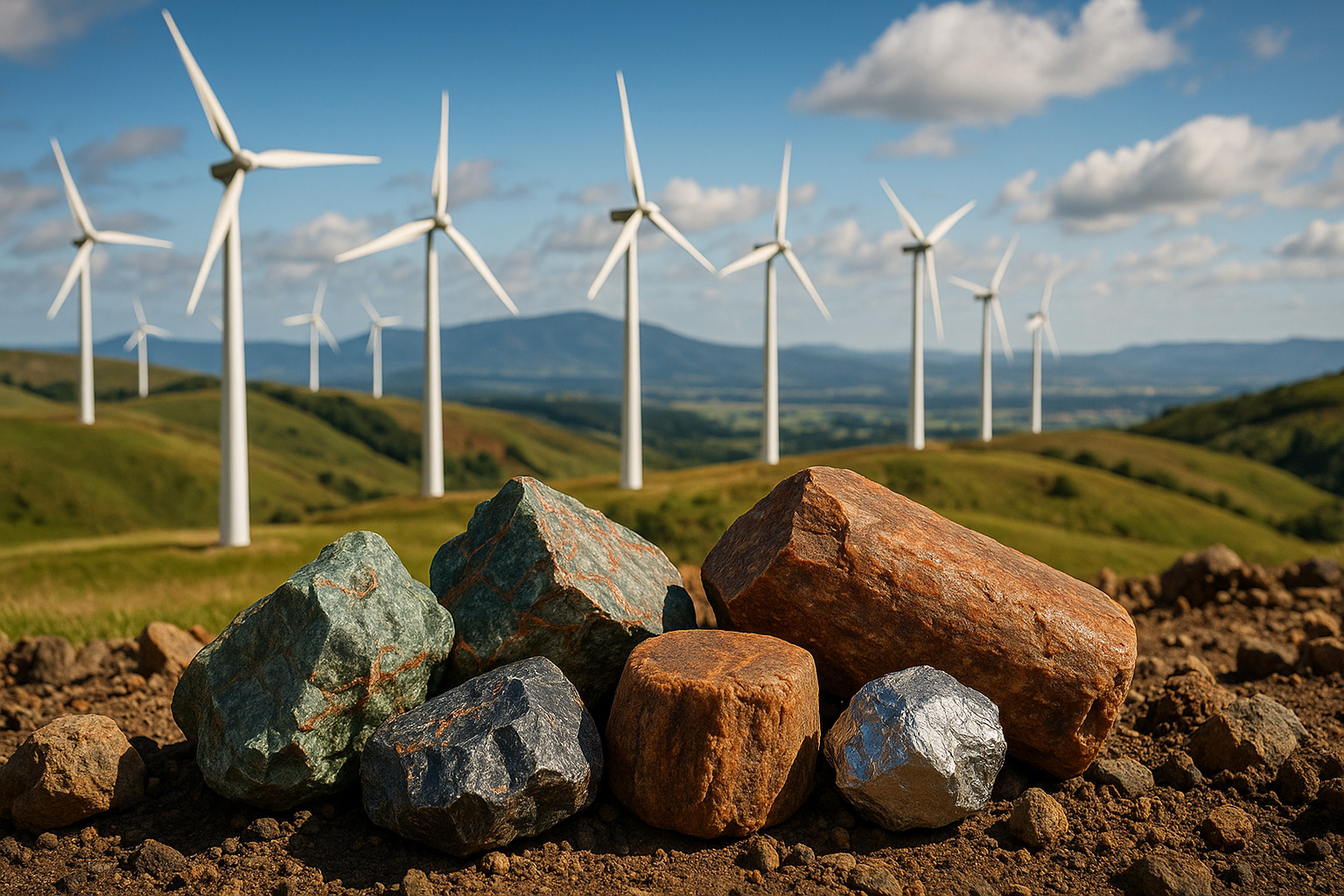
The Brazilian state accelerates industrial competitiveness with a focus on the extraction of strategic minerals to boost the energy transition in Goiás.
-
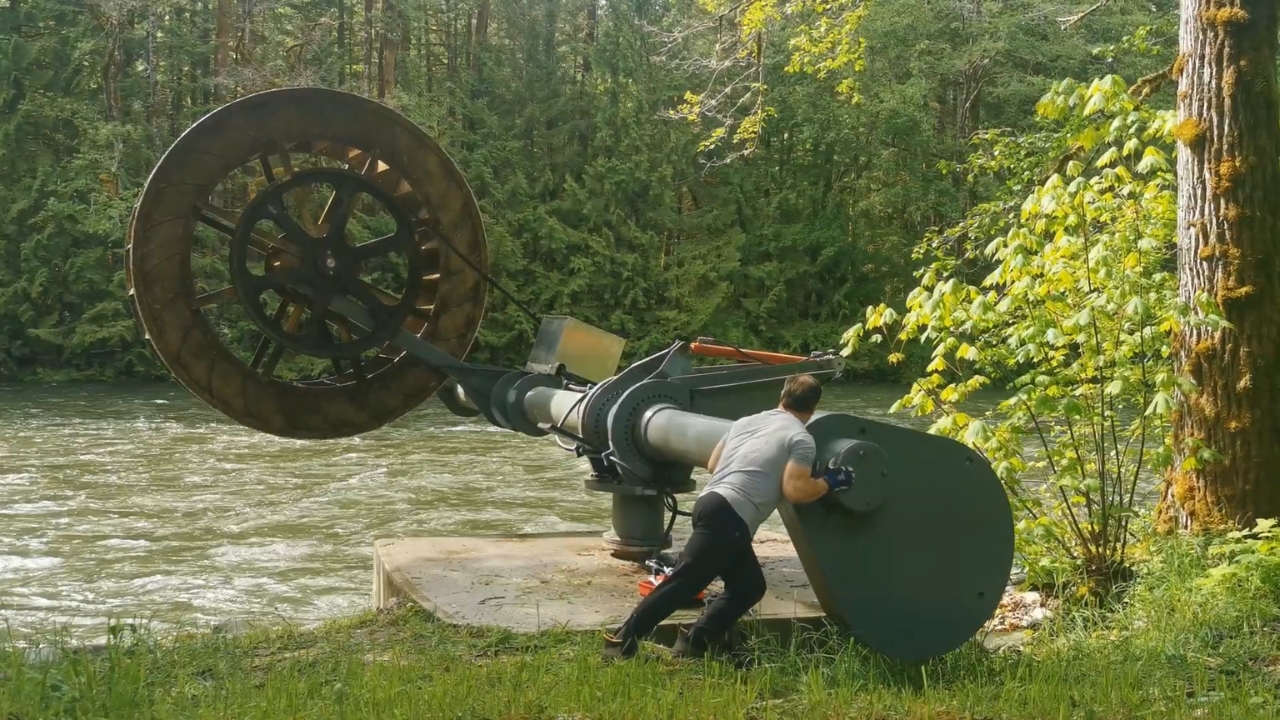
A Canadian retiree creates a hydroelectric system on a real river, generating energy continuously throughout the day and demonstrating how the power of water can supply a house with stability even in a simple structure.
-
Petrobras reaffirms its commitment to the market and ensures that it will carry out the energy transition safely to maintain national sovereignty.

-
Researchers discover a possible hydrogen deposit of up to 46 million tons beneath an ancient coal basin, and the volume could exceed half of the entire global production.


- Installed capacity of 1,158 MW, representing a 6% increase in the total installed electric power in the country;
- Production of 1,766 GWh per year, enough to meet the energy needs of 440,000 households;
- Capacity to store enough water to generate 40 million kWh, equivalent to the energy consumed by 11 million people over 24 hours;
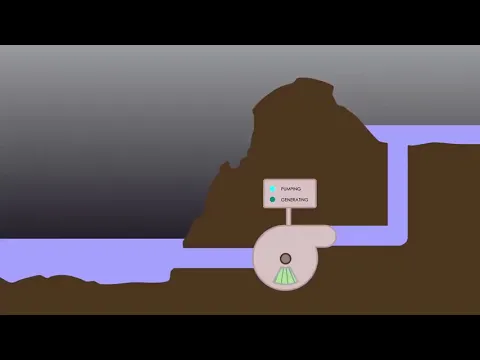
Known as reversible hydropower plants (RHP), these facilities in Portugal have a mechanism to pump water from the lower reservoir to the upper one. Associated with other generating sources (preferably renewable), these plants are also called ‘water batteries’ because their function is similar to that of a regular battery, acting as energy accumulators.
Learn Quickly How a Reversible Plant Works

Global Trend: Reversible Plants in Focus in Portugal and the World
The installed capacity of RHP in operation worldwide reached around 160 GW in 2021, according to a report published by the International Hydropower Association. The U.S. has the largest installed generation capacity from RHP, with 31 GW.
A study conducted by researchers from the Electric Sector Study Group (Gesel) at the Federal University of Rio de Janeiro (UFRJ) mapped the existence of 5,600 viable potential projects for reversible plants (Pumped Hydropower Storage – PHS) in Brazil. The computational model used by the researchers identified 145,000 potential RHP projects around existing dams, which were reduced to 5,600 optimized projects.
Reversible hydropower plants are regaining their prominence as an effective and sustainable way to store renewable energy. Projects like the Tâmega Complex in Portugal and potential projects in Brazil demonstrate the goals and importance of this technology for the world’s energy future.








No Brasil, em operação, já existem quantas UHR em operação? Quais são as cinco maiores e quais as potências instaladas?
No Brasil já temos a energia potencial naturalmente, muitas opções de arranjos com a água lá ponto alto, só represar e aproveitar a queda (alguns casos nem é necessária a represa).
Outros países necessitam de energia solar ou eólica para elevar a água ao alto e depois usar sob demanda, o que solar e eólica não conseguem, embora tenha muita gente achando que energia solar e eólica são a solução (sugestão a estas pessoas, estudem o problema de intermitência de energia solar/eólica). Hidrelétricas somente serão substituídas por solar / eólica quando se resolver o problema de armazenamento destas fontes (baterias ainda são inviáveis para esta escala).