





 English
  Francês
  Alemão
  Italiano
  Japonês
  Norueguês
  Portuguese
  Spanish
  6 min of reading
  0 comments



Discover how a Brazilian city transformed its reality by investing in solar energy, reducing electricity bills, cutting public expenses, and boosting the use of clean technology.
The Brazilian city of Pirapora, in Minas Gerais, has been drawing attention across the country for an achievement that seems distant from the reality of many Brazilians: drastically reducing the electricity bill through solar energy. According to information from Olhar Digital on March 24, in a scenario marked by high tariffs and constant adjustments, the municipality managed to transform its energy matrix based on clean technology, bringing real savings and a direct impact on the lives of the population.
Right from the first analyses, it becomes evident that this is not just an isolated initiative. Over the past few years, Pirapora has built an efficient energy ecosystem, supported by significant investments in photovoltaic plants and the growing adoption of solar systems by residents and businesses. The result is a significant reduction in electricity costs, as well as a new economic positioning for the region.
This movement also reinforces a global trend. The search for renewable sources has ceased to be just an environmental agenda and has come to represent a solid economic strategy. In the case of this Brazilian city, the change can already be felt in the pockets of residents and in local development.
-
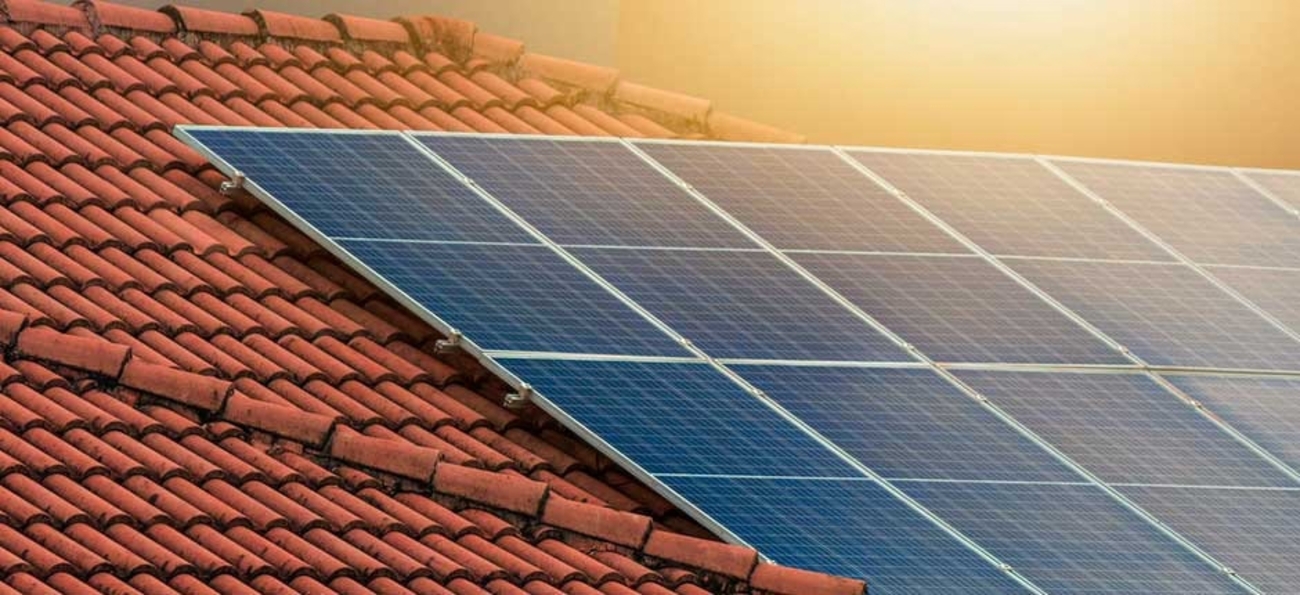
Roraima bets on the sun to escape high tariffs: Amid the energy crisis and price hikes, solar energy is growing in Roraima and transforming consumption in the North region.
-
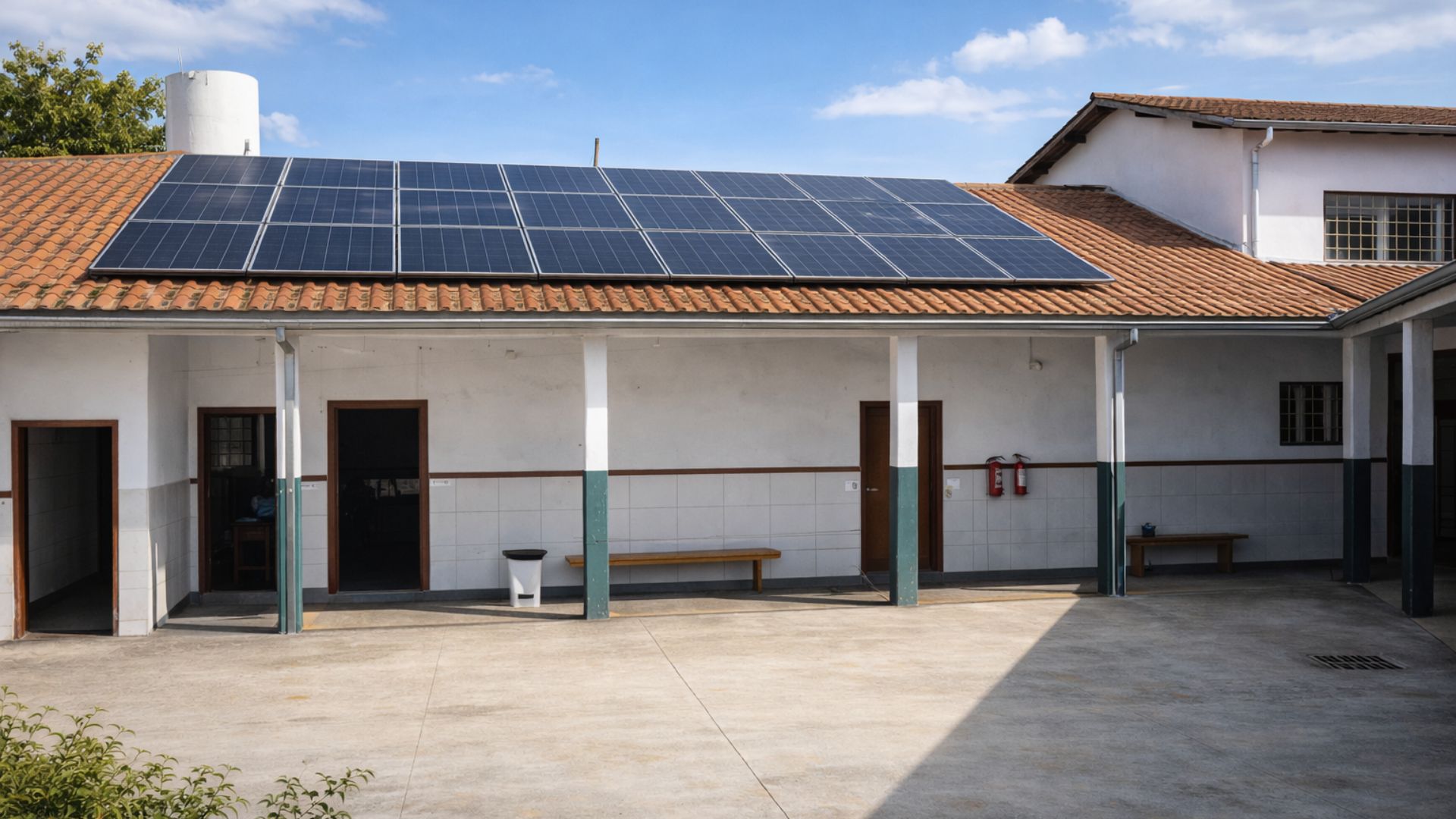
Copel boosts solar energy in Paraná and brings innovation to public schools, promoting savings on electricity bills, energy efficiency, and a direct impact on the quality of education.
-
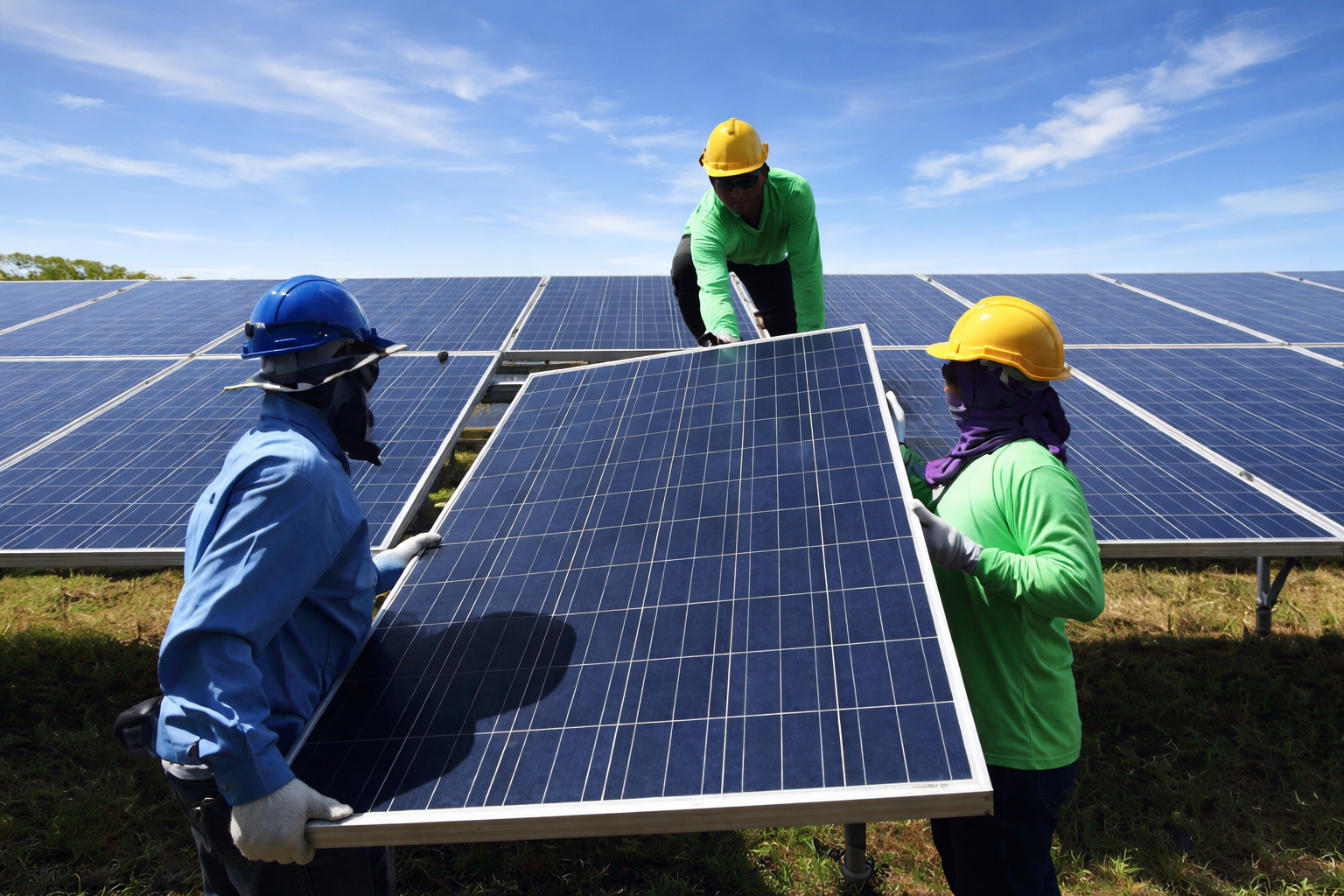
Brazil reaches historic milestone in solar energy: Sector surpasses 2 million accumulated green jobs and generates billions in the national economy even under market pressure.
-
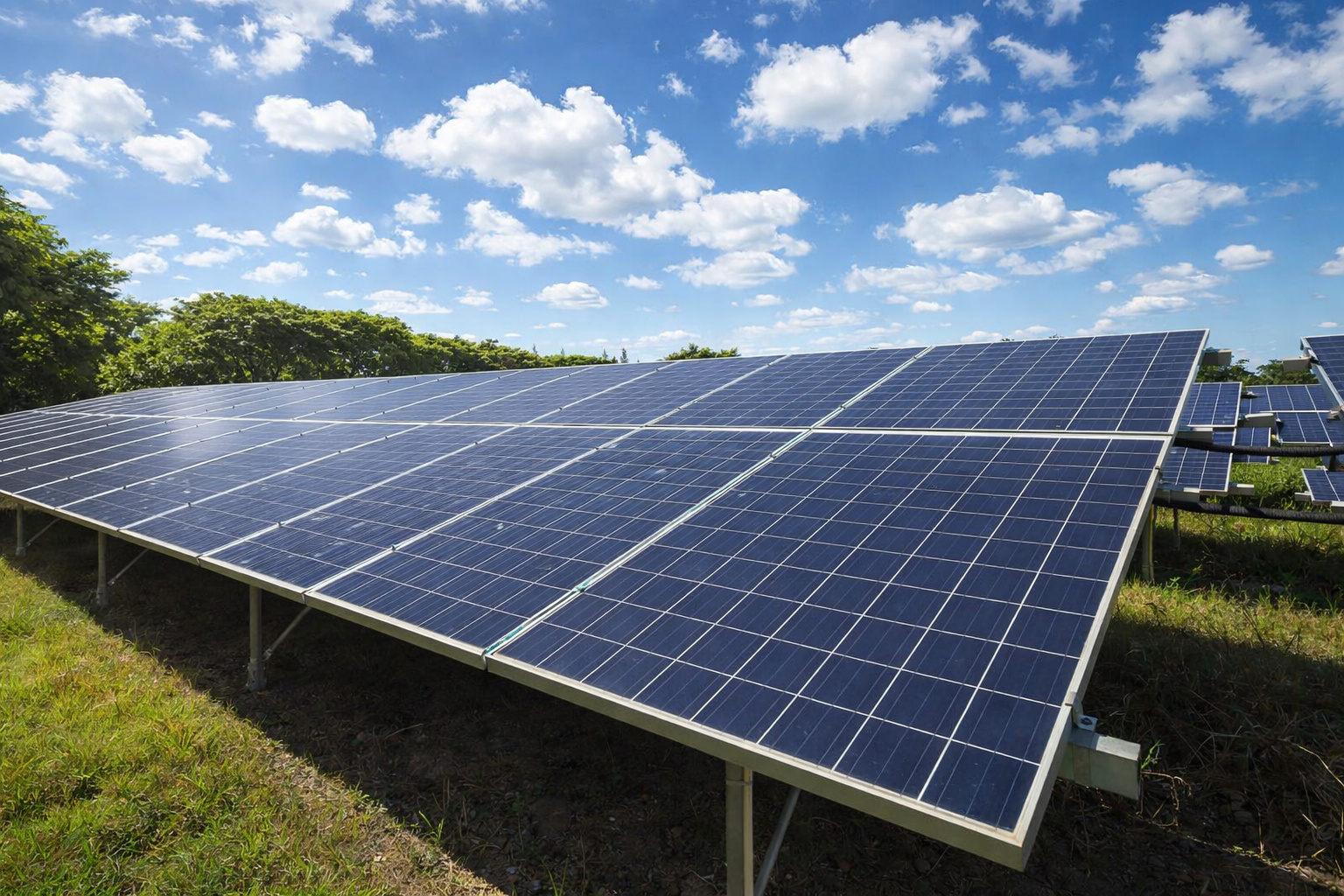
Minas Gerais takes the lead in renewable energy: State surpasses historic mark of 14 GW in solar energy generation in MG and consolidates dominance in the Brazilian electric sector.

How the Brazilian city became a national reference in solar energy
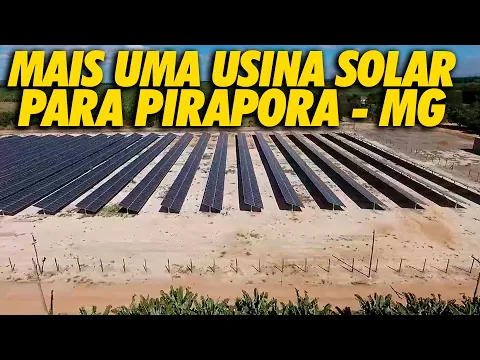
Pirapora has established itself as one of Brazil’s main references when it comes to photovoltaic generation. The Brazilian city has begun to receive significant investments in solar energy parks, boosting its energy production capacity.
The concentration of solar plants registered in the region is one of the factors explaining this progress. Minas Gerais, in fact, leads distributed generation in the country, according to data from the National Electric Energy Agency. Within this scenario, Pirapora stands out as a strategic hub.
Another relevant point is the local geography. The high solar incidence throughout the year favors the efficiency of photovoltaic systems. This makes energy production more constant and predictable, which directly impacts the reduction of the electricity bill.
Additionally, the presence of large energy enterprises has attracted investors and companies, strengthening the local economy. The Brazilian city has begun to integrate the map of the most promising regions in the renewable energy sector.
Solar energy in practice: why the electricity bill dropped so much
The operation of solar energy is based on the conversion of sunlight into electricity through photovoltaic panels. In Pirapora, this technology has scaled, allowing residents and businesses to generate their own energy.
As a result, dependence on the traditional power grid has decreased considerably. Consequently, the electricity bill has shown much lower values, in some cases close to zero, depending on the level of generation and consumption.
Another decisive factor is the energy compensation system, regulated in Brazil. When the consumer generates more energy than they consume, the surplus becomes credit. These credits can be used during periods of lower generation, ensuring continuous savings.
This model strengthens the role of clean technology as a viable solution not only for large companies but also for households. Over time, the initial investment tends to pay off, making the system even more attractive.

Direct impacts of clean technology on the pocket and local economy
The change in the energy sector of Pirapora has brought concrete effects for the population. The reduction of the electricity bill is just the first reflection of a broader change that involves savings, employment, and development.
With lower energy expenses, residents have gained greater purchasing power. This money, previously allocated to electricity, can now be used for other needs, boosting local commerce.
Companies have also benefited. The reduction in operational costs has increased competitiveness and opened up space for new investments. This has contributed to the economic growth of the Brazilian city.
Furthermore, the expansion of solar energy has generated direct and indirect jobs. Professionals specialized in the installation, maintenance, and operation of photovoltaic systems have become more in demand.
Another important impact is sustainability. The adoption of clean technology reduces the emission of polluting gases and decreases dependence on more expensive and environmentally harmful energy sources.
Natural conditions and strategy explain the success of Pirapora
Not all regions have the same potential for solar generation. In the case of Pirapora, the combination of natural factors and strategic decisions has been decisive for success.
The Brazilian city is located in an area with high solar radiation incidence, which favors the performance of photovoltaic plants. This factor ensures greater efficiency in solar energy production throughout the year.
Additionally, the municipality has available areas for the installation of large solar parks. This has facilitated the expansion of infrastructure and attracted companies interested in investing in the sector.
Another important point is the Brazilian regulatory environment. The country has rules that encourage distributed generation, allowing consumers to produce their own energy and reduce the electricity bill with legal security. This set of factors explains why the Brazilian city has managed to advance so consistently in the energy sector.
Expansion of solar plants and new investments in the Brazilian city
In recent years, Pirapora has received significant investments in energy infrastructure. The installation of large solar energy plants has expanded generation capacity and consolidated the municipality as a hub in the sector.
These projects have attracted national and international companies interested in the region’s potential. As a result, the Brazilian city has begun to stand out not only for energy production but also for its favorable business environment. The expansion of plants has also brought indirect impacts. The increase in economic activity has benefited sectors such as commerce, services, and construction.
Moreover, the presence of cheaper and more sustainable energy has contributed to the appreciation of the region. Companies that depend on high energy consumption have begun to see Pirapora as a strategic alternative. In this context, clean technology has ceased to be just an environmental solution and has become a starting point for economic development.
What this model reveals about the future of electricity bills in Brazil
The case of Pirapora raises an important question: is it possible to replicate this model in other regions of the country? The answer, according to experts, is yes, but with adaptations.
Each Brazilian city has its own characteristics, such as climate, infrastructure, and investment capacity. However, the adoption of solar energy tends to grow throughout Brazil, driven by the search for savings and sustainability.
The reduction of the electricity bill is one of the main motivators for this expansion. With advances in technology and falling equipment costs, self-generated energy is becoming increasingly accessible.
Additionally, public policies and incentives can accelerate this process. Financing programs and partnerships between the public and private sectors are essential to broaden access to clean technology. Brazil, due to its geographical location, has one of the largest solar potentials in the world. Harnessing this resource can transform the national energy matrix.
When cheap energy becomes development and changes the lives of the population
The example of Pirapora shows that energy transformation goes beyond savings on the electricity bill. It is a structural change that directly impacts the quality of life of the population.
With access to cheaper energy, residents can reorganize their finances. Businesses grow, new ventures arise, and the Brazilian city becomes more competitive.
Solar energy also contributes to stability in supply, reducing dependence on traditional sources subject to cost variations.
At the same time, the adoption of clean technology positions the municipality within a global sustainability agenda. This attracts investments and strengthens the city’s image on the national stage. Pirapora demonstrates, in practice, that energy innovation is not just a trend, but a solution to economic and environmental challenges.









Seja o primeiro a reagir!