





 Português
  Inglês
  Espanhol
 6 min de leitura
  0 comentários



TJCE Expands Use of Solar Panels in Ceará Forums, Promoting Clean Solar Energy, Cost Reduction, and Sustainable Practices in the State Judiciary. Check Details of the Work Order and Environmental Impact.
On Wednesday, the Court of Justice of Ceará (TJCE) signed an important work order to increase the generation of solar energy through solar panels in forums of Ceará. The project, expected to be completed in six months, represents a strategic action for sustainability, cost savings, and technological innovation in the state judiciary.
The investment is estimated at R$ 1,137,225.00 and includes the installation of systems in eight counties in the interior, with the possibility of expansion to another 14 judicial units that will be able to receive the excess credits from generated energy. The initiative is part of the TJCE Digital Transformation Strategy and the Program for the Modernization of the Ceará Judiciary (Promojud), reinforcing the importance of solar energy as a vector for efficiency and sustainability in the public sector.
The Importance of the Work Order from TJCE for Solar Energy in Ceará
The signing of the work order by TJCE demonstrates the institution’s commitment to sustainability and energy innovation. The use of solar panels allows for significant reductions in operational costs while also mitigating environmental impacts, as the generation of solar energy emits no pollutants and generates no solid waste.
-
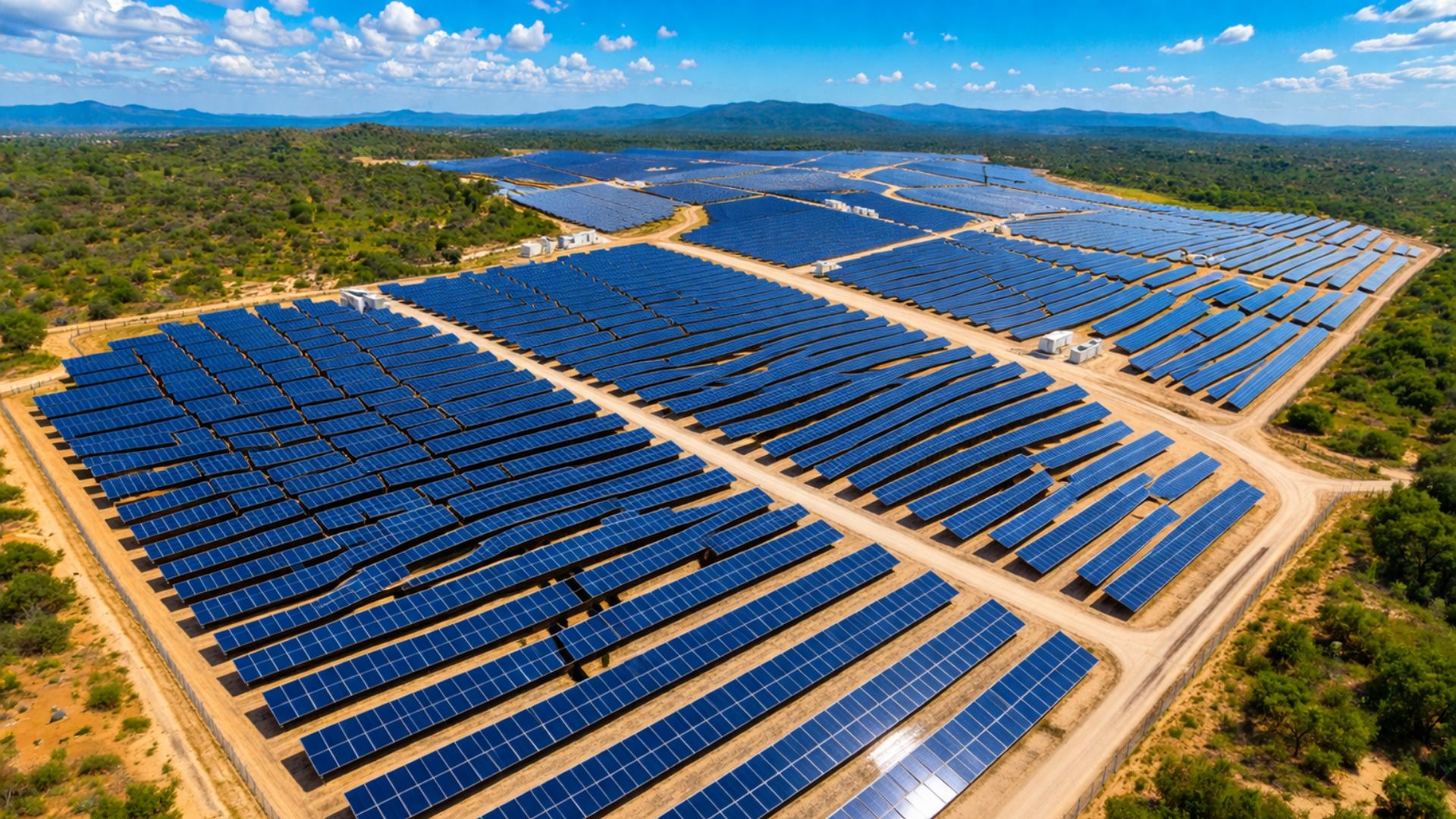
The Sol do Agreste Photovoltaic Complex begins operations in Pernambuco and accelerates the expansion of solar energy in Brazil, directly impacting the reduction of emissions and strengthening the sustainable energy matrix.
-
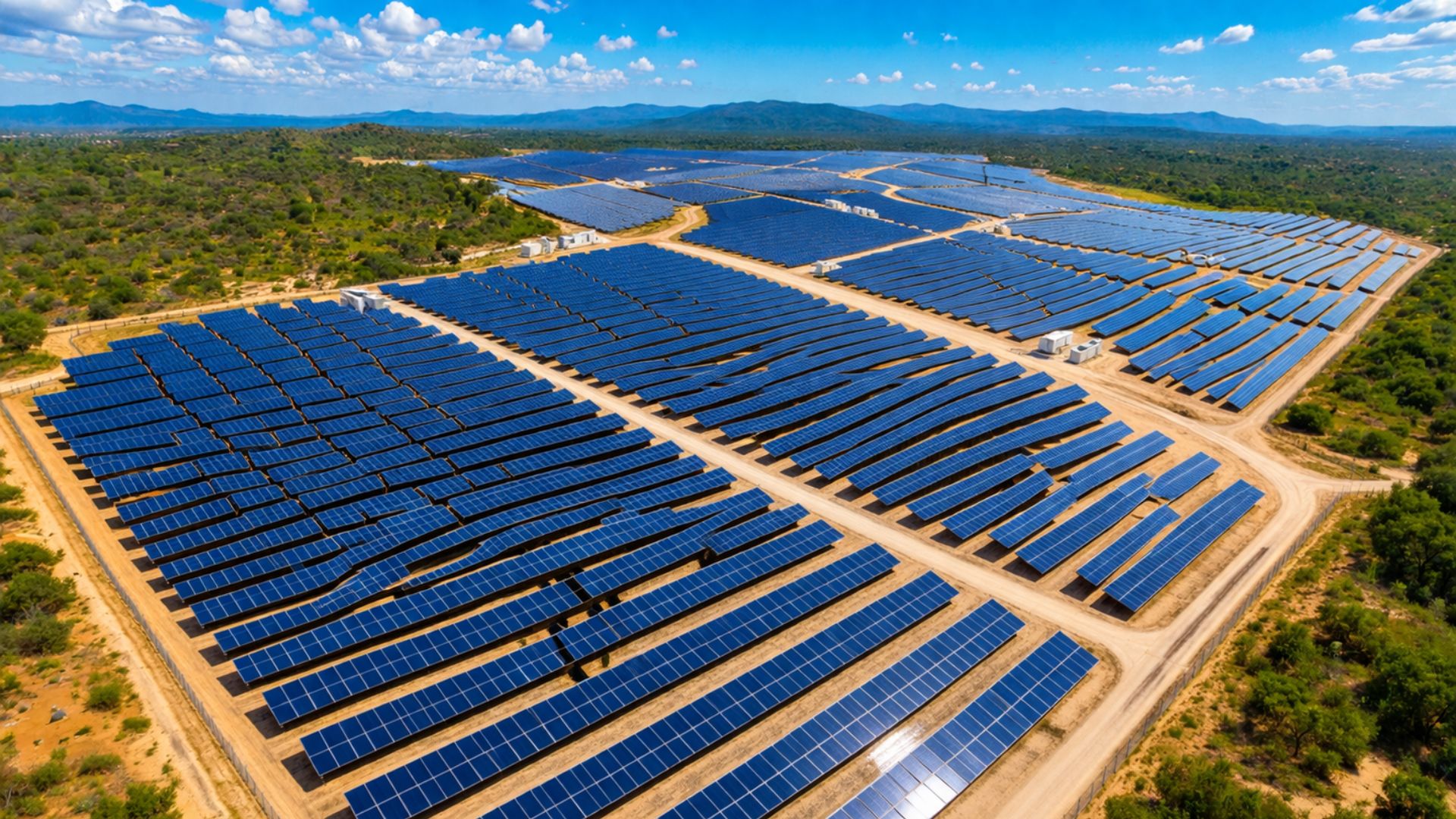
The Sol do Agreste Photovoltaic Complex begins operations in Pernambuco and accelerates the expansion of solar energy in Brazil, directly impacting the reduction of emissions and strengthening the sustainable energy matrix.
-
Roraima bets on the sun to escape high tariffs: Amid the energy crisis and price hikes, solar energy is growing in Roraima and transforming consumption in the North region.

-
Copel boosts solar energy in Paraná and brings innovation to public schools, promoting savings on electricity bills, energy efficiency, and a direct impact on the quality of education.
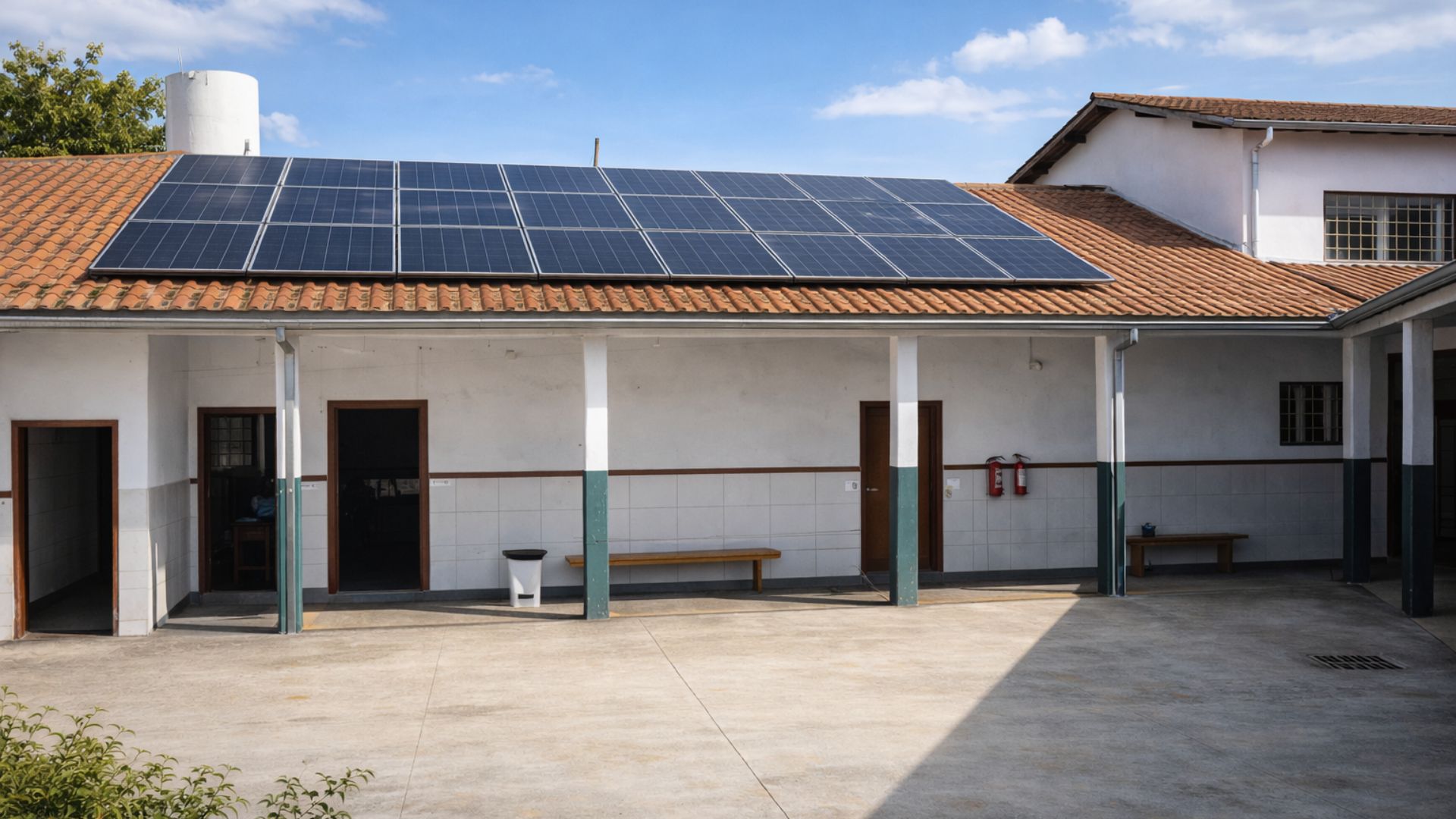

The project initially includes eight counties, including Araripe, Beberibe, Jaguaribe, Marco, Acopiara, Jucás, Jardim, and Milagres, with forecasts for smaller units to benefit from generated credits. Thus, TJCE enhances the energy efficiency of its units while strengthening sustainable practices that can serve as a model for other public institutions.
Environmental Sustainability and Benefits of Solar Energy in the Judiciary
The use of solar panels by TJCE goes beyond financial savings: it is a concrete action for environmental preservation. The conversion of sunlight into electricity prevents carbon dioxide (CO₂) emissions and contributes to the protection of local natural resources, such as watersheds and vulnerable ecosystems.
According to the Infrastructure Director of TJCE, Anita Maria da Silva, the expansion of solar panels is a significant step to face climate change and reduce the institution’s carbon footprint. The action aligns with Resolution No. 594/2024 of the CNJ, which established the Zero Carbon Justice Program, and also contributes to the fulfillment of the UN Sustainable Development Goals, reinforcing TJCE’s alignment with international sustainability practices.
Implementation of Solar Panels in the Counties of Ceará
The first phase of TJCE’s solar energy expansion includes eight strategic counties in the interior of Ceará. It is expected that, after installation, the smaller units will receive excess credits, promoting savings and efficiency in the grid.
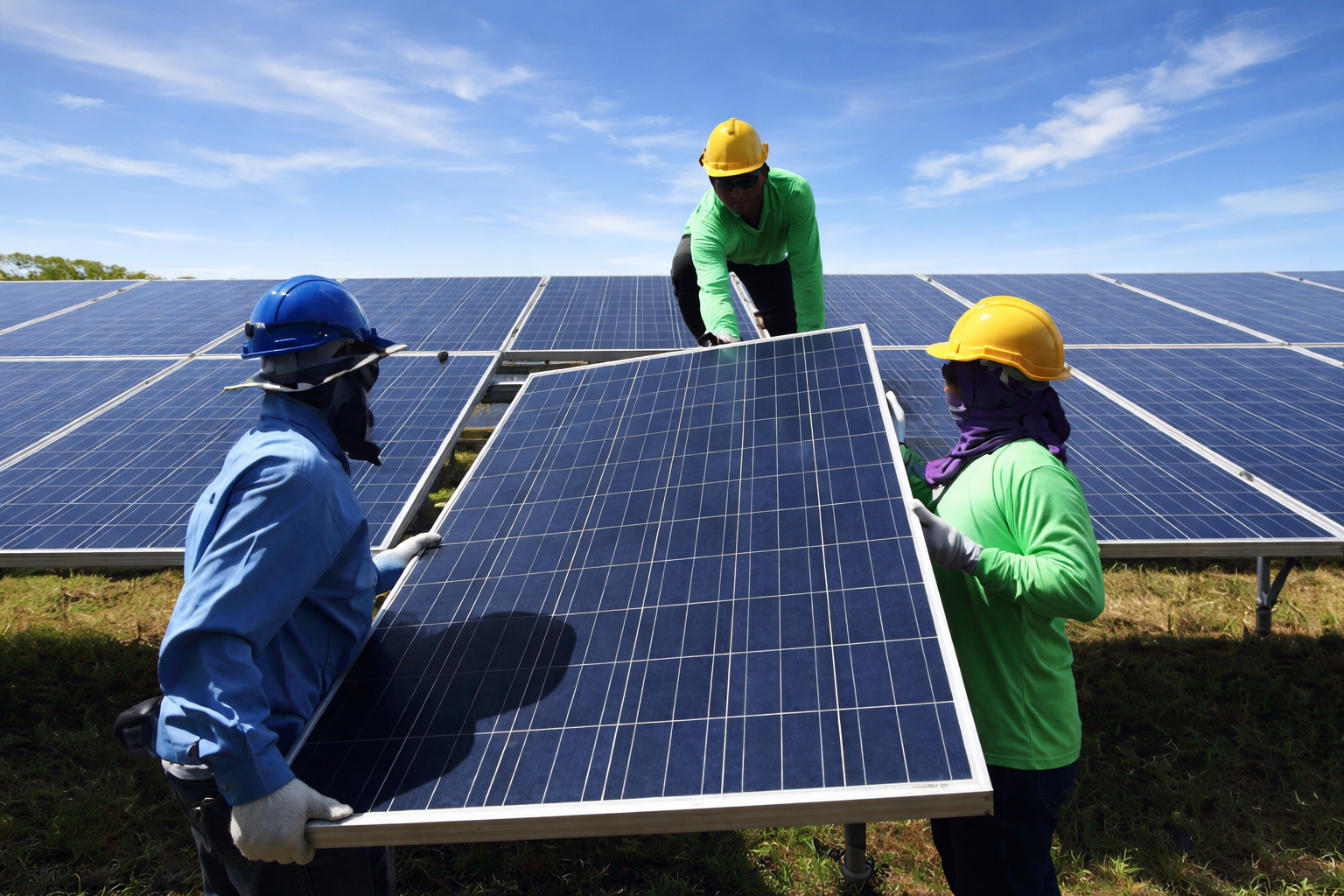
The schedule anticipates the completion of work in six months, during which state-of-the-art photovoltaic systems will be installed. With this, TJCE expects to reduce conventional electricity consumption and generate an immediate positive impact on the operation of the forums.
The measure also strengthens the technical capacity of the Judiciary to deal with renewable energies and ensures that the Ceará units are aligned with modern policies on energy efficiency and environmental responsibility.
Previous Experience with Solar Energy in TJCE Forums
The TJCE already operates with solar panels in two forums: Russas and Itapajé, since February 2020. These systems have generated enough energy to fully meet the demands of these units, in addition to providing surplus for other counties, such as Aracati, Jaguaruana, Pentecoste, Umirim, and Amontada.
By December 2025, installations have produced 1,499,000 kWh of clean energy, preventing the emission of 74.95 tons of CO₂, which is equivalent to the planting of 3,568 adult trees. These results demonstrate that the adoption of solar energy in the Ceará Judiciary is an effective strategy for sustainability and savings of public resources.
Economic and Operational Benefits of Solar Energy in Ceará
The installation of solar panels brings various financial advantages to TJCE, directly impacting the management of judicial units. Among the main benefits are reduction of electricity costs, allowing saved resources to be directed towards improvements in jurisdictional services, and decreasing dependence on conventional energy, which provides greater operational autonomy to the counties. Additionally, the initiative strengthens institutional value, demonstrating the court’s commitment to sustainable practices and energy efficiency.
With the expansion of the project, TJCE not only increases immediate savings but also projects long-term benefits in energy management and carbon emission reductions, consolidating itself as a reference in innovation and sustainability in the public sector. This approach reinforces the strategic importance of solar energy as a tool for operational efficiency, environmental responsibility, and institutional strengthening.
Alignment of TJCE with National and International Clean Energy Policies
The expansion of solar energy by TJCE is fully integrated into public policies and national programs, such as the Zero Carbon Justice Program of the CNJ, and also follows global recommendations related to the UN Sustainable Development Goals.
This integration shows that the adoption of solar panels goes beyond simple financial savings: it is a strategic measure for environmental responsibility, aligned with decarbonization trends and energy efficiency that are becoming increasingly relevant in public agencies.
Furthermore, investment in solar energy strengthens TJCE’s institutional image, reinforcing its leadership in sustainability in Ceará and inspiring other entities to adopt similar practices.
Challenges and Opportunities of Solar Energy Expansion at TJCE
The implementation of solar panels also involves operational challenges. It is necessary to ensure adequate maintenance, train technical teams, and efficiently manage excess energy credits so that the system functions continuously and safely. These precautions are essential to maximize the benefits of solar energy and ensure that sustainability and savings objectives are achieved.
On the other hand, the project opens important opportunities for TJCE. Among them are the future expansion to other judicial units in the interior of Ceará, the establishment of partnerships with public agencies and private initiatives aimed at sustainability, and the integration of complementary technologies, such as energy storage and hybrid systems. These actions ensure that TJCE continues innovating in solar energy, consolidating a long-term strategy that combines efficiency, savings, and environmental responsibility.
TJCE and the Consolidation of Solar Energy in the State Judiciary
The signing of the work order for the expansion of solar panels by TJCE is a milestone that reinforces the importance of solar energy in the Ceará Judiciary. The initiative highlights that investing in sustainability is not just an environmental issue but also strategic, generating savings, efficiency, and greater energy autonomy.
With this project, TJCE consolidates itself as a reference in institutional innovation, demonstrating that public agencies can reconcile technology, sustainability, and efficient management of public resources. By increasing the generation of clean energy in various counties of Ceará, the court promotes a culture of environmental responsibility, while ensuring operational efficiency and reducing negative impacts on the environment.
The expansion of solar panels in the state judiciary represents, therefore, a practical example of how public institutions can lead the transition to a more sustainable future, inspiring other entities to adopt similar practices and strengthening the relevance of solar energy as a clean and economical solution for the public sector.








Seja o primeiro a reagir!