





 English
  Francês
  Alemão
  Italiano
  Japonês
  Norueguês
  Portuguese
  Spanish
 5 min of reading
  0 comments


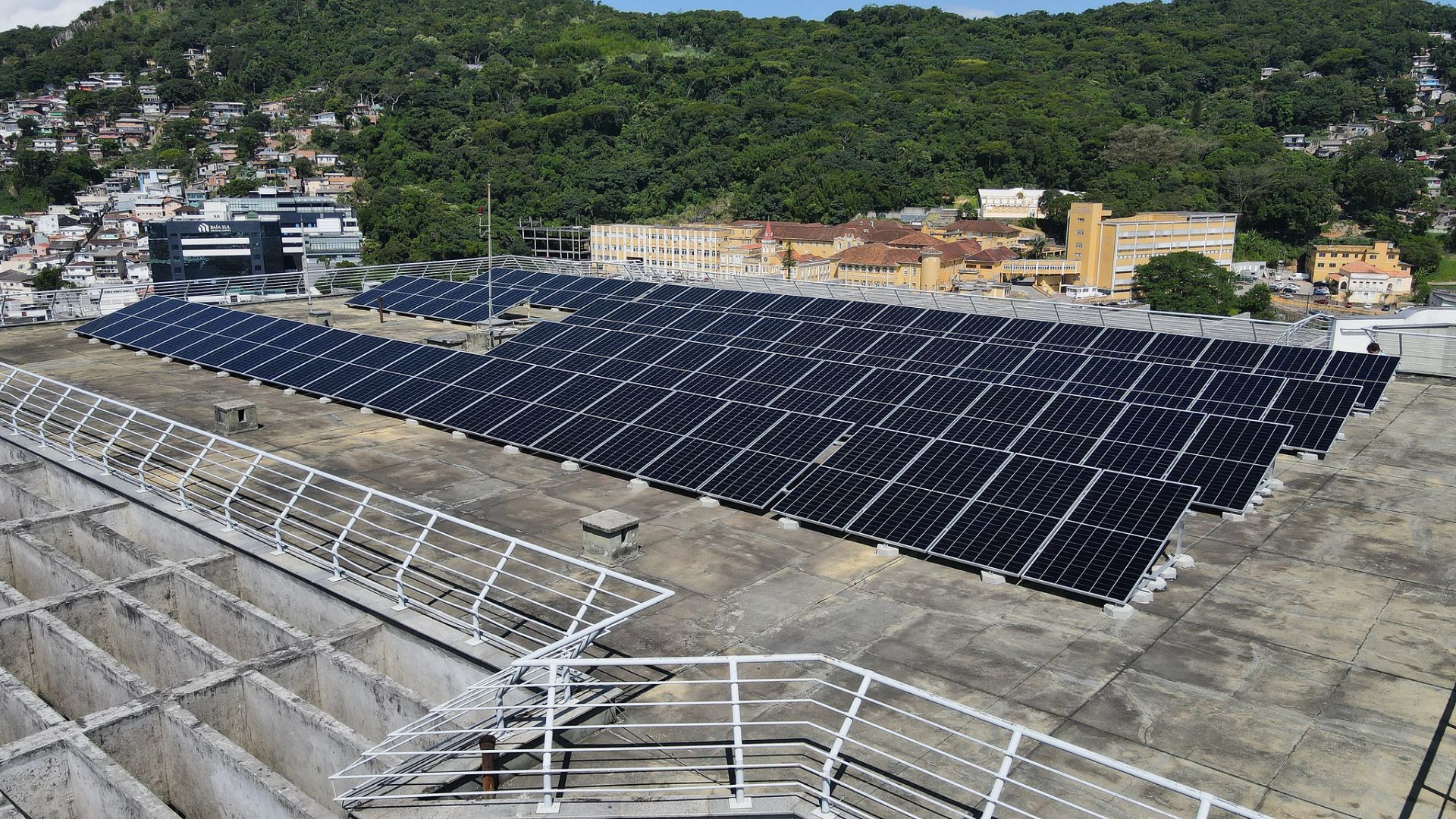
TJSC Advances Sustainability by Installing Solar Energy Systems in Judiciary Buildings, Reducing Operational Costs, Increasing Energy Efficiency, and Promoting Public Resource Savings in Santa Catarina
The Judiciary of Santa Catarina has made concrete progress on the environmental agenda by increasing the use of solar energy in judiciary buildings, strengthening institutional policies aimed at energy efficiency and public resource savings. This initiative, led by TJSC, is part of a set of actions aligned with the guidelines of the National Justice Council (CNJ) and the Sustainable Development Goals (SDGs) of the 2030 Agenda of the United Nations.
TJSC Invests in Solar Energy as an Institutional Sustainability Strategy
According to a report published by TJSC itself on Friday (9), throughout 2025, four new photovoltaic plants were installed in Santa Catarina districts and at the Tribunal headquarters in Florianópolis. The project reduces fixed costs, minimizes environmental impact, and reinforces the Judiciary’s commitment to a more modern and responsible public management.
The investment in solar energy represents a strategic step for TJSC to make its operations more sustainable. The self-generation of energy from renewable sources allows for reduced dependence on the conventional electrical system and mitigates environmental impacts associated with energy consumption.
-
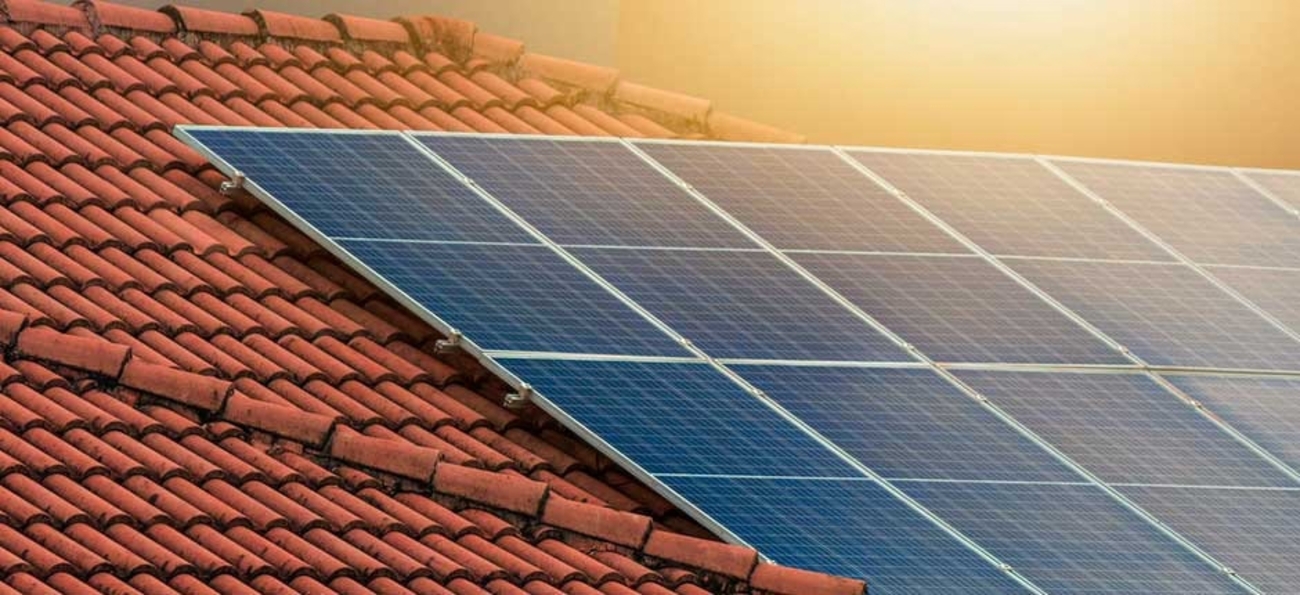
Roraima bets on the sun to escape high tariffs: Amid the energy crisis and price hikes, solar energy is growing in Roraima and transforming consumption in the North region.
-
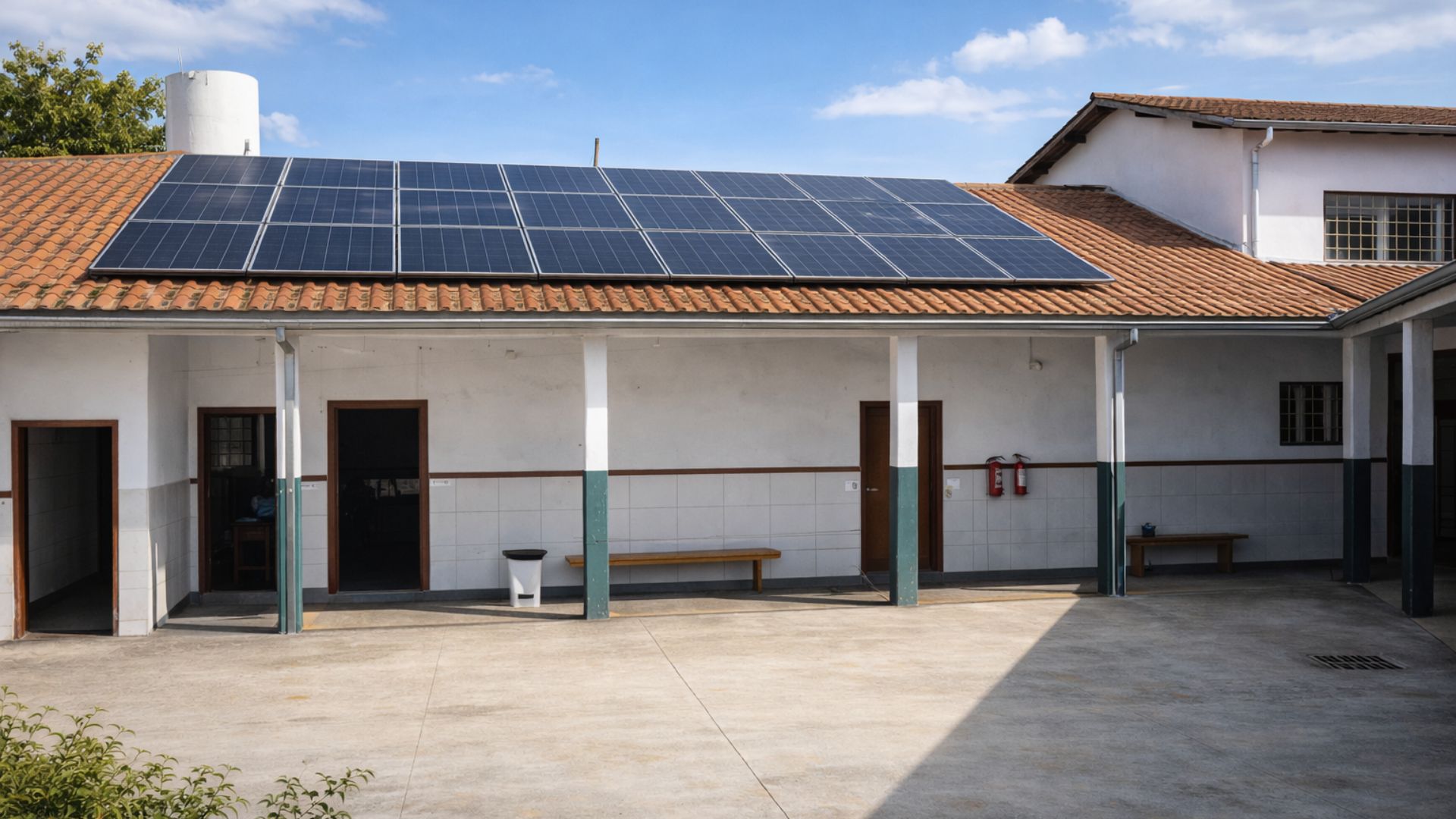
Copel boosts solar energy in Paraná and brings innovation to public schools, promoting savings on electricity bills, energy efficiency, and a direct impact on the quality of education.
-
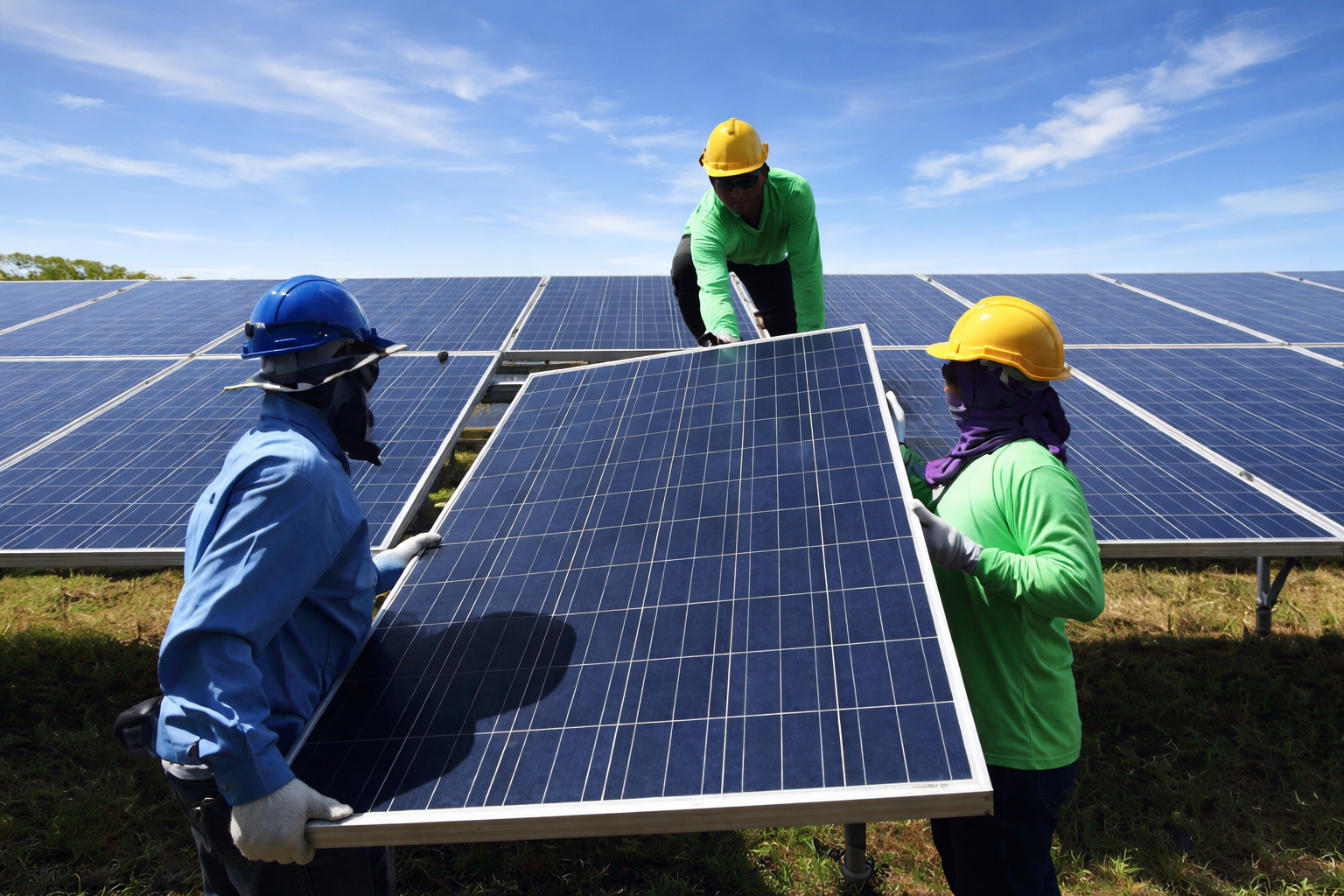
Brazil reaches historic milestone in solar energy: Sector surpasses 2 million accumulated green jobs and generates billions in the national economy even under market pressure.
-
Minas Gerais takes the lead in renewable energy: State surpasses historic mark of 14 GW in solar energy generation in MG and consolidates dominance in the Brazilian electric sector.
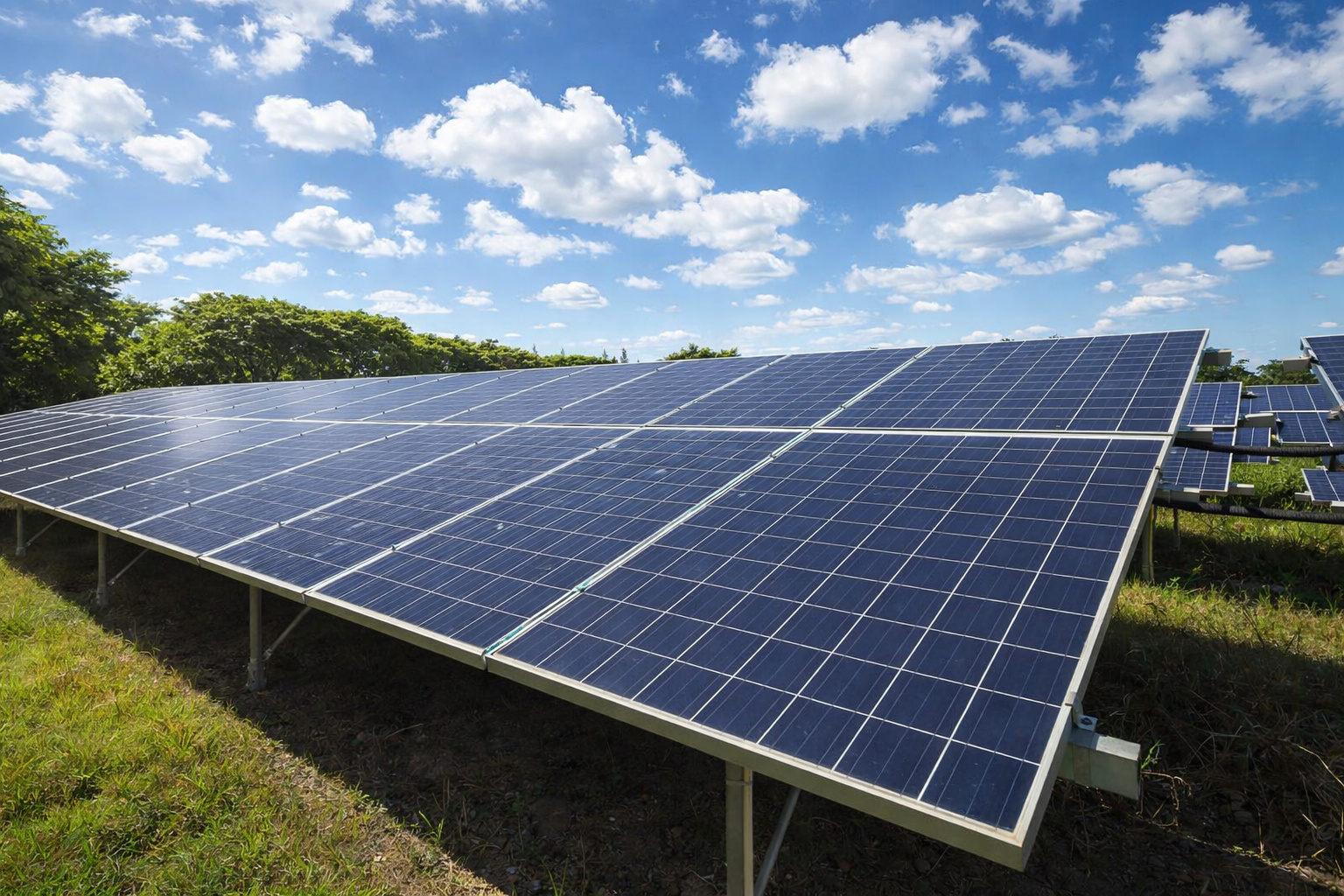

The new photovoltaic plants were installed in the districts of Garuva, Guaramirim, São Lourenço do Oeste, and at Tower I of the Santa Catarina Court of Justice headquarters in Florianópolis.
The installed capacities range between 50 and 61 kilowatt-peak (kWp), a standard adopted to meet part of the energy demand of these judiciary buildings. The adoption of solar energy consolidates sustainability as a permanent policy within the Santa Catarina judiciary.
Judiciary Buildings Receive Photovoltaic Plants in Different Regions
The expansion of the solar energy project by TJSC reaches different regions of Santa Catarina, ensuring that the benefits of self-generated energy are distributed in a decentralized manner. This strategy increases operational efficiency and strengthens the policy of public resource savings.
The installations took place in the following locations:
- Garuva, with a 60 kWp plant
- Guaramirim, with a 60 kWp plant
- São Lourenço do Oeste, with a 61 kWp plant
- Florianópolis, at Tower I of TJSC, with a 50 kWp plant
These units add to the photovoltaic plant installed in Lages, which became operational at the beginning of 2023 and served as a technical base for the project expansion. The presence of plants in different judiciary buildings enhances energy efficiency gains and reduces recurring costs.
Energy Efficiency Guides Decisions of TJSC
Energy efficiency is one of the central pillars of TJSC‘s environmental policy. The installation of solar energy systems is part of a broader set of measures aimed at modernizing the physical infrastructure of judiciary buildings.
These actions meet the indicators established by the CNJ, which encourages Brazilian courts to adopt sustainable practices, especially in the consumption of electricity, water, and waste management.
Reducing waste and optimizing resources has become a strategic guideline of public administration in the Santa Catarina judiciary. In addition to contributing to environmental sustainability, energy efficiency ensures greater budget predictability and reduces exposure to rate adjustments in the electricity sector.
Public Resource Savings with Self-generated Solar Energy
Self-generated solar energy has a direct impact on the savings of public funds. Although TJSC does not disclose detailed financial amounts per unit, it is widely accepted in the public sector that the electricity bill is one of the main fixed expenses for agencies with large physical structures.
With energy production within the judiciary buildings, there is a reduction in consumption from the conventional grid, which decreases monthly expenses and frees up resources for other priority areas.
The savings generated can be reinvested in technology, staff training, and improvement of services provided to society. Furthermore, photovoltaic systems have a lifespan of over two decades, ensuring financial and environmental returns in the long term.
Solar Energy Aligned with CNJ Resolutions and the 2030 Agenda
The solar energy project of TJSC is in accordance with the resolutions of the National Justice Council, which guide courts to adopt sustainable practices and monitor environmental indicators.
The initiative is also aligned with the United Nations Sustainable Development Goals, especially:
- SDG 7, which addresses access to clean and affordable energy
- SDG 11, focused on building sustainable cities and communities
This alignment reinforces the judiciary’s role as an active agent in the transition to a more sustainable economy.
Reduction of Environmental Impact in Santa Catarina Judiciary Buildings
The partial substitution of conventional energy with solar energy reduces the environmental impact of TJSC‘s activities. Photovoltaic generation emits no greenhouse gases during operation and contributes to the diversification of the energy matrix.
According to the director of Engineering and Architecture of the Court, Everton Tischer, the initiative reduces pressure on the public electricity generation and distribution system operated by utility companies.
The measure contributes to a more balanced energy system that is less dependent on non-renewable sources. This reduction of environmental impact strengthens the institutional image of the Santa Catarina judiciary as a reference in socio-environmental responsibility.
TJSC is already planning to expand the solar energy project starting in 2026. The expectation is to install between eight and ten new photovoltaic plants, with capacities similar to the current ones, ranging from 50 to 60 kWp.
The expansion reinforces the institutional commitment to energy efficiency, the savings of public resources, and environmental sustainability in the long term. The continuity of the project consolidates solar energy as a structural axis of public management in the judiciary.
Sustainability, Innovation, and Responsibility in the Santa Catarina Judiciary
The investment of TJSC in solar energy demonstrates that sustainability, innovation, and fiscal responsibility can walk hand in hand in the public sector. The expansion of photovoltaic plants in judiciary buildings generates environmental, operational, and financial benefits.
Focusing on energy efficiency, public resource savings, and alignment with national and international sustainability policies, the Judiciary of Santa Catarina strengthens its institutional performance and responds to society’s demands for more transparent and responsible management. The initiative shows that environmental commitment has ceased to be mere rhetoric and has become part of the daily practice of public administration.








Seja o primeiro a reagir!