





 Portuguese
  English
  Spanish
  5 min of reading
  1 comment


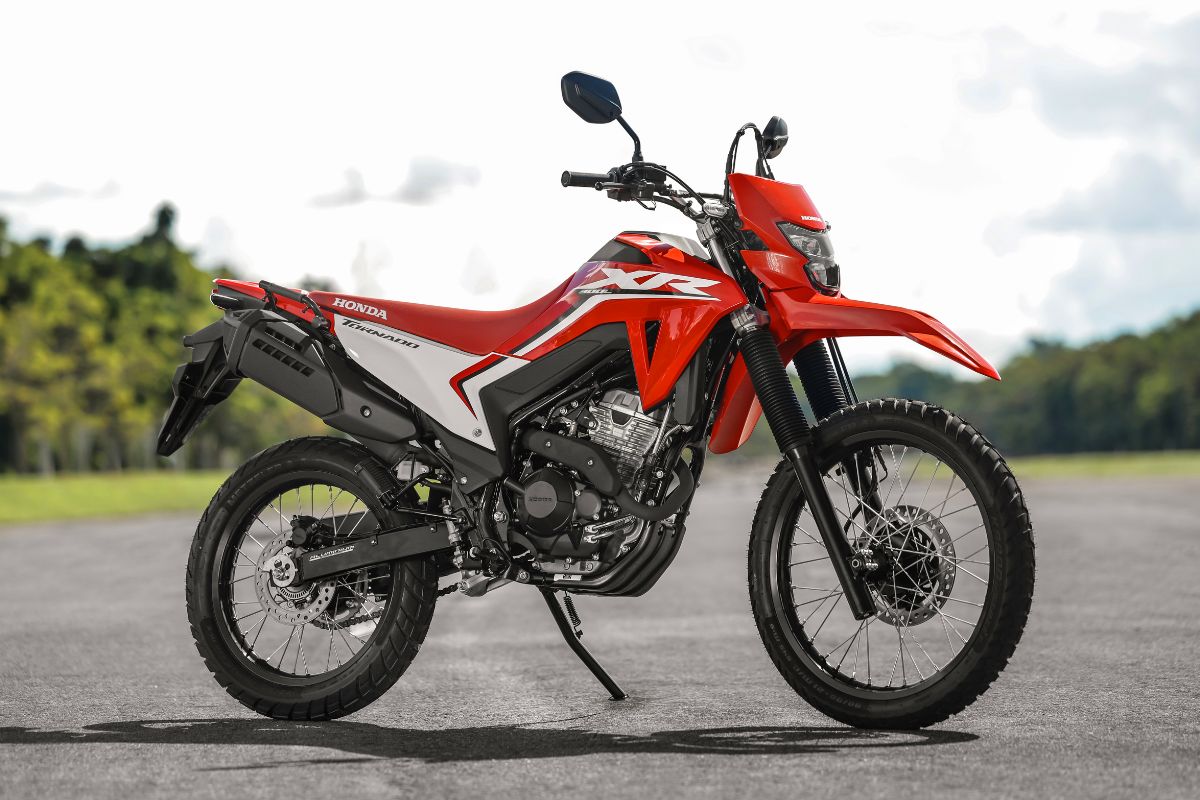

With Promise Of Recapturing The Trail DNA, The Tornado 300 Arrived With A Strong Name And High Expectation But Price, Technical Package And Change Of Audience Pushed The Model To A Performance Below Expected.
The Tornado 300 was born to fill an emotional gap in the Brazilian market: the return of a “root” trail, simple, lightweight, and ready to face holes and dirt without fear. The name played in its favor, the memory of the XR 250 spoke loudly, and the scenario seemed perfect for instant success.
In practice, the Tornado 300 delivered satisfactory handling and a robust set, but did not win the value equation. High price, sharing components with cheaper motorcycles and a consumer who shifted to urban comfort formed the combination that explains why the “great return” didn’t become market leader.
What The Tornado 300 Promised And What It Delivered
Honda’s bet was to redefine the low-displacement trail with a mono 300 cm³ already known (from the CB/Sahara family) and six gears, wrapped in a design reminiscent of the Tornado 250 from the 2000s. The proposal was straightforward: structural simplicity, contained weight, and suspensions designed to take the hit.
-
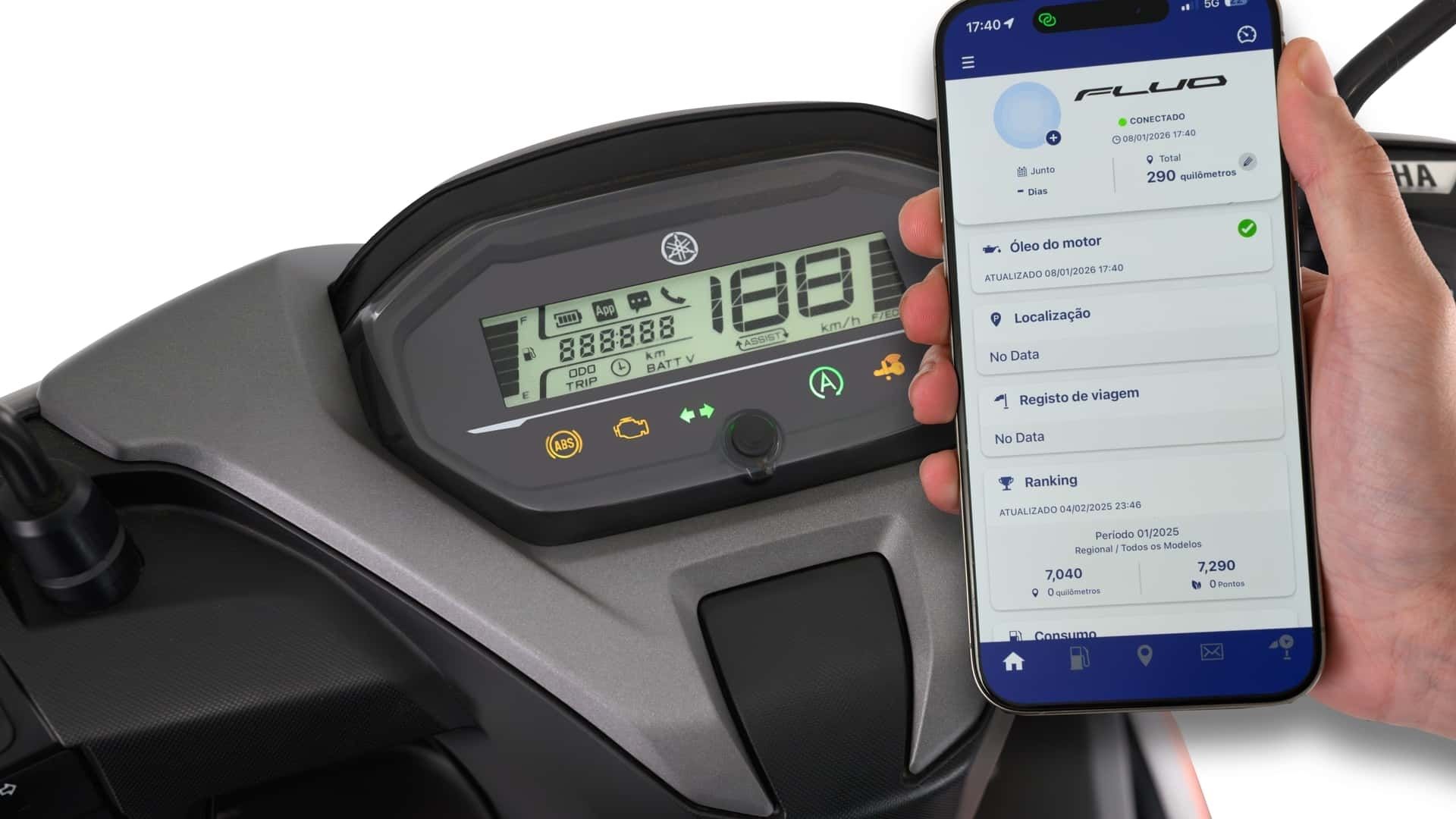
Costing R$ 16,000, the new Yamaha features a 125 cc hybrid engine with electric assistance, delivers 8.3 hp, includes ABS, optimized fuel consumption, Y-Connect connectivity, 25 liters of storage space, and a surprising 4-year warranty in the urban segment.
-
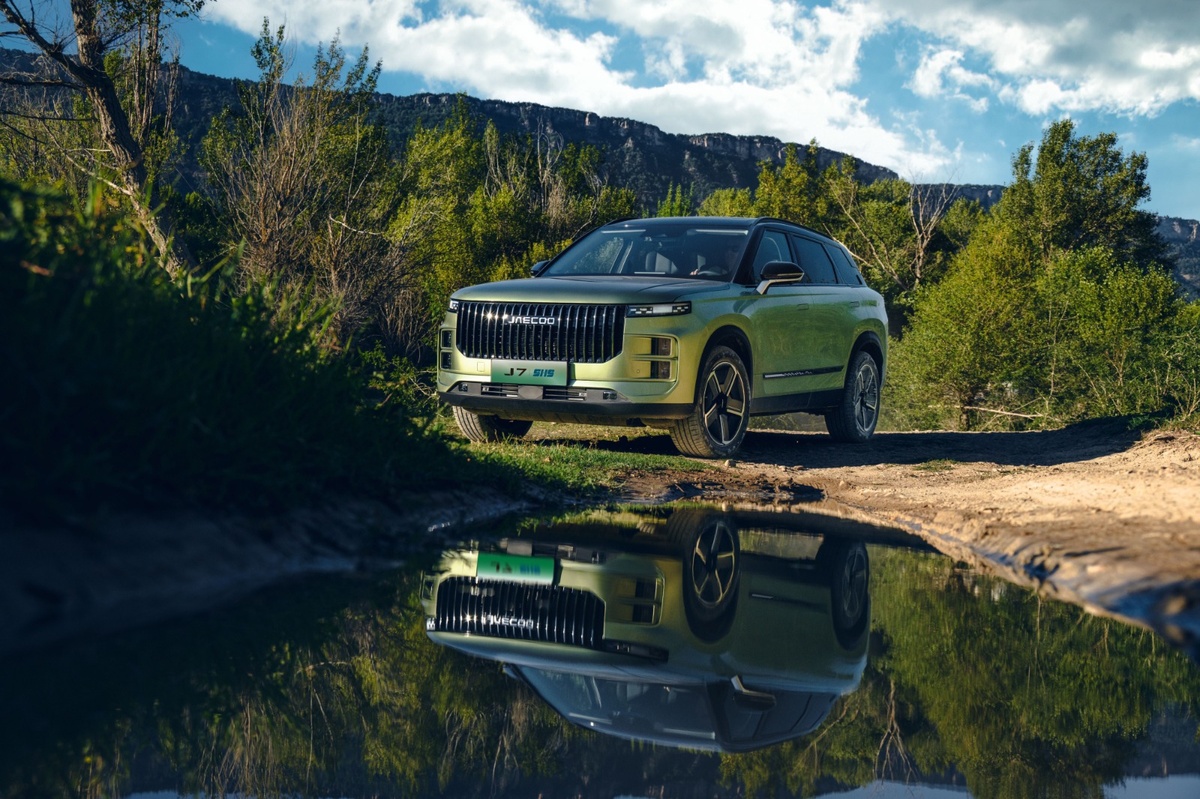
OMODA & JAECOO grows in Europe in 2026 with an integrated strategy of sales, innovation, local production, and technological advancement in the United Kingdom, Italy, and Spain.

-
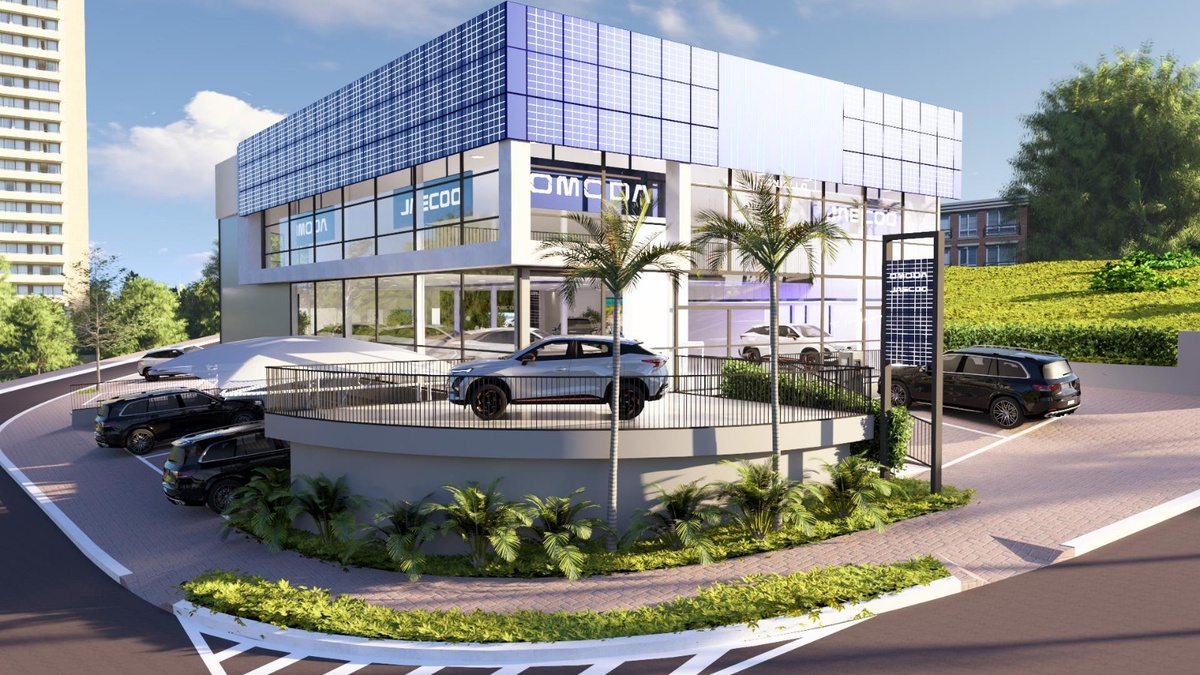
OMODA & JAECOO expands after-sales service in Brazil with competitive maintenance, a 7-year warranty, and high availability of parts for technological SUVs.
-
OMODA & JAECOO appoints Alessandra Souza as executive marketing director in Brazil and accelerates brand expansion with a focus on innovation, networking, and hybrid portfolio.


In delivery, the handling convinced and the engine proved honest for the category, with no reports of chronic issues so far. The problem appeared in relative pricing and in the “perceived package”: for many, there was a lack of practical difference compared to more comfortable and versatile options for real everyday use.
Price x Perception Of Value: Where The Balance Does Not Work
A sensitive point since its launch, the pricing positioning placed the Tornado 300 at the level of more equipped versions of street-oriented motorcycles (such as the Sahara), without offering the same versatility for passengers, range, and comfort. For a product intentionally simple, the final price seemed high for what it delivers.
More than the number itself, the intrabrand comparison weighs: sharing the frame, instrument panel, lighting, and other parts with cheaper models misaligns the perception of cost/benefit.
When the consumer sees “Bros + 300 engine” for the price of a more complete motorcycle, they back off.
Offer And Availability: Short Showcase, Slow Turnover
Even interested parties encounter waiting times. With stocks prioritized for higher-turnover bikes, the Tornado 300 appears little in showrooms and a product that is not seen cannot be tested.
The result is pent-up demand and lower conversion, especially far from major centers.
Moreover, the higher ticket price reduces elasticity: without frequent test rides and with high price perception, the buying impulse decreases. This is a classic entry barrier for off-road niches in the low-displacement retail market.
The Audience Has Changed: From Dirt To Asphalt (And Comfort)
Brazil in 2024 buys trails thinking of the city and the highway, not heavy trails. Rural use decreased, the passenger became routine, storage became a necessity, and comfort moved ahead of ruggedness.
In this context, “crossover” motorcycles with wider seats, aerodynamic protection, and greater autonomy deliver more perceived benefits.
It’s the same movement seen in cars: saloons gave way to SUVs. In the world of motorcycles, preference has shifted to ergonomics, versatility, and predictable maintenance even if that costs some performance off-road.
Performance And Ergonomics: Real Corrections, Clear Limitations
In what it proposes, the Tornado 300 is fun and efficient in the city: suspension “absorbs” potholes, six gears help keep the engine full in constricted sections, and the maneuverability of the narrow seat facilitates lane splitting. For those doing light dirt roads, it delivers well.
On the downside, the firm seat, the tight space for passengers and the limited aerodynamic protection can be tiring on highways.
Cruising speed is adequate (100–120 km/h), but the set comes at a comfort price. For travelers, the pros and cons sheet tends to favor more “street-oriented” models.
The “Failure” In Context: Numbers, Pace And Expectation
The nickname of failure arises less from the product itself and more from the discrepancy between expectation and reality. Iconic name, promise of “root” return, and nostalgia marketing create a high bar.
When the final delivery does not offer a clear advantage over more convenient real-use options, the sales curve naturally cools.
There is also a niche ceiling: truly off-road trail in the low displacement has become an enthusiast market. It is a smaller audience, more demanding and price-sensitive. Without fine-tuning the value and with low store presence, the Tornado 300 loses traction.
What Could Turn The Game Around
Three moves could recalibrate the proposal without betraying the “root” concept:
- Price repositioning to reclose cost/benefit of the simple package. Price is a message — and needs to align with the minimalist proposal.
- Optional factory packages (protectors, shortened gearing, more aggressive tires) to realize the off-road advantage upfront, without relying on post-sale.
- Availability and test rides — more demo bikes and active presence in trails and events reinforce the difference in use that the consumer does not perceive in the technical sheet.
What Remains For The Low-Displacement Market
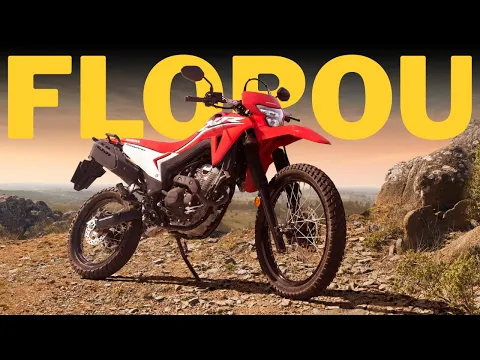

The case of the Tornado 300 shows that a “big name” alone does not support a strategy. When the mass of users wants comfort and versatility, the niche product needs to be impeccable in price and proposal or it becomes a choice for a few passionate.
At the same time, there is room for a simple and robust trail: demand exists, but it requires coherence between price, delivery, and positioning. Whoever gets this trifecta right leads a loyal niche, even if smaller.
The Tornado 300 is not a bad bike it is a bike misaligned with its time and price. Competent handling, known engine, and clear proposal deserved a more competitive positioning and a more accessible showcase.
If the strategy adjusts value and highlights the differential in real use, the story could still change gears.
Do you agree with this reading? Between the Tornado 300 and more comfortable options, which would you choose for your routine and why? Do you think a price repositioning would solve it? Leave your opinion in the comments, we want to hear from those who live this in practice.







Hello Neat post Theres an issue together with your site in internet explorer would check this IE still is the marketplace chief and a large element of other folks will leave out your magnificent writing due to this problem