





 Portuguese
  English
  Spanish
  5 min of reading
  0 comments


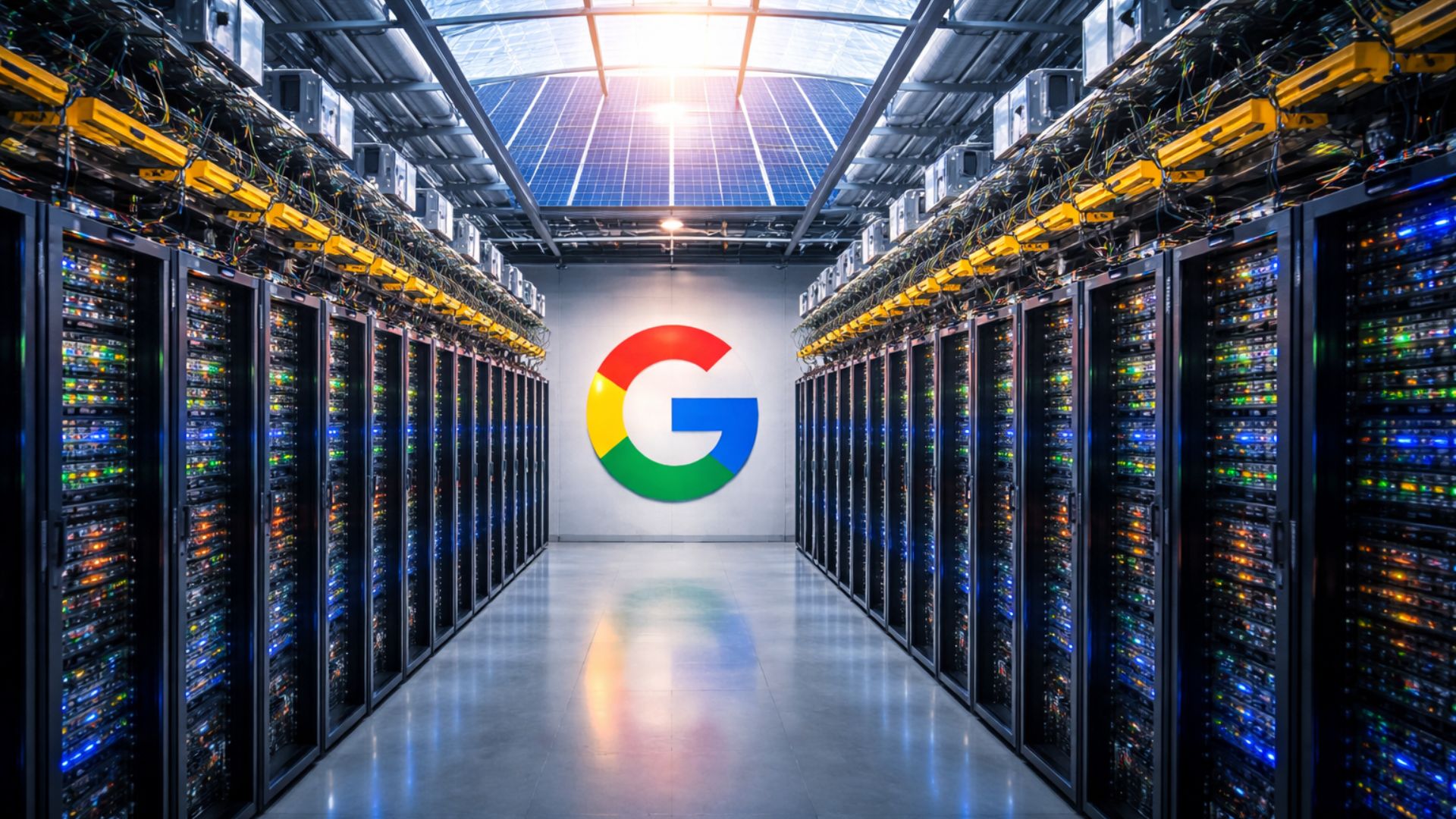
Strategic Partnership Between TotalEnergies and Google Ensures Supply of Clean Electricity for Over 20 Years, Promoting Sustainability, Digital Innovation, and Energy Infrastructure in Malaysia
On December 16, 2025, TotalEnergies announced the signing of a 21-year energy supply contract with Google, controlled by Alphabet, to power its data centers in Malaysia. According to a report published by Times Brasil, under the agreement, the French company commits to provide 1 terawatt-hour (TWh) of renewable energy, reinforcing a strategic partnership that unites energy transition and the expansion of global digital infrastructure.
Long-Term Contract Reinforces TotalEnergies and Google’s Strategy
The contract is considered historic due to its duration and the volume of clean electricity involved. It comes at a time of strong growth in energy demand, primarily driven by artificial intelligence, cloud computing, and large-scale digital services.
According to information officially released by the company, the energy will be generated by the Citra Energies solar plant, located in Malaysian territory. Construction of the project is expected to begin in early 2026, while actual supply is set to commence in the first quarter of the same year.
-
Renewable energy advances over protected areas in Brazil, and a survey by the Energy Transition Observatory reveals silent impacts that challenge environmental conservation and pressure sensitive traditional territories.

-
Rio Grande do Sul accelerates energy transition: State invests in renewable technologies and consolidates decarbonization strategies and pathways to attract billions in new industrial investments.

-
With 160,000 m² of collectors, an area larger than 20 football fields, Silkeborg, in Denmark, hosts a solar thermal plant that heats 19,500 homes and could become the largest solar heating plant in the world.

-
A study reveals the expansion of renewable energy procurement in Brazil and shows how companies are taking advantage of opportunities to reduce expenses, ensure energy efficiency, and strengthen strategic environmental commitments.


The 21-year agreement positions TotalEnergies as one of the leading global suppliers of renewable energy for major technology companies. Long-term contracts of this type are crucial for making large-scale solar projects viable as they ensure revenue predictability and reduce financial risks.
The company has been accelerating investments in clean sources in recent years. The strategy seeks to balance its traditional oil and gas portfolio with renewable assets, aligning with global decarbonization targets and the demands of investors and regulators.
In addition, the supply directed towards data centers represents a strategic segment, as these facilities operate continuously and demand large volumes of energy with a high degree of reliability.
Google Expands Use of Renewable Energy in Its Global Data Centers
For Google, the contract reinforces the company’s commitment to operate its activities with carbon-free electricity 24 hours a day by 2030. The partnership with TotalEnergies ensures a dedicated supply of renewable energy for its operations in Malaysia, an area considered strategic for the expansion of digital services in Southeast Asia.
Data centers are essential to support search, cloud, and artificial intelligence services. As these technologies advance, energy consumption increases significantly, making access to clean and stable sources indispensable.
By entering into long-term contracts, Google reduces its exposure to fluctuations in the electric market and strengthens its environmental policy, which is increasingly relevant to users, investors, and governments.
Citra Energies Solar Plant Will Be the Basis for Google’s Supply in Malaysia
The electricity anticipated in the contract will be generated by the Citra Energies solar plant, a dedicated project that will directly address the energy needs of the agreement. According to TotalEnergies, construction is scheduled to begin in early 2026, complying with local regulatory and environmental processes.
Dedicated solar projects enhance efficiency and predictability. By connecting generation and consumption through long-term contracts, companies reduce operational risks and ensure traceability of the renewable energy used.
The choice of Malaysia as the project’s location also contributes to the geographic diversification of the French company’s renewable portfolio, which already operates in various regions of Asia, Europe, and the Americas.
Rapid Growth of Artificial Intelligence Raises Energy Demand of Data Centers
The accelerated advancement of artificial intelligence is one of the main factors behind the increase in energy consumption of data centers. Training AI models, processing large volumes of data, and cloud services require robust infrastructure and continuous electricity supply.
Industry studies indicate that data centers can consume energy equivalent to that of entire cities. Given this scenario, major technology companies have begun prioritizing contracts for renewable energy as a way to mitigate environmental impacts and meet climate commitments. The partnership between TotalEnergies and Google reflects this global trend of integrating technological expansion and energy sustainability.
TotalEnergies’ Global Strategy for Data Center Supply
The agreement in Malaysia adds to other recent initiatives by TotalEnergies in supplying clean electricity to major technology companies. In November, the company announced a separate contract to supply data centers of Google in the United States, in the state of Ohio.
These partnerships indicate a structural shift in the energy sector. Providing renewable energy directly to large corporate consumers has become a strategic pillar, ensuring stable contracts and reinforcing the companies’ image as leaders in the energy transition. By expanding its presence in this segment, TotalEnergies strengthens its position in a market that is expected to grow as the digital economy expands.
Malaysia Consolidates as a Hub for Technology and Renewable Energy
Malaysia has been standing out as an important destination for investments in digital infrastructure in Southeast Asia. The country offers regulatory stability, regional connectivity, and policies favorable to the expansion of clean sources, factors that attract global technology and energy companies.
The new contract reinforces the country’s strategic role. The combination of large-scale data centers and renewable energy projects contributes to local economic development, job creation, and strengthening the national power matrix. Additionally, initiatives of this size enhance Malaysia‘s competitiveness in attracting new investments linked to the digital economy and the energy transition.
Economic, Environmental, and Technological Impacts of the Agreement
From an economic standpoint, the 21-year contract guarantees financial predictability for both parties. For TotalEnergies, it represents stable revenue associated with sustainable assets. For Google, the agreement reduces risks related to energy price volatility.
The environmental benefits are also significant. The supply of 1 TWh of renewable energy contributes to reducing emissions associated with the operations of data centers, aligning with global decarbonization commitments.
In the technological realm, ensuring reliable energy supply enables the safe expansion of digital services, artificial intelligence, and cloud computing, which are considered essential for global economic growth.
What the Agreement Reveals About the Future of Energy and Technology
The contract announced on December 16, 2025, symbolizes an irreversible trend: the integration of clean energy and digital infrastructure. The partnership between TotalEnergies and Google, focused on renewable energy in Malaysia, demonstrates how large corporations are redesigning their strategies to reconcile growth, operational efficiency, and sustainability.
This is not just a commercial agreement, but a structural movement. As the demand for digital services grows, the need for clean and reliable electricity becomes central to the future of the global economy, placing partnerships of this kind at the heart of transformations in the energy sector.









-

Uma pessoa reagiu a isso.