





 Portuguese
  English
  Spanish
  2 min of reading


The Partnership Doesn’t Stop There! In Addition to the Paulista University, Toyota Is Seeking Solutions for Ethanol-Powered Electric Cars Together with Volkswagen and Nissan
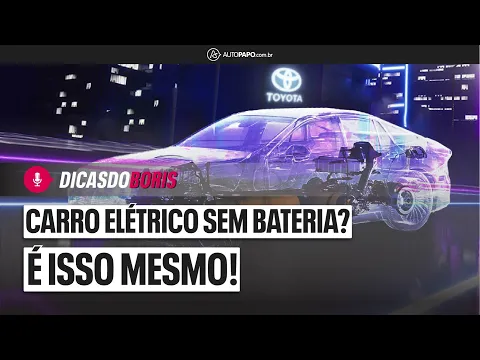
Toyota, in partnership with the Paulista university, is investing in ethanol-powered electric cars, following in the footsteps of Nissan and Volkswagen, in search of an ideal solution for fuels in the Brazilian market, according to the Auto Papo Uol website.
The Japanese automaker Toyota is exploring a new approach to electric mobility with ethanol-powered electric cars. In collaboration with a Paulista university, Toyota aims to extract hydrogen from ethanol to produce electricity in a fuel cell, a fuel cell within the vehicle itself.
The Use of Ethanol as an Energy Source for Electric Cars
Ethanol is a widely used energy source in Brazil as a biofuel, mainly in the form of sugarcane ethanol. Toyota’s idea is to take advantage of this availability of ethanol to produce fuel, which would be used in a fuel cell to generate electricity and power an electric motor, moving the electric car without the need for a conventional battery.
-
OMODA & JAECOO grows in Europe in 2026 with an integrated strategy of sales, innovation, local production, and technological advancement in the United Kingdom, Italy, and Spain.
-
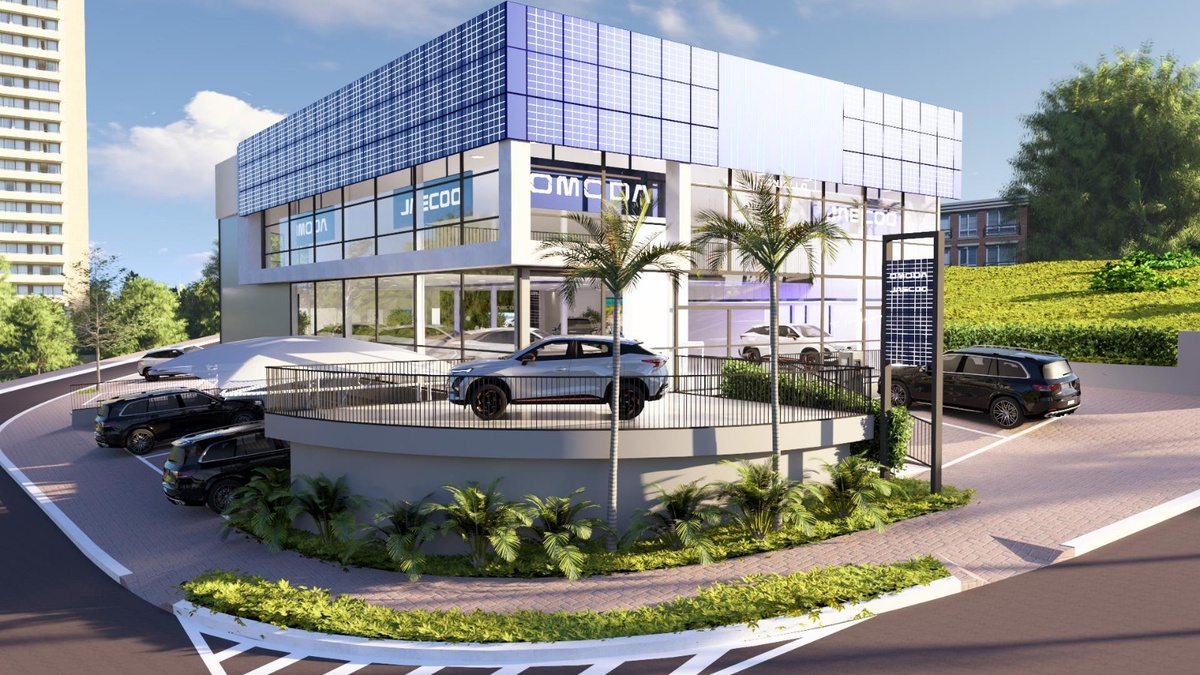
OMODA & JAECOO expands after-sales service in Brazil with competitive maintenance, a 7-year warranty, and high availability of parts for technological SUVs.
-
OMODA & JAECOO appoints Alessandra Souza as executive marketing director in Brazil and accelerates brand expansion with a focus on innovation, networking, and hybrid portfolio.

-
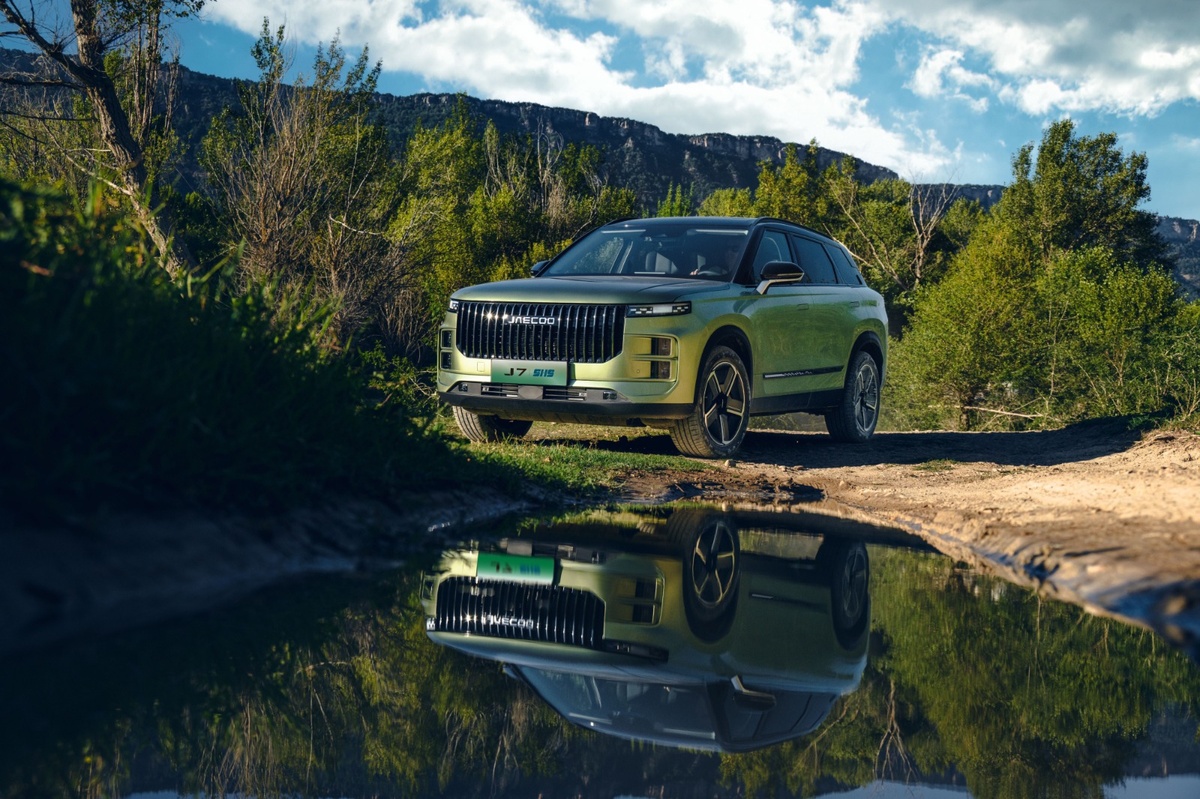
Jaecoo 7 with super hybrid SHS system exceeds 1,200 km of combined range with a 1.5 turbo engine, high-density battery, and intelligent energy management.

MEET THE BATTERY-LESS ELECTRIC CAR!

Potential Positive Impact on the Brazilian Electric Car Market
If the research from Toyota, Nissan, and Volkswagen reaches a successful conclusion and makes the ethanol hydrogen reformer more efficient in terms of weight, volume, and cost, it could have a significant impact on the Brazilian electric car market. With ethanol-powered electric cars, Brazil could leverage its existing ethanol production and distribution infrastructure for the electric car market, reducing dependence on fuels and facilitating a reduction in carbon emissions.
Overall, Toyota’s initiative to develop an ethanol-powered electric car is an innovative and promising approach to electric mobility in Brazil. With a partnership with the Paulista university and the use of a fuel cell to produce electricity from hydrogen extracted from ethanol, Toyota is exploring an interesting and sustainable alternative for the Brazilian market, which could have a positive impact on renewable energy use and carbon emission reductions. Following the progress of this research and development could be an exciting opportunity for consumers and electric vehicle enthusiasts in Brazil.





Seja o primeiro a reagir!