





 Portuguese
  English
  Spanish
  5 min of reading
  15 comments


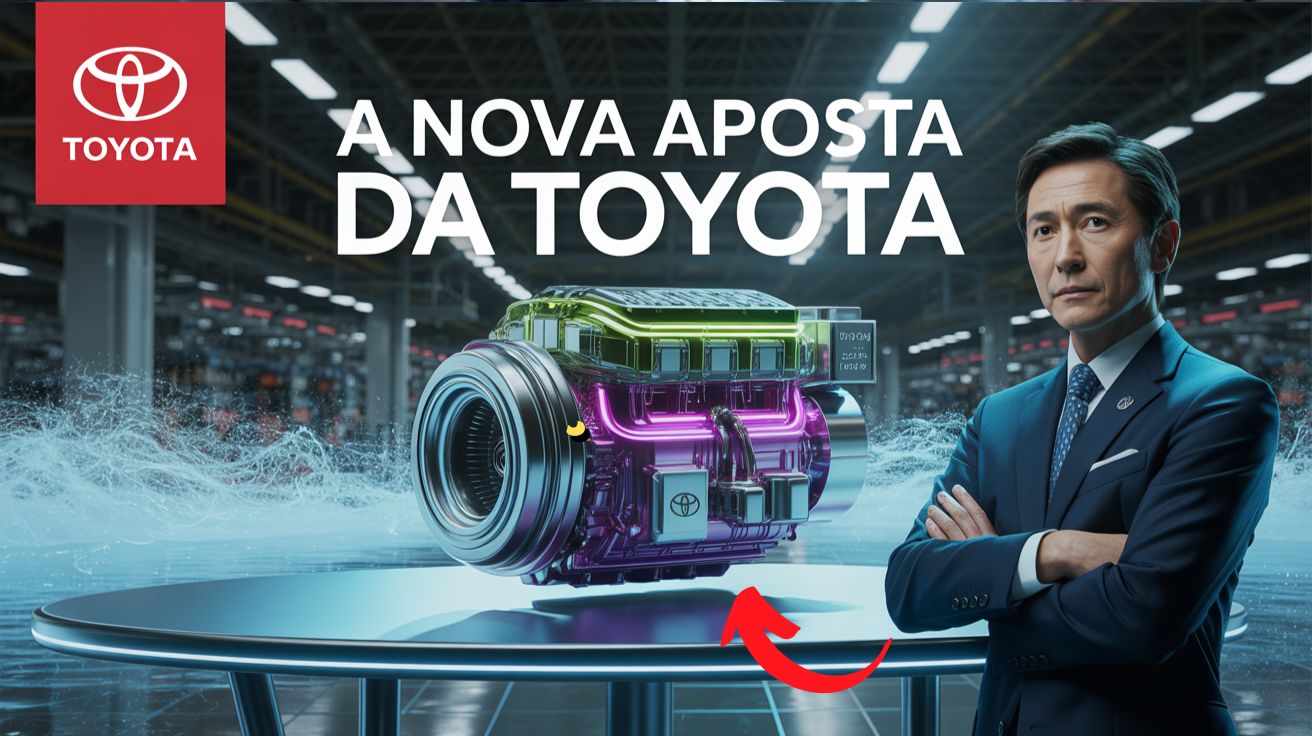


With a Proposal That Promises to Reinvent Combustion Engines, Toyota Develops Hydrogen Technology Extracted from Water and Aims to Transform the Automotive Sector Without Relying Exclusively on Batteries or Conventional Electricity.
Toyota has been heavily investing in alternative propulsion technologies that could transform the future of mobility, and one of the Japanese manufacturer’s boldest bets is on using hydrogen extracted from water to power internal combustion engines.
The central idea behind this innovation is simple but revolutionary: water, an abundant and accessible resource, can be split into hydrogen and oxygen through a process called electrolysis.
This hydrogen, when used as fuel, can power vehicles without emitting traditional polluting gases, emitting only water vapor as the main waste, which makes this technology seen as a promising path for decarbonizing transportation.
-
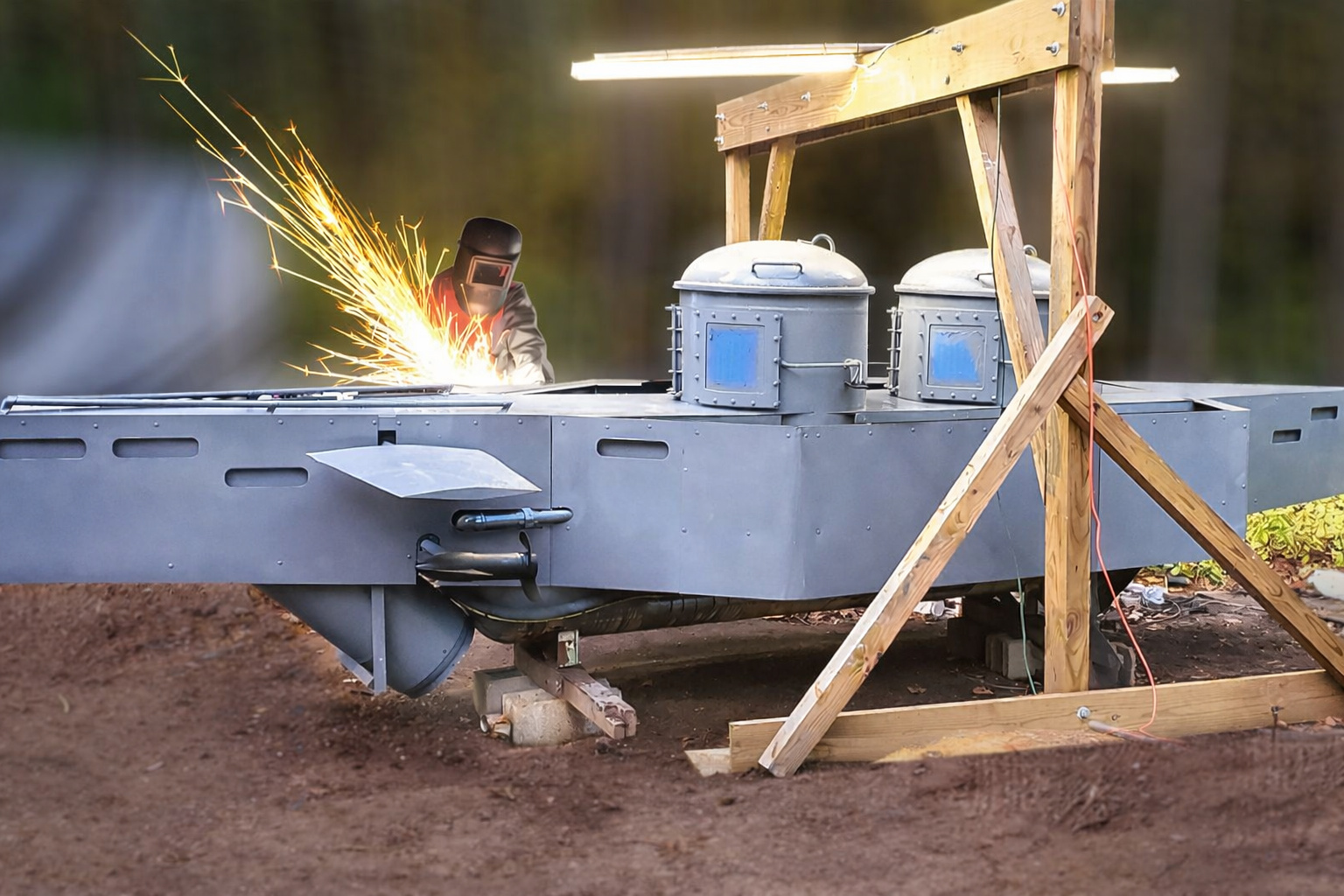
Man builds functional 5-meter submarine in his garage using gas cylinders, PVC pipes, and a refrigerator motor, and navigates with the vessel on a lake in Colombia.
-
A couple buys an old chalet, breaks the kitchen floor for renovation, and finds over a thousand coins of gold and silver hidden since the English Civil War over 4 centuries ago.

-
Millions of people have been eating yam for centuries without knowing that this humble tuber contains a compound called diosgenin, which scientists have now discovered can improve memory and help control blood sugar levels.

-
Rigid bags with their days numbered: new trend prioritizes comfort in 2026.


Unlike electric cars that rely solely on batteries and electricity, Toyota is developing conventional combustion engines adapted to run on liquid hydrogen extracted from water, a fuel that offers high energy density and promises to overcome current limitations of electric vehicles, such as charging time and range.
The Liquid Hydrogen Engine
As Toyota explains, its 1.6 turbo hydrogen engine is an adaptation of the same powertrain used in sports models like the GR Yaris and GR Corolla, but modified to run on liquid hydrogen instead of gasoline or ethanol.
Liquid hydrogen is stored in cryogenic tanks at very low temperatures, below -250ºC, which allows for storing up to 50% more energy in the same volume compared to gaseous hydrogen.
This technology presents interesting advantages: the engine produces only water as a byproduct through the exhaust, in addition to emitting negligible amounts of nitrogen oxides, which are considered practically neutral in environmental terms compared to traditional engines.

Challenges and Mechanical Adaptations
To enable the use of hydrogen, Toyota had to modify essential components of the engine, such as injection systems with higher pressures, reinforced gaskets, and more resilient sealing rings, all to ensure safety when handling a highly flammable fuel.
Despite its flammability, hydrogen has great energy potential and can offer performance similar to or better than fossil fuels in adapted vehicles.
Testing and Applications in Motorsports
The performance of the liquid hydrogen engine has already been tested on tracks, including competitions in the World Rally Championship with the GR Yaris and endurance races with the GR Corolla.
In 2022, Toyota began real-world testing on the streets with a hydrogen-powered Corolla Cross, reinforcing the brand’s commitment to this technology.
The GR H2 Racing Concept prototype, aimed at the famous Le Mans race, also demonstrates the competitive potential of this type of propulsion.

Prices, Infrastructure, and the Challenges for Popularization
Despite the advances, the price of hydrogen remains one of the biggest obstacles to its popularization, being significantly more expensive than gasoline and electricity.
According to data from the consulting firm Hydrogen Insight, refueling a Toyota Mirai in California can cost up to 14 times more than charging a Tesla, a factor that hinders widespread adoption.
Additionally, the infrastructure of hydrogen fueling stations is scarce and limited to a few regions, which restricts the viability of hydrogen vehicles for the average consumer.
The Vision for the Future
To overcome these barriers, Toyota is working in partnership with other companies to reduce the costs of production and distribution of hydrogen, as well as to develop compact equipment for local fuel production through water electrolysis, which could decentralize and facilitate refueling.
Another bet from the automaker is the development of a 5.0 V8 engine powered by liquid hydrogen, a result of a partnership with Yamaha, which promises to deliver up to 450 hp of power, reinforcing the performance potential of the technology in high-performance vehicles and even motorcycles.
The Bet That Could Change the Automotive Market
Although there are still no official figures on the power and torque of the 1.6 turbo hydrogen engine, Toyota has already shown significant gains in the racing versions of the GR Corolla H2, with a 24% increase in power and a 33% increase in torque, in addition to expanding the range by 30% and reducing the refueling time from five to less than two minutes.

According to the company, the new generation of hydrogen systems could have costs up to 37% lower, potentially reaching a 50% reduction if production reaches about 200,000 units by 2030, thanks to manufacturing scale and application in various types of vehicles and equipment.
For specialists, there are still many challenges to overcome, such as reducing hydrogen costs, expanding the refueling network, and developing more compact and accessible technologies for fuel production.
However, Toyota’s strategy clearly shows that the brand does not bet on a single solution, but on a diversified future, where water-based hydrogen could be the fuel capable of rendering traditional electric cars obsolete.
And you, do you think that hydrogen extracted from water has the potential to completely replace electric cars in Brazil? Share your opinion!





Essa ideia é muito antiga e foi desenvolvida por um Brasileiro, porém na época a indústria do automóvel fez de tudo para abafar o caso, agora a Toyota aparece com isso.
Toda nova ideia para reduzir impactos ambientais e contribuir com o progresso é sempre bem vinda.
Desisti de ler a matéria de tanta propaganda.