





 Portuguese
  English
  Spanish
  3 min of reading
  10 comments


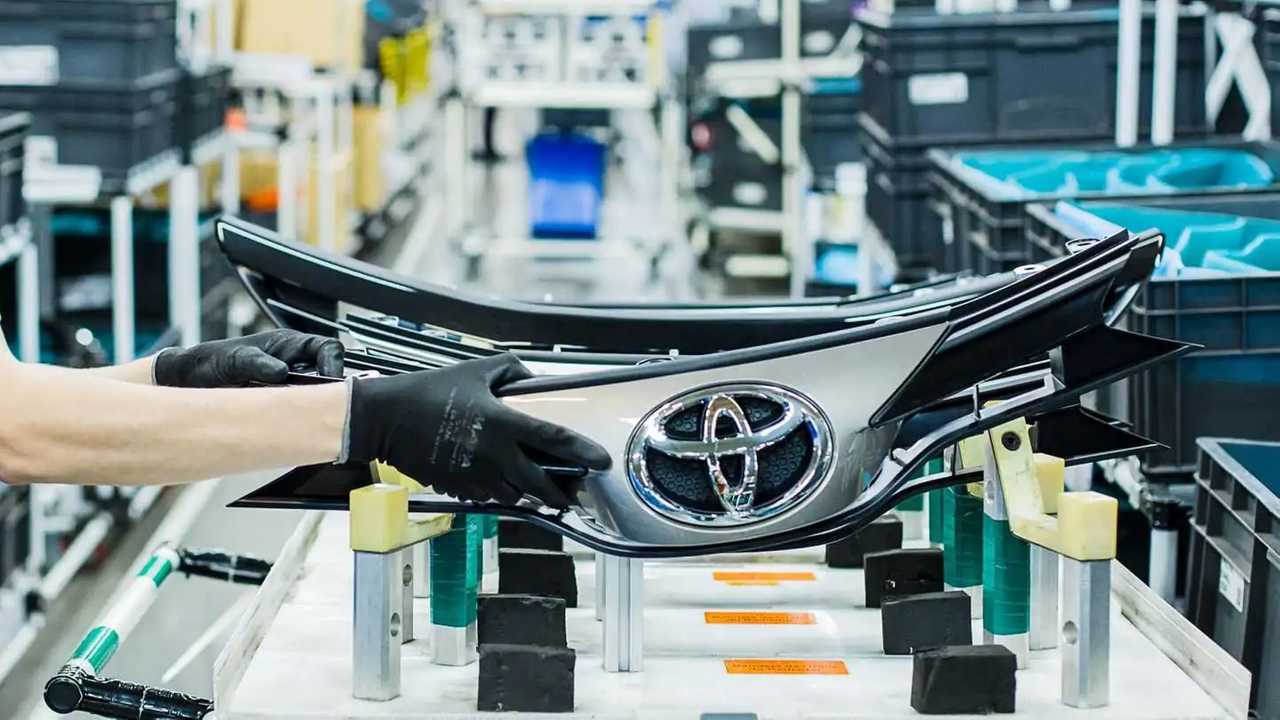

Toyota, Carbon and the Century-Long Trajectory of Combustion Engines: Toyota Sees New Horizons with the Use of Hydrogen!
According to automotive news, Toyota, known for its innovation and quality, reaffirms its commitment to combustion engines. While the automotive world increasingly shifts toward electric vehicles, the Japanese automaker maintains its conviction that piston engines still have a lot to offer.
Toyota, with its solid reputation and constant innovation, is one of the largest car manufacturers in the world. According to Forbes Global 2000, in 2022, Toyota recorded a profit of US$ 28.15 billion and an impressive market value of US$ 237.73 billion. This Japanese giant leads the ranking among automakers, excelling in sales, profits, assets, and market value.
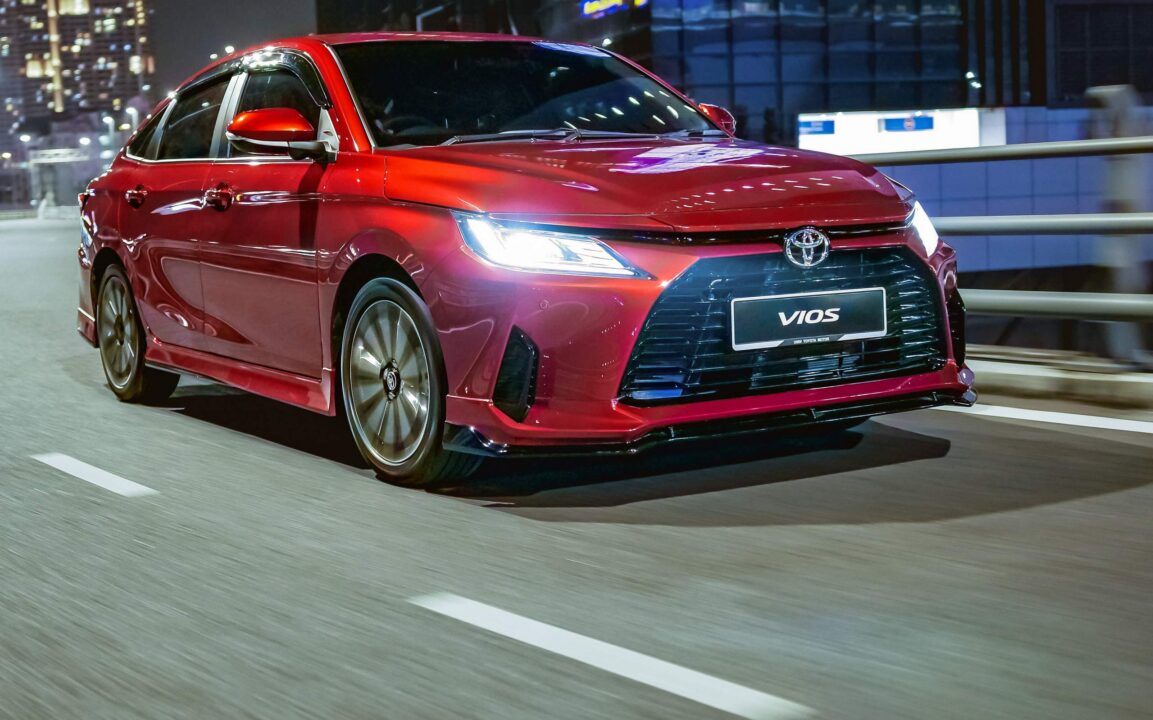
However, the pressure to adopt electric cars is increasing. Developed countries and international agreements are driving this change. Electric vehicles offer the promise of a lower environmental impact, especially when combined with renewable energy. Sustainability is the key here: not only minimizing environmental impact but also ensuring economic viability and social responsibility.
-
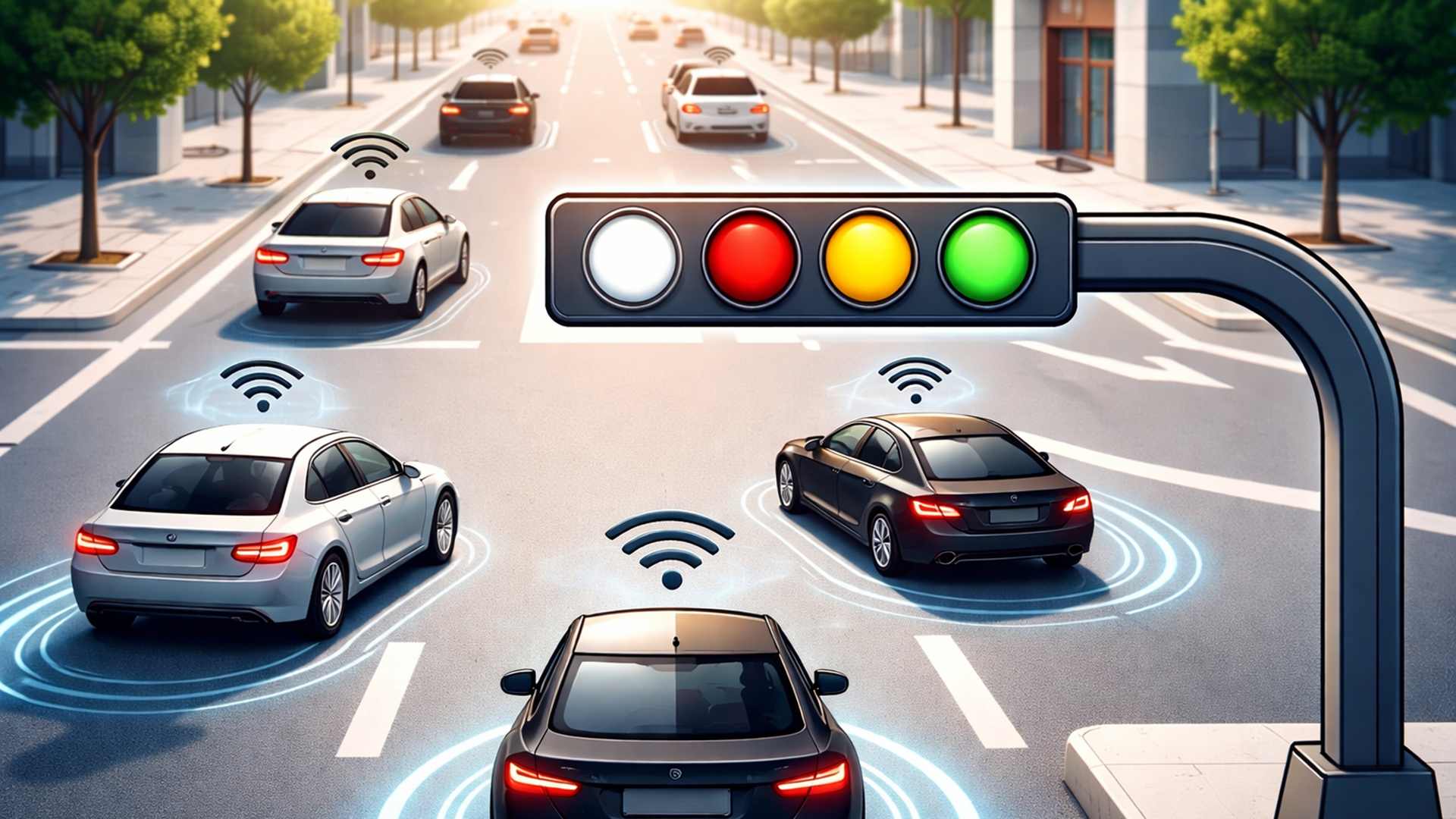
Engineers propose a fourth traffic light for intersections – the change promises to affect crossings, queues, and waiting times.
-
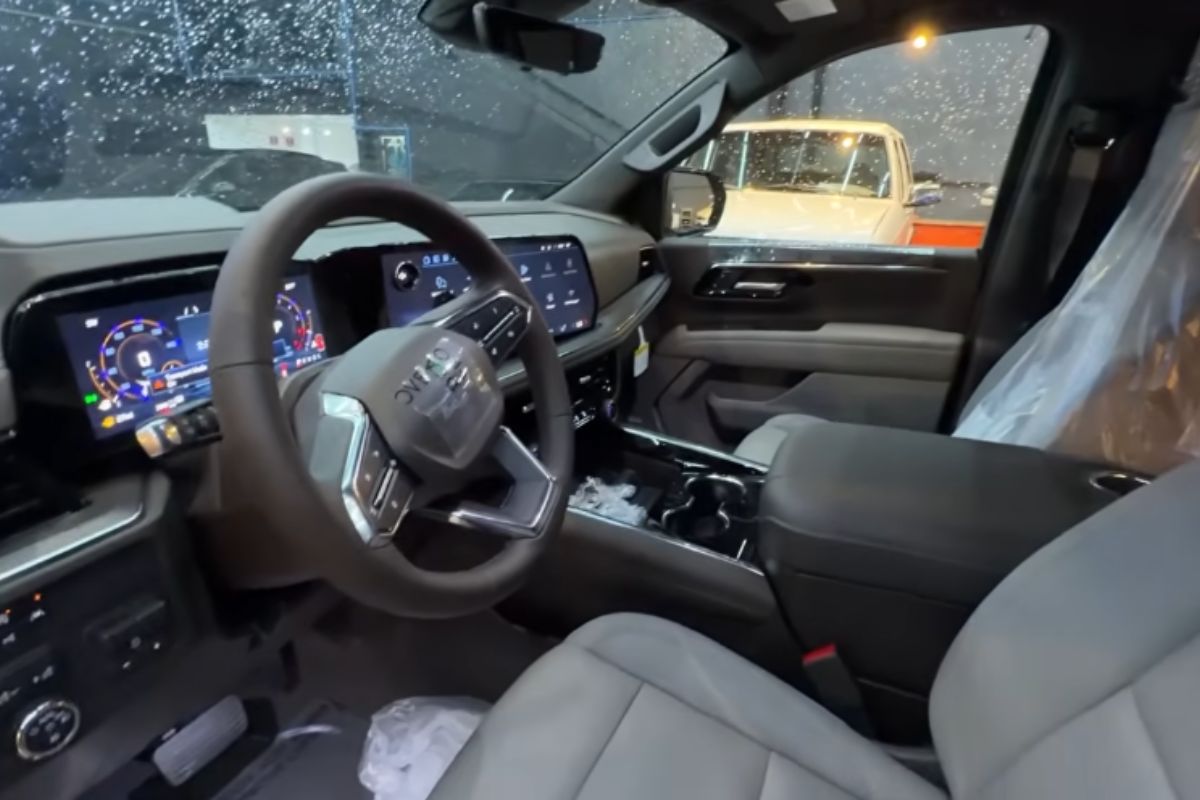
Chevrolet Suburban Z71 lands in Brazil with a V8 engine, off-road design, air suspension, seven seats, and colossal size, a rare version imported for around R$ 1.3 million with luxury and exclusivity.
-
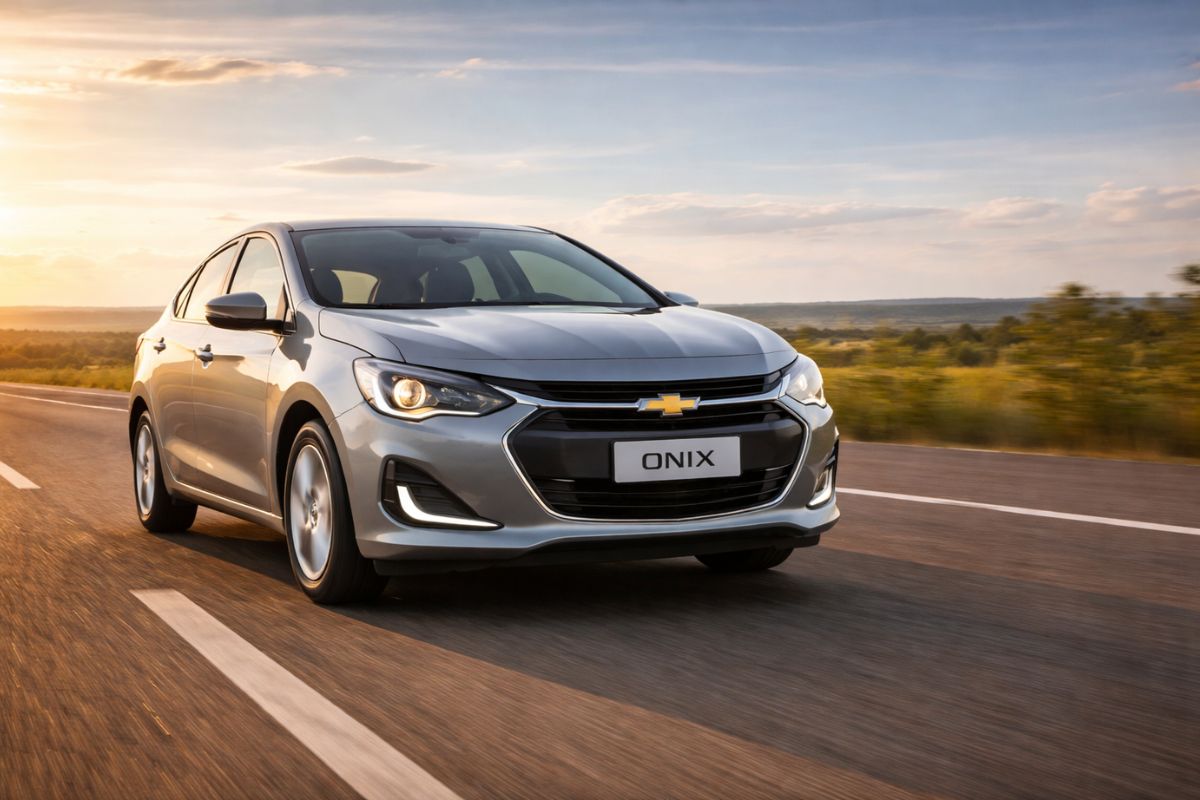
The Chevrolet Onix 1.0 turbo achieves 17.7 km per liter on the highway and ranks among the three most economical cars in Brazil in 2026, alongside two more expensive Toyota hybrids available at dealerships.
-
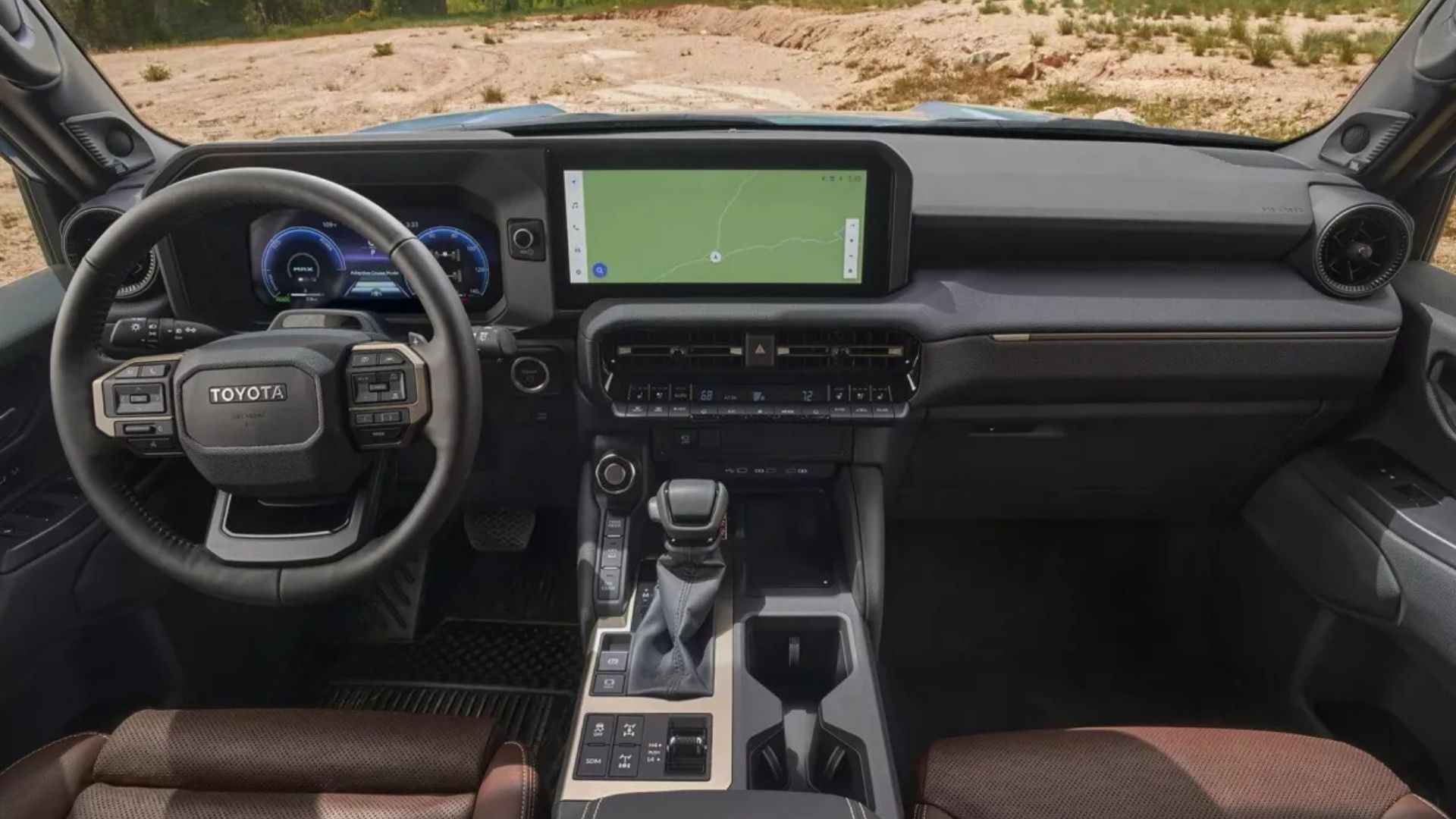
Little sister of the Hilux: Toyota launches Land Cruiser FJ with 4 radical versions, 2.7 engine with 166 hp and 4×4 traction with locking.

The Problem Is Not the Engine, It’s the Carbon
Tomoya Takahashi, director of Gazoo Racing, explains: “It’s not the engine that’s bad, it’s the carbon that’s bad.” He is right. The real villain is not the engine itself, but rather the CO² emissions resulting from the burning of fossil fuels, such as gasoline and diesel. Toyota recognizes that the challenge lies in reducing these emissions and finding cleaner alternatives.
Hybrid Technology and the Future of Combustion Engines
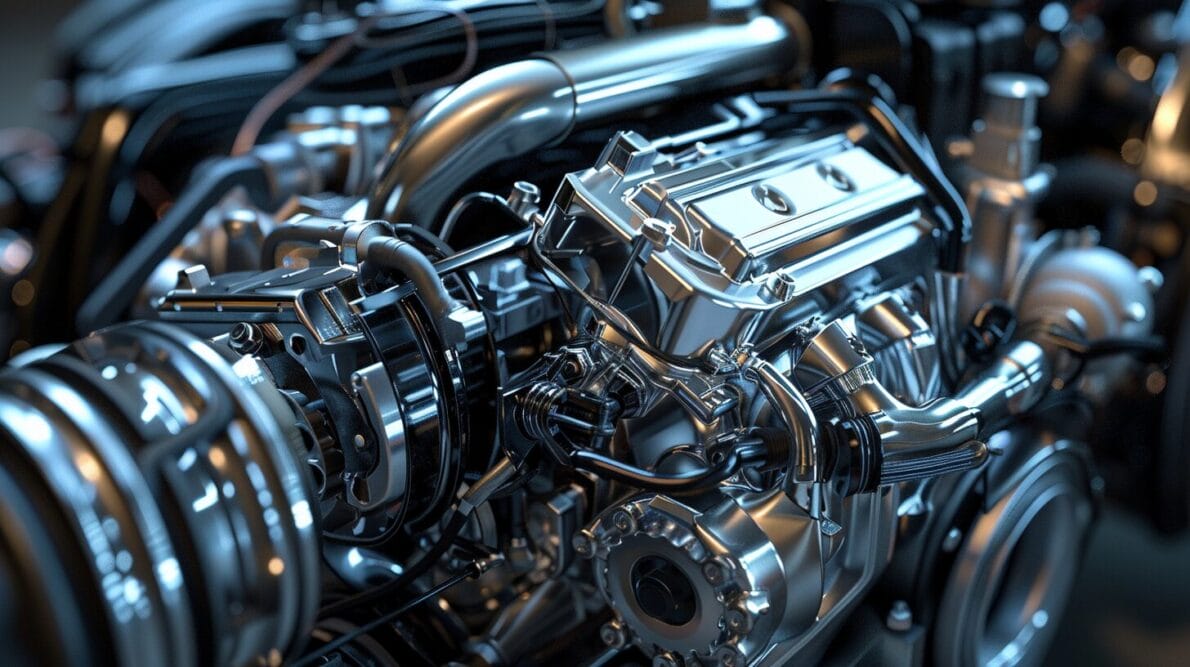
Toyota is not standing still. It invests in hybrid technology to combine the best of both worlds. By merging combustion engines with electric systems, it is possible to reduce carbon emissions. Additionally, the automaker explores the use of carbon-neutral fuels, such as e-fuel or biofuel. These solutions can keep combustion engines in production, as long as they achieve an environmental balance.
Hydrogen as an Alternative for Toyota
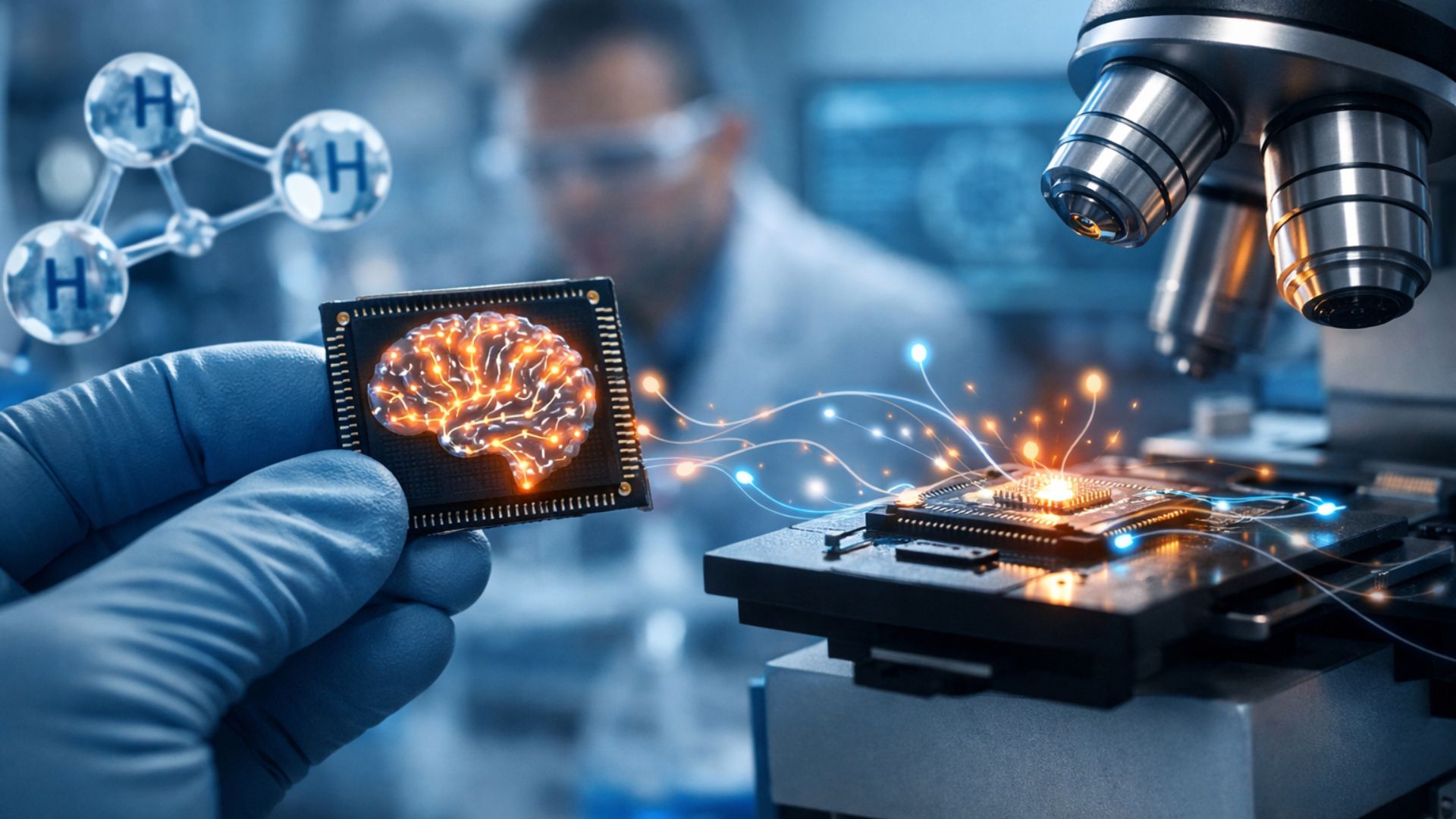
Here comes hydrogen. Toyota is testing hydrogen combustion in its engines, a process similar to the controversial HHO and HH2. Imagine gaseous hydrogen being used like CNG or LPG. This would allow combustion engines to continue their century-long trajectory, now with a cleaner footprint. However, there are challenges, such as nitrogen oxide emissions and hydrogen storage.
High-Performance Cars and the Unknown of Hydrogen
For high-performance cars, Toyota is still unsure if hydrogen-fueled engines will be suitable for the tracks. Safety is a concern. Meanwhile, the automaker is also considering the use of synthetic fuels, a strategy already adopted by Porsche in Brazil. These alternatives could be the key to prolonging the life of combustion engines.
In summary, Toyota is not ready to abandon combustion engines. It believes that, with innovation and environmental responsibility, these engines can continue to be part of our automotive future. And who knows, maybe they’ll even gain a new nickname: “the veterans of the asphalt.”






Sou mais os motores a etanol,mais já que querem incorporar carros elétricos tem que investir em baterias mais duráveis e que sejam carregadas não só na tomada mais através de painéis solares , vó dar um ex: carro tem teto, capô,tampa de mala,onde dê para capitar raio solar,aí não precisa o motorista viajar preocupado se carga da bateria vai dar para concluir a viagem.
Toyota está assinando seu atestado de óbito. Eu mesmo nunca mais irei comprar um carro dessa marca. Deixarei isso para a manezada que não tem dinheiro mas puxa saco de rico. Deixe eles dizerem que um dia comprarão esse carro. No dia de são nunca.
Com a durabilidade e segurança das baterias de lítio, não tem mais volta, e com advindo das baterias de s**** (muito baratas) , Armazenamento de energia terá explosão total, seja infistria auto ou energia elétrica do dia a dia……… inversores híbridos estão chegando para transformar os backups, ouçam isso: ” logo logo maioria usará o grid (rede) apenas para backup” gravem bem isso……