





 Portuguese
  English
  Spanish
  2 min of reading
  0 comments


With An Investment of Over R$ 10 Billion, Toyota’s New Facility in Shanghai Promises to Accelerate Lexus Electric and Hybrid Production, Targeting Leadership in the World’s Largest Automotive Market.
In a strategic move to strengthen its presence in the sustainable vehicle sector, Toyota officially announced, on Tuesday (22), a cooperation agreement with the Shanghai government in China for the installation of a new electric car factory. The facility will be operated with 100% foreign capital — something still rare in the Chinese automotive sector — and will feature a significant investment of 14.2 billion yuan, equivalent to approximately R$ 10.1 billion.
Toyota’s New Factory Will Focus on Innovation and Electrification
The future Toyota factory, which will be located in the Jinshan area, south of Shanghai, will have an integrated approach to research, development, manufacturing, and sales of electric and hybrid vehicles under the Lexus brand.
The project also includes the production of next-generation batteries, developed internally by the automaker, aimed at reducing costs and increasing competitiveness against local rivals.
-
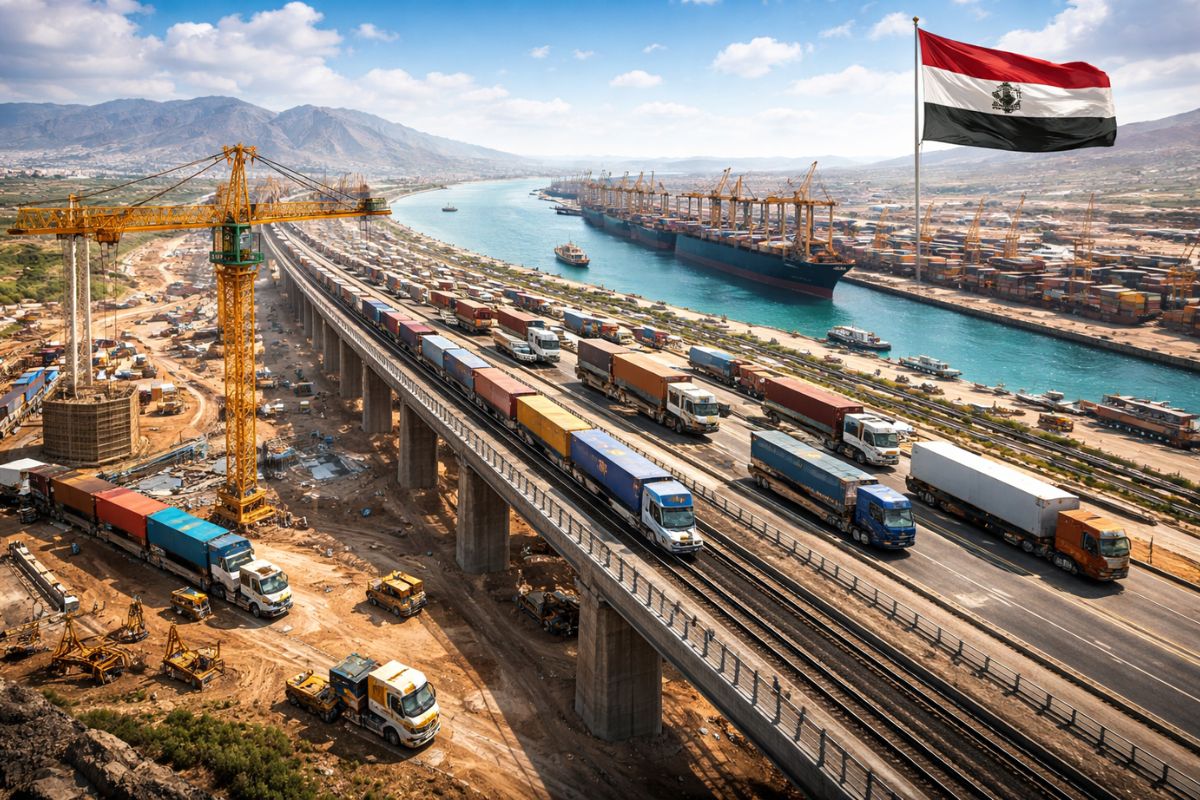
A megaproject worth R$ 89 billion is advancing in Iraq and promises to change the game in global trade by creating a new corridor between Asia and Europe, reducing traditional routes and repositioning the country as a logistics powerhouse.
-
Goodbye bedside table: floating shelves become a trend in 2026 by freeing up space in the bedroom, improving circulation, bringing visual lightness, and integrating technology without taking up floor space.

-
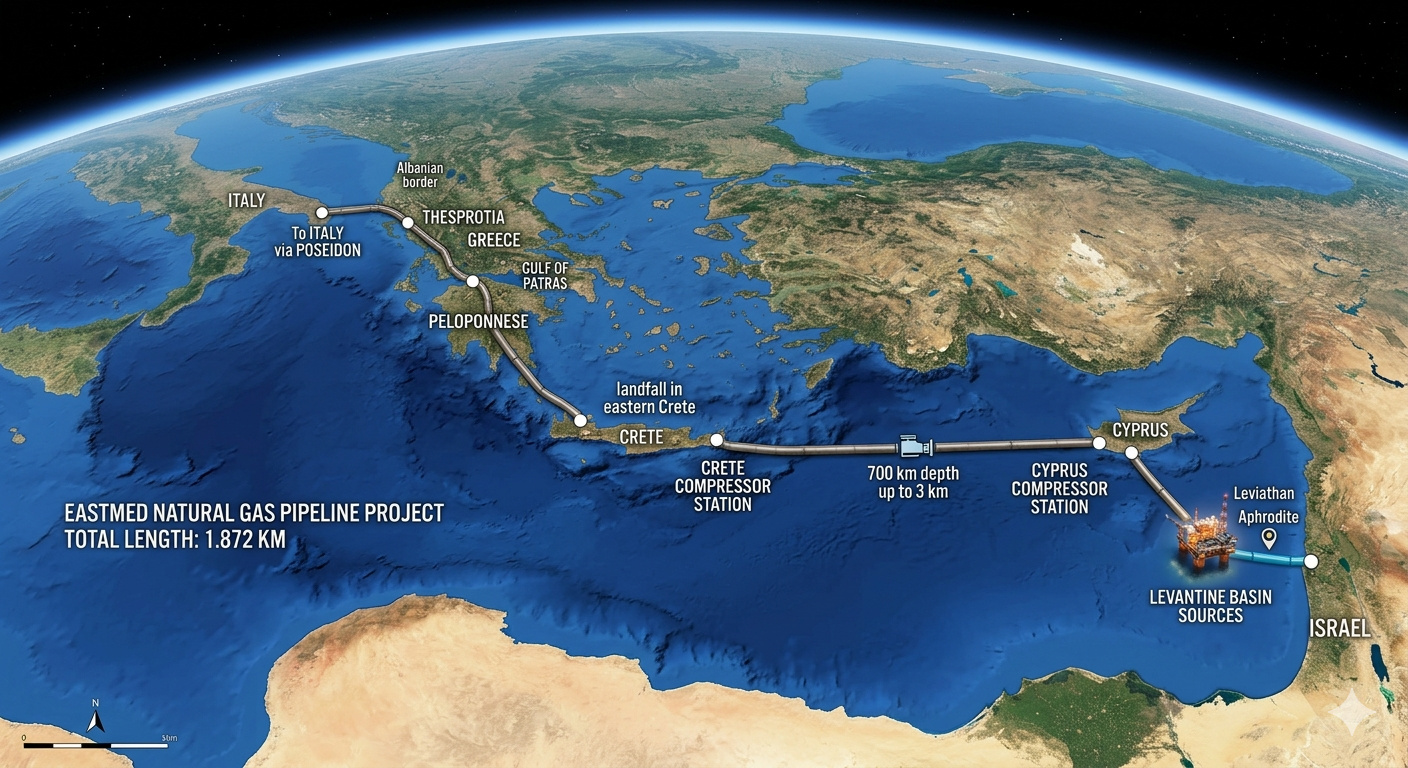
Israel, Greece, and Cyprus signed an agreement in 2020 to transport gas from the Mediterranean to Europe via a 1,872 km pipeline, but Turkey claimed sovereignty over part of the maritime route, and the project never materialized.
-
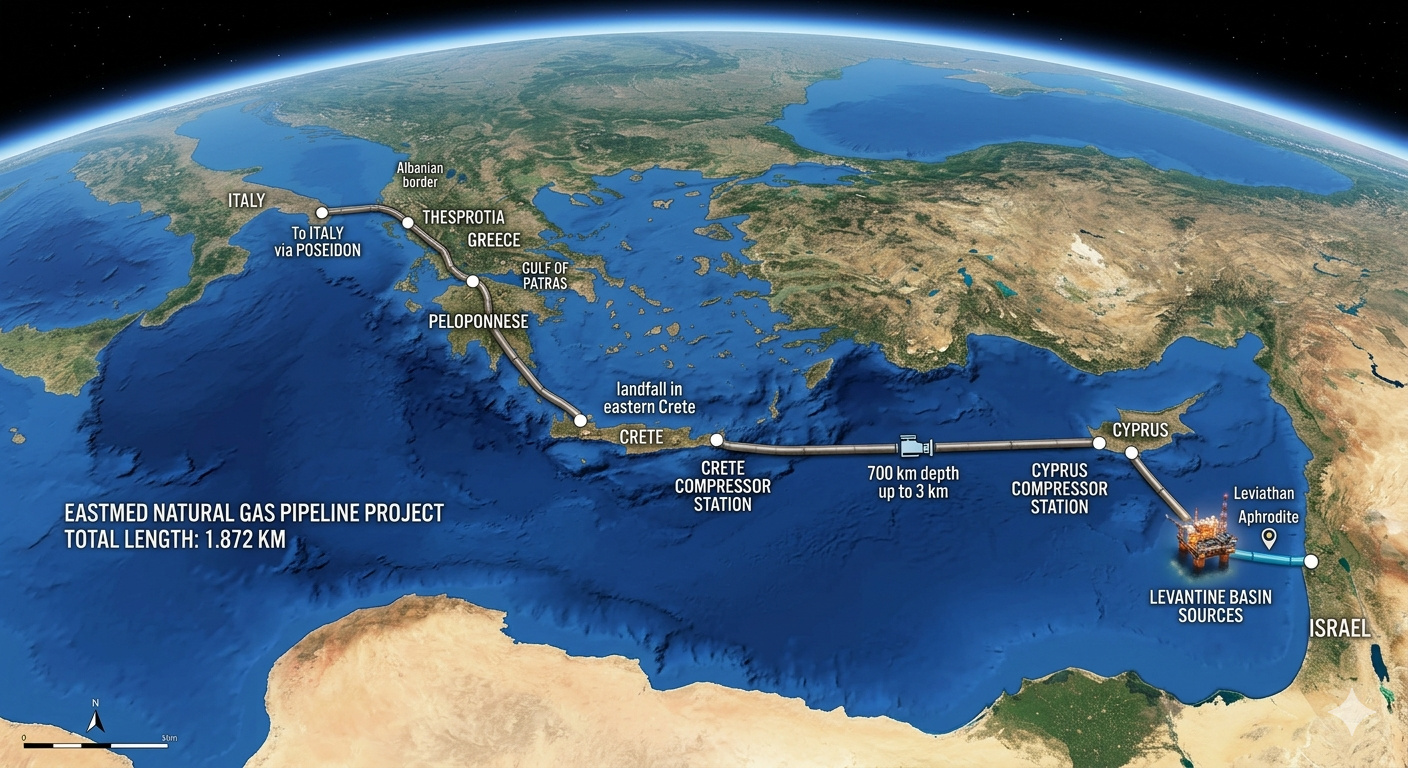
Israel, Greece, and Cyprus signed an agreement in 2020 to transport gas from the Mediterranean to Europe via a 1,872 km pipeline, but Turkey claimed sovereignty over part of the maritime route, and the project never materialized.

Construction is expected to begin in June 2025, and the first vehicles should start rolling off the assembly line in 2027.
The choice of Shanghai, which already houses Tesla’s gigafactory, demonstrates Toyota’s interest in establishing itself in a strategic region with advanced infrastructure and a highly active consumer market.
Intense Local Competition
So far, Toyota has operated in China through joint ventures with local groups such as China FAW Group and Guangzhou Automobile Group.
With this new venture, the Japanese automaker adopts a direct operation model, signaling a shift in its strategy in the Asian country.
This change occurs amid growing pressure from Chinese manufacturers, such as BYD, which dominate the local market with more affordable electric vehicles.
In 2024, China solidified itself as the largest market for new energy vehicles, with sales of nearly 11 million units, according to the Chinese Automobile Manufacturers Association.
Strengthening Toyota’s Presence in Strategic Markets
The new Toyota factory represents the second project of its kind with 100% foreign capital in Chinese territory — the first was Tesla’s.
The decision reinforces the Japanese automaker’s commitment to technological advancement and energy transition, while also expanding its presence in the competitive Chinese market, which is considered crucial for the future of global mobility.
According to information released by the economic newspaper Yicai, the company is betting on the combination of advanced technology, productive efficiency, and premium vehicles to gain ground and balance its position against local competitors.
Source: Terra









Seja o primeiro a reagir!