





 Português
  Inglês
  Espanhol
  3 min de leitura
  2 comentários


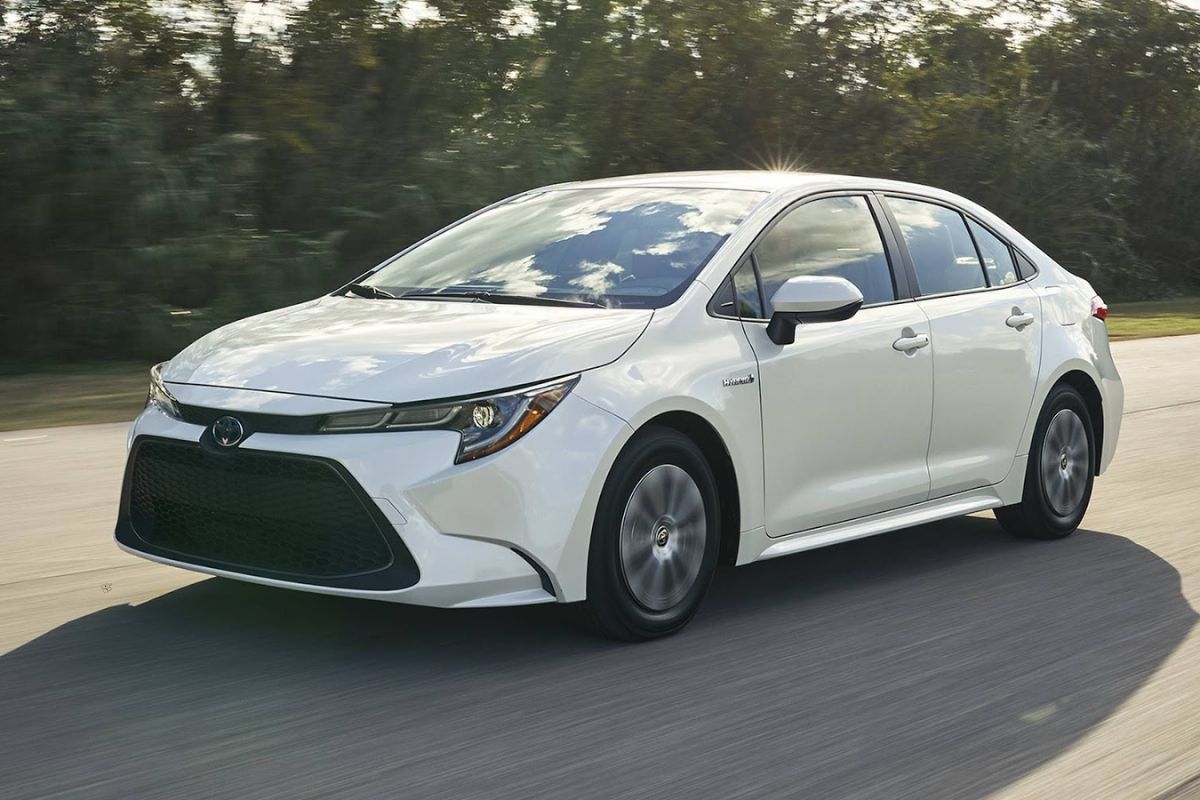


The Toyota Corolla, known for its reputation as an unbreakable car, has been facing problems that are leading hundreds of units to repair shops, mainly the models equipped with direct injection. The manufacturer blames Brazilian fuel, but drivers complain about serious failures.
For decades, the Toyota Corolla has been synonymous with reliability and low maintenance in Brazil. However, recent reports show that models launched from 2020 onwards are accumulating defects related to the fuel injectors, especially when fueled with ethanol. Owners report operational failures, increased maintenance costs, and delays in parts supply. The question generates controversy: after all, whose fault is it — the car’s or the fuel’s?
Corolla and the Issues with Direct Injection
According to a report by the magazine Quatro Rodas, the Toyota Corolla and the Corolla Cross with the 2.0 direct injection engine have been showing recurring failures. Owners report loss of power, idle fluctuations, and the need for premature replacement of the fuel injectors. In some cases, the problem continues even after replacement.
Toyota acknowledges the situation but attributes the fault to the quality of the ethanol sold in Brazil, which often has high water levels or adulteration. The company has even issued internal bulletins advising dealerships to check the fuel used before authorizing repairs.
-
OMODA & JAECOO grows in Europe in 2026 with an integrated strategy of sales, innovation, local production, and technological advancement in the United Kingdom, Italy, and Spain.
-
OMODA & JAECOO expands after-sales service in Brazil with competitive maintenance, a 7-year warranty, and high availability of parts for technological SUVs.

-
OMODA & JAECOO appoints Alessandra Souza as executive marketing director in Brazil and accelerates brand expansion with a focus on innovation, networking, and hybrid portfolio.

-
Jaecoo 7 with super hybrid SHS system exceeds 1,200 km of combined range with a 1.5 turbo engine, high-density battery, and intelligent energy management.


Ethanol and the Sensitivity of Direct Injection
The direct injection system is more efficient but also more sensitive to low-quality fuels. Unlike traditional multipoint injection, which spray fuels before the combustion chamber, direct injection operates within it at high pressure. This means that any impurity — especially water in ethanol — can compromise operation, clog injectors, and even cause hydraulic lock in the engine.
This is not a problem exclusive to the Toyota Corolla. Models from other brands, such as the Volkswagen TSI, Chevrolet Cruze, and Honda Civic Touring, also exhibit similar difficulties. The difference is that, in the case of the Corolla, the impact on its image is greater, as the car has always been seen as a benchmark in durability.
Toyota’s Position and Owner Dissatisfaction
Toyota claims that it has been performing warranty repairs, replacing injectors and high-pressure pumps when necessary. However, many consumers complain about the delay in repairs, as the parts are imported and not always available in stock. Additionally, owners question the unofficial recommendation to avoid using ethanol, even in a flex-fuel vehicle.
For the consumer, the situation is contradictory: if the Corolla is sold as a flex, the use of ethanol should be safe. However, the recurring problems show that the adaptation of direct injection to Brazilian conditions is still far from ideal.
Is It Worth Buying the Corolla Today?
Despite the problems, the Toyota Corolla continues to be a valued car in the used market and has superior after-sales service compared to the average. Hybrid models, which use a 1.8 engine with multipoint injection, do not exhibit the same type of failures and remain safer alternatives for those looking to avoid headaches.
On the other hand, owners of 2.0 versions need to take extra precautions: refuel only at trusted gas stations, prioritize high-quality gasoline, and avoid driving frequently with pure ethanol.
The case shows how even cars with a solid reputation can face challenges due to new technologies. The Toyota Corolla has not ceased to be reliable, but its adaptation to direct injection has brought issues that tarnish the image of robustness built over decades.
And you, have you encountered problems with your Corolla or another direct injection flex-fuel car? Do you think the blame lies with Brazilian fuel or the manufacturer? Leave your opinion in the comments — we want to hear from those who experience this firsthand.









Eu acho q o problema e da montadora q deveria ter visto isso antes de lançar o carro o prios e um exemplo disso o carro e com o mesmo sistema híbrido e não faz isso porque não usaram o motor dele no Corolla Cross hybrid
Boa noite sou proprietário de um Corolla Cross hybrid 1.8 2023 o meu acende a luz da injeção mas o carro funciona normal não falha não sei se é combustível ruim ou sonda lambda vou levar ele a uma concessionária para fazer o diagnóstico preciso tirando isso o carro e simplesmente maravilhoso