





 Portuguese
  English
  Spanish
  5 min of reading
  1 comment


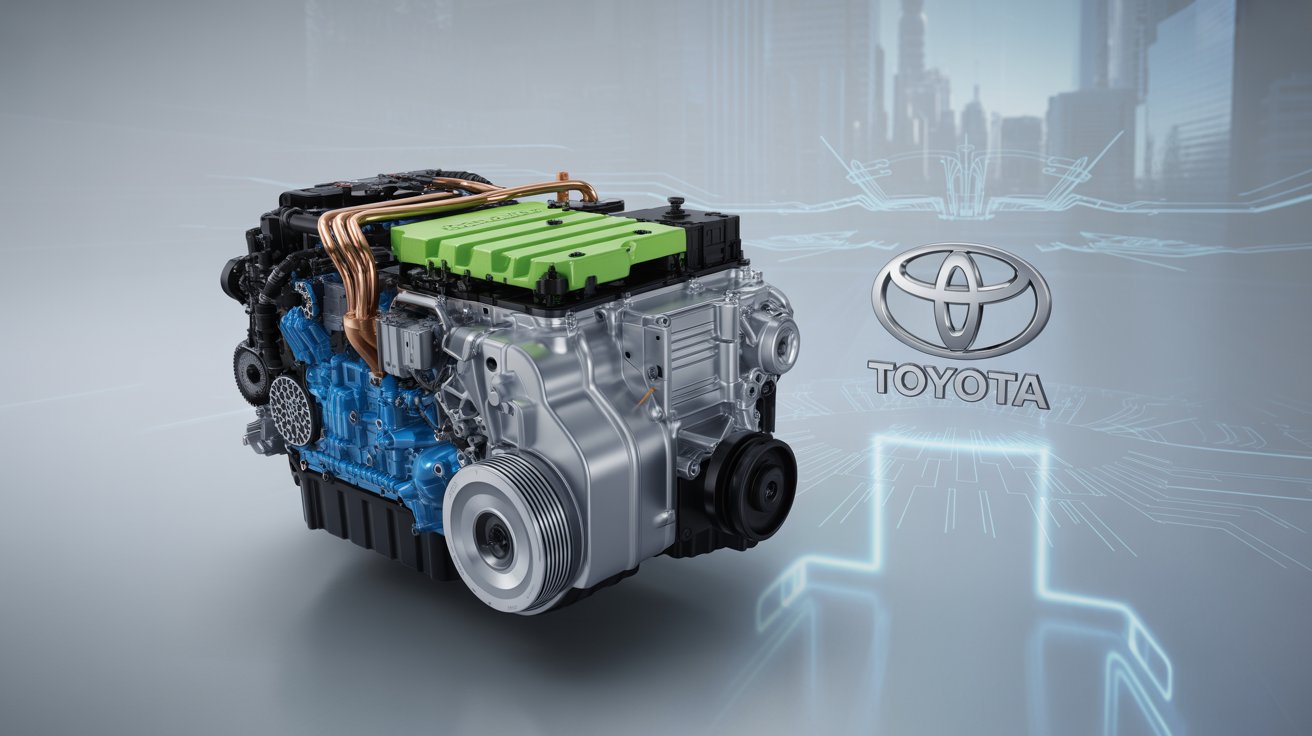

Amid Uncertainties About Total Electrification, Toyota Takes Its Own Path and Accelerates Its Strategy With Plug-In Hybrids, Challenging Competitors That Invest Heavy in Pure Electrics and Reopening the Debate on the Sustainable Future of Mobility.
A Toyota Surprises the Global Automotive Market by Announcing a Strong Bet on Plug-In Hybrids (PHEVs), Rejecting the Predominant Trend of Focusing Exclusively on Pure Electric Vehicles (EVs).
The Japanese automaker, a pioneer in electrification with the Prius, launched 25 years ago, now aims to Drastically Increase the Share of PHEVs in Its Line, Targeting About 20% of Global Sales by 2030, Up from Just 2.4% in 2023.
This move occurs in a context of slowing EV sales and regulatory uncertainties, especially in the United States, where changes in environmental policies could impact the pace of the transition to fully electric vehicles.
-
Something was orbiting Earth before any human launched a satellite into space: scientists have found thousands of unexplained flashes in old photos of the sky, and a NASA researcher says the evidence points to non-human intelligence.

-
The aircraft carrier HMS Prince of Wales is heading to the Arctic with F-35 fighters, helicopters, and warships in an operation that repositions the United Kingdom at the forefront of NATO in 2026.

-
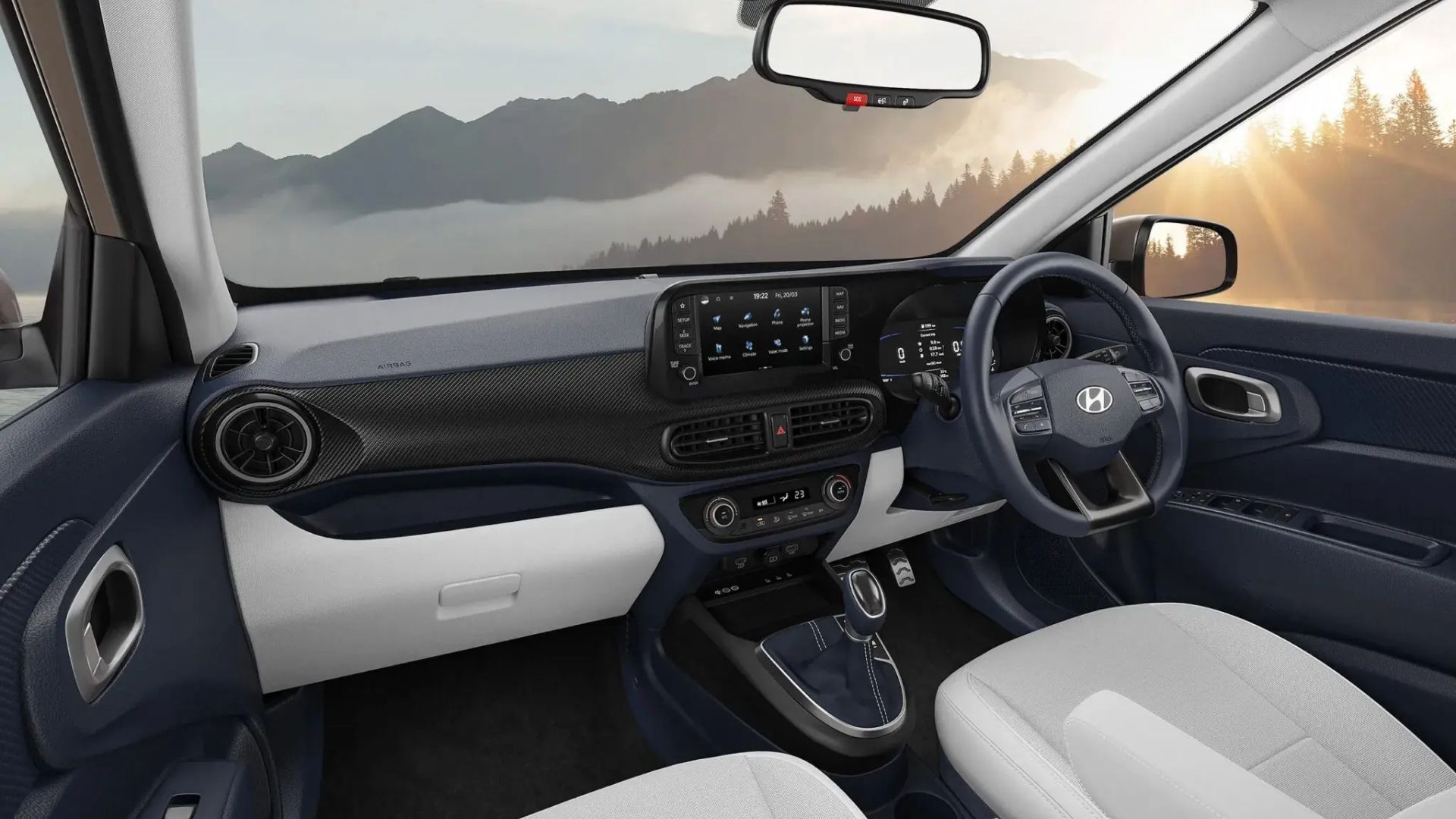
For R$ 32,000, a brand new Hyundai car is a rival to the Kwid with a 1.2 engine producing 82 hp, 6 airbags as standard, multimedia with wireless Android Auto, up to 391 liters in the trunk, and a refreshed look for 2026 in India.
-
There is a gap of hundreds of kilometers between weather observation points in the United States, and now drones flying at 6,000 meters altitude in strong winds are filling this gap to predict tornadoes before they kill.


“Pragmatic Commitment” to the Consumer
In an exclusive interview with CNBC at Toyota’s headquarters in the U.S., David Christ, head of the brand for North America, revealed that the company will expand the volume of PHEVs in its lineup over the coming years.
According to Christ, the plug-in hybrid represents a “pragmatic commitment” for consumers who still have doubts about switching to 100% electric vehicles.
PHEVs combine an internal combustion engine and electric propulsion, able to travel for dozens of kilometers using only the battery, which eliminates the range anxiety that still concerns many drivers.
Regulation and Political Uncertainties
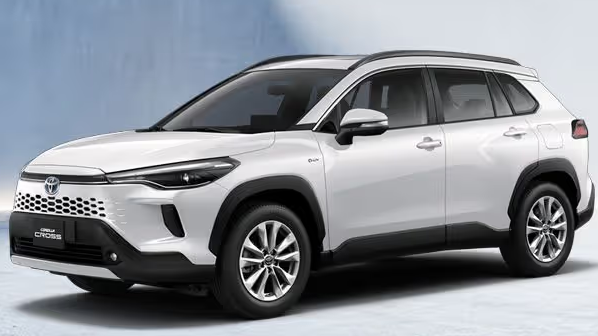
The Toyota plan fits into a complex regulatory context, especially in California, which requires that 100% of vehicles sold by 2035 be zero-emission, under the Advanced Clean Cars II rule.
However, the automaker bets that the goal will be met without giving up plug-in hybrids, even though experts say this places it on the edge of what is allowed by legislation.
This scenario is even more uncertain with the possibility of political changes, such as former President Donald Trump’s promise to revoke these environmental regulations if he is re-elected.
Technological Diversification for the Future of Mobility
The Toyota diversification strategy is not limited to plug-in hybrids.
The company maintains a lineup that includes traditional internal combustion engines, conventional hybrids, PHEVs, and also pure electric vehicles, reinforcing the concept that “there is no one-size-fits-all solution for the future of mobility,” according to Senior Vice President Cooper Ericksen.
He states that the automaker is “fully charged” to operate across all fronts, betting on flexibility to adapt to different markets and consumer profiles.
RAV4 PHEV: A Practical Example
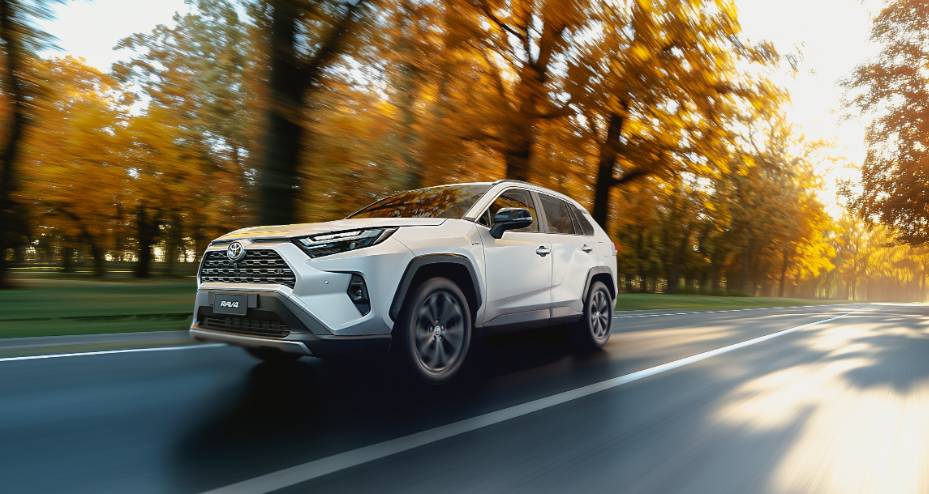
One of the most recent examples of this bet is the new generation of the Toyota RAV4 PHEV, which offers about 80 km (50 miles) of range solely on electric propulsion, enhanced performance, and a price about US$ 15,000 above the combustion version.
Even with the higher cost, Toyota believes that the advantage of driving without worry about electric range will be a decisive attraction for drivers who still hesitate to adopt fully electric vehicles.
Ericksen emphasizes that “the biggest shift in opinion comes precisely from those who discover how a plug-in hybrid works. It becomes a concrete option for those who would never consider a pure electric.”
Cost Challenges and Market Projections
Despite the advantages, plug-in hybrids face significant challenges, particularly in production costs.
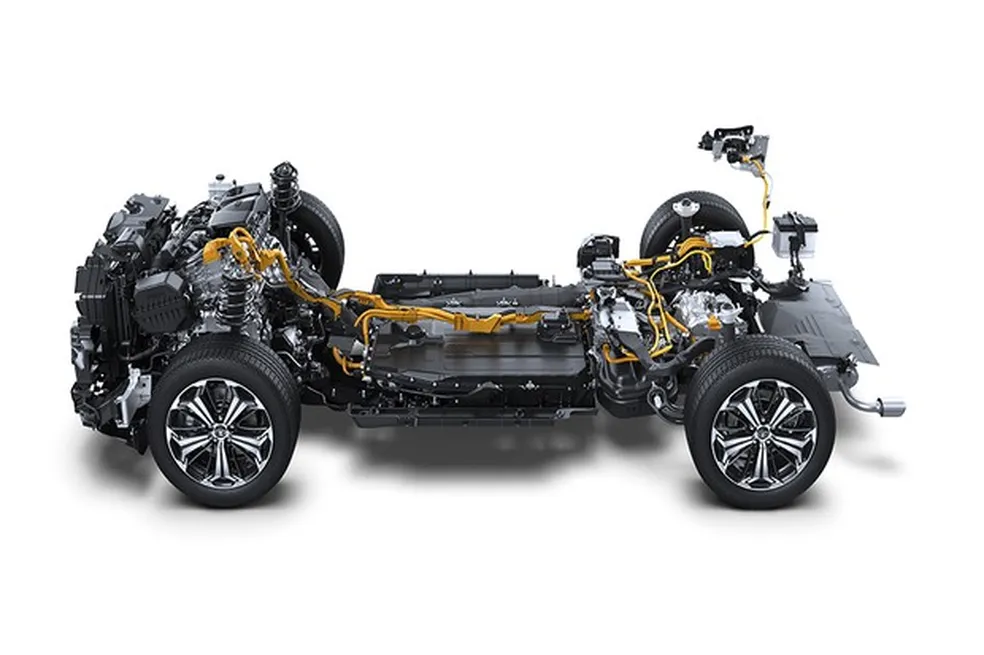
That’s because a PHEV carries the weight of two complete propulsion systems: the electric one and the internal combustion engine, which increases the vehicle’s cost and maintenance.
Experts from S&P Global Mobility project that plug-in hybrids will account for only 5% of U.S. sales by 2030, a modest percentage compared to the expected growth for pure electric vehicles.
The consulting firm AutoPacific presents even more conservative projections, estimating a 4.2% share for PHEVs.
Toyota Sees Positive Results and Acceptance From the Public With New Engines
Despite these projections, Toyota is already seeing positive results.
In 2023, sales of plug-in hybrids grew nearly 40%, driven by the success of the Prius and RAV4, which combine efficiency and versatility.
In the luxury division, Lexus, Toyota’s premium arm, recorded an increase of more than 88% in sales of plug-in hybrids, driven by the arrival of the new TX, a model that also bets on the combination of electrification with comfort and performance.
This growth indicates that the public is open to intermediate solutions between internal combustion engines and pure electric vehicles, especially when range and practicality are guaranteed.
Additionally, the limited charging infrastructure and high demand for electric vehicles weigh against a faster adoption of EVs, making PHEVs an important bridge in the transition to sustainable mobility.
Toyota Challenges Rivals Focused on Pure Electrics
While other global automakers, such as Tesla, BYD, Ford, General Motors, and Volkswagen, invest heavily in the development and expansion of 100% electric vehicles, Toyota maintains a cautious but firm stance, betting on technological diversity.
This positioning reflects a long-term vision that prioritizes adaptability to market, regulatory conditions, and consumer preferences.
Experts point out that Toyota’s ability to offer multiple options — from the traditional engine to hybrids and electrics — can be a crucial competitive differentiator to face the challenges of the global energy transition.
Moreover, this strategy avoids excessive risks associated with a single technology, especially in such a dynamic sector subject to rapid changes.
Freedom of Choice for the Consumer
For the consumer, this variety may mean more freedom to choose the model that best fits their needs without giving up sustainability.
However, the future of mobility still raises questions: to what extent will plug-in hybrids remain relevant in the face of growing pressure for fully zero-emission vehicles?
With PHEV sales growing, but facing technical and regulatory limitations, Toyota seems to be betting on flexibility — a gamble that challenges the market’s dominant view and could shape the coming years of the automotive industry.
And you, reader, believe that plug-in hybrids are the best alternative for the energy transition, or will pure electric vehicles soon dominate the market?




A matéria está incorreta. A BYD foca também em PHEV. Tanto que a própria Toyota avalia utilizar a plataforma PHEV DM-i da BYD.