





 Portuguese
  English
  Spanish
  3 min of reading


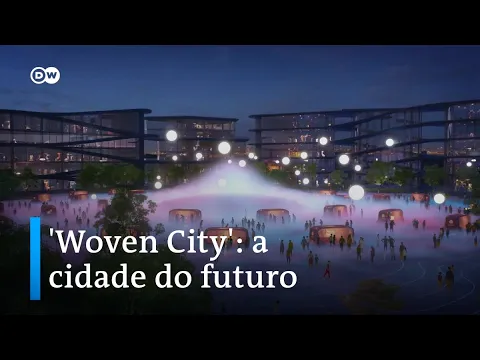
The City’s Proposal Is That All People, Buildings, And Vehicles Can Communicate With Each Other Through Real-Time Data And Embedded Sensors. This Connectivity Will Allow Toyota To Test How AI Technology Works In The Real World, With Minimal Risks And Renewable Technologies Like Green Hydrogen And Many Others.
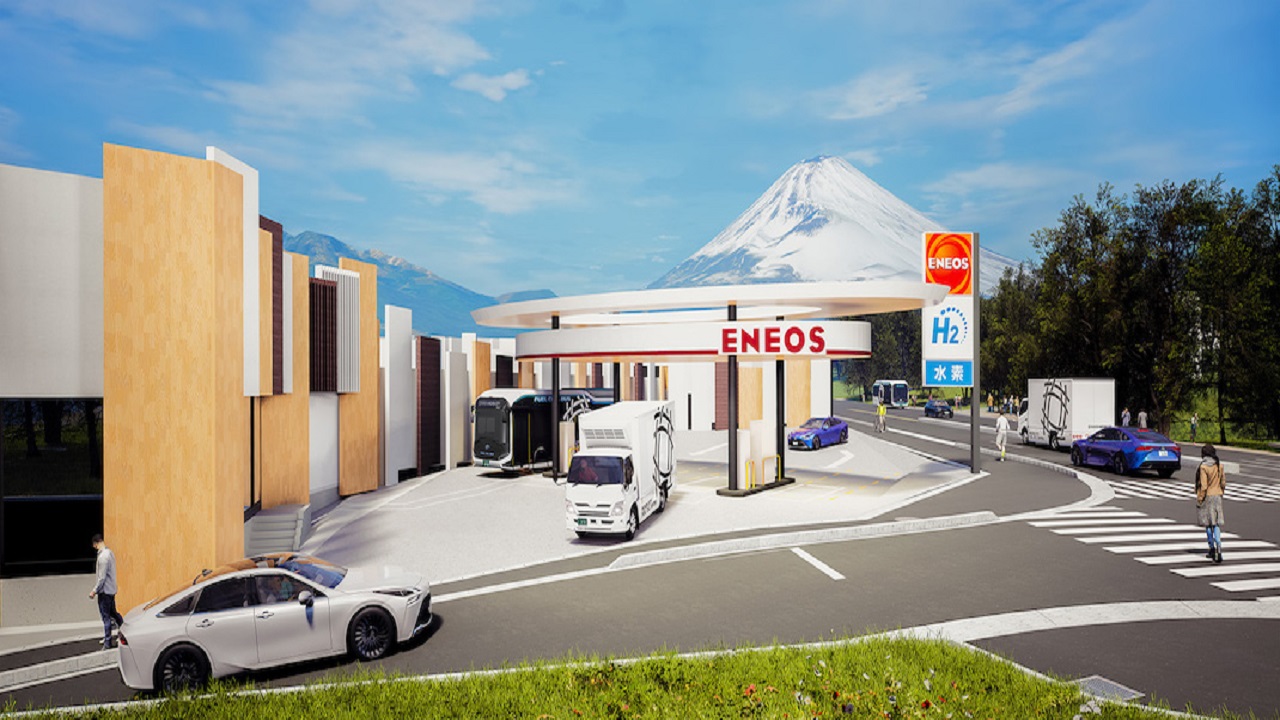
Toyota And Eneos Announced A New Partnership This Monday (28) To Produce And Distribute Green Hydrogen, As Well As Research And Design A Management System For The Clean Fuel In Toyota’s Woven City Project Located In Japan. The Companies Highlight That The Hydrogen Refueling Station Will Help Meet Energy Needs Inside And Around Woven City, Normalizing Clean Energy Operations And Accelerating Carbon-Neutral Goals.
Toyota’s Hydrogen Hub Will Be Part Of Japan’s First Smart City

Green Hydrogen Will Be Supplied To Woven City And Also Used For Electric Vehicles Powered By Fuel Cells. As Part Of The Agreement, Eneos Will Build And Operate A Hydrogen Refueling Station Near Woven City, In Addition To Producing Green Hydrogen Generated From Electrolyzers Using Renewable Energy.
This Green Hydrogen Will Be Used In A Fuel Cell Generator That Will Be Installed By Toyota In Woven City, Which Is Being Built In Japan. The Fuel Produced From The Project Will Not Only Be Used For Fuel Cell Electric Vehicles, But Will Also Be Supplied To A Pipeline.
-
Renewable energy advances over protected areas in Brazil, and a survey by the Energy Transition Observatory reveals silent impacts that challenge environmental conservation and pressure sensitive traditional territories.

-
Rio Grande do Sul accelerates energy transition: State invests in renewable technologies and consolidates decarbonization strategies and pathways to attract billions in new industrial investments.

-
With 160,000 m² of collectors, an area larger than 20 football fields, Silkeborg, in Denmark, hosts a solar thermal plant that heats 19,500 homes and could become the largest solar heating plant in the world.

-
A study reveals the expansion of renewable energy procurement in Brazil and shows how companies are taking advantage of opportunities to reduce expenses, ensure energy efficiency, and strengthen strategic environmental commitments.

45 Commercial Refueling Stations Using Green Hydrogen
Eneos And Toyota First Revealed A Partnership To Develop Green Hydrogen For The Community Last Year. Eneos Operates 45 Commercial Hydrogen Refueling Stations In Japan. Hydrogen Is Becoming A Key Component In Clean Energy Transitions Worldwide. Automakers Are Also Leading The Expanding Fuel Cell Market, Which Is Expected To Reach Nearly US$ 25 Billion By 2028.
The Woven City Is A Project That Will Demonstrate A Human-Centered Approach To Community Development. In Toyota’s Shift From Car Manufacturer To Mobility Company, The Project Will Bring New Technologies To The Fore In A Real-World Environment For Various Fields, Such As Automated Driving, Personal Mobility, Robotics, And Artificial Intelligence (AI). It Is Expected To Offer A Range Of Opportunities For Businesses And Researchers Around The World.
Recent Toyota Partnerships For The Use Of Green Hydrogen
Toyota Recently Partnered With Isuzu And Hino To Increase The Production Of Electric Buses With Fuel Cells. The Projects On Fuel Cells And Electric Vehicles Are A Major Part Of Volvo’s Sustainability Goals, And General Motors Is Taking The Technology Beyond Vehicles With Projects Like Mobile Power Generation.
Woven City, Located Near Mount Fuji, Was Announced By Toyota In 2020 And Launched In The Community In February 2021. It Aims To Be A Living Laboratory Community, According To Toyota, Where Researchers Can Test And Develop Technologies Such As Autonomy And Artificial Intelligence. The Companies Will Work With Toyota’s Subsidiary, Woven Planet Holdings, On Managing The Technical Logistics Of The Hydrogen Program.
About ENEOS Corporation And Woven Planet
ENEOS Corporation, One Of The Main Operating Companies Of The Group, Is Contributing To Achieving The Group’s Projected Goals Through A Wide Range Of Energy Businesses.
The ENEOS Group Has Developed Businesses In The Energy And Non-Ferrous Metals Segments, From Upstream To Downstream. The Group’s Projected Goals For 2040 Are To Become One Of The Most Prominent And Internationally Competitive Energy And Materials Groups In Asia, Creating Value By Transforming The Current Business Structure, Contributing To The Development Of A Low-Carbon And Recycling-Oriented Society While Pursuing Carbon-Neutral Status In Its Own CO2 Emissions.
Woven Planet Is Building The World’s Safest Mobility. A Toyota Subsidiary, Woven Planet Innovates And Invests In New Technologies, Software, And Business Models That Transform The Way We Live, Work, And Move.
Focusing On Automated Driving, Smart Cities, Robotics, And More, Woven Planet Builds On Toyota’s Trust Legacy To Provide Safe, Connected, Reliable, And Sustainable Mobility Solutions For All.








Seja o primeiro a reagir!