





 Portuguese
  English
  Spanish
  4 min of reading
  3 comments


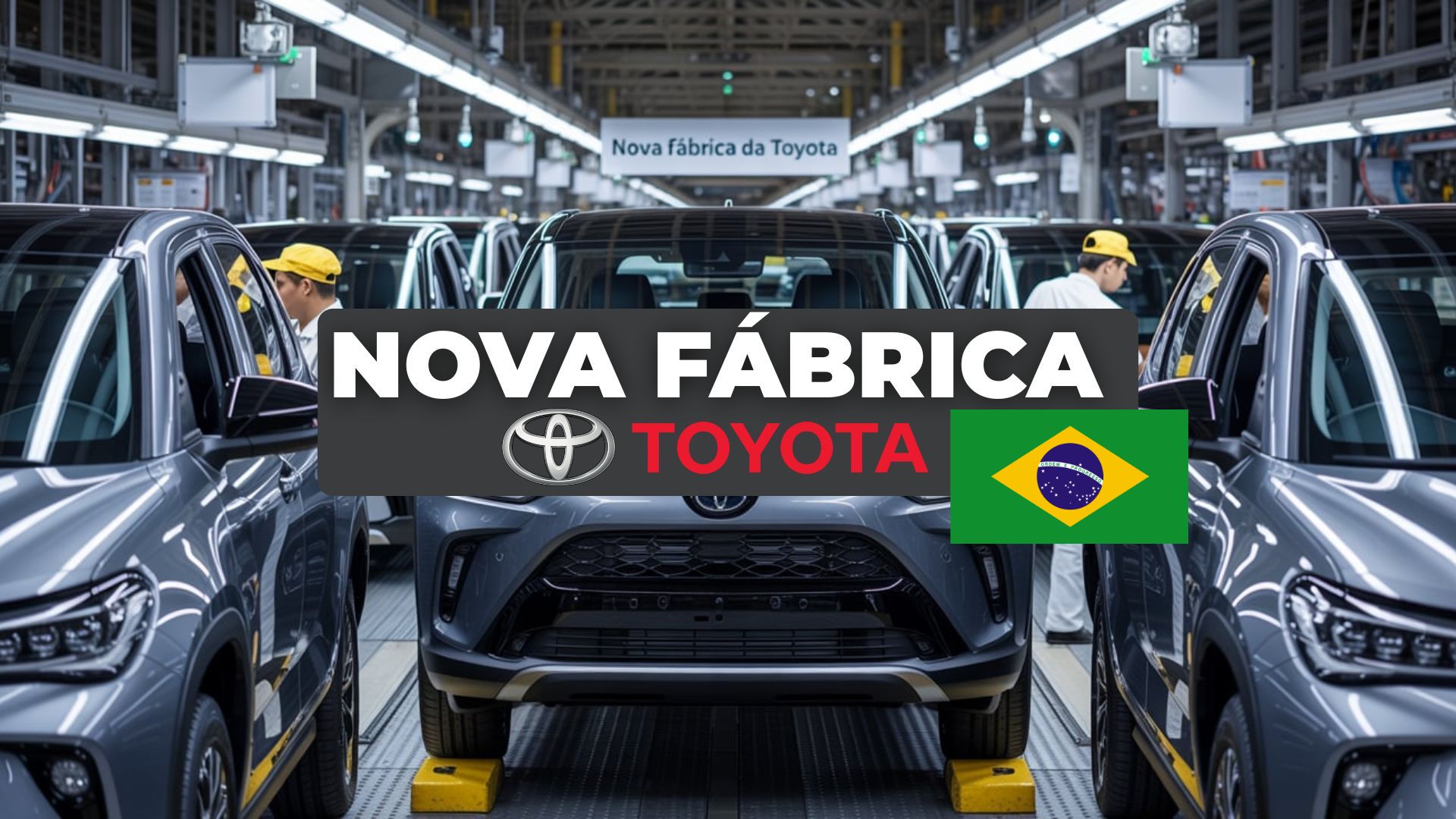


The New Toyota Plant in Sorocaba Promises to Transform the National Automotive Industry with High Automation, Sustainable Solutions, and Production Expansion, Becoming the Main Pole of the Manufacturer in Brazil as of 2026.
The Toyota is progressing towards the completion of a new unit in Sorocaba (SP) that will concentrate cutting-edge production processes, with 250 robots in stamping, waterless painting, the adoption of AGVs in assembly, and a total capacity of up to 260,000 vehicles per year at the local complex.
The plant is scheduled to start operations in the second half of 2026 and is expected to create 2,000 direct jobs, with half of the positions aimed at women, according to the company.
Industrial Expansion in Sorocaba
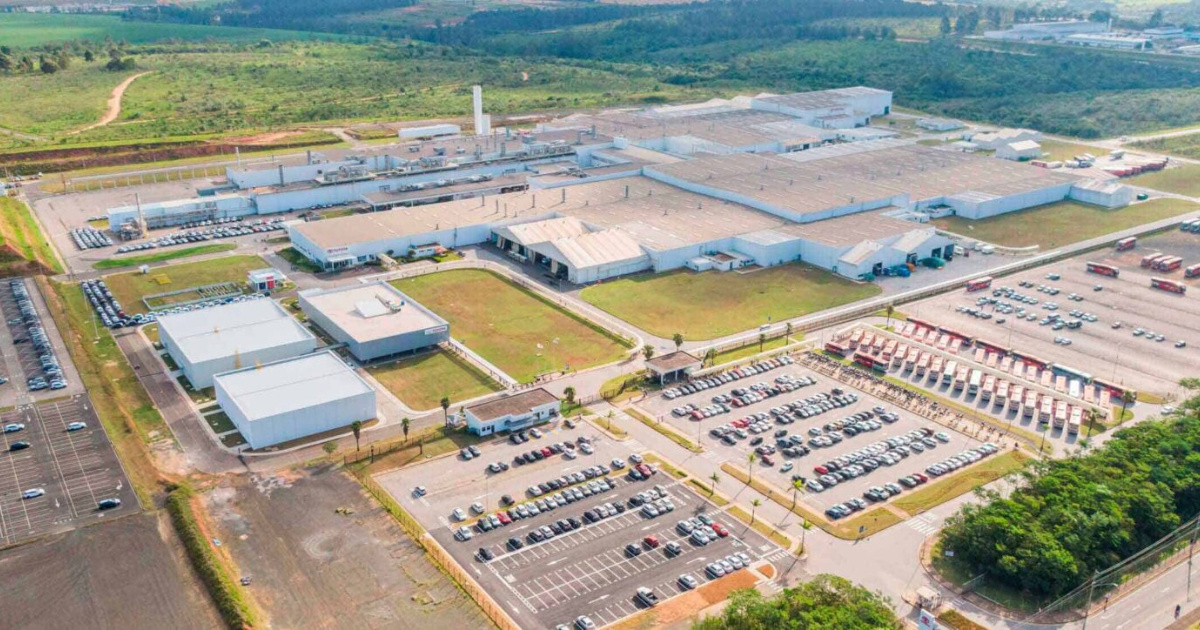
The project raises a new hall next to the existing operation in the city.
-
The government requests the Federal Revenue Service for a new system to automate the income tax declaration, reducing errors, time, and bureaucracy for millions of Brazilians.

-
Pix in installments, international Pix, and contactless payment without internet: the Central Bank revealed the new features coming to the tool that is already used by almost every adult in Brazil.

-
Mercado Livre has just started selling medications with delivery in up to three hours to your door, and this move could completely change the way Brazilians buy medicines on a daily basis.

-
In Dubai, rising tensions from the war in the Middle East are causing super-rich individuals to leave the Gulf and direct their fortunes to a new financial refuge in Asia.


The construction covers 160,000 m² within a land area of 400,000 m², designed to accommodate stamping, bodywork, painting, and final assembly with a high level of automation.
The expansion consolidates Sorocaba as the main industrial hub of the brand in Brazil.
End of Operations in Indaiatuba
With the new unit entering into operation, the factory in Indaiatuba (SP) will be deactivated.
The transfer of processes will occur in stages until the end of 2026, maintaining jobs and relocating activities to Sorocaba as part of a larger investment plan in the country.
The strategy is part of a cycle of investments of R$ 11 billion by 2030, confirmed by the manufacturer.
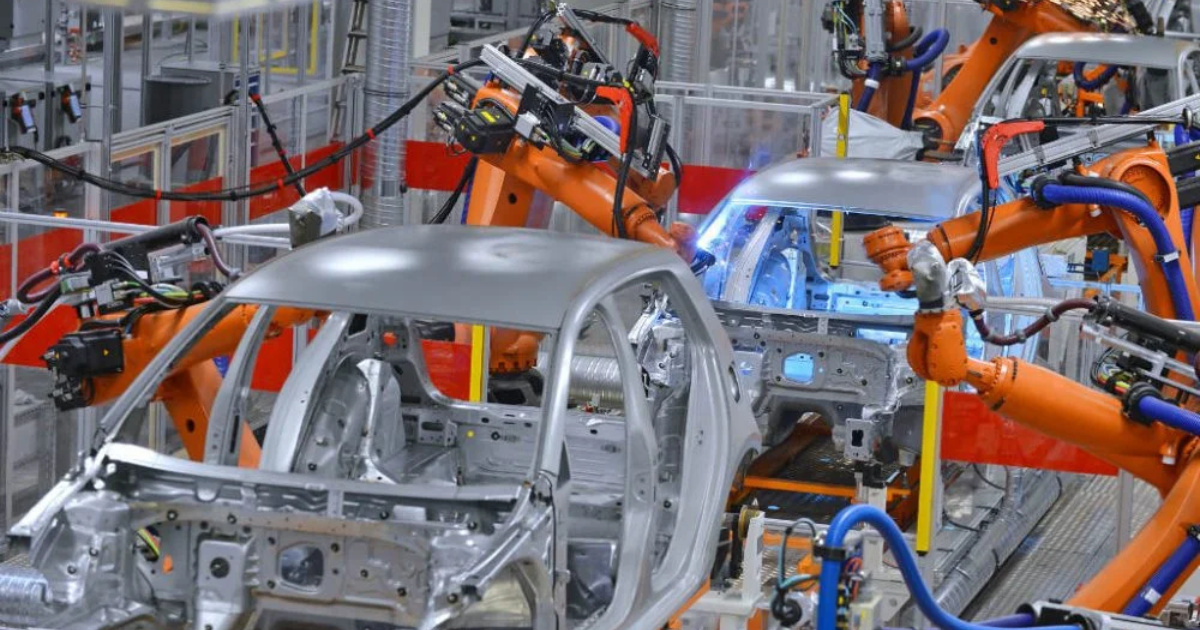
Automation with 250 Robots and AGVs
The body shop area was designed to operate with 95% automation, using up to 250 robots.
In final assembly, the company will adopt AGVs (Auto Guided Vehicles) to transport car bodies and subassemblies, replacing traditional fixed conveyors.
The design allows for flexibility in balancing, quick model changeovers on the line, and better ergonomics, increasing efficiency without expanding physical space beyond what is necessary.
Sustainability in Painting
The painting system is one of the pillars of modernization. The booth was designed to not consume water in the air filtration process.
Instead, the factory will use recyclable cardboard to capture particles, a solution that allows for the reuse of almost all the material.
At this stage, another 20 robots will work on finishing, with thickness and coverage control to reduce rework and emissions. The proposal aligns with goals to reduce environmental impact in the production cycle.
Production Expanded to 260,000 Vehicles
With the expansion, the annual capacity of the Sorocaba complex will increase from 100,000 to 260,000 units.
The goal meets the increased demand for electrified versions and the regionalization of key components, such as hybrid systems and, starting in 2026, battery assembly at the same complex.
Hybrid Models Portfolio
The new plant will initially house the production of the Corolla Sedan and a new hybrid flex model, which has not yet been disclosed.
The current Sorocaba operation will remain responsible for the Toyota Corolla Cross and the Toyota Yaris Cross, both with hybrid versions.
In product planning, the Yaris Cross has an industrial launch in the city scheduled for November 2025, while a 100% electric vehicle will be imported to the region starting in the beginning of 2026.
Progress of Construction and Team Preparation
The construction of the Toyota factory has entered the final phase. The company reports one of the largest earthmoving operations in the region, with 2 million m³ of earth moved — the equivalent of about 2,000 trucks per day for six months.
The expectation is to complete the civil work by December and then install equipment and train teams for the ramp-up throughout 2026. The schedule maintains the inauguration in the second half of 2026.
Jobs and Diversity
In the hiring plan, the brand envisions 2,000 new direct jobs in the region, with 50% of these positions allocated for women.
The human resources front is working on selection and training aligned with the new automation processes and robot maintenance as well as the routines of operation with AGVs and the safety protocols of the new painting booth.
The objective is to sustain three shifts of production and support the units in Brazil and Argentina in meeting regional demand.
Neutrality and Electrification Goal
The consolidation of operations in Sorocaba aims to increase scale and supply stability for Latin America, with an emphasis on electrification through hybrid flex and advancements in local content for engines and batteries.
The factory redesign prioritizes lean production, mix variation capacity, and waste reduction. It also incorporates solutions for lower resource and emission consumption in the process.
The expected result is to reduce model changeover times, improve quality on the first pass, and increase productivity per square meter.








Vai ficar difícil passar o chapéu por isenções alegando preservar ou temer perda de postos de trabalho depois.
Melhor marca do mundo, maior vendas a nível mundial, sou Toyota desde os anos 90, não mudo de marca por nada. Confiança e credibilidade. Não é atoa que está na frente de todas as outras …
Só não use etanol nos flex né?