





 Português
  Inglês
  Espanhol
  4 min de leitura
  0 comentários


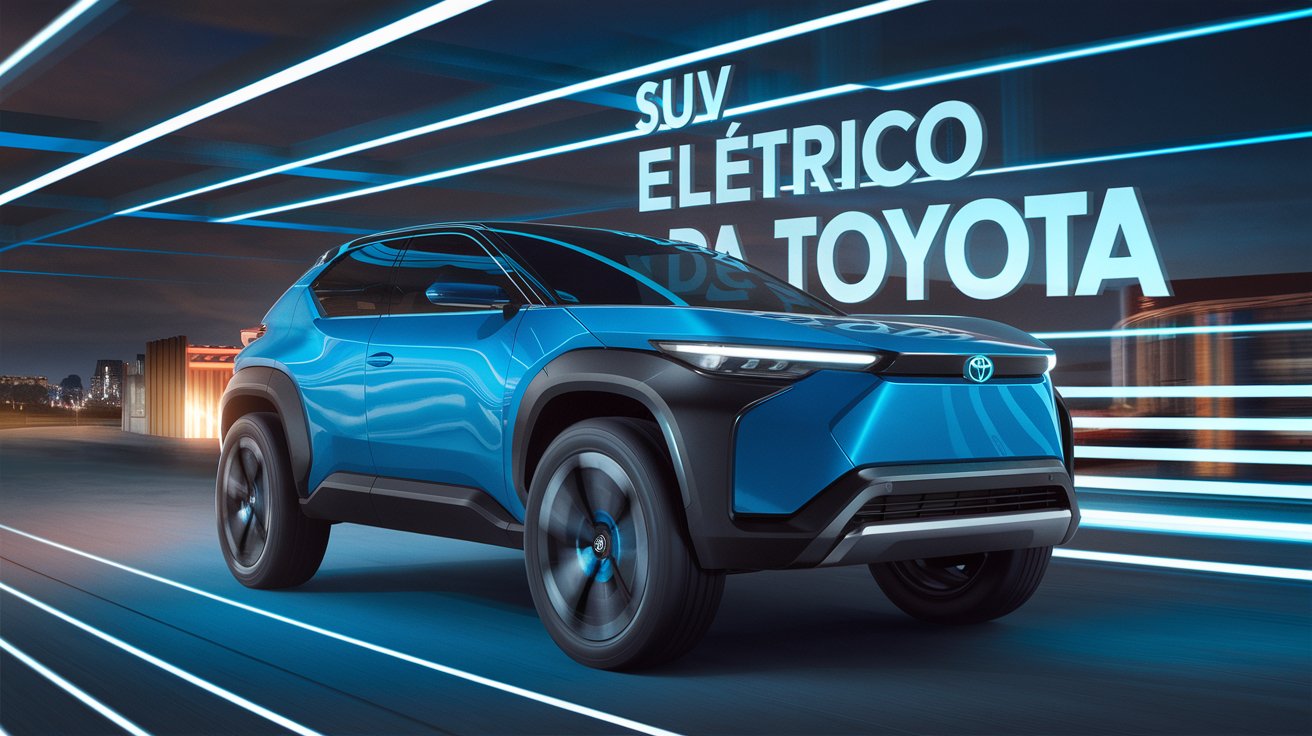
Toyota Finally Entered the Electric Race! The New C-HR+ Is Just the Beginning: There Will Be 6 Models by 2026 to Compete with Europeans and Chinese. With Futuristic Design and 343 hp of Power, This Electric SUV Promises to Revolutionize the Market. But Will It Reach Brazil? Discover the Details of This Bold Bet from the Japanese Automaker!
The Toyota, one of the largest automakers in the world, announced an ambitious electrification plan for the coming years.
At an event held in Brussels, Belgium, the Japanese manufacturer unveiled the New C-HR+, the first of a new line of six electric cars that will hit the European market by 2026.
With this initiative, Toyota expands its portfolio of battery electric vehicles (BEV), a segment in which it still faces challenges to compete with European manufacturers and, primarily, the Chinese giants.
-
OMODA & JAECOO grows in Europe in 2026 with an integrated strategy of sales, innovation, local production, and technological advancement in the United Kingdom, Italy, and Spain.
-
OMODA & JAECOO expands after-sales service in Brazil with competitive maintenance, a 7-year warranty, and high availability of parts for technological SUVs.

-
OMODA & JAECOO appoints Alessandra Souza as executive marketing director in Brazil and accelerates brand expansion with a focus on innovation, networking, and hybrid portfolio.

-
Jaecoo 7 with super hybrid SHS system exceeds 1,200 km of combined range with a 1.5 turbo engine, high-density battery, and intelligent energy management.

Despite the progress toward total electrification, the company maintains its commitment to hybrid cars and hydrogen technology, even though the latter has seen low acceptance in markets such as the United States.
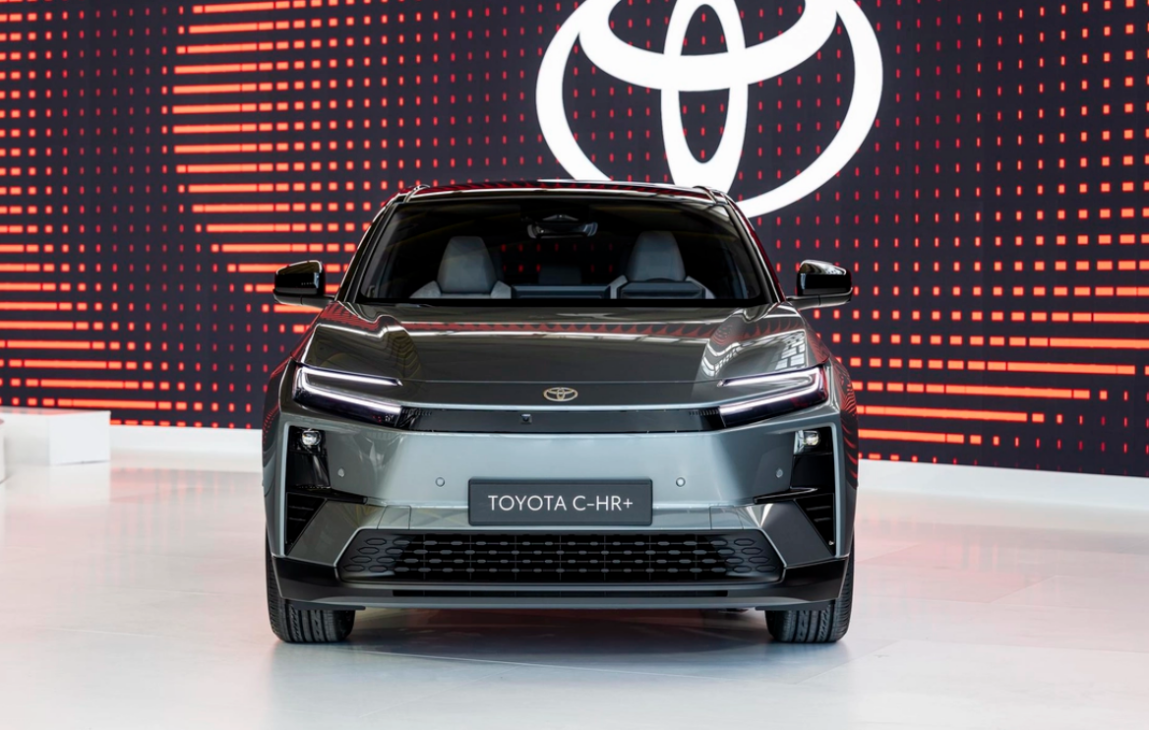
New Toyota C-HR+: Design, Technology, and Performance
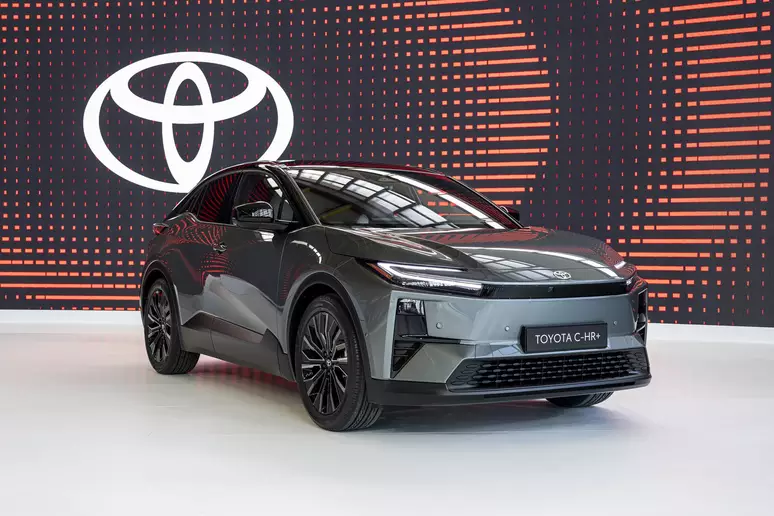
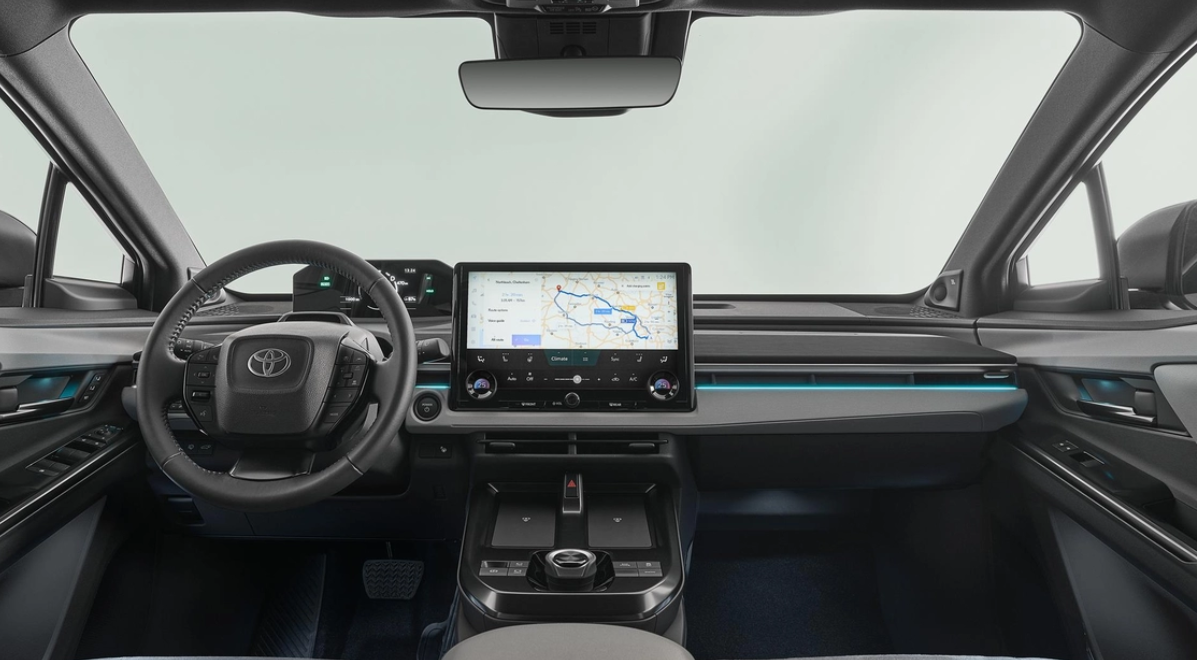
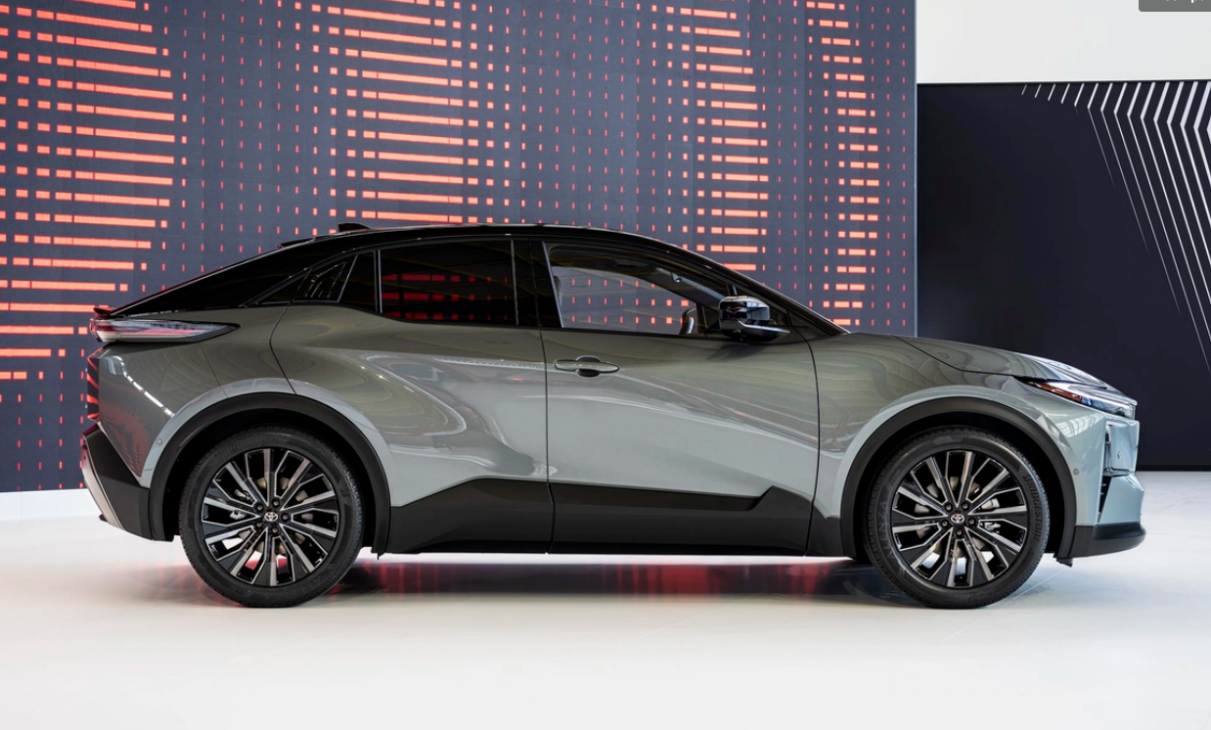
The Toyota C-HR+ arrives on the market as a modern and sporty electric SUV, maintaining the characteristic SUV-coupe silhouette that was successful in the hybrid version.
The model’s distinction is the “+” sign in its name, which represents versatility, practicality, and innovation in the BEV powertrain.
Built on the e-TNGA BEV platform, the vehicle received adjustments in suspension and steering to offer improved handling — a clear attempt to stand out against Chinese competitors, which are often criticized for inferior dynamic performance.
The new Toyota C-HR+ will be available in rear-wheel and all-wheel drive (AWD) versions, offering two battery options: 57.7 kWh and 77 kWh.
The top-of-the-line model promises impressive performance, with 252 kW of power (343 hp) and acceleration from 0 to 100 km/h in just 5.2 seconds.
Lexus Bets on Electrification with Three New Models
The Lexus, the luxury division of Toyota, is also accelerating its plans to expand its lineup of 100% electric vehicles.
The Japanese brand will launch three new BEV models by 2025, including the highly anticipated Lexus RZ, equipped with the innovative steer-by-wire technology.
The Lexus RZ promises to revolutionize the driving experience by eliminating the mechanical connection between the steering wheel and the wheels, replacing it with a more responsive and efficient electronic system.
This technology provides more precise control, reducing driver effort and increasing safety.
Toyota Maintains Hybrid Strategy and Explores New Solutions
Even with the focus on electric vehicles, Toyota will not abandon its investment in hybrids, a segment in which it has established itself as a global leader.
In Brazil, for example, the automaker’s strategy remains focused on flex hybrid models, which combine electrification with combustion engines capable of running on ethanol.
Another challenge that Toyota is still trying to overcome is the popularization of hydrogen-powered vehicles.
The Toyota Mirai, one of the first hydrogen fuel cell cars, reported modest sales, with only 27,500 units sold in the last 10 years.
Despite this, the company continues to invest in the technology, believing that future innovations could make hydrogen a viable and accessible alternative.
Expansion in the European Market and Global Challenges
The first of the six new electric cars from Toyota will arrive in the European market at the end of 2025, positioning itself in the mid-size SUV category (segment C, Corolla Cross).
However, there is no forecast for a launch in Brazil, where Toyota remains focused on hybrid strategies.
The race for dominance in the electric vehicle market in Europe and worldwide poses significant challenges for Toyota.
As Chinese brands like BYD and NIO aggressively expand their operations, and traditional European manufacturers heavily invest in electrification, the Japanese automaker seeks to balance innovation, tradition, and reliability.
The decision to launch six new BEV models by 2026 reflects Toyota’s commitment to the global energy transition.
However, experts point out that the success of this strategy will depend on factors such as charging infrastructure, battery costs, and government incentives for electrification.
With the launch of the New Toyota C-HR+ and another five electric vehicles by 2026, the Japanese automaker reinforces its presence in the electrified market and seeks to narrow the gap with segment leaders.
Even though Toyota maintains hybrids as the main strategy in markets like Brazil, its movement in the BEV sector in Europe demonstrates an adaptation to the new demands of sustainable mobility.
To keep track of Toyota’s advancements and learn more about new releases, stay tuned for updates from the automaker and the global automotive electrification landscape.








Seja o primeiro a reagir!