





 Português
  Inglês
  Espanhol
  4 min de leitura
  7 comentários


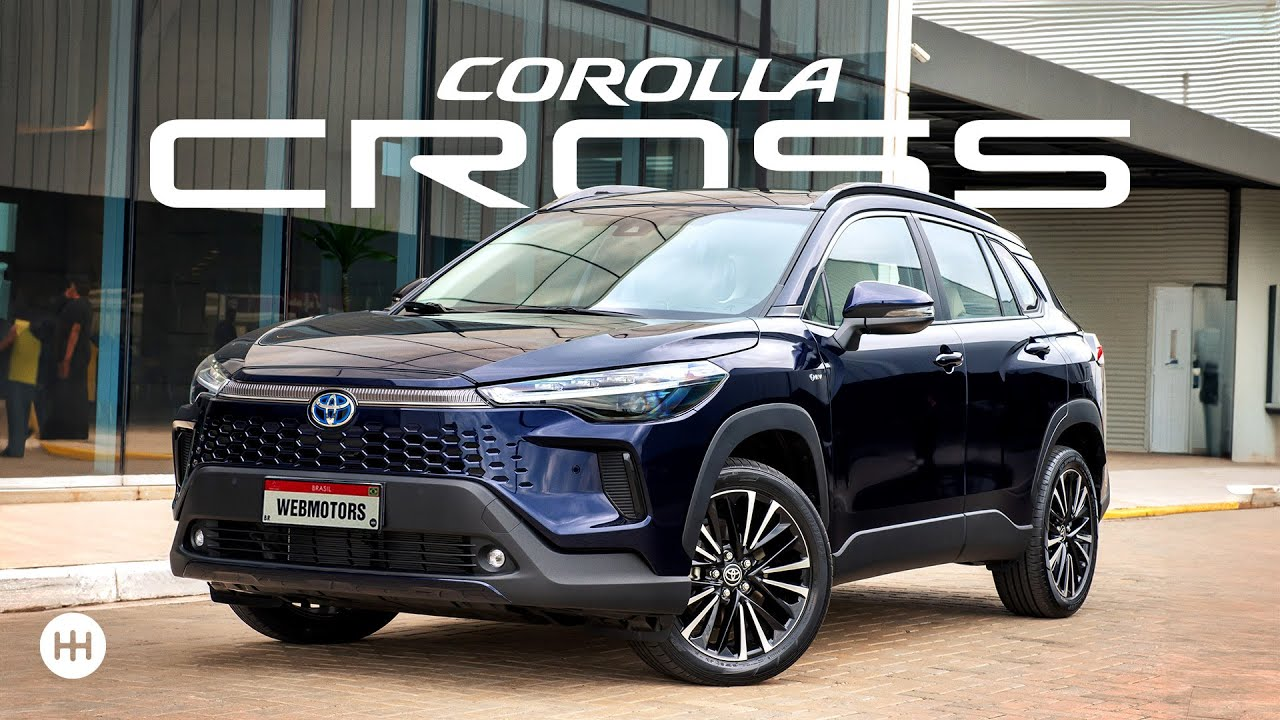


Toyota Prepares to Launch a Compact Hybrid Flex SUV in Brazil. The Model Promises Energy Efficiency, Cutting-Edge Technology, and Modern Design, Positioning Itself as a Strong Competitor in the Compact SUV Segment Currently Dominated by Models Such as Honda HR-V and Hyundai Creta.
The Brazilian automotive market is about to receive a significant new entry: Toyota is preparing to launch a compact hybrid flex SUV that promises to be a game-changer in the segment.
With local production and innovative technology, the model will arrive to compete with established rivals, betting on energy efficiency and sustainability as its main differentiators.
Local Production and Launch Expectations
According to industry information, the production of this new Toyota SUV is scheduled to begin in December 2024, at the Sorocaba factory in the interior of São Paulo.
-
OMODA & JAECOO grows in Europe in 2026 with an integrated strategy of sales, innovation, local production, and technological advancement in the United Kingdom, Italy, and Spain.

-
OMODA & JAECOO expands after-sales service in Brazil with competitive maintenance, a 7-year warranty, and high availability of parts for technological SUVs.

-
OMODA & JAECOO appoints Alessandra Souza as executive marketing director in Brazil and accelerates brand expansion with a focus on innovation, networking, and hybrid portfolio.

-
Jaecoo 7 with super hybrid SHS system exceeds 1,200 km of combined range with a 1.5 turbo engine, high-density battery, and intelligent energy management.

This industrial hub already houses the manufacturing of successful models from the brand, such as the Corolla Cross and the Yaris, and will be adapted to accommodate the new SUV production line.
With the nationalization of manufacturing, the expectation is that the model will reach the Brazilian market in the first quarter of 2025, consolidating Toyota’s investment in hybrid vehicles and reinforcing its presence in the compact SUV segment, one of the most competitive in the country.
Hybrid Flex Powertrain: Efficiency and Innovation
Toyota is expected to equip its new compact SUV with a hybrid flex powertrain, a technology that has been refined by the manufacturer and is already present in models like the Corolla Hybrid and the Corolla Cross Hybrid.
This configuration combines a 1.5-liter Atkinson cycle engine, designed to maximize combustion efficiency, with a electric motor, resulting in lower fuel consumption and reduced CO₂ emissions.
The hybrid flex system allows the use of ethanol or gasoline, expanding options for Brazilian consumers and making the vehicle an even more sustainable choice.
With an estimated combined power of 111 horsepower, this powertrain promises balanced performance, favoring efficient consumption without compromising drivability.
Modern Design and Competitive Dimensions
Although Toyota has not yet released official images of the new model, it is expected that the SUV will feature a modern and robust design, following the global visual identity of the brand.
The visual should include elements such as a striking front grille, LED headlights, and aerodynamic lines that reinforce the energy efficiency proposal.
The estimated dimensions of the compact SUV are as follows:
- Length: 4.31 meters
- Width: 1.77 meters
- Height: 1.61 meters
- Wheelbase: 2.62 meters
- Trunk: 471 liters
These dimensions strategically position it in the segment, offering comfortable interior space and a generous trunk to meet the daily needs of Brazilian consumers.
Cutting-Edge Technology and Safety in the Toyota Model
Toyota is known for equipping its models with innovative technologies, and the new compact SUV is expected to be no exception.
The vehicle is expected to feature a multimedia system compatible with Android Auto and Apple CarPlay, wireless charging for smartphones, and a digital instrument panel, providing a modern and connected driving experience.
In terms of safety, it is expected that the model will include Toyota Safety Sense, a suite of driver assistance features that includes:
- Autonomous emergency braking
- Lane departure warning
- Adaptive cruise control
- Blind spot monitoring
With these features, Toyota’s new compact SUV promises to raise safety standards within the segment.
Competition and Market Positioning
The compact SUV segment is one of the most competitive in Brazil, featuring heavyweight models such as Honda HR-V, Hyundai Creta, Volkswagen T-Cross, and Jeep Renegade.
To stand out, Toyota is betting on hybrid flex technology, a differentiator that few competitors offer in the country.
Additionally, local manufacturing is expected to enable more competitive pricing and a better fit to Brazilian consumer preferences.
With increasing environmental concerns and rising demands for more efficient vehicles, Toyota’s hybrid proposal could be a significant asset to attract customers seeking economy and sustainability.
Expectations and Market Impact with the Toyota Yaris
The arrival of this new compact hybrid flex SUV reinforces Toyota’s global strategy to expand the electrification of its vehicle lineup.
In Brazil, where the energy matrix favors the use of ethanol, the combination of hybrid powertrain and flex technology presents itself as a viable and efficient alternative to reduce emissions without compromising performance.
If the model maintains Toyota’s characteristic reliability and efficiency, there is a strong chance that it will become one of the most sought-after options in the segment.
With local production, hybrid flex technology, and a robust package of safety and connectivity, the new compact SUV from Toyota is set to become one of the major market bets in 2025.
We await the first official images and more details about versions and prices, but expectations are already high for this launch that could redefine the standards of the segment.









Está demorando demais para lançar!
O mercado não espera!
Que NÃO venha com o horrível: freio de mão no pé ou freio no pé que é o de mão ou ainda freio de mão com o pé…. sei lá freio de pickup F75, coisa “nova”.
Espero que melhorem aquela descarga horrível que mandaram para o Brasil.