





 Português
  Inglês
  Espanhol
  3 min de leitura
  0 comentários


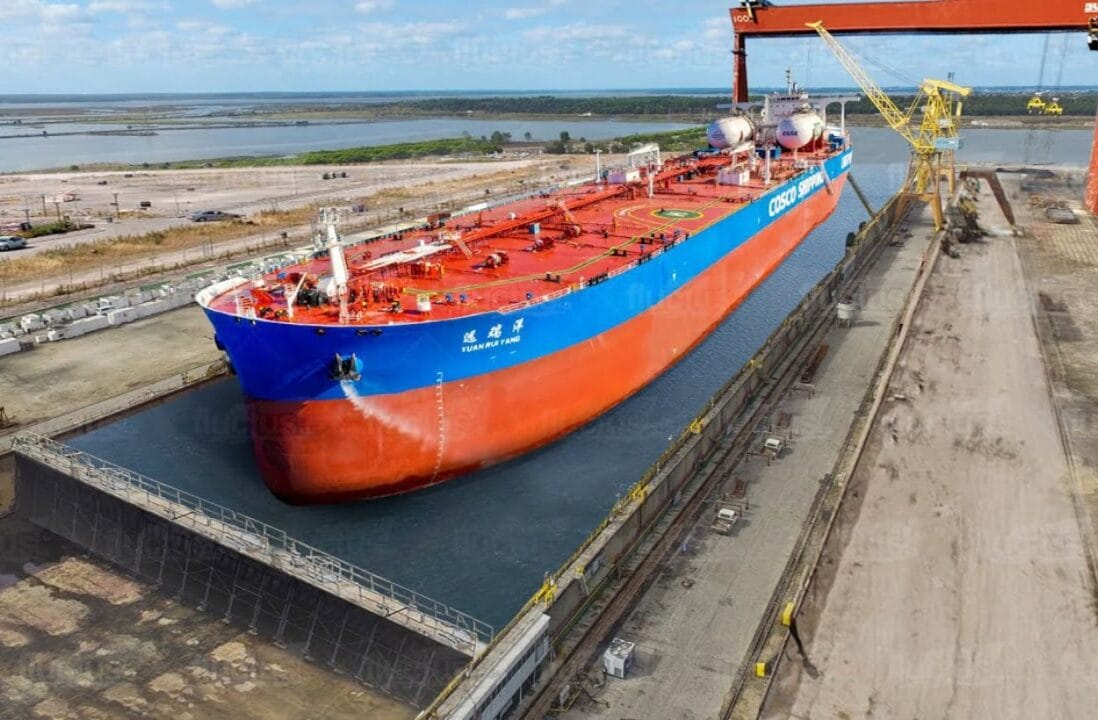
Exploring The Intricate Dry Docking Process Of Giant Ships, This Report Unveils The Operations In The Dry Docks, Where Monumental Vessels Are Kept And Repaired, Ensuring Their Safety And Efficiency In The Global Maritime Scenario.
Giant ships, from freighters to tankers and cruise ships, are colossal machines that require meticulous maintenance, especially for their submerged components. These sea giants are brought to dry docks, specially constructed areas to allow for complete maintenance of vessels. This process, essential for the integrity and operational efficiency of ships, takes place at shipyards equipped with dry docks, facilitating inspections and repairs.
Ships are complex structures, containing massive moving parts that need lubrication and constant care. These procedures extend to electronic systems and external parts, which are often damaged by corrosion and other wear-and-tear. Underwater maintenance, crucial for the longevity and efficiency of ships, is performed in dry docks – naval workshops where ships are inspected and repaired.
Why Do Giant And Small Ships Need To Go To Shipyards?


During dry docking, which should occur at least twice every five years, the ship is meticulously inspected. Divers and technicians assess the hull and components such as propellers and rudders, while techniques like hydro blasting remove algae, barnacles, and rust. The use of antifouling paints protects against corrosion and the growth of marine organisms, contributing to the preservation of the ship.
-
Historic bankruptcy of Centauro shocks the market, and the century-old company puts more than 500,000 products, machines, and complete infrastructure up for online auction.

-
New shoe factory in Ceará is expected to create 400 jobs and strengthen the local economy.
-
No one imagined it, but a mixture of sawdust with a mineral that fights fires surprises scientists with a result that changes the course of fire-resistant construction.

-
From empty land to a high-end house, wooden construction uses a lightweight system, metal structure for the foundation, ventilated ceramic cladding, and special windows to create an efficient and comfortable living space throughout the year.

Shipyards, besides building new vessels, play a vital role in the maintenance of giant ships, ensuring their maritime safety and operational efficiency. With technological advancements, high-pressure cleaning devices minimize the need for frequent dry dockings, allowing for minor maintenance at sea.
Dry Dock Maintenance
Dry dock maintenance is a significant investment for ship owners, reflecting the importance of keeping these gigantic structures not only operational but also safe for global navigation.
What was most surprising was the complexity and scale of the operations necessary to maintain these marine colossi. Docking giant ships is not just about pulling them out of the water; it is a meticulous process involving detailed inspections, specialized repairs, and the application of advanced technologies to preserve the structural integrity of the vessels. The capability of shipyards to accommodate these giants and the technology employed to protect the hulls of ships against marine organisms and corrosion are remarkable aspects that highlight the critical importance of naval maintenance.
Hydro Blasting Technique In Shipyards

Not to mention the hydro blasting technique, which uses high-pressure water jets to clean the ship’s hull, is impressive for its effectiveness in removing fouling without damaging the structure. The idea that something as simple as water can be turned into such a powerful tool for naval maintenance is remarkable.
Another fascinating point is the use of antifouling paints on the hulls of ships, which not only serve to protect the vessel against harmful organisms but also play a vital role in preserving the marine environment. These paints contain compounds that prevent the growth of marine life on the hull, reducing drag and improving fuel efficiency, revealing an intelligent combination of engineering and environmental concern.
Finally, the strategy of minimizing frequent dry dockings through high-pressure cleaning devices, such as magnetic robots controlled by divers, highlights the continuous innovation in the sector. This not only reduces operational costs for ship owners but also lessens the environmental impact, demonstrating a significant effort towards more sustainable maritime operations. These nuances in the dry docking process of giant ships reveal a world of sophisticated and environmentally conscious maritime engineering that supports global trade and the shipping industry.










Seja o primeiro a reagir!