





 English
  Francês
  Alemão
  Italiano
  Japonês
  Norueguês
  Portuguese
  Spanish
 6 min of reading
  0 comments


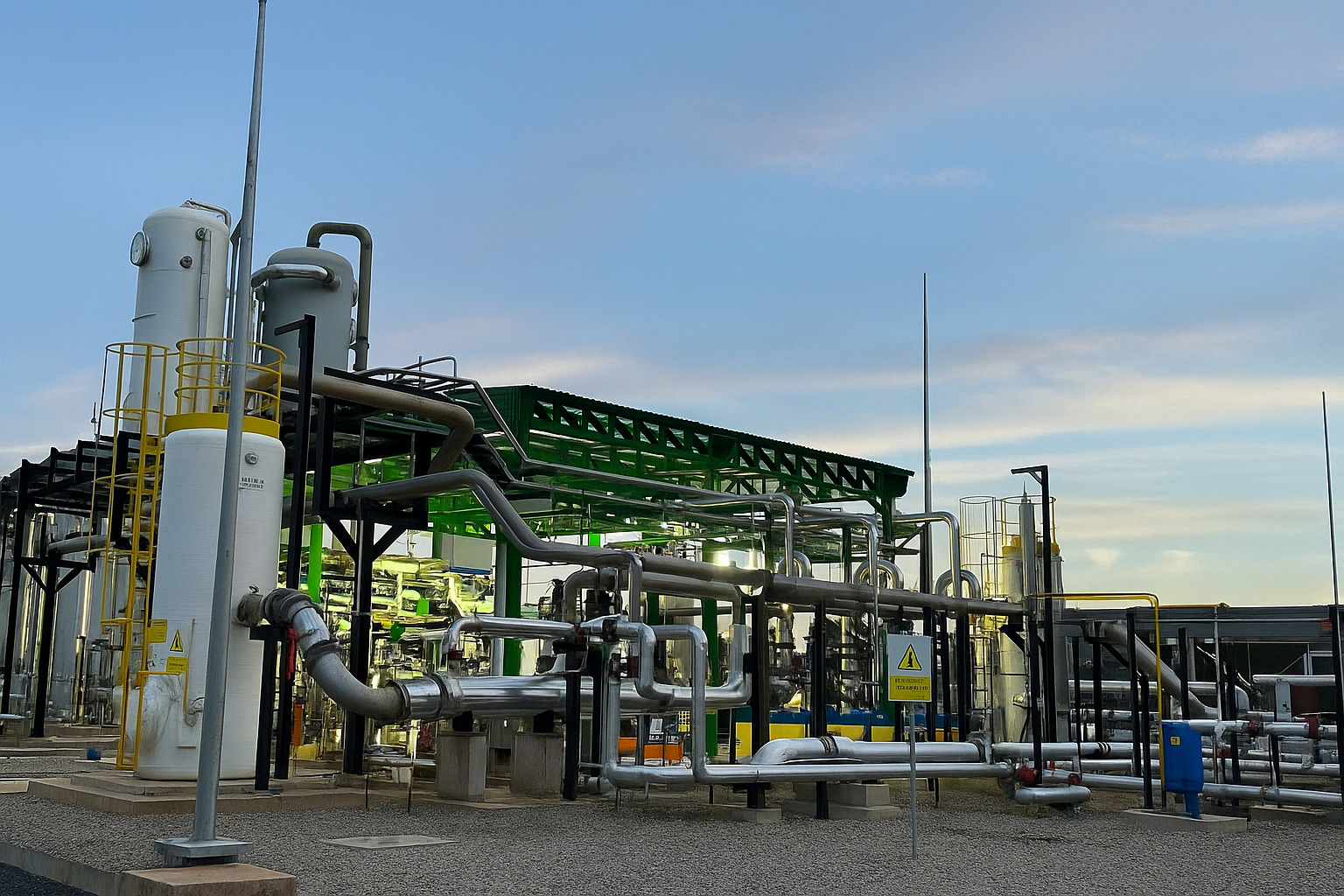
Tramontina Adopts Biogas at Factories in Rio Grande do Sul and Reinforces Its Sustainability Strategy with Significant Reduction in Carbon Emissions.
The search for sustainable alternatives in the Brazilian energy matrix is growing continuously and consistently. In this context, the news that Tramontina adopts biogas in two industrial units in Rio Grande do Sul represents not only a technological advance but also a symbolic milestone for the national industry.
Thus, more than just a simple strategic decision, the change symbolizes the transition to a low-carbon economy and connects the industrial tradition of Rio Grande do Sul with the demands of the future.
Historically, the Brazilian industry has maintained a strong connection with fossil fuels. Since the 1980s, natural gas has established itself as a cleaner alternative compared to coal and fuel oil.
-
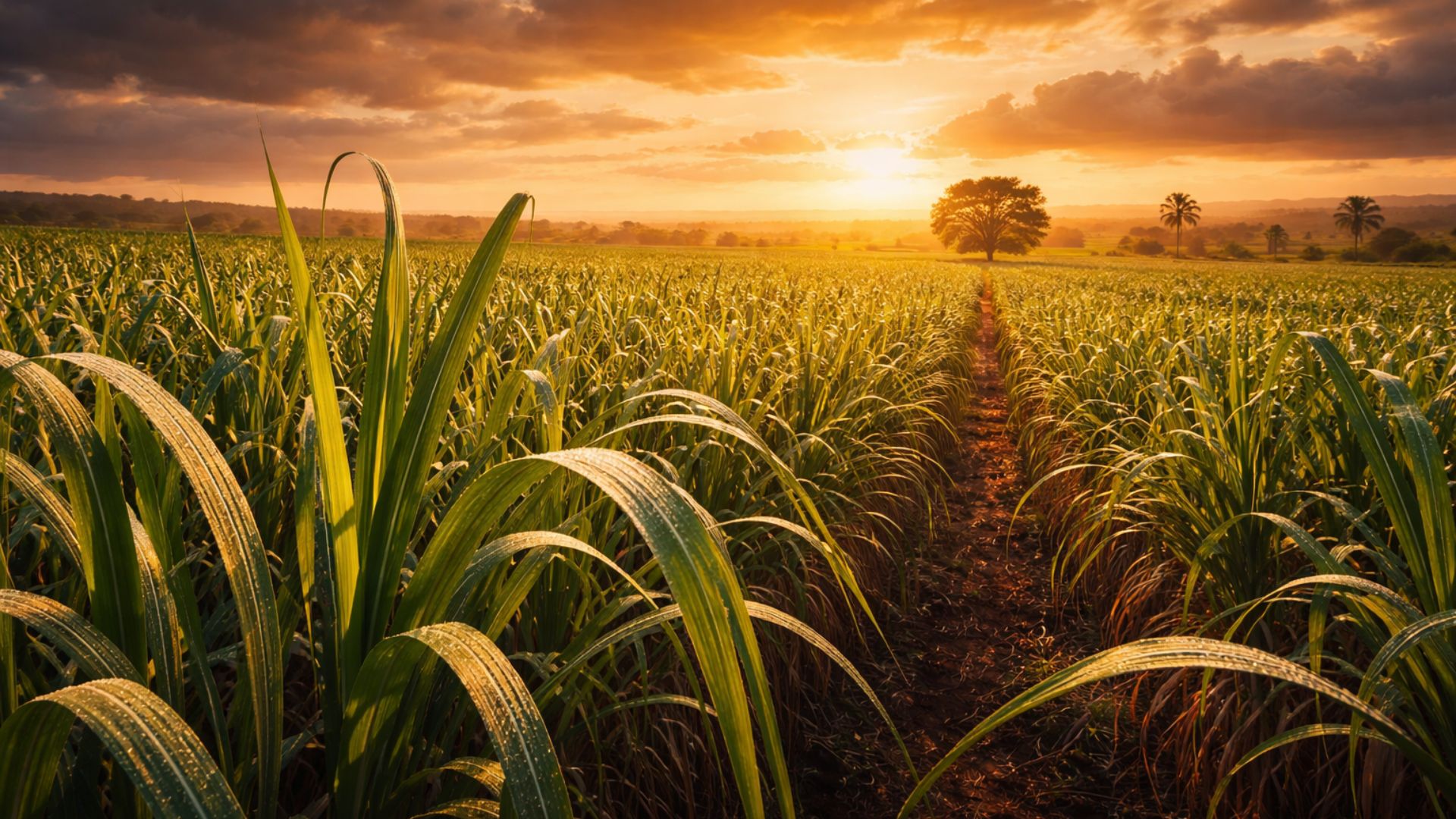
The Economist states that Brazil has a “secret weapon” against expensive oil and highlights how the country can reduce economic impacts even in international scenarios of high volatility.
-
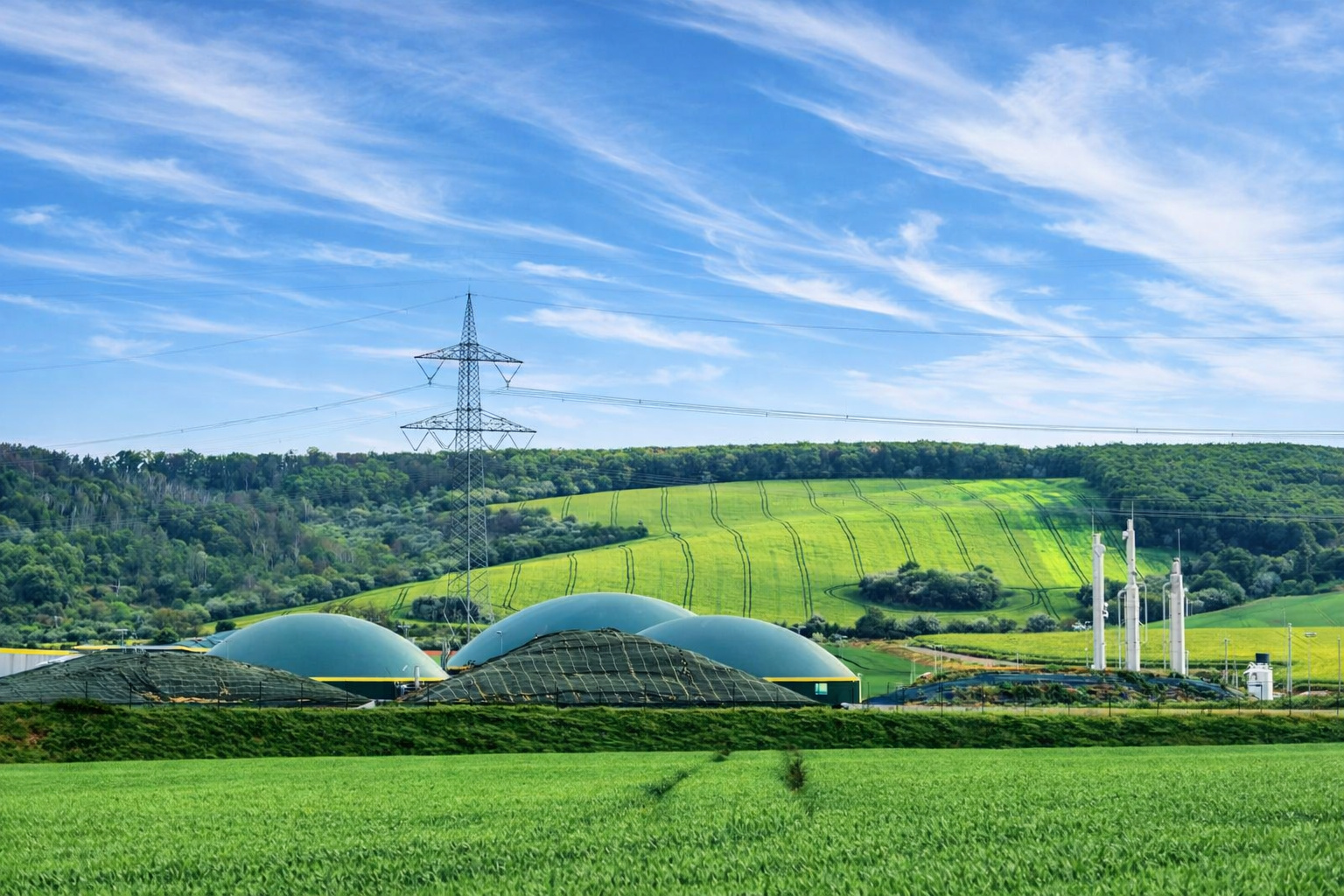
Brazil accelerates decarbonization in the South: International forum in Foz do Iguaçu gathers leaders to discuss the advancement of biomethane in the energy matrix and the potential of “caipira pre-salt.”
-
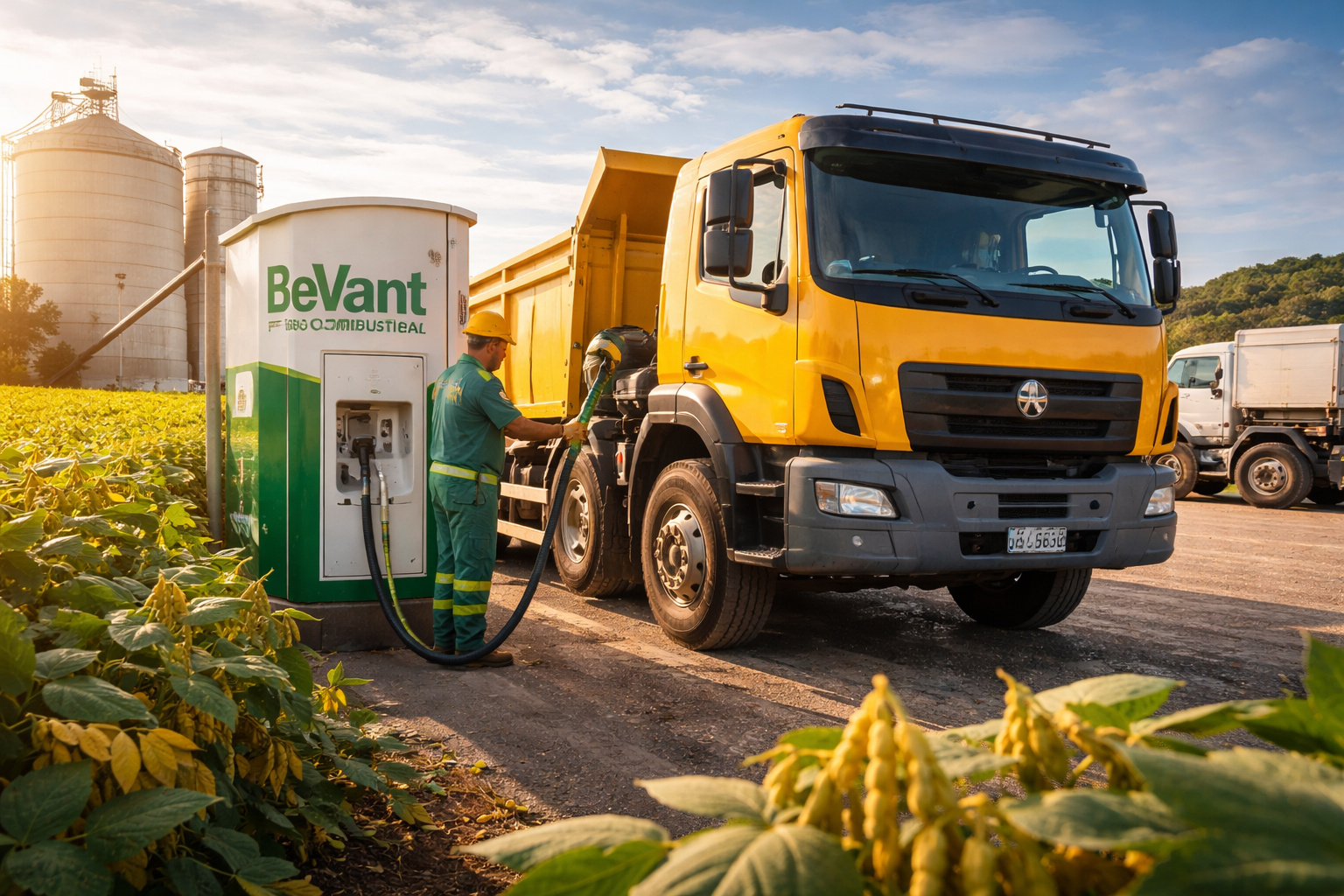
As diesel prices soar due to conflicts in the Middle East, a Brazilian city decides to test a little-known biofuel that promises to completely replace fossil fuel without adaptation and could change the future of energy in the country.
-
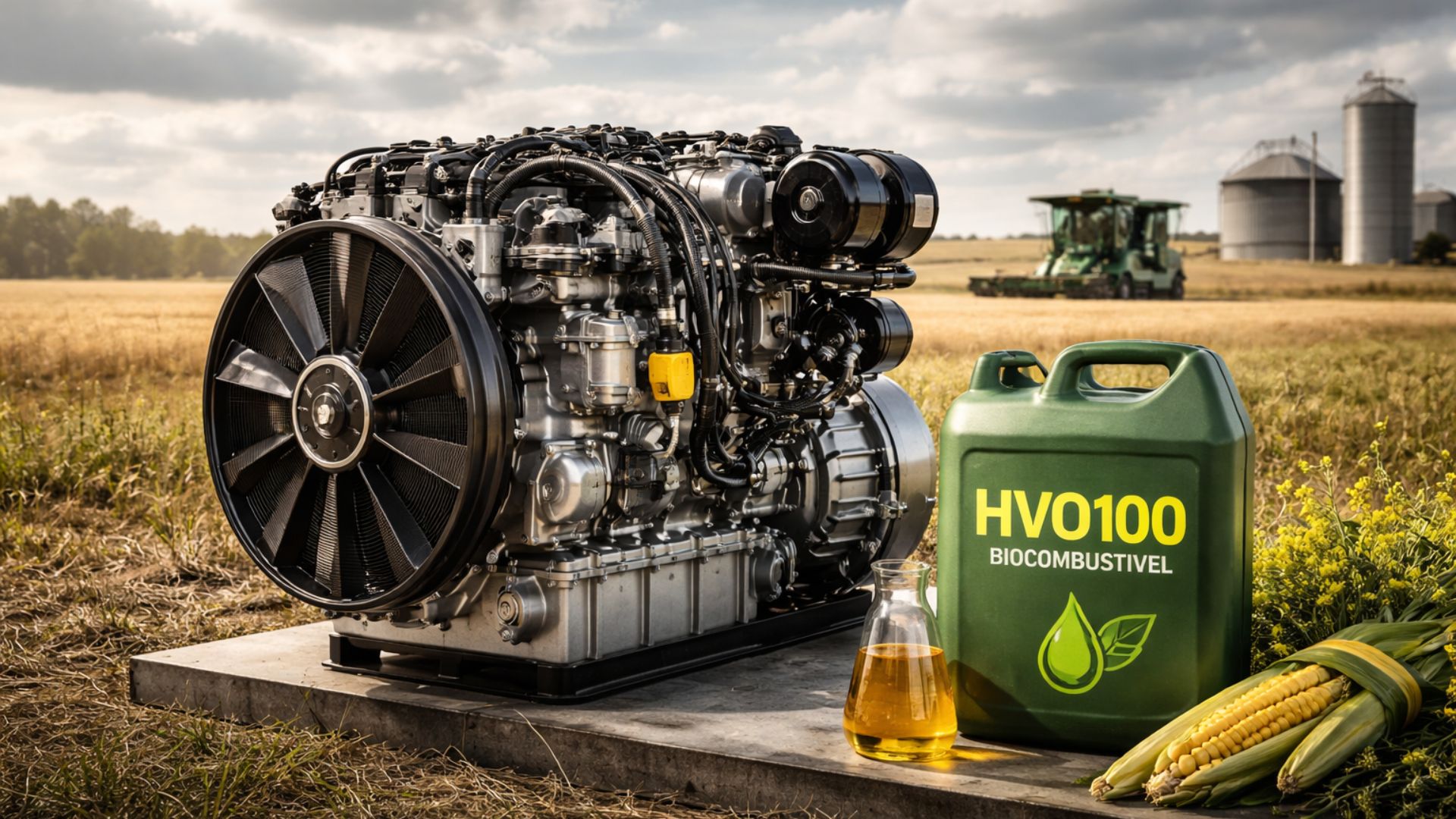
Innovation with biofuel engines transforms agribusiness by replacing diesel without the need for major adaptations, ensuring energy efficiency and helping to reduce dependence on oil.
However, even with these advantages, natural gas remains a non-renewable source responsible for emissions of greenhouse gases. For this reason, alternatives like biogas are gaining more ground in the debate about the future of energy.
Biogas is generated from the decomposition of organic waste, such as food scraps, urban waste, and agricultural residues. Furthermore, it has chemical properties similar to those of natural gas, enabling its use in various industrial applications.
However, the significant difference lies in the environmental impact. According to estimates from Tramontina itself, the substitution reduces approximately 310 tons of carbon per month, which proves the power of this choice and reinforces the urgency of its adoption.
Sustainability as a Competitive Criterion
The company’s energy substitution movement occurs precisely in a scenario where sustainability has ceased to be mere rhetoric and started to represent a real competitive criterion.
Today, consumers value products made with environmental responsibility, while investors carefully assess corporate practices related to decarbonization. Thus, when Tramontina adopts biogas, it not only reduces its carbon footprint but also strengthens its position in the international market.
In this process, Ultragaz acts as a supplier and strategic partner. It has structured an off-grid model, meaning outside traditional gas pipeline networks, transporting using trucks powered by biogas.
This logistics guarantees autonomy and reinforces the circularity of the solution. With an installed capacity of 66,000 cubic meters of gas per day, Ultragaz plays a central role in the energy transition of industries.
Additionally, the step taken by the company from Rio Grande do Sul holds symbolic value for the state of Rio Grande do Sul, historically marked by base industries, metallurgy, and agribusiness.
In this sense, by adopting renewable fuel, Tramontina paves the way for other local industries to evaluate its viability and strengthen a more sustainable productive ecosystem.
Environmental Impact and Circular Economy
The positive environmental impact of biogas warrants special attention. Research shows that one thousand cubic meters of natural gas release an average of 2.1 tons of carbon dioxide equivalent.
In contrast, biogas, when considered in a complete cycle, generates no net emissions. This occurs because the carbon released during its combustion was already circulating in the atmosphere before being captured by organic waste.
Therefore, biogas integrates into the natural carbon cycle without adding new layers of pollutants.
In addition to the environmental aspect, the project directly connects with the circular economy. This happens because using urban and agricultural waste for energy production creates a more efficient chain, where what was previously discarded starts to generate economic value.
Thus, the initiative strengthens local communities, reduces pressure on landfills, and opens new opportunities for the rural sector.
The countryside, seen for decades merely as a producer of food and raw materials, now assumes a strategic role in the generation of clean energy.
Brazil already has relevant experience in using renewable sources in its energy matrix. Since the 1970s, with Proálcool, the country has invested in biomass alternatives to reduce dependence on fossil fuels.
In this process, ethanol has consolidated as a global example of renewable fuel on a large scale. Consequently, the introduction of biogas into the industry reinforces Brazil’s prominence in sustainable solutions.
Therefore, biogas engages with different sectors simultaneously. While serving the industry, it benefits agribusiness by providing a destination for waste and assists municipalities in reducing waste volumes in landfills.
This convergence demonstrates that renewable energy is not limited to an environmental solution but also acts as a social and economic engine.
Sustainability Policies and the International Market
Another relevant point is the convergence between technological innovation and corporate sustainability policies. Tramontina has defined guidelines that include emissions reduction, conscious use of resources, and promotion of the circular economy.
Thus, by implementing an energy transition project, the company proves that it is not just rhetoric but concrete strategies that ensure business continuity.
This stance directly aligns with the new global logic, where resilient companies combine economic efficiency with socio-environmental responsibility.
In the international scenario, this decision becomes even more relevant. Several countries are applying increasingly strict restrictions on carbon emissions from imported products.
The European Union is advancing with carbon border adjustment mechanisms, which means that Brazilian industries that do not adapt risk losing competitiveness.
Therefore, Tramontina anticipates this movement and strengthens its position in light of possible regulatory changes.
Moreover, this decision inspires other companies. Pioneering brands in new technologies often open doors for competitors and partners.
Thus, by showing that it is feasible to adopt biogas without compromising efficiency and competitiveness, Tramontina sends a clear signal to the market: the energy transition is already possible in Brazil.
This positioning strengthens its corporate image and encourages suppliers and customers to follow the same direction.
Future Perspectives for Biogas in Brazil
In the medium to long term, experts project accelerated growth of biogas in the country. This is because Brazil has an extraordinary potential to become one of the largest producers worldwide, considering the huge amount of available organic waste.
In this scenario, the agroindustry generates significant volumes of waste that can be transformed into energy. Thus, initiatives like Tramontina’s not only meet their own demands but also mature a chain capable of transforming the country into a global reference in renewable energy.
This potential gains even more strength in light of the international scenario of seeking energy autonomy. Many countries that import gas and oil face geopolitical uncertainties that impact prices and supply.
Therefore, by expanding biogas production chains, Brazil can guarantee internal energy security and even export technology and solutions.
This strategy strengthens its image as a leader in sustainability and broadens its presence in international climate and energy negotiations.
In summary, when Tramontina adopts biogas, it assumes a stance of environmental responsibility that resonates with society, consumers, and the planet.
This choice, though localized in two units in Rio Grande do Sul, carries a much greater symbolic impact. After all, it represents a new chapter for the Brazilian industry, which is beginning to move away from dependence on fossil fuels and is projected towards a more sustainable and competitive model.
Therefore, the energy transition consolidates itself as one of the greatest challenges of the 21st century.
Companies that understand this urgency and transform rhetoric into practice will occupy a prominent position in building a clean, resilient, and inclusive future.
Thus, Tramontina’s initiative goes far beyond a simple fuel substitution, as it integrates a historical narrative in which industry, innovation, and sustainability walk together to ensure prosperity in harmony with the environment.







Seja o primeiro a reagir!