





 English
  Francês
  Alemão
  Italiano
  Japonês
  Norueguês
  Portuguese
  Spanish
  6 min of reading
  0 comments


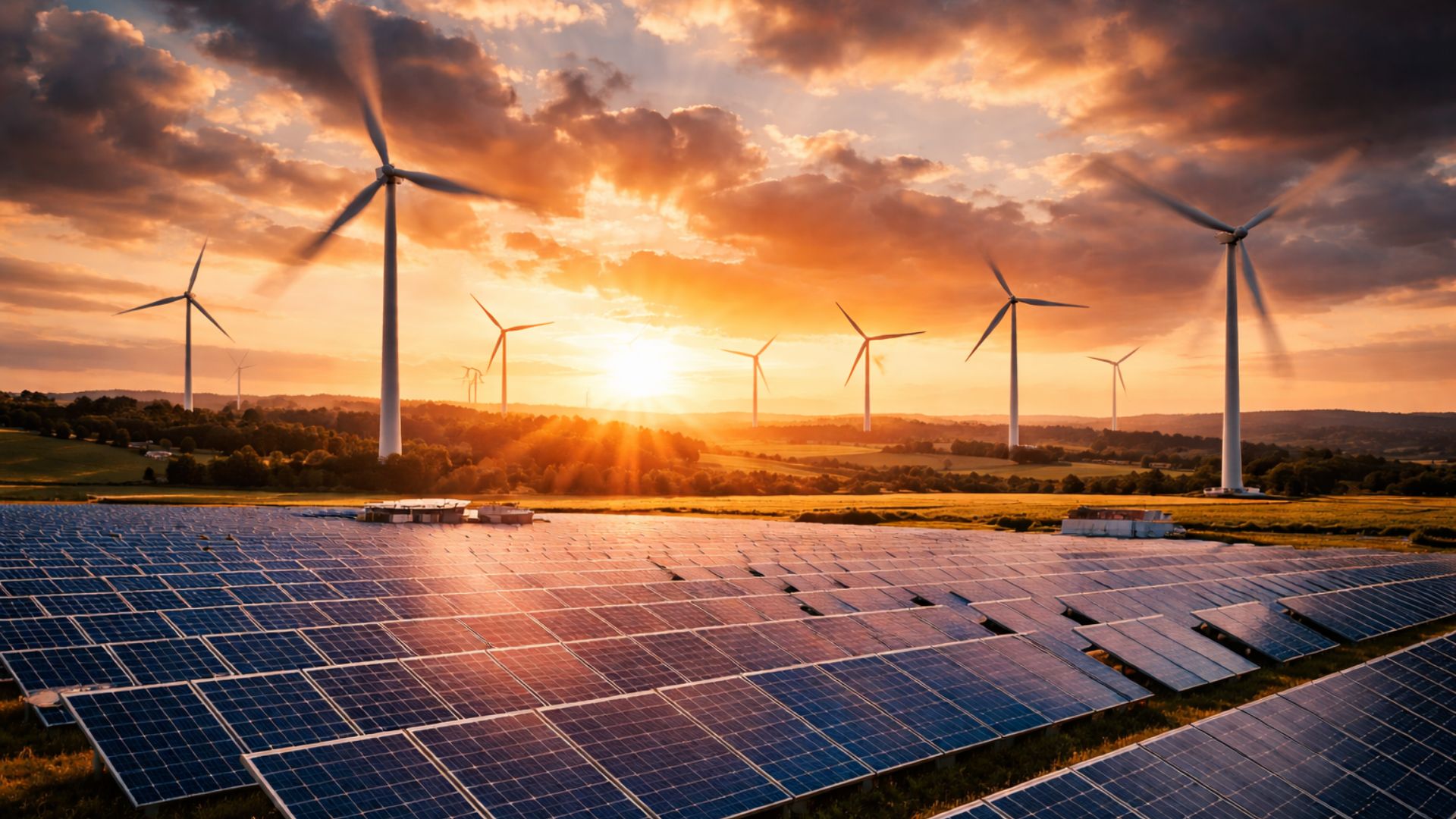
The Energy Transition Advances Globally with Strong Investment Increases, but Experts Warn of a Growing Bottleneck in Energy Infrastructure That Could Limit the Expansion of Electric Grids and Challenge the Electrification of the Global Economy.
The global energy transition has entered a decisive phase. By 2025, capital flow directed toward decarbonization reached approximately US$ 2.3 trillion, according to the Energy Transition Investment Trends 2026 report prepared by BloombergNEF (BNEF). According to a publication from Cenário Energia on March 12, this volume represents a growth of 8% compared to the previous year, confirming that the change in the global energy system continues to advance even amid geopolitical tensions and public policy revisions.
This progress reinforces the role of the energy transition as one of the main drivers of the global green economy. The increase in investments indicates that governments, companies, and investors are accelerating strategies to reduce carbon emissions, expand the use of clean energy, and modernize energy systems.
However, the success of this movement has also revealed an important structural challenge. The rapid growth of electrification and renewable generation is exposing a significant bottleneck in energy infrastructure, especially in transmission and distribution networks.
-
A study reveals the expansion of renewable energy procurement in Brazil and shows how companies are taking advantage of opportunities to reduce expenses, ensure energy efficiency, and strengthen strategic environmental commitments.

-
Mato Grosso do Sul excels in the sugar-energy sector: the state reaches a milestone of 22 operating mills and accelerates the production of clean energy in MS with a focus on sustainability.

-
National energy dilemma: Brazilians support clean energy but reject increases in tariff costs to finance the sustainable transition.
-
Research indicates that Brazilians support clean energy and wish to advance in the energy transition, but reject paying more on their electricity bill, showing a direct conflict between cost and sustainability.


The report highlights that as the energy transition progresses, the priority of investments begins to shift. Whereas the focus was previously on expanding renewable generation, there is now a growing need to strengthen the foundation that supports the entire electric system: the energy networks.
Without an energy infrastructure capable of keeping pace with this transformation, experts warn that the expansion of clean sources and electrification could face technical and operational limits.
Electric Grids Gain Prominence in Light of the Bottleneck in Energy Infrastructure
The BloombergNEF report points out that one of the biggest challenges currently facing the energy transition is the strengthening of electric grids. The advancement of renewable energies, combined with the increasing demand for electricity, is putting pressure on systems that are often designed for a completely different energy reality.
By 2025, investments in electric grids reached US$ 483 billion, marking a growth of 17%. This increase reflects the urgent need to modernize energy infrastructure to support new loads and integrate different generation sources.
This movement is occurring because the global energy model is becoming increasingly electrified. Sectors that previously depended on fossil fuels are rapidly transitioning to electricity-based solutions.
Among the main factors driving this demand are:
- Expansion of electric vehicles
- Growth of the charging infrastructure
- Digitalization of the economy
- Increase in data centers linked to artificial intelligence
- Greater participation of renewable energy in the energy matrix
Without the adequate expansion of energy infrastructure, the risk of a bottleneck becomes increasingly evident. The connection of new renewable generation projects could be delayed, and the stability of electric grids could be compromised.
In this context, the energy transition depends not only on clean energy production but also on the ability to transport that electricity safely and efficiently.
Electrification of Transport Drives New Investments in the Energy Transition
Another sector that has been strongly driving the energy transition is transport. The electrification of mobility has attracted increasing volumes of investments and has solidified itself as one of the pillars of global energy transformation.
According to the BloombergNEF report, electrified transport received about US$ 893 billion in investments in 2025, marking a growth of 21% compared to the previous year.
This advancement was primarily driven by factors such as:
- Growth in the production of electric vehicles
- Reduction in battery costs
- Public policies promoting clean mobility
- Expansion of charging infrastructure
However, the electrification of mobility also increases pressure on energy infrastructure. The demand for electricity is growing rapidly, requiring more robust and intelligent networks.
In this scenario, the bottleneck in energy infrastructure becomes one of the main challenges to maintain the pace of the energy transition. Without adequate planning and expansion of the grids, the growth of electric mobility could create imbalances in the electric system.
Investments in transmission, distribution, and energy storage thus play a strategic role in sustaining the new electric economy.


Renewables Remain Essential but Depend on Robust Energy Infrastructure
Renewable energy continues to be the foundation of the energy transition, but the report shows that its expansion also directly depends on the capacity of energy infrastructure.
By 2025, global investments in solar and wind energy reached approximately US$ 690 billion. Despite representing a significant portion of climate financing, this amount recorded a decline of 9.5% compared to the previous year.
This reduction was primarily attributed to regulatory adjustments in the Chinese market, which exerts strong influence on global capital flows in the energy sector.
Even with this fluctuation, solar and wind remain central pillars of the energy transition. However, their expansion requires increasingly sophisticated electric systems.
These sources have specific characteristics that increase the complexity of grid management:
- Variable generation
- Dependence on weather conditions
- Need for storage systems
- Demand for more flexible grids
When the energy infrastructure does not keep pace with the growth of renewables, new operational bottlenecks emerge. In some markets, clean energy projects are already facing delays in connecting to the electric grids.
Therefore, experts point out that investments in grids, storage, and digitalization of electrical infrastructure must grow significantly over the next decade.
Nuclear Energy Returns to the Debate on the Security of the Energy Transition
With the increase in global electrification and the expansion of renewable sources, concerns about the stability of the electric system are also rising. In this scenario, some technologies have regained prominence in discussions about the energy transition.
Nuclear energy is one of those alternatives. In 2025, global investments in this source totaled approximately US$ 36 billion, an amount lower than that applied to other technologies but considered strategic for ensuring energy security.
According to experts, nuclear energy exhibits characteristics that can complement renewable sources within the energy transition:
- Continuous generation
- Low carbon emissions
- Ability to provide base load energy
According to Celso Cunha, president of the Brazilian Association for the Development of Nuclear Activities (ABDAN), the advancement of electrification requires more robust and reliable systems.
He emphasizes that the world is increasing investments in electrification and electrical infrastructure, and sources capable of ensuring stability will be essential to support this process.
In this context, reducing the bottleneck of energy infrastructure becomes a strategic priority to ensure security in energy supply.
Brazil Ranks Among the Largest Global Markets for Clean Energy Investments
The report also shows that Brazil is consolidating its position in the global energy transition landscape. In 2025, the country ranked 9th among the largest clean energy investment markets, with about US$ 38 billion invested in the sector.
This position is favored by structural characteristics of the Brazilian energy matrix. The country has one of the cleanest electrical matrices in the world, with a strong participation of renewable sources.
Among the main factors that favor Brazil in this scenario are:
- Great solar potential
- Expansion of wind energy
- Consolidated biofuel production
- Hydropower generation capacity
Despite these advantages, experts point out that the country also needs to increase investments in transmission and modernization of energy infrastructure.
Renewable projects in regions with high generation potential, such as the Northeast, rely on the expansion of transmission grids to channel energy to consumer centers.
Without this advancement, the bottleneck in energy infrastructure could limit the growth of the energy transition in the country.
The Next Stage of the Electric Economy Requires Modern Energy Infrastructure
The BloombergNEF report concludes that the global energy transition is still far from achieving the level of investments needed to meet international climate goals.
According to the study, the world will need to raise average annual contributions to around US$ 2.9 trillion between 2026 and 2030 to maintain the necessary pace of decarbonization.
This means that the growth of investments will not depend solely on the expansion of renewable energy but also on the capacity to modernize energy infrastructure.
Without addressing the bottleneck in electric grids, the progress of the energy transition may face technical obstacles that limit the integration of new energy sources and the electrification of various sectors of the economy.
The next stage of the global energy transformation requires strategic planning, coordination between governments and the private sector, and regulatory frameworks capable of providing security to investors.
The capital needed to accelerate the energy transition exists. The challenge now is to ensure that energy infrastructure evolves quickly enough to support the new electric economy emerging worldwide.








Seja o primeiro a reagir!