





 Português
  Inglês
  Espanhol
  3 min de leitura
  17 comentários


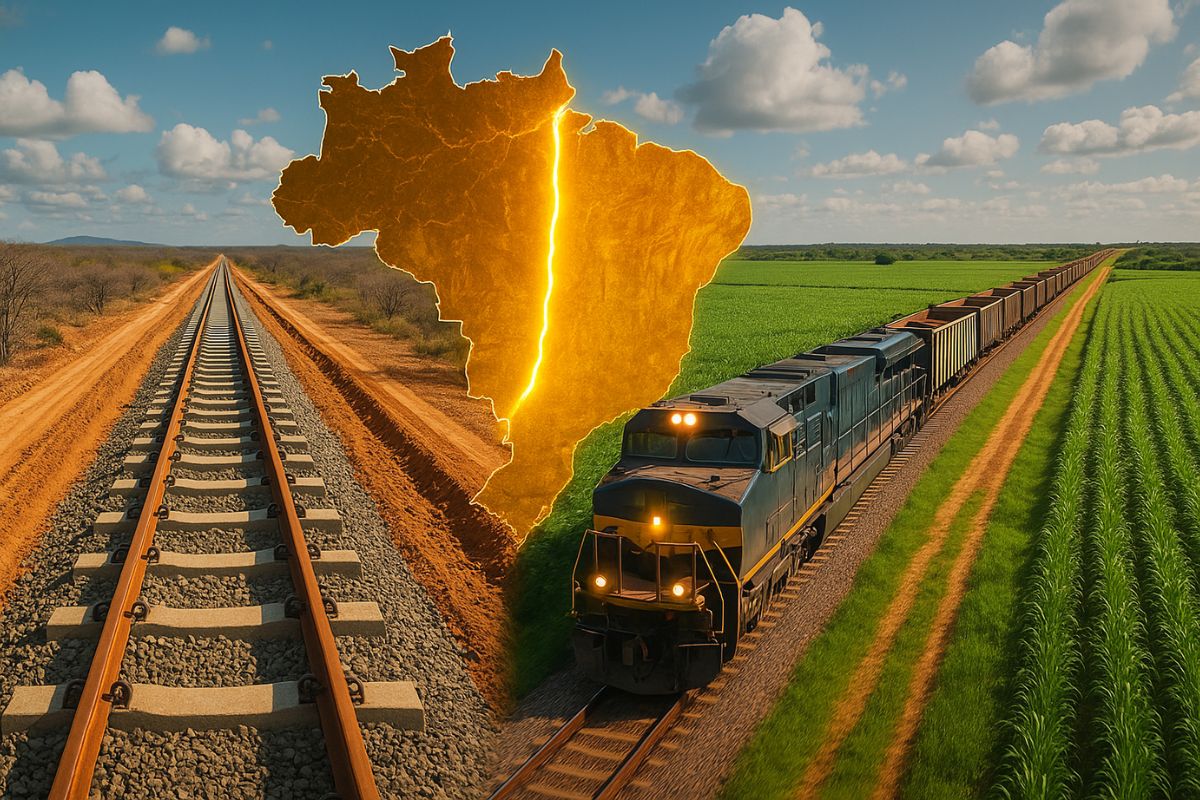


Transnordestina or North-South: Find Out Which Railway Is More Strategic for Brazil. While Transnordestina Promises to Transform the Northeast, North-South Is Already Solidifying as a National Integration Axis. Understand the Impacts and Differences Between the Two.
Railways have returned to the center of the debate on infrastructure and logistics in Brazil. Projects like the Transnordestina Railway and the North-South Railway are considered crucial to reducing transportation costs, increasing the competitiveness of agribusiness, and strengthening regional integration. But after all, which one is more strategic for the country?
The Importance of the Transnordestina Railway
With 1,753 km planned, Transnordestina will connect Eliseu Martins (PI) to the ports of Suape (PE) and Pecém (CE). The goal is clear: boost the flow of grains, cotton, and minerals from the northeastern hinterland.
In addition to the economic impact, the project is seen as a driver of regional development. Rail transportation can reduce logistics costs, attract investments, and create space for new production chains, such as the Araripe gypsum hub.
-
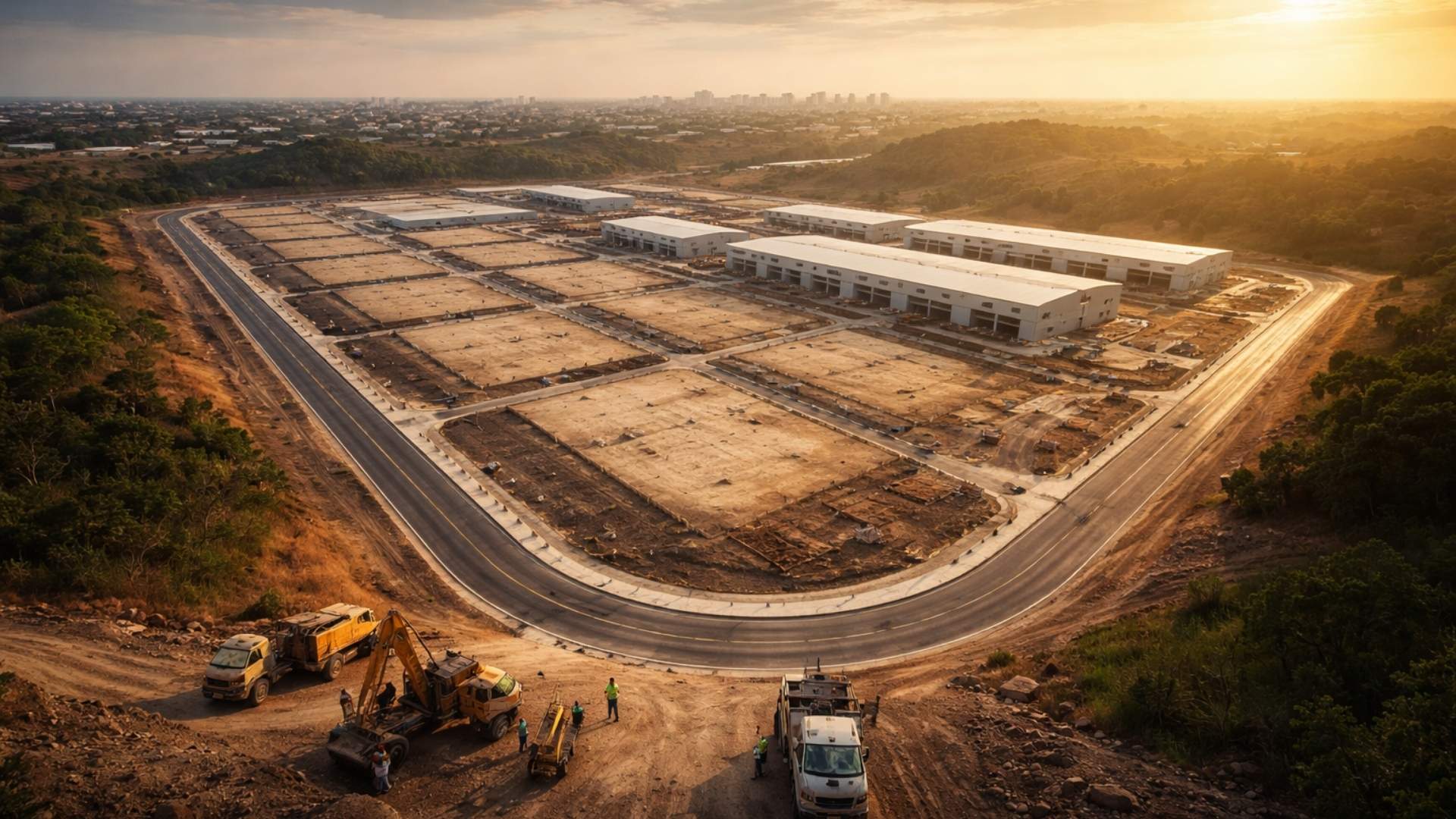
Brazilian city gains industrial hub for 85 companies that is equivalent to 55 football fields.

-
Peugeot and Citroën factory in Argentina cuts production by half and opens a layoff program for more than 2,000 employees after Brazil drastically reduced purchases of Argentine vehicles.

-
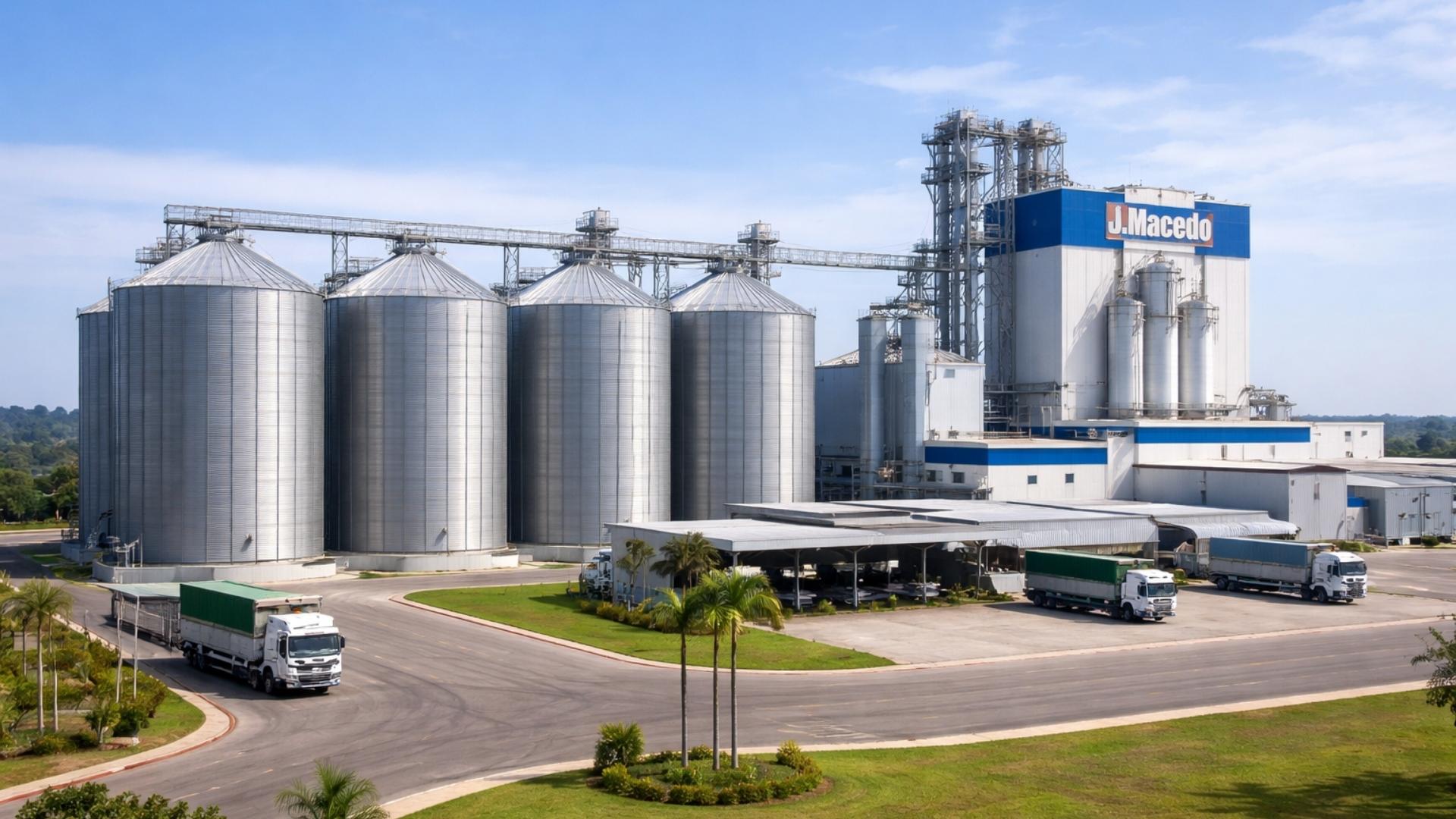
A Brazilian city gains a factory worth R$ 300 million with the capacity to process 200 thousand tons of wheat per year, a mill of 660 tons/day, silos for 42 thousand tons, and an industrial area of 276 thousand m².
-
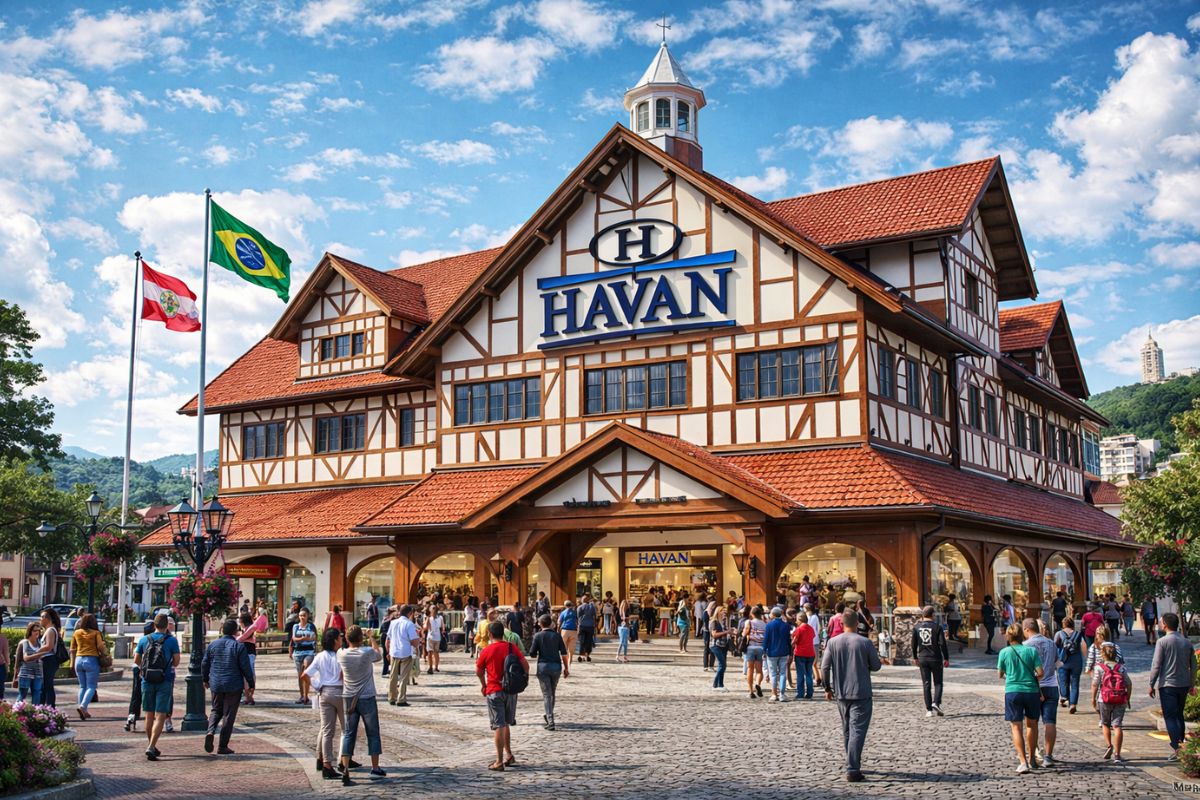
Havan will leave the shopping mall in Blumenau to inaugurate something that the chain has never done before: a megastore in half-timbered style in the Historic Center of the city, which is expected to be completed in May and change the landscape of local retail.

However, the project faces hurdles: delays in execution, land disputes, and criticism from affected communities. Nevertheless, experts argue that the railway can internalize development and break the Northeast’s historical dependence on coastal capitals.
The Role of the North-South Railway
Known as the “backbone” of the Brazilian railway system, the North-South has more than 4,000 km of planned extension, connecting the Port of Itaqui (MA) to Estrela d’Oeste (SP).
Its greatest differential is its integrative nature: the railway connects grain-producing regions, such as Matopiba (Maranhão, Tocantins, Piauí, and Bahia), to the Midwest and strategic ports. This provides an efficient alternative to road transport, reducing freight costs and strengthening the competitiveness of exports.
Another highlight is its positive environmental impact, as rail transport emits fewer pollutants and increases safety in transporting large volumes.
Strategic Comparison Between the Two Railways
- North-South: has national reach, functioning as an integrative axis of the railway network and facilitating large-scale flow for export.
- Transnordestina: is more localized but essential to unlock the development of the Northeast, strengthening previously isolated regional economies.
In practice, both do not compete — they complement each other. The North-South reinforces Brazil’s position as an agro-exporting power, while Transnordestina plays the role of promoting regional balance and development in the semi-arid.
The dispute over which railway is more strategic depends on the perspective: nationally, North-South is central; regionally, Transnordestina is vital. Together, they can transform Brazilian logistics and reduce the historical dependence on the road modal.
And you, what do you think about this? Should the priority be to complete Transnordestina to boost the Northeast or to consolidate North-South as the country’s axis? Leave your opinion in the comments.









As duas são prioritárias formariam uma dupla maravilhosa para o desenvolvimento, do Pais.
Se o Brasil tivesse mais ferrovias, não estaria tão atrasado com relação a outros países. Teve um presidente **** que desativou várias ferrovias entre a década de 70 e 80. Tão maravilhoso são as ferrovias, trás tanto desenvolvimento sócio econômico.
Depois de 25 anos de PT no poder ainda tem desigualdade????