





 Portuguese
  English
  Spanish
  5 min of reading
  0 comments


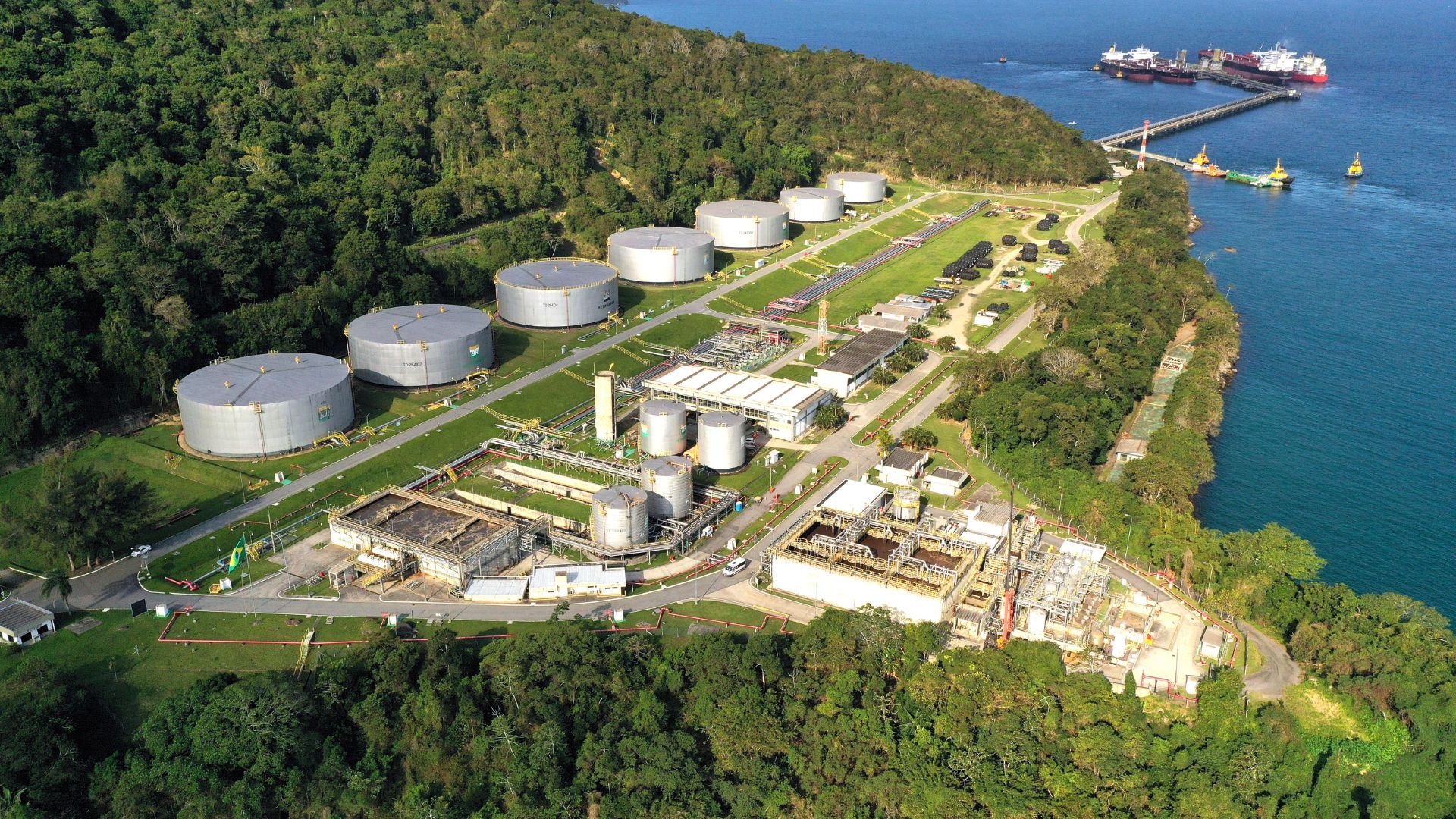
Transpetro Reaches New Logistical Milestone by Expanding Oil and Derivatives Transport in Brazil, Strengthening Strategic Terminals and Expanding Ship-to-Ship Operations in 2025
Transpetro recorded, in 2025, the fourth consecutive growth in the movement of oil and derivatives, reaching a record volume of 658 million cubic meters transported throughout the year. According to a statement from the company on its website this Friday (30). The result represents a 1.1% advance compared to 2024 and consolidates the company as one of the main logistical axes of the energy chain in Brazil, with a decisive role in strategic terminals and ship-to-ship operations.
Transpetro Registers New Record in Oil and Derivatives Movement
The performance was mainly driven by the increase in the transport of derivatives, particularly Liquefied Petroleum Gas (LPG) and diesel, in addition to the higher demand for maritime transshipment associated with offshore production. The numbers reinforce Transpetro’s operational capacity and the importance of its infrastructure for national supply.
In 2025, Transpetro operated a logistical network consisting of 46 strategic terminals and approximately 8,500 kilometers of pipelines, responsible for connecting refineries, production hubs, ports, and consumption centers in different regions of the country. In this context, the total volume of oil and derivatives moved reached 658 million m³, the highest ever recorded by the company.
-
Brazilian giant expands borders in the Southeast: Petrobras confirms new oil discovery in ultra-deep waters in the pre-salt of the Campos Basin.

-
Alert in the global energy market: Severe tropical cyclone hits the coast and disrupts gas production at major plants in Australia, threatening global supply.

-
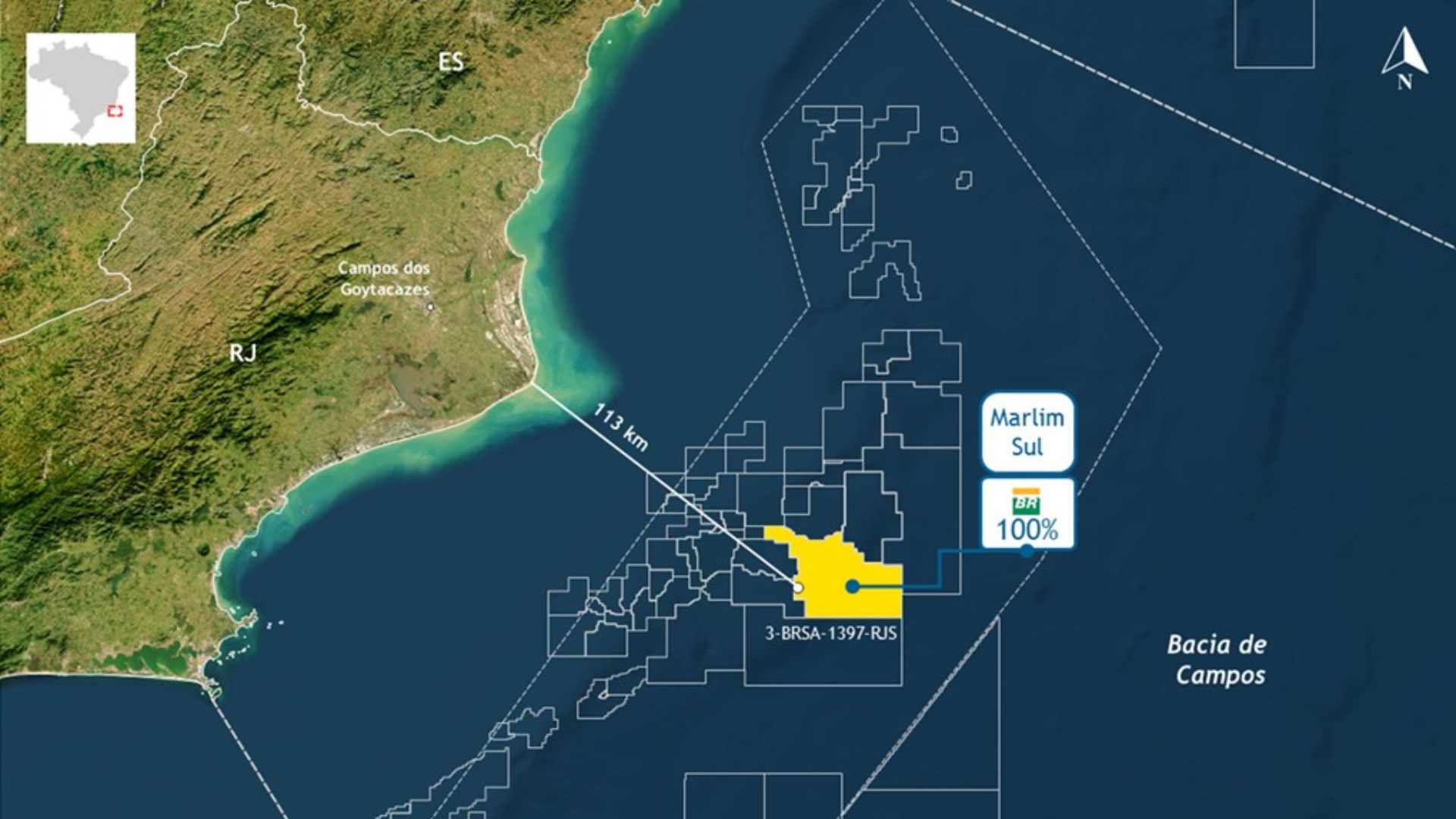
Petrobras finds high-quality oil in the pre-salt at 113 km from RJ and reignites expectations about strategic reserves in the Campos Basin.

-
Ocyan opens registrations for startups focused on innovation in the oil and gas sector and will select projects for Innovation Day with the support of Nexio.


Moreover, the growth occurs in a scenario of increased logistical complexity, marked by rising national oil production, expanding domestic consumption, and the need for more efficient operations. The result indicates operational stability and responsiveness to growing demands in the energy market.
Oil Derivatives Drive Transpetro’s Growth in 2025
The main driver of Transpetro’s growth in 2025 was the movement of oil derivatives, which increased from 215.5 million m³ in 2024 to 221.3 million m³ in the following year. This represents a 2.7% increase, higher than the growth of the total volume transported.
This increase primarily reflects the growing consumption of fuels essential to the Brazilian economy. Meanwhile, Transpetro’s integrated logistics ensured the continuous flow of these products, minimizing bottlenecks and ensuring supply in different regions.
Derivatives such as LPG and diesel accounted for the largest volume gains, highlighting the relevance of these products for both domestic consumption and strategic productive sectors.
LPG Boosts Strategic Terminals Operated by Transpetro
Liquefied Petroleum Gas was one of the major highlights of 2025. The movement of LPG grew by 24% compared to 2024, primarily driven by the commencement of operations at the Boaventura Energy Complex of Petrobras, located in Itaboraí, Rio de Janeiro.
The commissioning of the complex increased national LPG production and consequently boosted flow in the pipelines that connect the facility to Transpetro’s strategic terminals in Guanabara Bay. In addition, there were direct impacts on the terminals in Paranaguá, Santos, and Barra do Riacho.
This movement reinforces the role of strategic terminals as essential logistical hubs for the supply of cooking gas in different regions of the country, especially during periods of higher demand.
Diesel Strengthens Oil and Derivatives Logistics in the Midwest
Another product that showed significant growth was diesel, with a 3.6% increase in movement compared to 2024. This advance is directly linked to the expansion of the consumer market in the Midwest, a region heavily dependent on road transport and agribusiness.
A significant portion of this volume is served by the São Paulo-Brasília Pipeline (Osbra), one of the main infrastructures operated by Transpetro. Thus, the increase in regional demand resulted in greater utilization of the pipeline network and the strategic terminals connected to the system.
The performance of diesel highlights how the movement of oil and derivatives is directly connected to regional economic growth, especially in areas with strong agricultural and logistical activity.
Ship-to-Ship Operations Gain Prominence at Transpetro
In addition to the pipelines and terminals on land, ship-to-ship operations experienced significant growth in 2025. The volume moved in this type of operation increased by about 18% compared to the previous year, reflecting the growing demand for more flexible logistical solutions.
Ship-to-ship operations consist of the transshipment of oil and derivatives between ships, usually in maritime areas close to the coast. This model allows greater agility in unloading offshore production, reducing reliance on traditional port infrastructure.
The terminals in Angra dos Reis and São Sebastião accounted for the bulk of this growth. These operations have become strategic to meet the expansion of offshore production and to optimize the flow of exports and internal redistribution.


Strategic Terminals Sustain Transpetro’s Logistical Expansion
The strategic terminals operated by Transpetro play a central role in the logistics of oil and derivatives in Brazil. They serve as points for storage, distribution, and integration between modes, connecting pipelines, ships, and land systems.
In 2025, the performance of these terminals was crucial in sustaining the increase in total movement. In addition, the diversification of loads and the growth of ship-to-ship operations amplified the importance of these structures in the company’s logistical planning. The efficiency of the strategic terminals is a key factor in ensuring energy security, price stability, and regularity in national supply.
Challenges and Perspectives for Oil and Derivatives Movement
Despite the positive results, Transpetro faces significant challenges in the coming years. The need for continuous investments in asset modernization, fleet expansion, and process digitalization is growing, especially in light of increased production and logistical complexity.
Furthermore, there are pressures related to sustainability, requiring greater energy efficiency and emission reductions in transportation and storage operations. In this scenario, ship-to-ship operations and optimization of strategic terminals are likely to gain even more space as logistical alternatives.
On the other hand, the consistent demand for oil and derivatives in Brazil indicates that existing infrastructure will remain widely used, reinforcing Transpetro’s strategic role in the national energy system.
What Transpetro’s Record Reveals About the Brazilian Energy Sector?
The fourth consecutive year of growth for Transpetro, with a record of 658 million m³ moved in 2025, reveals an energy sector still heavily dependent on oil and derivatives, but increasingly attentive to logistical efficiency.
The data show that transport and storage capacity is as strategic as production itself. Without robust logistics, the growth in supply does not translate into supply security.
By strengthening its strategic terminals and expanding ship-to-ship operations, Transpetro consolidates its position as the central link between production, refining, and consumption.








Seja o primeiro a reagir!