





 Portuguese
  English
  Spanish
  4 min of reading
  0 comments


Transpetro Announces New Bid That Marks a Strategic Advance in the Brazilian Naval Industry, Anticipating Robust Investments and the Construction of Medium-Sized Vessels to Modernize Its National Fleet
On November 7, 2025, Transpetro announced a historic bid for the procurement of four medium-sized vessels, marking a new chapter in the billion-dollar investments aimed at modernizing the fleet and strengthening the Brazilian naval industry. The initiative is part of the Fleet Renewal and Expansion Program of the Petrobras System and represents a strategic advance in national maritime logistics.
Transpetro Bid Boosts Fleet Modernization
The new international public bid from Transpetro anticipates the construction of four MR1 class vessels, with a capacity of 40 thousand tons deadweight (DWT). These vessels will be used for the transportation of oil and derivatives along the Brazilian coast, contributing to greater efficiency and safety in the logistics operations of the state-owned company.
The tender was launched in a single batch, allowing a single shipyard to be responsible for delivering all four vessels. The deadline for submitting proposals is 90 days, and the first vessel must be delivered within 33 months after the contract signing.
-
Brazilian giant expands borders in the Southeast: Petrobras confirms new oil discovery in ultra-deep waters in the pre-salt of the Campos Basin.
-
Alert in the global energy market: Severe tropical cyclone hits the coast and disrupts gas production at major plants in Australia, threatening global supply.
-
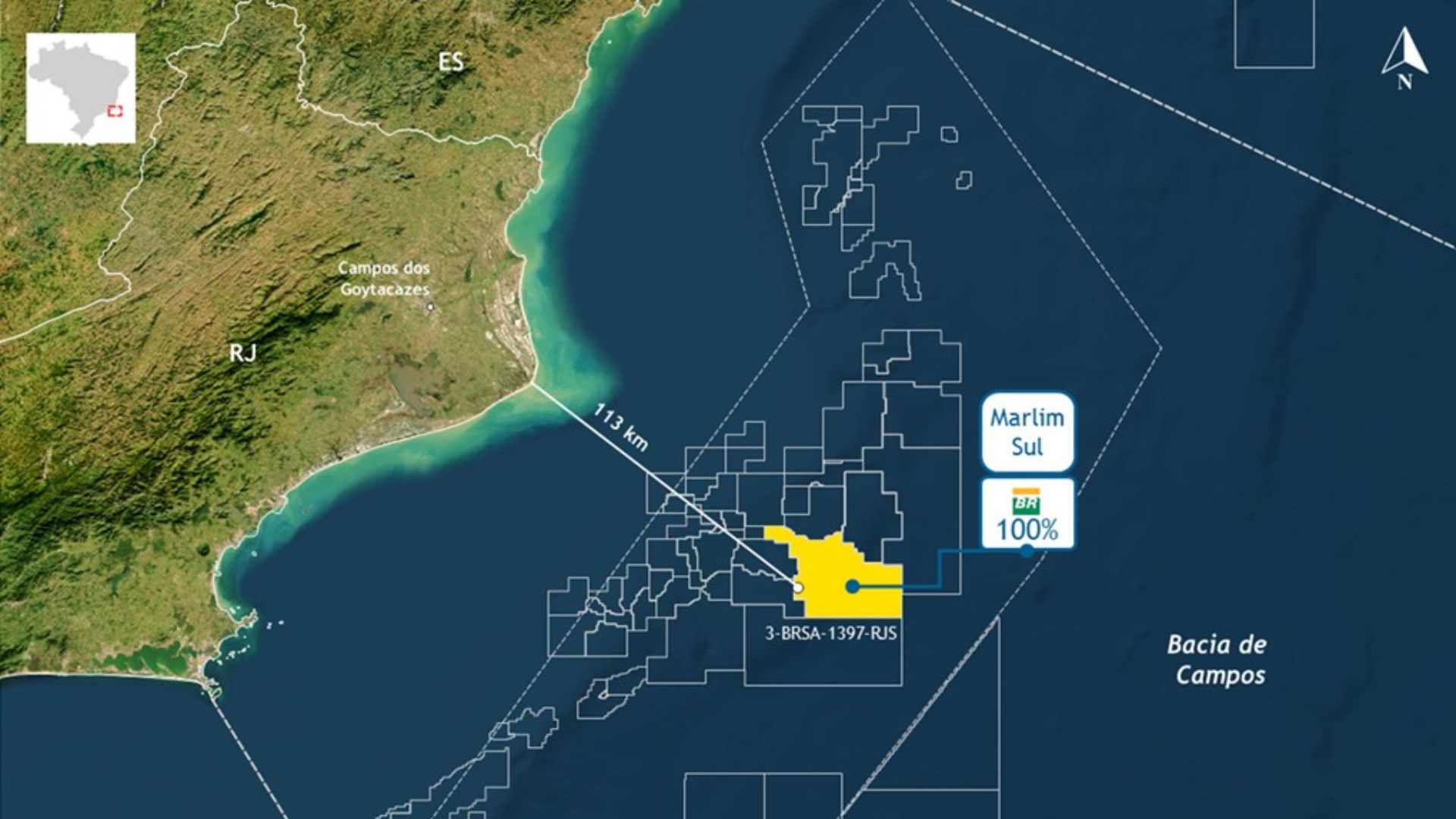
Petrobras finds high-quality oil in the pre-salt at 113 km from RJ and reignites expectations about strategic reserves in the Campos Basin.

-
Ocyan opens registrations for startups focused on innovation in the oil and gas sector and will select projects for Innovation Day with the support of Nexio.


This bid represents a milestone in the resumption of shipbuilding in Brazil, with the potential to generate thousands of jobs and boost the economy in various regions of the country. The launch of the third bid represents the fulfillment of a strategic goal of the Petrobras System.
According to Transpetro’s president, Sérgio Bacci, the procurement of the vessels outlined in the current Business Plan of the holding will enhance the owned fleet operated by Transpetro and reinforce the company’s role as a driver of development in the Brazilian naval industry, by providing opportunities for continuous orders to the market.
Billion-Dollar Investments Strengthen the Naval Industry
The procurement of the MR1 vessels is part of Petrobras’s strategic plan for the period from 2025 to 2029, which anticipates the acquisition of 16 vessels. The billion-dollar investments aim primarily to strengthen the Brazilian naval industry, promote technological innovation, and enhance the logistical capacity of Transpetro.
Furthermore, the new vessels will be more sustainable: they will have up to 20% more efficiency in fuel consumption and a 30% reduction in greenhouse gas (GHG) emissions, aligning with the company’s environmental goals and the guidelines of the International Maritime Organization (IMO).
The Brazilian naval industry gains new momentum with these investments, which stimulate the production chain and position the country as a reference in sustainable shipbuilding.
Transpetro Initiative Seeks Efficiency and Sustainability
The MR1 vessels contracted by Transpetro have technical specifications that make them ideal for coastal transportation of oil and derivatives:
- Capacity of 40 thousand DWT
- Hydrodynamic design for reduced consumption
- Modern ballast water treatment systems
- Engines with low pollutant emissions
- Compliance with international safety standards
These features ensure greater competitiveness for Transpetro and contribute to the decarbonization of the marine transport matrix in Brazil.
The choice of medium-sized vessels reflects a smart strategy, balancing operational capacity, energy efficiency, and environmental sustainability.
Economic and Social Impact of Transpetro’s Investments
According to industry estimates, each vessel built can generate thousands of direct and indirect jobs during its construction phase. Transpetro’s investments have the potential to inject billions into the national economy, especially in regions where the shipyards are located.
Moreover, fleet modernization contributes to:
- Reduction of logistical costs
- Greater predictability in fuel supply
- Increased operational safety
- Encouragement of specialized workforce training
These impacts go beyond the naval sector, reaching local communities, suppliers, and service providers that are part of the production chain.
Brazilian Naval Industry: Challenges and Opportunities
The Brazilian naval industry has faced a strong contraction in recent years, with a decline in orders and the closure of shipyards. However, initiatives like those from Transpetro signal a promising recovery, focusing on innovation, sustainability, and job creation.
For this recovery to be sustainable, it is essential to:
- Encourage public policies to incentivize shipbuilding
- Promote partnerships between government, companies, and universities
- Invest in technical and technological training
- Ensure predictability and continuity in projects
The Transpetro bid is a concrete example of how strategic investments can reverse this scenario, creating real opportunities for the sector.
Sustainability as a Pillar of New Projects
Transpetro has adopted sustainable practices in its projects, and the new MR1 vessels are proof of this. With cutting-edge embedded technologies, these vessels will have a lower environmental impact and greater energy efficiency.
Among the solutions adopted are:
- Monitoring systems for consumption and emissions
- Navigation equipment with artificial intelligence
- Recyclable and low environmental impact materials
- Integration with digital logistics management platforms
These initiatives place Transpetro at the forefront of sustainable maritime transport, reinforcing its commitment to energy transition and socio-environmental responsibility.
Perspectives for the Future of Maritime Logistics in Brazil
The procurement of four medium-sized vessels by Transpetro represents more than just a fleet renewal: it is a strategic step towards modernizing Brazilian maritime logistics.
With more efficient, sustainable, and technological vessels, the country will be able to expand its transport capacity, reduce costs, and increase international competitiveness.
In addition, the initiative strengthens national energy sovereignty by ensuring greater autonomy in the transportation of oil and derivatives. This is especially relevant in a global scenario of energy transition and geopolitical instability.








-

Uma pessoa reagiu a isso.