





 Portuguese
  English
  Spanish
  3 min of reading


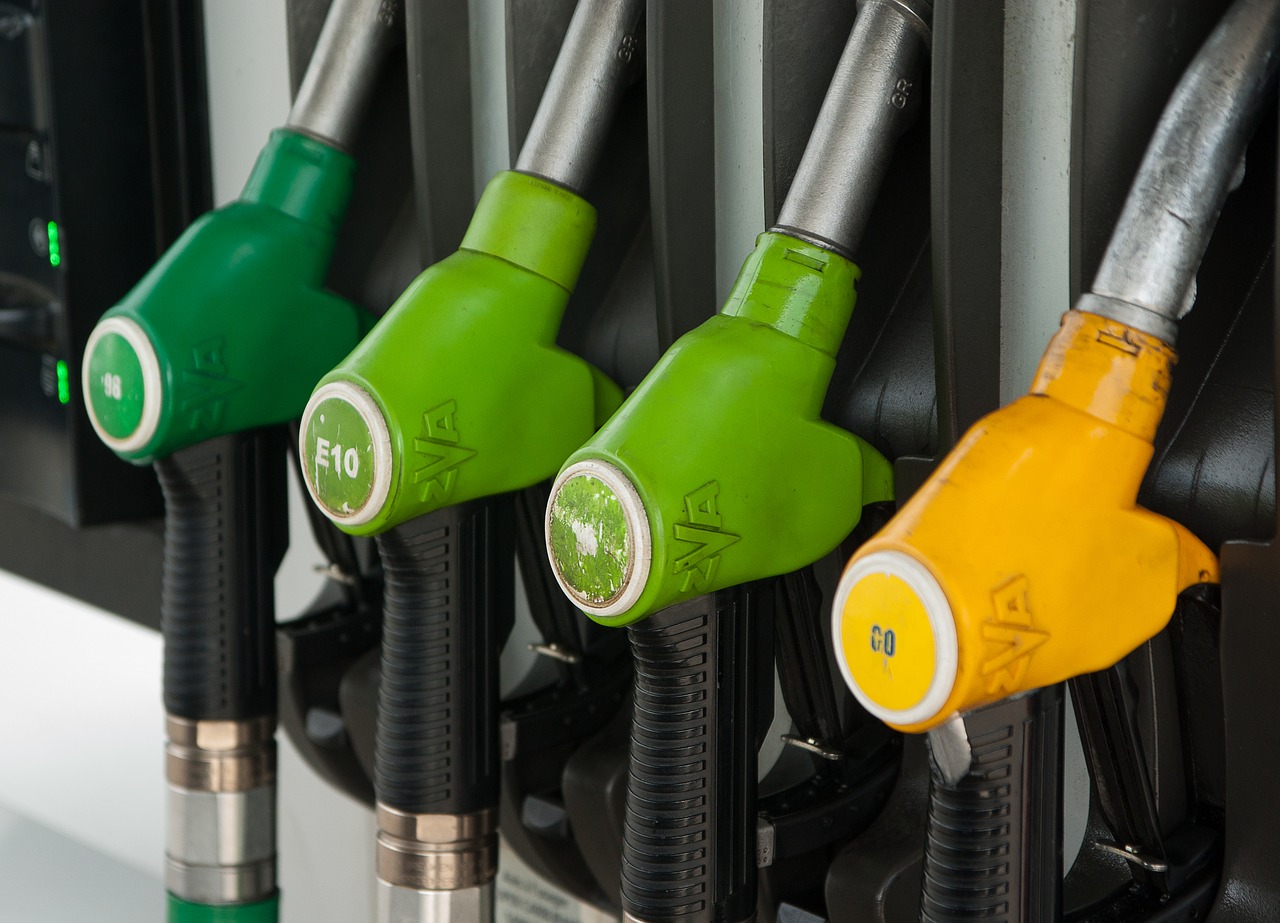
Survey by IPTC Indicates That The Cost to Fill a Truck’s Diesel Tank is Close to R$ 2,000.00
During the first six months of this year, there was an average increase of 30% in the cost to fill a truck’s fuel tank with diesel in Brazil. This information was obtained from a survey conducted by the São Paulo Institute of Cargo Transport (IPTC) at the request of CNN Brasil.
The survey also revealed that in January of this year, the expenditure for refueling a medium-sized truck, with an average capacity of 280 liters, with S-10 diesel was R$ 1,519.28. Currently, the cost reaches R$ 1,969.52.
If the intention is to fill the tank of a large truck with a capacity of 400 liters, the amount to be paid this month is R$ 2,813.60, while in January of this year the cost was equivalent to R$ 2,170.40. To refuel a small truck, known as VUC, with a capacity of 100 liters of diesel, it was necessary to pay R$ 542.60 at the beginning of the year, which corresponds to a much lower price compared to the current R$ 703.40.
-
Offshore industrial demand in Macaé skyrockets with the recovery of oil and gas and could grow by up to 396% by 2026 in the Campos Basin.
-
Offshore industrial demand in Macaé surges with the recovery of oil and gas and could grow by up to 396% by 2026 in the Campos Basin.
-
Brazilian giant expands borders in the Southeast: Petrobras confirms new oil discovery in ultra-deep waters in the pre-salt of the Campos Basin.

-
Alert in the global energy market: Severe tropical cyclone hits the coast and disrupts gas production at major plants in Australia, threatening global supply.


To perform the calculation, IPTC took into account the diesel prices shown in the most recent report from the National Agency of Petroleum, Natural Gas and Biofuels (ANP), released last Tuesday (the 21st).
Adriano Depentor Claims That Fuels Directly Influence The Final Cost of Transport Operations, Requiring Immediate Pass-Through to The Entire Logistics Chain
Given the presented scenario, Adriano Depentor – president of the superior council of the São Paulo Cargo Transport Companies Union (Setcesp) – stated that fuels have a direct impact on the final cost of transport operations, influencing 35% to 50% of freight costs.
According to Depentor, the only alternative for transporters is to immediately pass the increase in diesel prices to the entire logistics chain, as otherwise, recent increases would cause a greater discrepancy in rates. For him, it is extremely important that, in light of these fluctuations, transport companies negotiate old contracts and take into account the issue of fuel variation in new ones.
Lauro Valdivia Rebuts Depentor by Arguing That The Pass-Through of The Diesel Price Increase is a Problem for Transport Companies Due to The Frequency of Adjustments
On the other hand, the technical advisor of the National Association of Cargo Transport and Logistics (NTC&Logística), Lauro Valdivia, argues that pass-through represents a problem for transport companies.
According to the advisor, it is very difficult for the increase in diesel prices to be passed on due to the intense frequency with which adjustments occur. He explains that often, a new increase is announced even before the last adjustment is realized. Additionally, Valdivia notes that not only has fuel prices risen, but the price of trucks has also increased, with increases ranging from 40% to 64%.
In the IPTC study, it is also noted that the most recent price adjustment by Petrobras will, on average, raise cargo transport costs with maximum loads by 21.87%, further harming long-distance operations, which are over 6000 km.









Seja o primeiro a reagir!