





 Português
  Inglês
  Espanhol
  4 min de leitura
  0 comentários



BRICS Strategic Project Starts Studies to Connect Ilhéus to Chancay by Railway, Integrating Ports, Highways, and Waterways with Focus on 2026
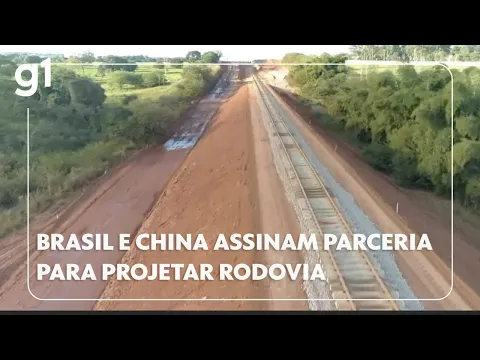
Brazil and China formalized the start of technical, economic, and environmental studies for the construction of the bioceanic train.
The railway, which will connect Ilhéus (Bahia) to the megaport of Chancay (Lima), is integrated into the Belt and Road Initiative (BRI) and symbolizes a geopolitical leap in South American logistics ambitions.
Memorandum Between Lula and Xi Jinping Boosts Strategic Route
During the XVI BRICS Summit, held in July 2025, President Luiz Inácio Lula da Silva and Chinese leader Xi Jinping signed a decisive memorandum of understanding.
The agreement sealed cooperation between the Brazilian state-owned company Infra S.A. and the China Railway Economics and Planning Research Institute, marking the starting point for the feasibility study of the interoceanic railway.
This initiative did not come out of nowhere. In November 2024, both governments had already signed a strategic bilateral agreement within the scope of the Routes Project, focusing on the integration of South American infrastructure, as part of the new Growth Acceleration Program (PAC).
This rapprochement paved the way for, in April 2025, a Chinese delegation to visit Brazil to map the existing logistics for a future connection to the bioceanic train.
Ilhéus-Chancay Section Considered the Most Technically Feasible
The preferred route starts at the port of Ilhéus (Bahia) and ends at the megaport of Chancay, on the Peruvian coast. Along the way, the train will pass through Campinorte, Lucas do Rio Verde, Vilhena, Porto Velho, and Rio Branco, before crossing the border with Peru and continuing through Pucallpa and Huánuco, until it reaches Chancay, near Lima.
The ongoing studies will address two central pillars: the multimodality of the transoceanic route, including connections with highways, waterways, ports, and airports; and the evaluation of existing infrastructure, focusing on ongoing investments and sections that require modernization.
According to the agreed schedule, the preliminary phase is expected to be completed by mid-2026, allowing progress in engineering and project financing.
-
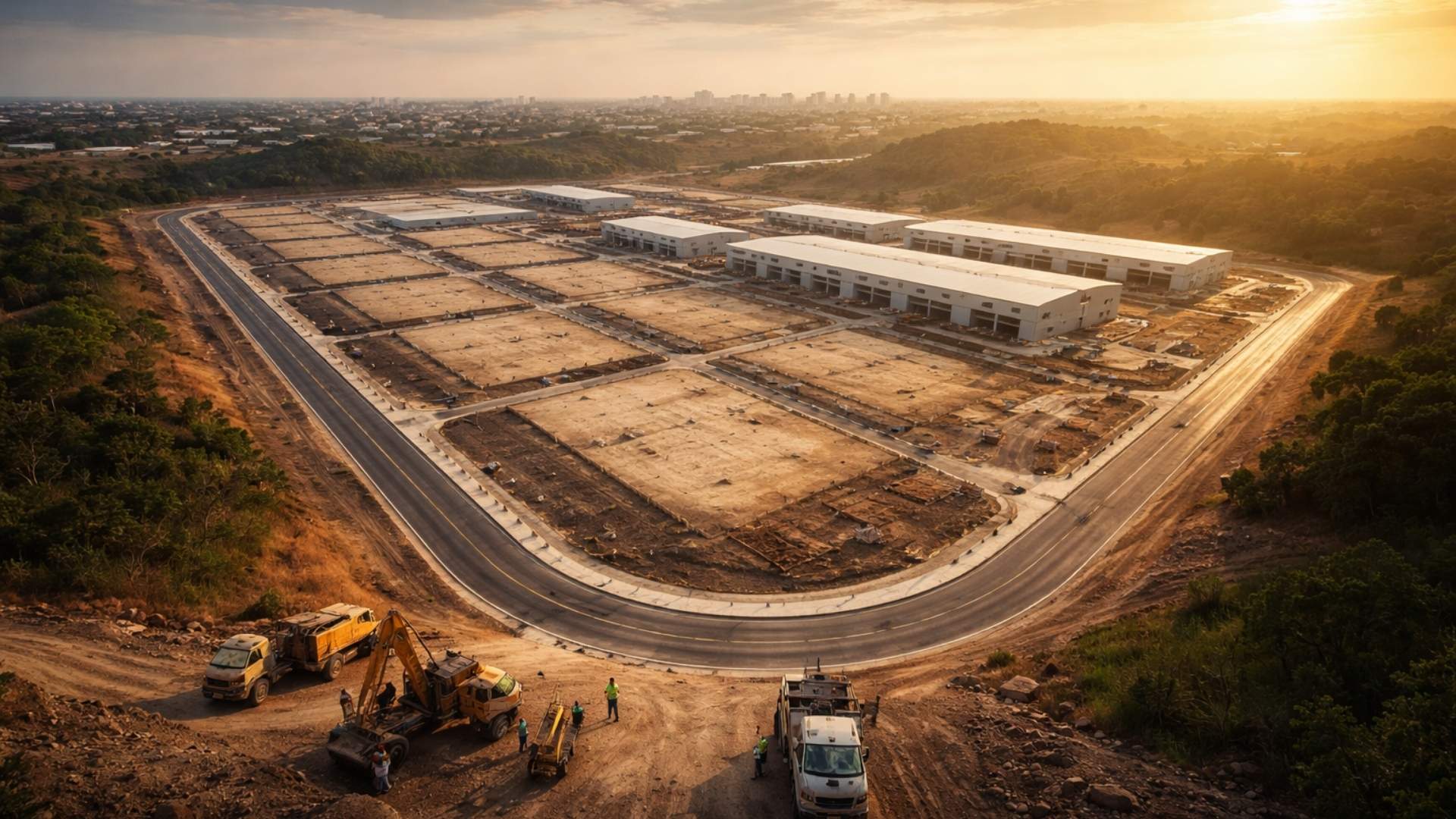
Brazilian city gains industrial hub for 85 companies that is equivalent to 55 football fields.

-
Peugeot and Citroën factory in Argentina cuts production by half and opens a layoff program for more than 2,000 employees after Brazil drastically reduced purchases of Argentine vehicles.

-
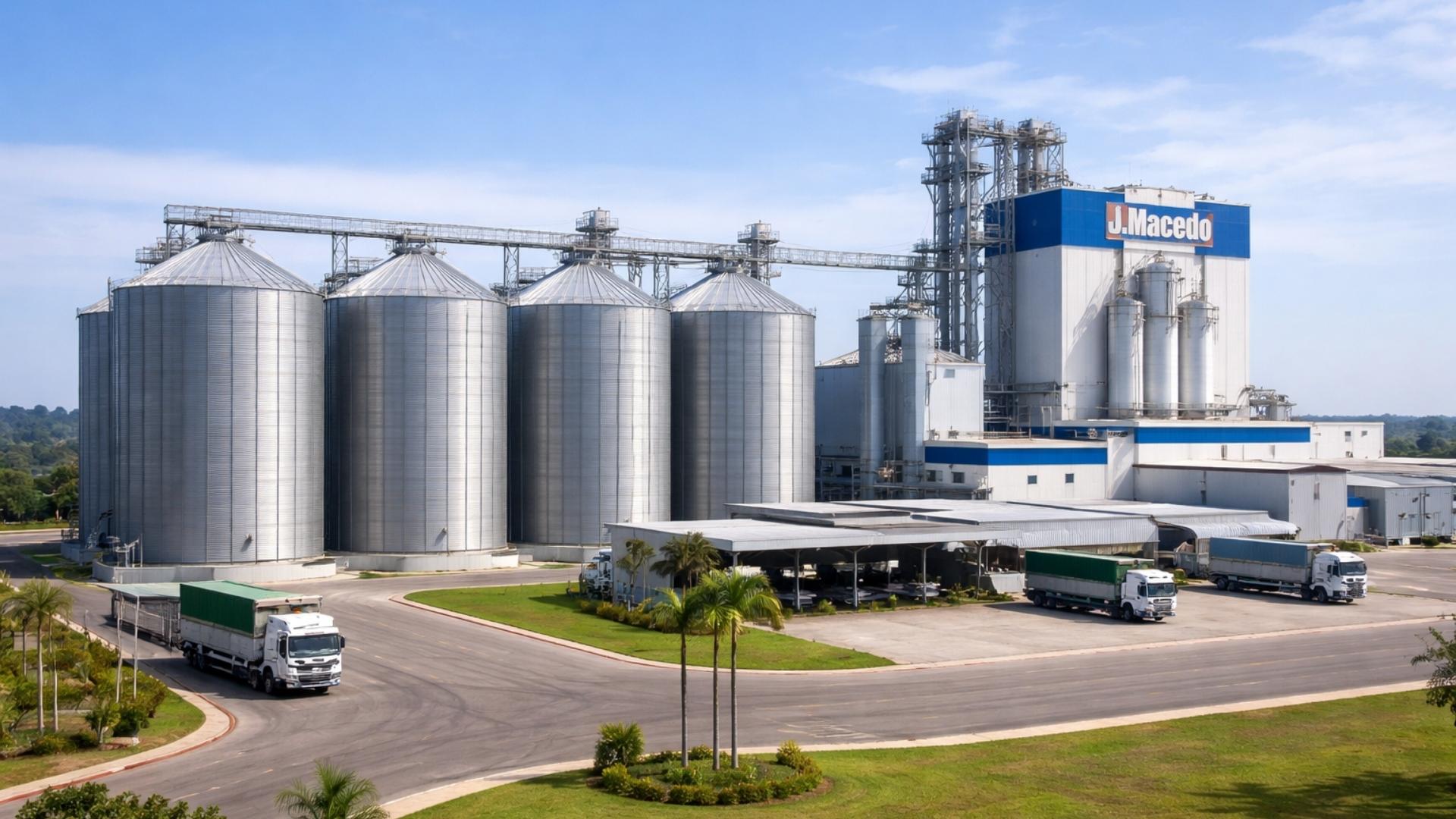
A Brazilian city gains a factory worth R$ 300 million with the capacity to process 200 thousand tons of wheat per year, a mill of 660 tons/day, silos for 42 thousand tons, and an industrial area of 276 thousand m².
-
Havan will leave the shopping mall in Blumenau to inaugurate something that the chain has never done before: a megastore in half-timbered style in the Historic Center of the city, which is expected to be completed in May and change the landscape of local retail.



Brazilian Railway Network is the Basis for Atlantic Connection
According to the Ministry of Transport, Brazil has 30,500 km of granted federal railways, which represents 17% of the transportation matrix.
Another 10,000 km are in authorized projects, linked to 27 concession contracts. Among the sections that may integrate the bioceanic corridor, the highlights are: North-South Railway, EF Carajás, FIOL, Centro-Atlântica Railway, Pantanal Railway, and Transnordestina.
This existing network drives Atlantic integration and enhances connections with waterways and highways.
Peru Modernizes Railway System with Chinese Support
On the Peruvian side, the major logistical challenge is to reactivate and integrate the old railway sections, many of which date back to the 19th century.
Since 1871, Peru has operated the Central Railway, which connects Callao to Huancayo. This line continues to be one of the most important routes in the country.
Additionally, the Southern Railway stands out with 940 kilometers of extension between Matarani and Cusco, crossing mountainous areas and economically relevant regions.
No less relevant, the Tacna-Arica line connects Peru to Chile. This connection reinforces the Andean regional integration and bilateral trade.
Currently, the Chancay-Pucallpa train project is gaining prominence. It features 904 kilometers and complex works, making it essential for national infrastructure.
This new railway will include 156 kilometers of tunnels and 97 of viaducts, according to the Ministry of Transport and Communications of Peru.
Moreover, the expected investment is US$ 14 billion, a figure that reinforces the strategic weight of this work for the bioceanic train corridor.
With this infrastructure, Peru will be able to export Brazilian grains and minerals through its ports, which will significantly reduce logistical costs for exports.
Additionally, this railway connection is likely to strengthen South America’s role in trans-Pacific trade, especially with rapidly growing Asian markets.
Geopolitics and Infrastructure Intertwine in the Bioceanic Corridor
The bioceanic train goes beyond an engineering project, as it represents a concrete geopolitical strategy, aligned with both the Belt and Road Initiative of China and Brazil’s reindustrialization agenda.
Furthermore, by connecting the Atlantic to the Pacific, it provides an alternative to the Panama Canal and, at the same time, strengthens trade ties with Asia.
As a fundamental part of this advance, the megaport of Chancay symbolizes the Sino-South American strategic partnership, as it was built with direct support from Cosco Shipping. Although technical studies are still underway, Brazil and China have already clearly demonstrated a firm political and diplomatic commitment to the project.
Thus, the bioceanic train not only boosts regional growth but also redesigns global trade routes and is expected to remain a priority until 2030.









-

Uma pessoa reagiu a isso.