





 Portuguese
  English
  Spanish
  4 min of reading
  0 comments


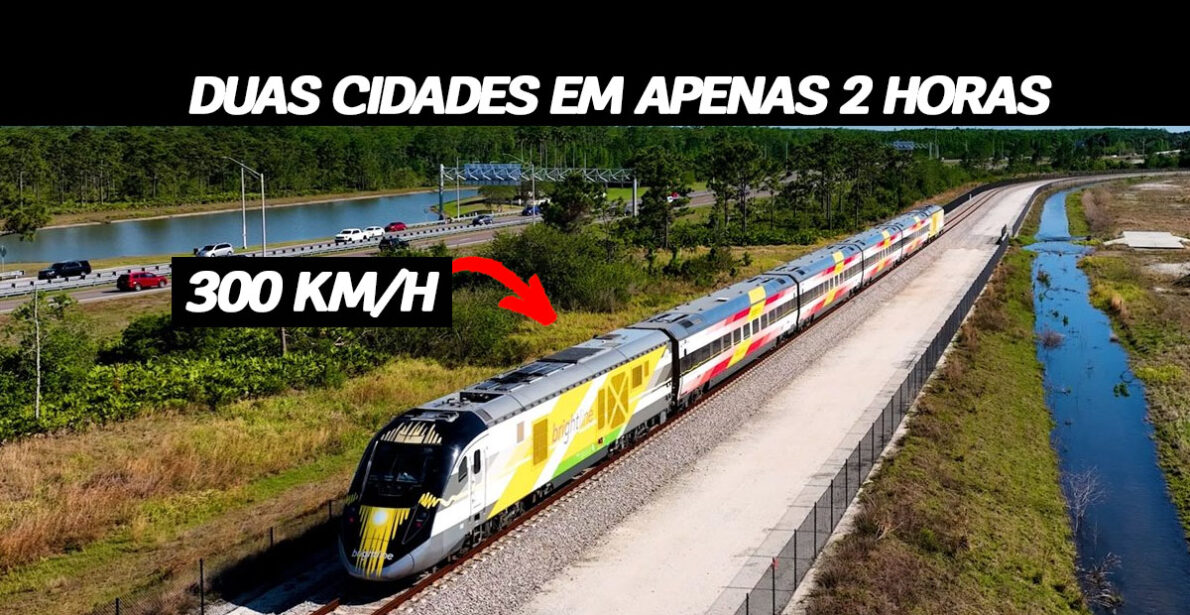
Brightline Announced A High-Speed Train That Promises To Revolutionize Travel With Luxurious Comfort And Speeds Of Up To 320 Km/h.
Imagine traveling a distance of hundreds of kilometers in the blink of an eye, enjoying comfortable seats, a modern bar, and even an exclusive space for celebrations.
While Brazil still dreams of implementing a high-speed rail system, an American company promises to revolutionize travel between Las Vegas and Los Angeles with a train that reaches an impressive 320 km/h.
Brightline, a U.S. rail company, announced that its new train will drastically reduce travel time between Las Vegas and Los Angeles.
-
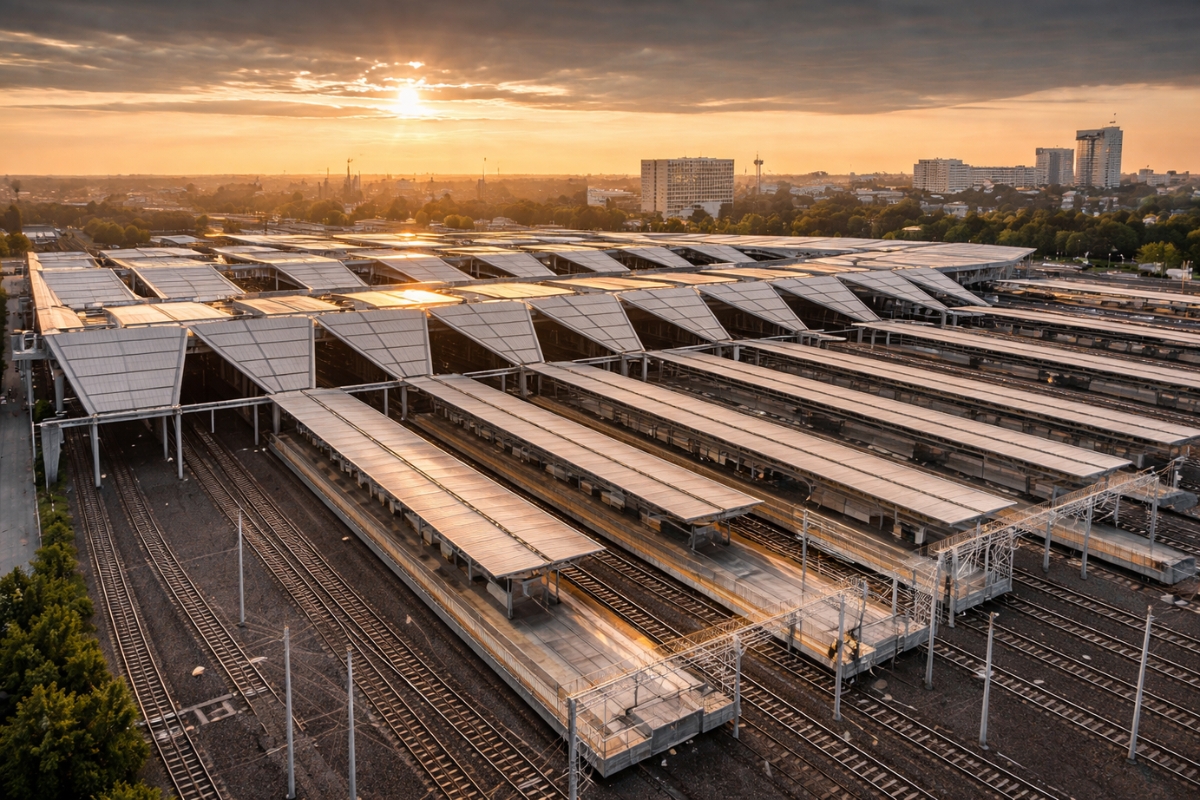
In A European City, The Country’s Largest Railway Junction Was Modernized Without Closing Its Doors, Kept Trains Running During Years Of Construction, Now Serves Up To 60,000 Passengers Per Day, And Installed Solar Panels That Generate About 30% Of Its Energy
-
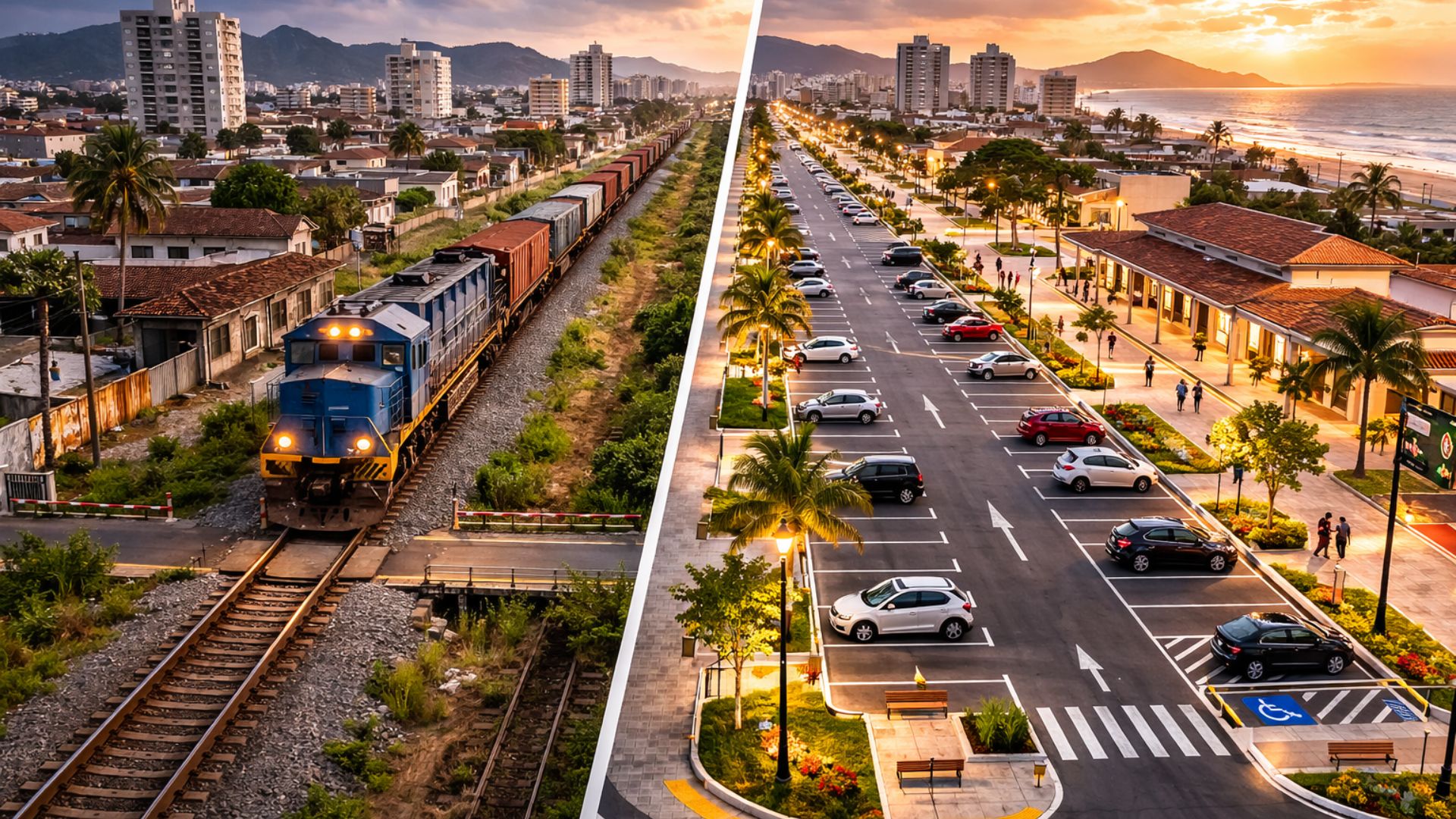
Famous Brazilian Railway May Become a Parking Lot
-
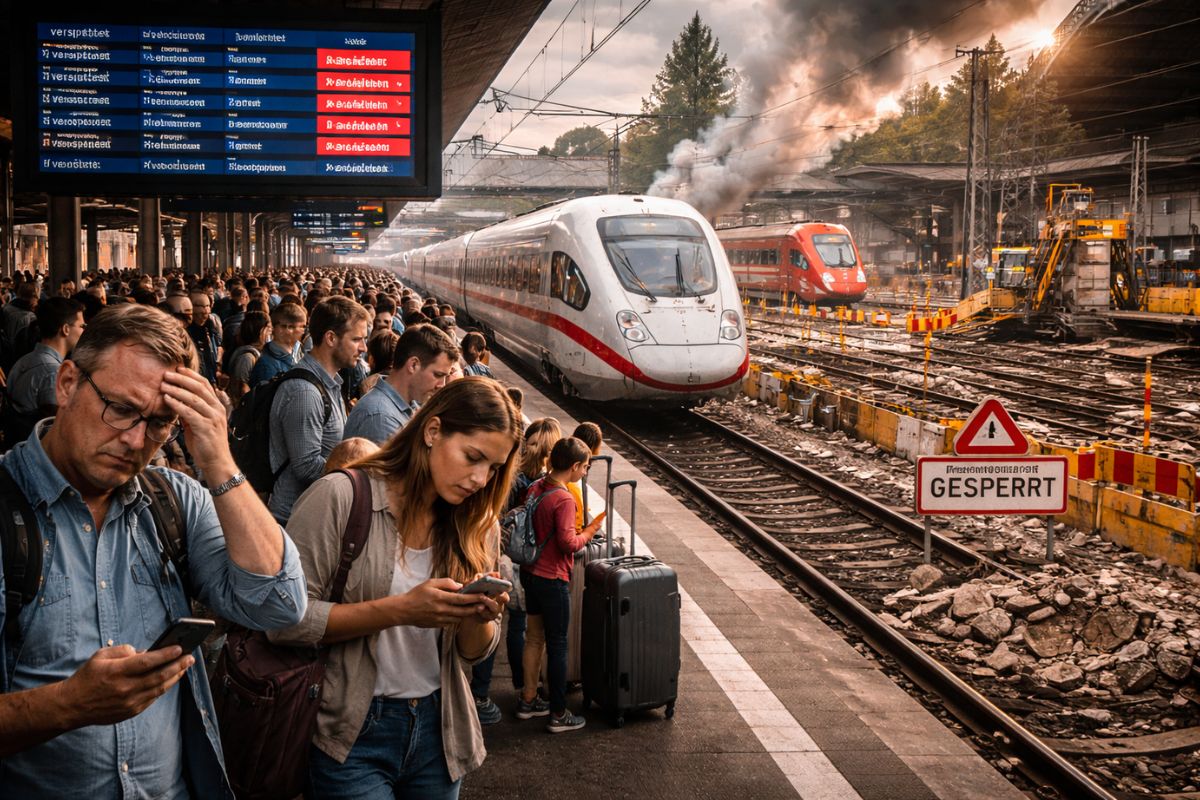
The Country of “Punctual As a Train” Admits It Has Lost Control: High-Speed Trains Delay, Stop, Disappear from the Map and Turn 6-Hour Trips into 10, While Deutsche Bahn Promises Restructuring in 2026 But Faces 19th Century Infrastructure, Staff Shortages and Sections Closed for Months
-
With an Investment of R$ 700 Million in One of the Country’s Main Rail Networks, VLI Reinforces Infrastructure, Receives 8 New Locomotives, and Expands the Corridor Connecting 7 States, Boosting Jobs and the Transportation of Grains, Ore, and Oil Products to the Port of Santos

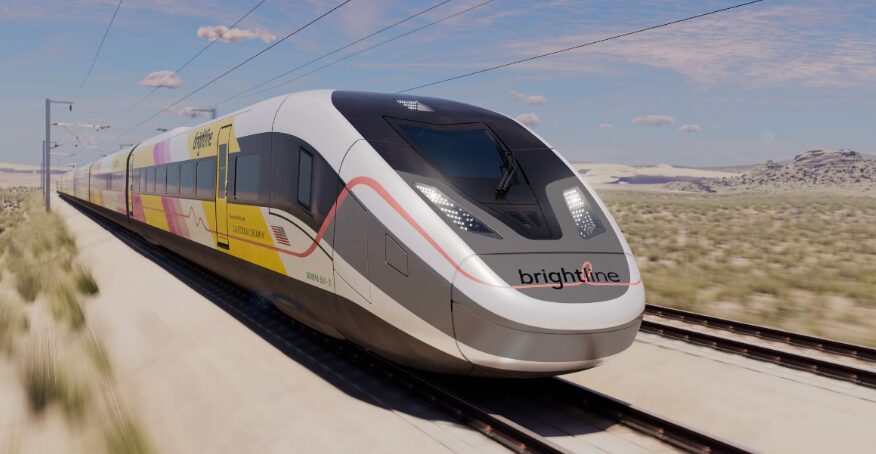
Currently, a car trip can take up to 4 hours, but with the train, that distance will be covered in just 2 hours, cutting the time in half. The anticipated launch is in 2028, and expectations around the project are high.
Brazil: A Very Different Reality
While the United States advances with its high-speed train system, Brazil still faces significant challenges.
The country, which has been debating the construction of a bullet train line between São Paulo and Rio de Janeiro for years, remains far from seeing this reality materialize.
The speed promised by Brightline West, of up to 320 km/h, would be able to connect the two largest Brazilian metropolises in about 1 hour and 30 minutes, which currently takes approximately 6 hours by car.
This difference in travel time is not just a matter of convenience, but of economic and social development.
A high-speed train in a country like Brazil could boost sectors such as tourism, facilitate trade between regions, and reduce traffic on highways.
Details Of The Brightline West Project
Launched in April 2024, the Brightline West project will be the first high-speed rail system in the United States. The 350 km line will connect Las Vegas to Southern California, running along Interstate 15 (I-15).
The station in Las Vegas will be located near the famous Las Vegas Strip, with easy access to Harry Reid International Airport, the Las Vegas Convention Center, and the Raiders’ Allegiant Stadium.
The final station, in Rancho Cucamonga, California, will connect to other transportation systems, such as California Metrolink.
The project is innovative not only for its speed, but also for the comfort it offers to passengers.
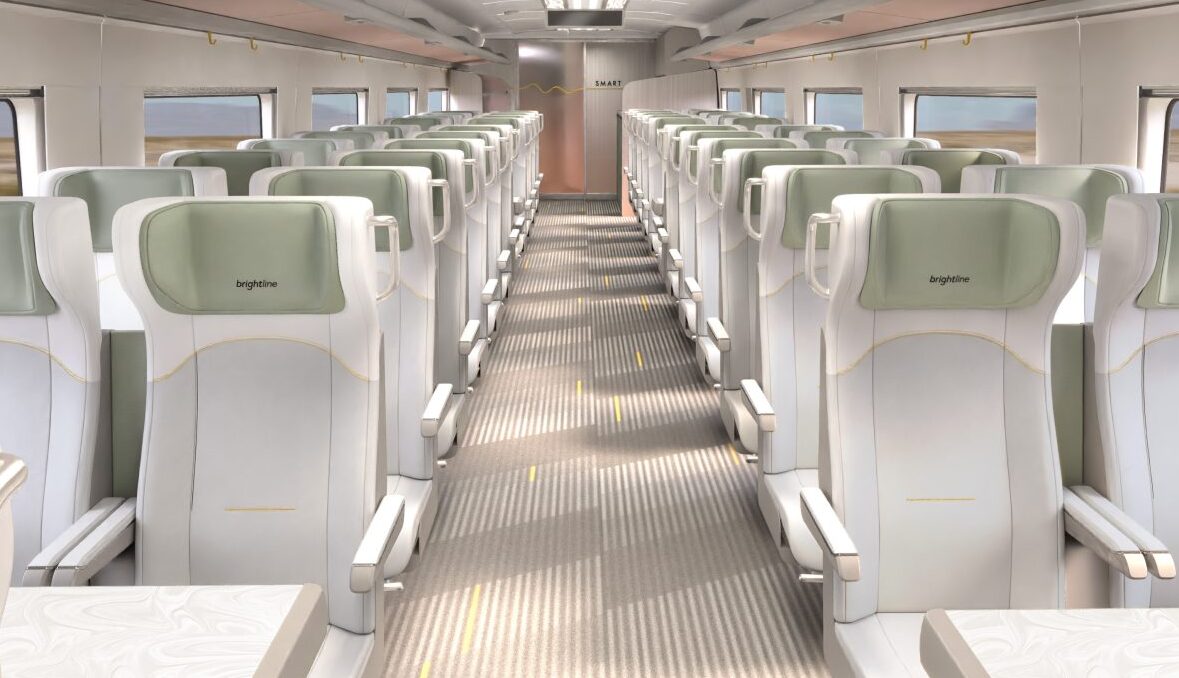
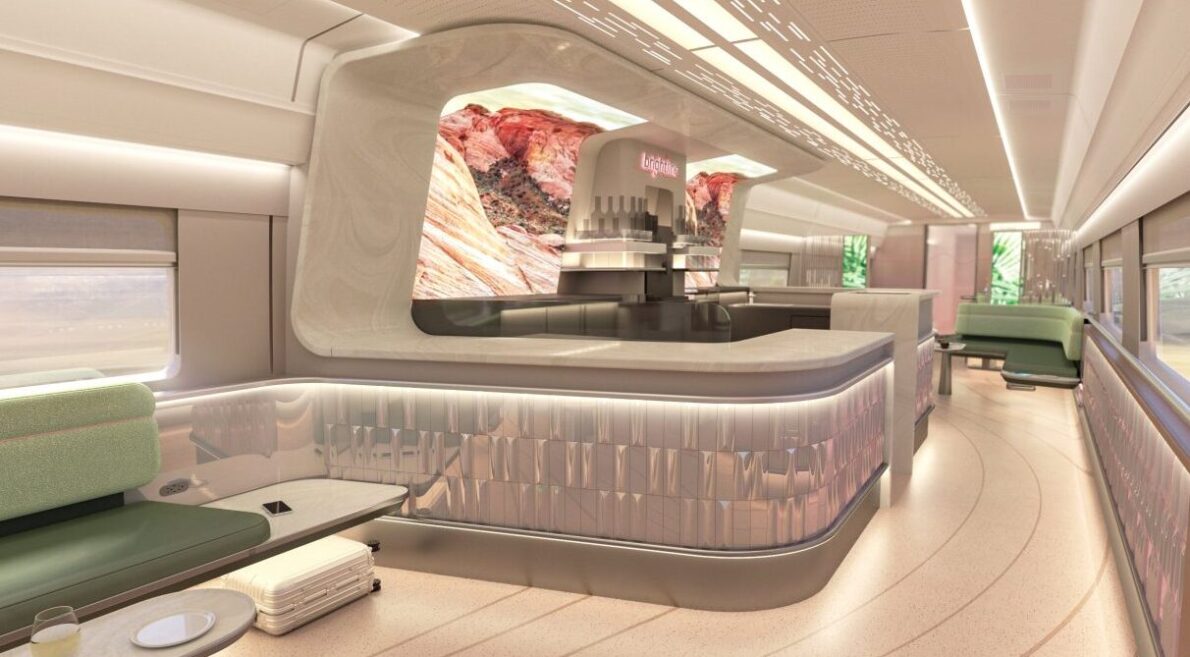
The cars will feature soft seats, decor in shades of green and pink, and a modern bar that will allow passengers to relax during the journey. In addition, the company plans to include an exclusive space for parties and celebrations.
What Can Brazil Learn?
While countries like the U.S. heavily invest in high-speed transportation infrastructure, Brazil continues to stall on similar projects.
The proposal for a bullet train between São Paulo and Rio de Janeiro has been discussed since the 1990s, but has made little progress.
If Brazil could implement a system like Brightline West, important regions of the country would be connected quickly and efficiently, completely transforming the travel experience.
Parallel With Other Parts Of The World
In Japan, the famous Shinkansen (bullet train) has been operating at speeds exceeding 300 km/h for decades, connecting major cities with extreme efficiency.
In Europe, high-speed trains such as the TGV and Eurostar also offer fast connections between countries, with speeds exceeding 320 km/h.
In this scenario, Brazil remains one of the few emerging countries that has yet to implement a high-speed rail transportation system.
Environmental And Social Impact
In addition to reduced travel time, high-speed trains are known for their environmental benefits, as they emit fewer pollutants compared to cars and airplanes.
The Brightline West project, for example, promises a significant reduction in carbon emissions, aligning with global sustainability goals.
In Brazil, where road transportation is overwhelmingly dominant, the implementation of high-speed trains could contribute to a significant decrease in air pollution, while also improving the quality of life for people.
With the inauguration of the high-speed train between Las Vegas and Los Angeles scheduled for 2028, it is clear that Brazil still has a long way to go.
Will Brazil be able to overcome its structural challenges and finally implement a railroad transportation system that lives up to expectations? The answer to this question could define the future of mobility in the country.









-

Uma pessoa reagiu a isso.