





 Portuguese
  English
  Spanish
  6 min of reading
  0 comments


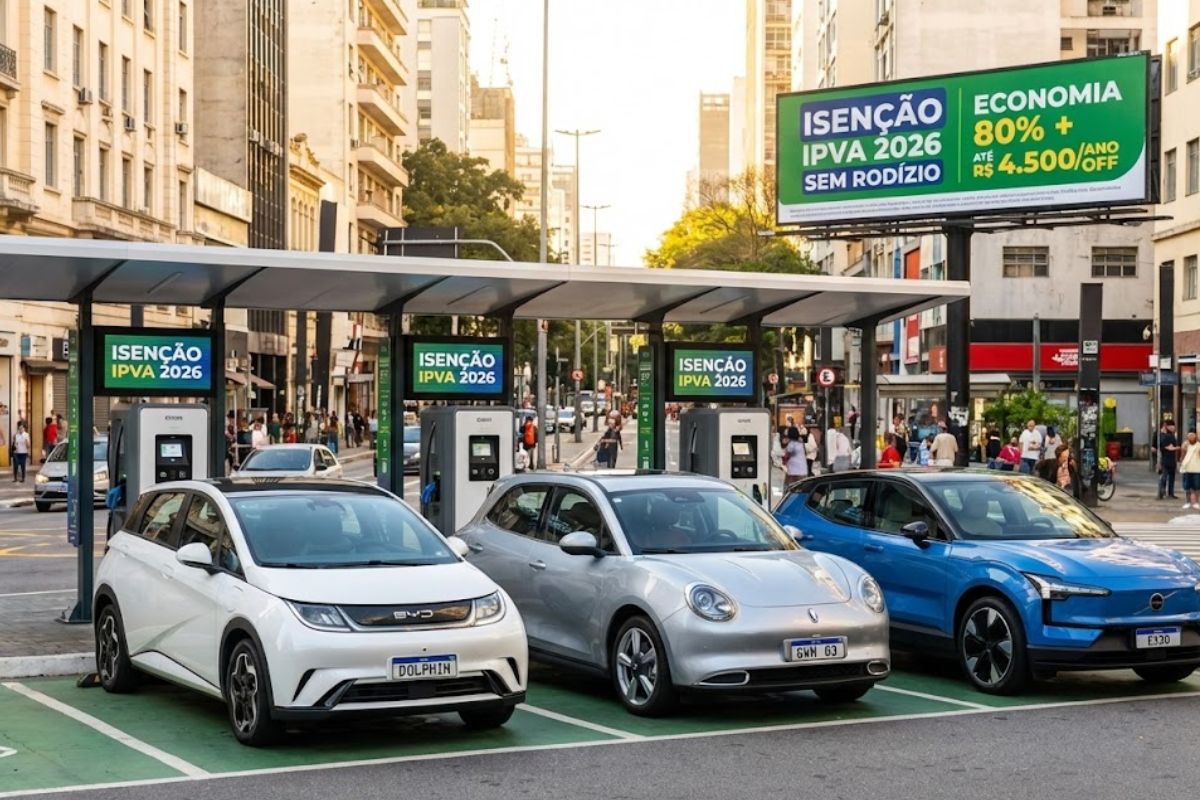
By The End Of 2025, Three Entry-Level Electric Cars, BYD Dolphin Mini, Renault Kwid E-Tech, And JAC E-JS1, Benefit From State Incentives, Guarantee Exemption Or Almost Zero IPVA In 2026, Escape The Circular Restriction In São Paulo, And Can Save Up To R$ 4,500 Per Year, With Cheap Recharging And Lower Total Cost.
Buying electric cars by the end of 2025 is no longer a niche bet but a rational calculation. The three most popular entry-level models in this segment already combine state incentives, exemption or almost zero IPVA in 2026, and aggressive spending cuts in the daily life of drivers.
Thanks to specific laws in the Federal District, Rio de Janeiro, and São Paulo, these zero-emission vehicles escape municipal circular restrictions, guarantee reduced rates or total IPVA exemption, and deliver a real annual savings of R$ 2,000 to R$ 4,500. At the same time, they run on energy whose cost per kilometer is about 80% lower than gasoline, which is crucial for those who use their car every day.
How Legislation Turns Electric Cars Into Real Economy
In practice, the advantage begins with the calendar. Those who finalize the purchase of electric cars still in 2025 enter 2026 entitled to a package of benefits that protects their budget at the turn of the year.
-
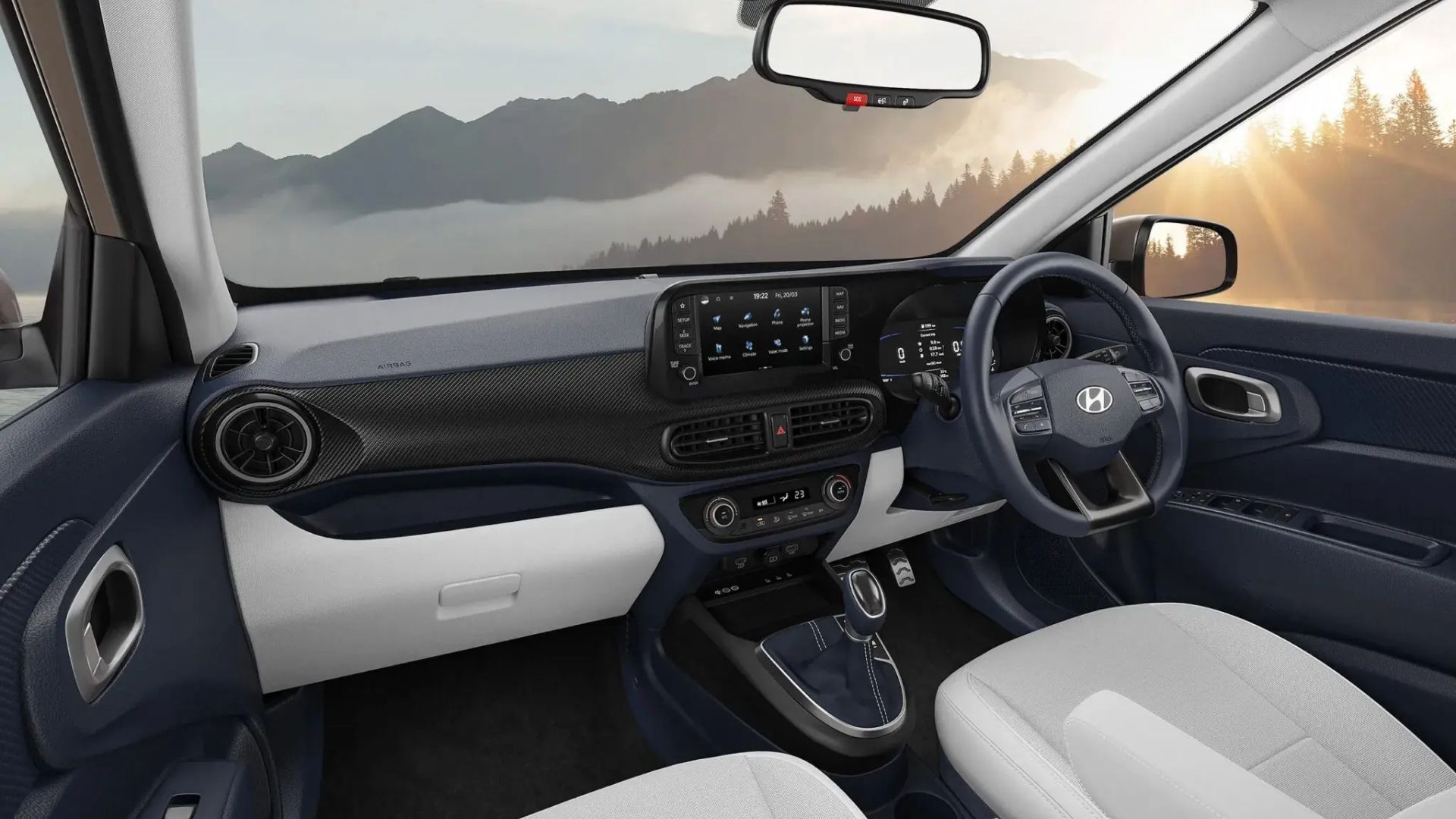
For R$ 32,000, a brand new Hyundai car is a rival to the Kwid with a 1.2 engine producing 82 hp, 6 airbags as standard, multimedia with wireless Android Auto, up to 391 liters in the trunk, and a refreshed look for 2026 in India.
-
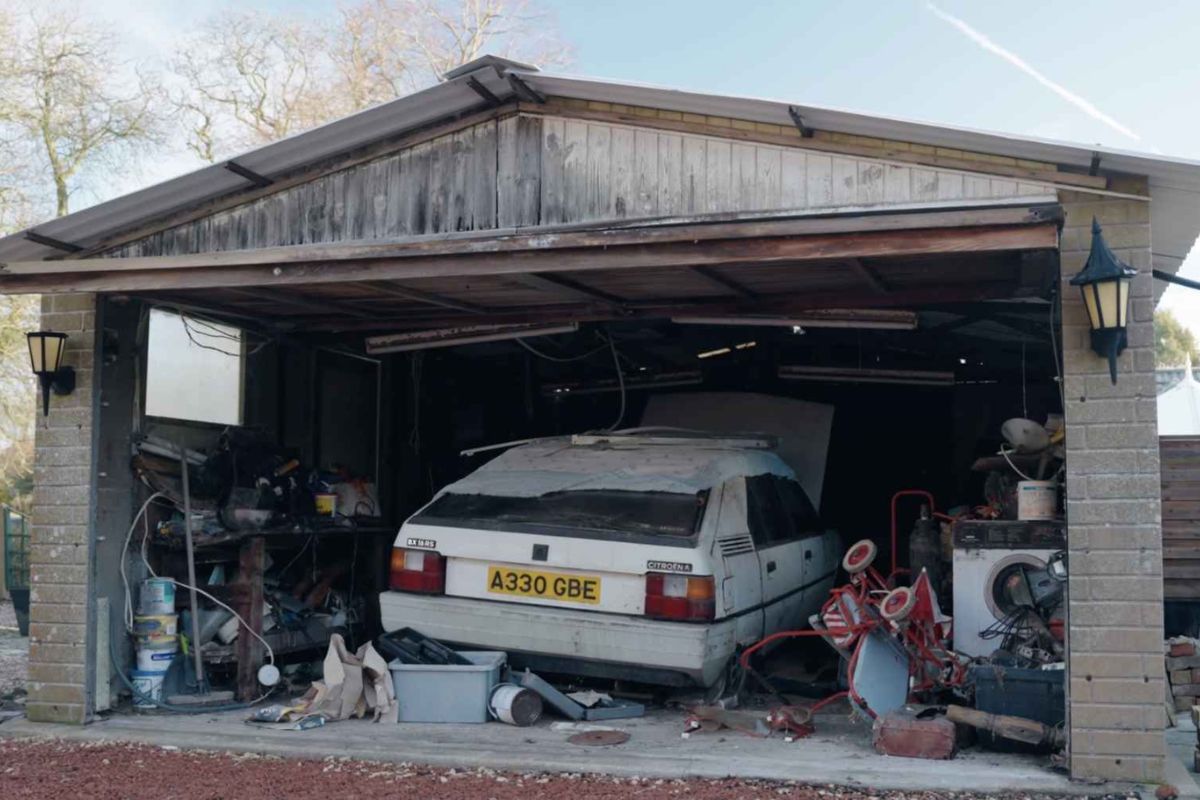
He bought a new car in 1983, locked it in the barn in 1988, and no one opened the door for 38 years until the family discovered what was stored inside and realized it looked like something out of a movie.
-
A 250cc motorcycle that can reach 560 km with a 14-liter tank, features disc brakes on both wheels and is among the most well-known in Brazil.
-
Man finds over 200 rare cars abandoned on a lot and tries to do the impossible in 8 hours with a surprise at the end.


In the Federal District, the IPVA exemption for electric vehicles is usually total, eliminating one of the heftiest taxes on the annual car bill.
In Rio de Janeiro, the rate drops to 0.5%, a symbolic amount compared to traditional charges on combustion models. In São Paulo, specific rules favor vehicles priced up to about R$ 250,000, comfortably covering the three compacts on this list.
This combination of norms creates a scenario where the savings on IPVA range from R$ 2,000 to R$ 4,500 per year, depending on the model and state of registration.
In four years, a significant part of the initial investment in the car pays off solely through tax savings, while the driver also accumulates gains from cheaper fuel and maintenance.
Moreover, in cities with municipal circular restrictions, such as the capital of São Paulo, the daily use allowance for electric vehicles serves as a “time bonus”.
Having the car available every day without plate restrictions avoids extra transportation costs and increases flexibility for those who rely on the vehicle for work or family routines.
BYD Dolphin Mini Balances Price, Finish, And Urban Range

Among the entry-level electric cars, the BYD Dolphin Mini has established itself as the model that best balances technology and showroom price.
Sold in the range of R$ 119,800, it has helped democratize electric mobility with a finish level that stands out in the segment and a robust range for intense urban use.
For those facing heavy traffic, repetitive daily routes, and constant air conditioning needs, the Dolphin Mini delivers an attractive package.
The driver pays less tax, refuels with much cheaper energy, and still enjoys comfort and silence typical of higher-end vehicles.
Renault Kwid E-Tech Is The Most Accessible Electric In The Trio

If the absolute priority is to pay the lowest possible price when purchasing, the Renault Kwid E-Tech occupies the entry position in this universe.
Offered for R$ 99,990, the model broke an important psychological barrier by placing an electric car below the hundred thousand reais mark.
Additionally, the extensive network of Renault dealerships, spread across different regions of the country, works in favor of the Kwid E-Tech.
This after-sales presence provides security for more conservative consumers looking to enter the world of electric cars without giving up accessible and familiar technical assistance.
For urban trips, short distances, and use as a second car for the family, it tends to be the easiest to fit into the budget.
JAC E-JS1 Bets On Compact Size And Energy Efficiency
Rounding off the trio, the JAC E-JS1 appears in promotional offers for about R$ 123,000.
The major differentiator lies in its compact size, ideal for tight parking spots in residential and commercial buildings, and its lightweight construction, which favors energy efficiency in urban environments.
In practice, this means that the driver can make the most of every recharge, something especially appealing for those driving in central areas with heavy traffic and the need to park in limited spaces.
Within the price bracket of up to R$ 125,000, the E-JS1 offers a proposition very focused on daily urban use, with all the tax bonuses of electric cars.
Extra Incentives: Reduced IPVA, Cheap Recharging, And Simple Maintenance
The three models share a set of advantages that goes beyond the price tag and range.
Among the practical incentives that make these electric cars almost immune to common expenses are:
- Reduced Or Zero IPVA: it’s essential to always check the official website of your state’s Treasury Department to confirm the current rate and the rules for exemption for electric vehicles.
- Much Cheaper Refueling: the cost per kilometer driven on electricity is around 80% lower than with gasoline, which completely changes the equation for those who drive a lot.
- Simplified Maintenance: with no oil changes, belts, or spark plugs, maintenance tends to be quicker and much cheaper, reducing unpleasant surprises over the years.
Adding these factors together, the difference in total ownership cost becomes evident.
Instead of repeatedly spending on high taxes and expensive fuel, drivers can direct their money toward an asset that appreciates due to the savings it delivers in daily life.
Strong Resale Value And Investment Protection In The Medium Term
For a long time, there was a myth that electric cars would lose value too quickly in the used car market.
Recent reality shows the opposite: the growing demand for an economical and quiet second car has been sustaining good price levels for entry models.
A key point is the long warranty on batteries, which typically lasts around eight years. This protection gives confidence to the next buyer, as the most expensive component of the vehicle remains covered for a significant period.
As a result, the liquidity of these models increases, and those who purchase at the end of 2025 are likely to find demand when deciding to sell a few years later.
What The Driver Needs To Do Now To Take Advantage Of 2026
Before closing the deal on any of the three models, the next step is to simulate financing and project the real savings over the next few years.
It’s worth considering the expected IPVA in each state, the average amount currently spent on gasoline, and the frequency of car use.
It’s also advisable to check the website of the Detran and the Treasury Department in the region where the vehicle will be registered.
There, the updated rules for exemption or reduction of IPVA for electric cars are detailed, along with any registration requirements to ensure the release of municipal circular restrictions in capitals like São Paulo.
In the end, the important calculation is simple: by swapping a combustion car for one of the three mentioned electric vehicles, the driver begins to spend less on taxes, fuel, and maintenance, while ensuring daily access to the vehicle in major cities and anchoring the investment in a growing technology.
And you, which of these three electric cars would make the most sense for your wallet and routine in 2026?









Seja o primeiro a reagir!