





 English
  Francês
  Alemão
  Italiano
  Japonês
  Norueguês
  Portuguese
  Spanish
  5 min of reading
  0 comments


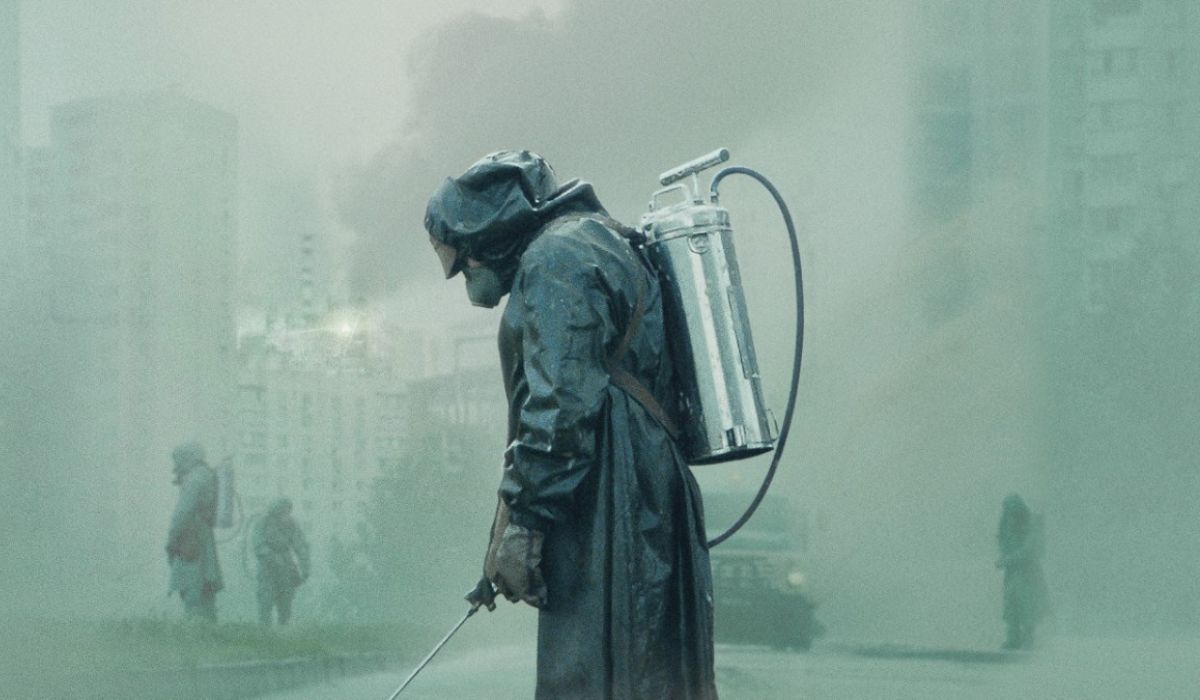
A routine test at a Soviet nuclear power plant triggered critical decisions, technical failures, and high-risk operations that marked the history of nuclear energy and mobilized thousands of people to contain a disaster with impacts that crossed borders.
In the early hours of April 26, 1986, a safety test at reactor 4 of the Chernobyl nuclear power plant, then located in Soviet Ukraine, resulted in the worst accident in the history of civil nuclear energy.
The sequence of events involved operational decisions made under intense pressure, design flaws of the RBMK type reactor, and an emergency response marked by high-risk operations to prevent worsening radioactive contamination, according to technical investigations conducted in the following years.
Safety Test at Reactor 4 of Chernobyl
The test aimed to evaluate whether, in case of complete loss of external power, the reactor’s turbines could generate enough electricity, by inertia, to keep the cooling systems active until the diesel generators began operating.
-
Fukushima Marks A Turning Point In Japan’s Energy Policy: After The Disaster, The Country Shut Down Its 54 Nuclear Reactors And, 15 Years Later, Only A Small Portion Have Returned To Operation
-
How Japan Overcame The Nuclear Bomb And Now Houses Millions In Hiroshima, While Ukraine Lost Chernobyl?

-
Bill Gates Receives Historic Approval to Build Giant 345 MW Nuclear Plant in the U.S. and Promises to Generate Up to 500 MW of Energy with Innovative Technology

-
India Opens Nuclear Energy to Private Capital to Accelerate Projects and Attract Billions, While Brazil Remains Stalled at Angra 3 and Discusses Who Will Foot the Bill for Completion

Official reports indicate that the procedure was executed outside the intended parameters, with protection systems turned off and the reactor operating in an unstable range.
During the early morning, the combination of low power, improper core configuration, and last-minute corrective attempts led to a rapid and uncontrolled increase in reactivity.
At 1:23 AM local time, there was a sudden power spike, estimated by later analyses to be dozens of times higher than the nominal level, followed by two explosions that destroyed the reactor’s structure.
Explosions and Release of Radioactive Material
The impact ruptured the building housing the core and displaced the so-called upper biological shield, a large mass component designed for radiological protection.
Technical studies describe that the collapse exposed nuclear fuel and graphite to the external environment, allowing for the continuous release of radioactive material for several days, exacerbated by fires inside the reactor.
Measurement Failures Delayed Perception of the Disaster
In the initial moments following the explosion, the assessment of the accident’s severity was hindered by limitations of the available instruments.
Some of the dosimeters used at the plant quickly reached their maximum reading value, about 3.6 roentgen per hour, which, according to experts who analyzed the episode, did not reflect the actual radiation levels in various areas of the facility.
Subsequently reconstructed estimates indicated much higher radiation rates in specific points of the complex, although these figures were not immediately known to the operational teams.
Meanwhile, the city of Pripyat, located about three kilometers from the plant, maintained its daily routine for over a day, until authorities ordered the evacuation of the population.
Risk of Another Explosion Mobilized Emergency Actions
With the extent of the damage confirmed, the focus shifted to containing additional risks.
One scenario considered by Soviet engineers and scientists was the possibility that the melted fuel could reach large volumes of water accumulated beneath the reactor, which could trigger a steam explosion and spread further contamination.
The Operation in the Power Plant Basement
In this context, three workers from the plant — Oleksiy Ananenko, Valeri Bespalov, and Boris Baranov — were assigned to an operation in the basement of the reactor building.
The mission consisted of locating and opening valves that would allow draining the steam suppression pools, known as bubbler pools, where a large amount of water was present.
According to documents and later testimonies, the action took place in early May 1986 and enabled the draining of an estimated volume of tens of millions of liters.
The drainage reduced the risk of direct contact between the molten material and the accumulated water, considered critical by technicians involved in the accident response.
Over time, the episode began to be described in a more dramatized manner in books, documentaries, and audiovisual productions.
Technical accounts and interviews with those involved, however, indicate that the operation was planned based on the information available at the time, using protective equipment and executed relatively quickly, albeit in a high-radiation-risk environment.
Liquidators and the Large-Scale Response
Meanwhile, thousands of civilian and military workers were mobilized to help contain the disaster.
These groups, later known as liquidators, participated in tasks that included firefighting, removal of contaminated debris, and construction of temporary containment structures around the destroyed reactor.
In the airspace, helicopters conducted successive operations to drop materials such as sand, boron, and lead over the exposed core.
Official records indicate that, in the first days after the accident, hundreds of flights were conducted for this purpose, in an attempt to reduce the release of radioactive particles and control the internal fire.
Accidents During the Containment Operations
One of the accidents associated with these operations occurred in October 1986, when a Mi-8 helicopter collided with the cables of a crane during work near the reactor and crashed in the vicinity of the structure.
The episode resulted in the death of the entire crew and was documented in images that are part of the historical documentation of the accident.
On the ground, a group of miners was mobilized to dig a tunnel under the reactor, with the aim of installing a base that would help contain the residual heat and protect underground aquifers.
Records from the time mention around 400 workers involved in the excavation of a tunnel approximately 168 meters long, completed under extreme temperature conditions and limited ventilation.
The “Elephant Foot” and the Traces Inside the Reactor

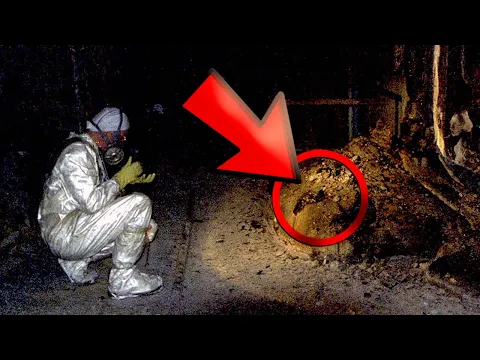
Within the remaining structures of the reactor, a mass known as corium formed, resulting from the melting of nuclear fuel with concrete and metals.
One of the most known fragments, nicknamed the “elephant foot,” showed, in the first measurements, extremely high radiation rates, capable of causing lethal effects in a short exposure time, according to technical measurements released later.
Environmental Impacts and the Red Forest
In the vicinity of the plant, the so-called Red Forest became one of the environmental symbols of the accident.
The area’s vegetation absorbed high levels of radiation, leading to the death of trees and the subsequent removal and burial of contaminated material.
Research indicates variations in the estimation of the directly affected area, reflecting different analytical criteria adopted over the years.
Decades after the accident, the Chernobyl exclusion zone has become the subject of scientific studies on ecosystems in environments with low human presence and residual contamination.
Researchers point to the return of various animal species while continuing to investigate potential long-term biological effects associated with chronic radiation exposure.










-

-

2 pessoas reagiram a isso.