





 Portuguese
  English
  Spanish
 4 min of reading
  0 comments


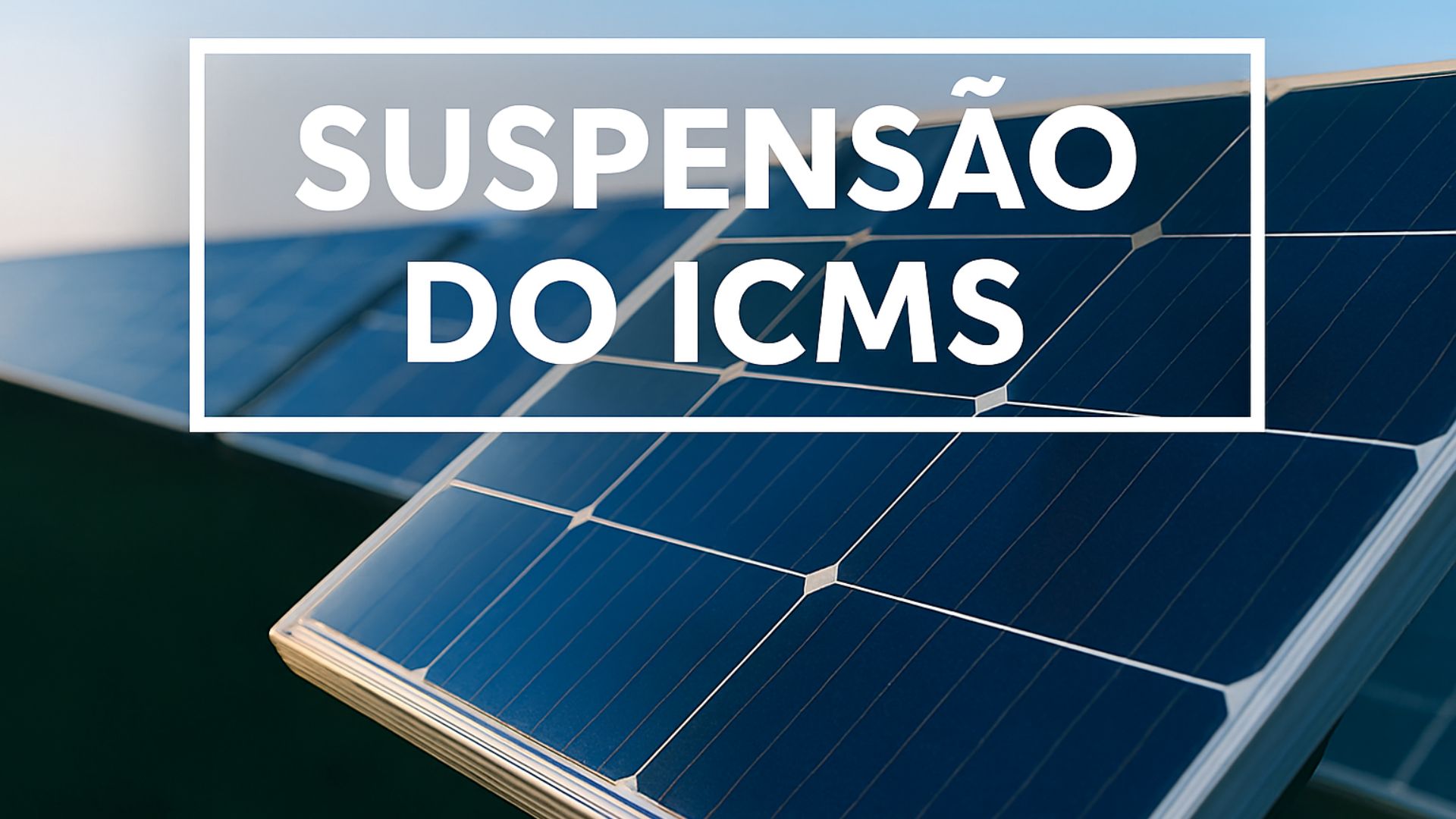
TJ-PI Ruling Provides Relief to Solar Energy Consumers in Piauí by Suspending the ICMS Charge on Excess Generated in the Compensation System.
On the morning of this Monday, October 6, 2025, the Piauí Court of Justice (TJ-PI) granted a preliminary injunction that suspends the ICMS charge on the excess solar energy generated by consumers using the electricity compensation system.
The decision was made in a plenary session and responds to the Direct Action of Unconstitutionality (ADI) filed by the Progressive Party and the Piauí Solar Energy Association (APISOL), which challenged the interpretation of the State Treasury Department (Sefaz-PI).
What Is Excess Solar Energy and How Does the Compensation System Work
The precautionary measure is valid until the final judgment of the action, and represents a milestone for consumers and the renewable energy sector in the state. The rapporteur of the case, Judge Sebastião Ribeiro Martins, was unanimously supported by other judges.
-
Roraima bets on the sun to escape high tariffs: Amid the energy crisis and price hikes, solar energy is growing in Roraima and transforming consumption in the North region.
-
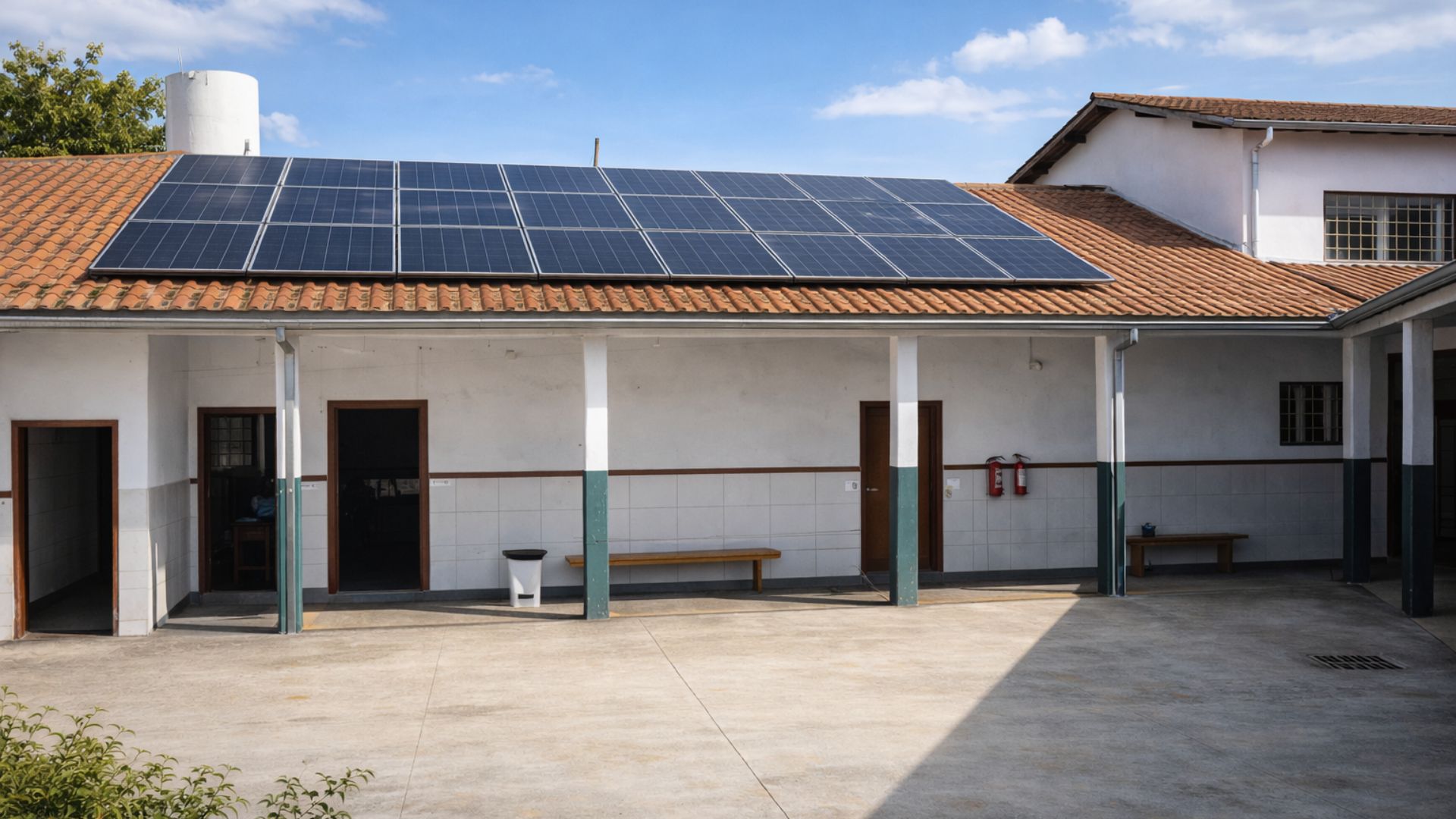
Copel boosts solar energy in Paraná and brings innovation to public schools, promoting savings on electricity bills, energy efficiency, and a direct impact on the quality of education.
-
Brazil reaches historic milestone in solar energy: Sector surpasses 2 million accumulated green jobs and generates billions in the national economy even under market pressure.
-
Minas Gerais takes the lead in renewable energy: State surpasses historic mark of 14 GW in solar energy generation in MG and consolidates dominance in the Brazilian electric sector.
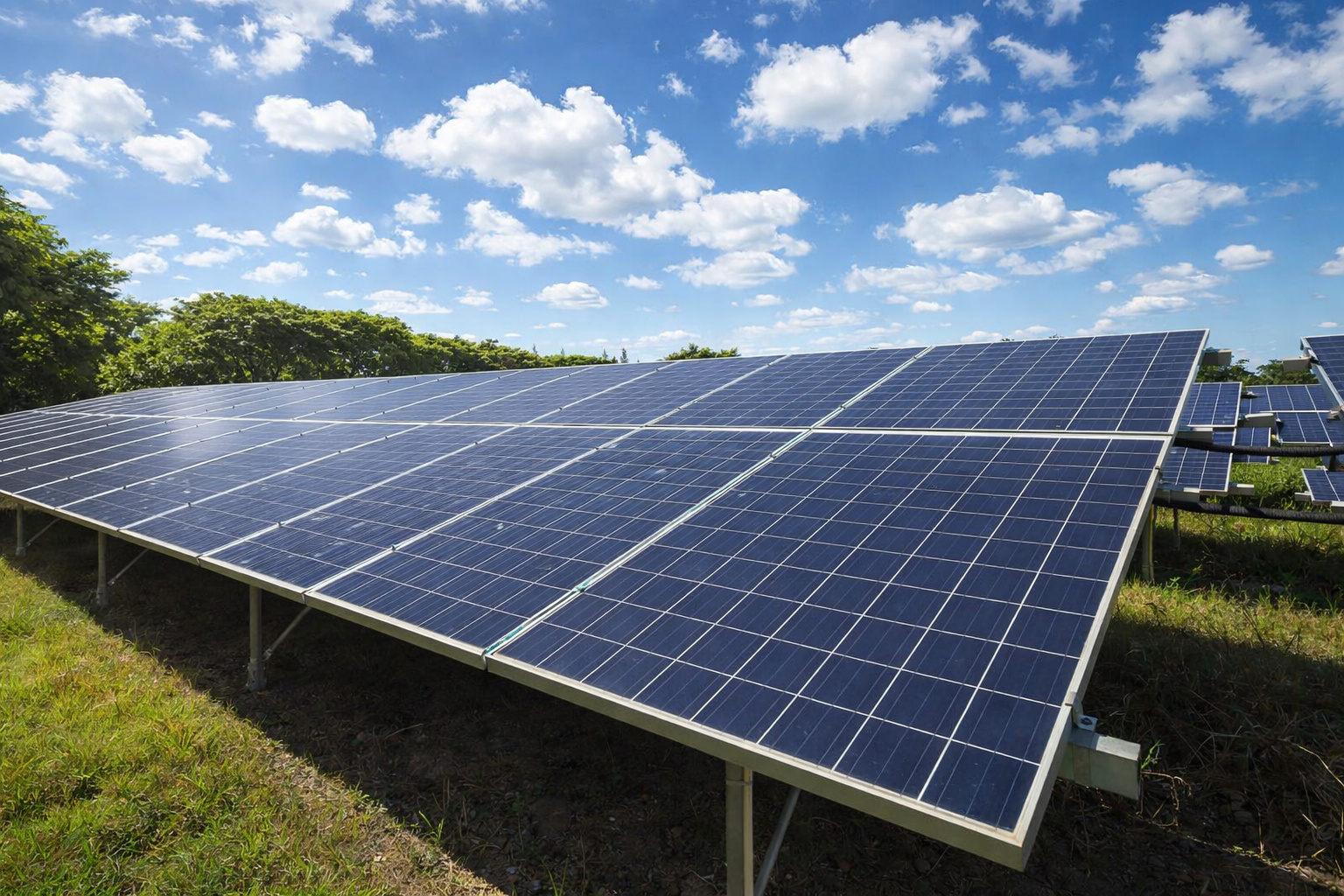

The electricity compensation system, regulated by Federal Law No. 14,300/2022, allows consumers who generate their own energy through renewable sources, such as solar, to send excess energy to the public grid. This excess is later compensated in the form of credits on their electricity bill.
Excess solar energy is not sold, but given free of charge to the distributor, functioning as an energy loan. Thus, according to TJ-PI, there is no commercial operation that justifies the ICMS charge.
Suspension of ICMS on Excess Solar Energy
The charge of ICMS on excess solar energy was deemed unconstitutional for violating principles such as:
- Tax Legality
- Tax Specificity
- Contributory Capacity
According to attorney Frederico de Freitas Mendes, who represented APISOL, the generation of energy for personal consumption cannot be taxed as a commodity. Furthermore, the court emphasized that the charge could lead to harm to consumers, discourage investments in the sector, and compromise the legal security of distributed generation.
Arguments from the Attorney General’s Office and Equatorial Piauí
During the session, the Attorney General’s Office (PGE-PI) defended that the ICMS charge would be a way to compensate for the use of the public distribution infrastructure.
Prosecutor Maurício Fortes argued that solar energy generators use the public grid without contributing to its maintenance, which would create tariff imbalance.
Equatorial Piauí, for its part, justified that even with the compensation, there are operational costs involved in transmitting the excess energy. However, organizations such as OAB-PI and CREA-PI opposed the charge, arguing that it penalizes consumers and discourages distributed generation.
Piauí Court of Justice and Jurisprudence on Excess Solar Energy
The Piauí Court of Justice (TJ-PI) had already expressed its stance in individual cases against the incidence of ICMS on excess solar energy. The decision on October 6 consolidates this understanding at a collective level, reinforcing state jurisprudence.
The rapporteur, Judge Sebastião Ribeiro Martins, voted in favor of granting the precautionary measure, suspending the effects of the interpretation of Sefaz-PI regarding Articles 2, 12, and 13 of State Law 4,257. The vote was unanimously followed by other judges.
Impact of the Decision Among Entities and Experts
The decision of TJ-PI was widely celebrated by professional organizations, energy experts, and consumers. The Order of Attorneys of Brazil Piauí Section (OAB-PI) and the Piauí Regional Council of Engineering and Agronomy (CREA-PI) had already formally requested to Sefaz-PI the cancellation of the charge.
The measure is seen as an advance in democratizing access to clean energy, in addition to strengthening the state’s commitment to sustainability and the energy transition.
Experts point out that legal security is essential for the growth of the solar sector, and decisions like this help to cement Brazil as a leader in distributed generation in Latin America.
Solar Energy in Brazil: Growth and Challenges
Brazil has been standing out globally in adopting solar energy. Despite the rapid growth, the sector faces challenges such as:
- Inconsistent taxation among states
- Lack of tax incentives
- Bureaucracy in connecting to the grid
- Disinformation about the benefits of solar energy
The decision of TJ-PI helps to overcome part of these obstacles by ensuring that excess solar energy is not unduly taxed, respecting constitutional principles and promoting equity among consumers.
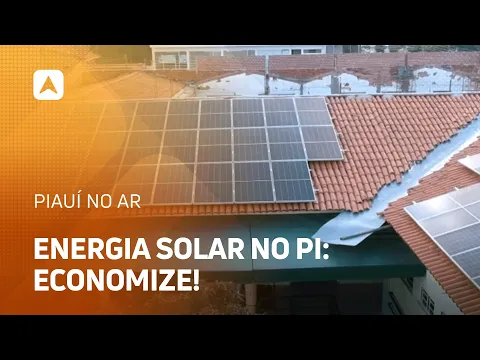

Paths for the Future of Solar Energy in Piauí and Brazil
The suspension of the ICMS charge on excess solar energy by the Piauí Court of Justice (TJ-PI) represents a significant victory for consumers and for the renewable energy sector. By recognizing the unconstitutionality of the tax, the court reinforces the role of justice in protecting citizens’ rights and promoting sustainable policies.
Solar energy is one of the main alternatives to reduce costs, preserve the environment, and ensure energy autonomy. With decisions like this, Brazil moves towards a fairer, cleaner, and more efficient model.
The expectation is that other state courts will follow TJ-PI’s example, creating a more favorable regulatory environment for distributed generation. Furthermore, it is hoped that the National Congress will advance proposals that consolidate the non-incidence of taxes on excess energy, strengthening legal security and the competitiveness of the sector.








Seja o primeiro a reagir!