





 Portuguese
  English
  Spanish
  5 min of reading
  0 comments


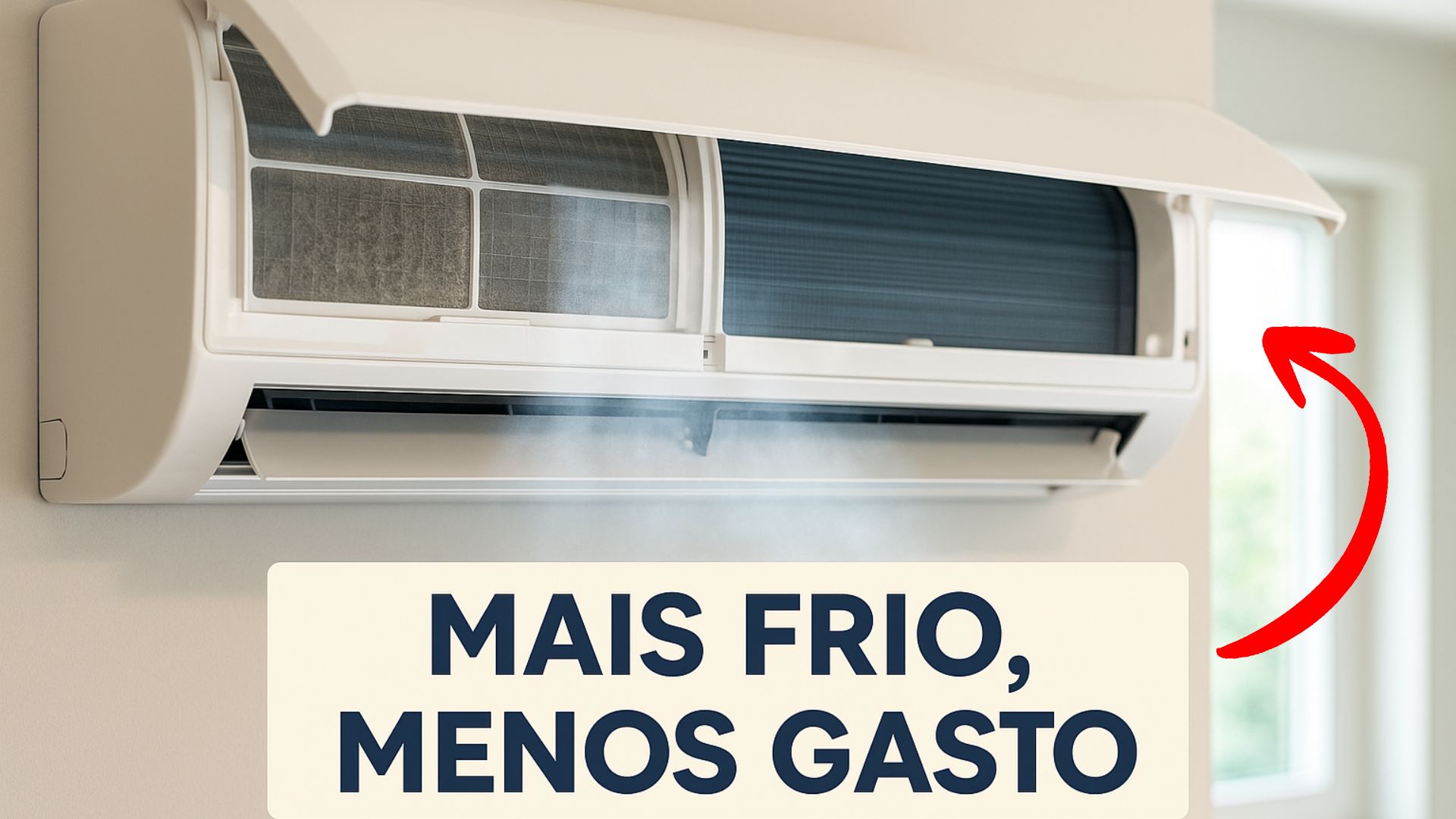
A simple adjustment to the air conditioner maintenance routine can increase cooling power while reducing energy consumption. The proper cleaning of filters and fan restores efficiency to the device in a few minutes.
Keeping filters and fan blades clean is a quick adjustment that improves airflow, speeds up cooling, and reduces the compressor’s effort.
With light and regular cleaning done at home and without tools, the unit delivers cooler air efficiently and tends to consume less energy daily.
When the airflow is unobstructed, the unit reaches the set temperature in less time and requires fewer cycles to keep the environment comfortable.
-
Argentina places the first U.S. Stryker 8×8 armored vehicles in operational units, while Brazil sets a record of $3.1 billion in military exports, reaching 140 countries and strengthening the Defense Industrial Base.

-
A flight attendant fell from 10,160 meters without a parachute after an airplane explosion, survived against all logic, and still holds the record for the highest fall ever survived by a human being.

-
With a monumental stone structure dating back over 2,000 years, excavated 6 meters deep and with dimensions that surprise archaeologists, the newly discovered tank in Gabii may be one of the first major public works of Ancient Rome outside of temples and walls.

-
Goodbye fitness bracelet: users around the world are replacing the old item with this more discreet, comfortable smart ring that can monitor health for several days without recharging.


In addition to performance gains, preventive maintenance helps avoid odors and noises, common in equipment with dust buildup.
Why Cleaning Affects Performance
Dust accumulated on the filters acts as a physical barrier to airflow.
The air enters with difficulty, the thermal exchange drops, and the compressor stays on longer.
By removing this layer, the flow returns, and the coil can cool more efficiently.
The fan blades also deserve attention.
Residues on the fins reduce ventilation and can produce unpleasant odors.
User-accessible external cleaning mitigates these apparent issues and reduces the motor’s effort, which does not need to overcome the extra resistance caused by dirt.
When to Do Maintenance at Home
At the beginning and end of peak usage seasons, light cleaning ensures stable performance.
In homes with more dust or pets, the recommendation is to bring forward the routine to intervals of 30 to 45 days, adjusting according to the environment.
For those who use the air conditioner daily, it’s worth checking the condition of the filters and fan monthly.
Although this simple maintenance solves most cases, signs like persistent mold, dripping, or strong odors indicate the need for complete internal cleaning with professional assistance.
Safe Step-by-Step for Split Filters
The first step is to <strong unplug the unit.
Next, open the front cover, remove the mesh filters, and gently tap them to loosen the coarser dust.
This gesture makes washing easier and prevents dirt from spreading throughout the environment.
Wash the filters under running water with a drop of mild detergent and a soft sponge.
Avoid excessive force to prevent deforming the mesh.
Then, rinse well and let them dry completely in the shade, in a well-ventilated area.
Reinstalling the damp filter harms performance and encourages odors.
While the filters dry, vacuum the panel and fins using a brush nozzle to capture lint and fine dust.
Once everything is dry, reinstall the filters, close the cover, and turn on the unit to check the airflow.
If the flow increases and the noise decreases, the cleaning achieved its immediate goal.
How to Clean the Fan Blades from the Outside
With the unit turned off, wrap a long stick or spatula in a lightly damp microfiber cloth.
Slide the cloth between the fan blades, rotating it with your hand to reach the entire circumference.
The movement should be gentle to avoid damaging the parts.
To contain loose dirt, place a large plastic bag under the split, covering the wall and the bottom of the unit.
At the end, gently dry the accessible areas.
This procedure does not replace professional internal cleaning but reduces surface dust and common odors from continual use.
Usage Tips That Enhance Cooling
A sealed environment is a basic requirement for efficiency.
During operation in cooling mode, keep doors and windows closed to prevent warm air from continuously entering.
Angle the fins slightly upward, since cold air descends by gravity and distributes better when launched upward.
Another point is to ensure that nothing blocks the airflow.
Furniture too close, wide curtains, or objects in front of the unit hinder circulation.
Also, check the correct fit of the filters, as gaps create airflow deviations and additional noise.
Safety Precautions and What Not to Do
Filters should only be washed with mild detergent and water.
Abrasive products, bleach, or solvents can damage the mesh and fins and leave residual odors.
Never spray liquids on the coil or inside the unit without technical guidance, and never handle the equipment while energized.
If mold, dripping, or strong odor persists after basic maintenance, seek professional assistance for disassembly and complete cleaning.
This service allows access to components not exposed to the user, such as the drain pan and internal coil, which require specific procedures.
Ideal Frequency of Preventive Cleaning
With daily use, the recommended practice is to perform monthly cleaning of the filters with a visual inspection of the fan blades.
At each seasonal change, take extra time to clean the panel and accessible parts.
In more critical environments, shorten intervals and monitor performance: a drop in airflow, delayed cooling, or increased noise usually signals cleaning time.
This consistency prevents the return of unpleasant odors and reduces the unnecessary effort of the unit.
The lighter the dirt, the quicker and more effective the home procedure, eliminating long interventions.
Practical Results Observed After Cleaning
With unobstructed filters and a dust-free fan, ventilation strengthens and thermal exchange improves.
In practice, the compressor runs less time to reach the same temperature, the fan motor does not face extra resistance, and the environment cools more uniformly.
This combination of effects tends to reflect in savings over use, although the impact varies according to habits, set temperature, room conditions, and local climate.
The immediate benefit, however, is noticeable: cooler air, reduced noise, and quicker comfort sensation.
When to Call Professional Assistance
Not every problem is resolved with the basic routine.
If the unit shows leaks, intermittent failures, ice buildup on the coil, or quickly returning odors, the recommendation is to seek professional evaluation.
Technicians can access and clean internal components, check drains, and ensure the integrity of parts that should not be handled by the user.
Still, home maintenance remains valuable between technical visits.
By keeping filters clean and the fan blades properly cleaned from the outside, you preserve system efficiency and prevent dirt from accumulating to the point of requiring more complex interventions.
If your air conditioner takes a long time to cool, makes more noise, or has an unpleasant smell, which part of this step-by-step process do you plan to adopt first to feel the difference?






-

-

-

-

-

-

101 pessoas reagiram a isso.