





 Portuguese
  English
  Spanish
  6 min of reading
  0 comments


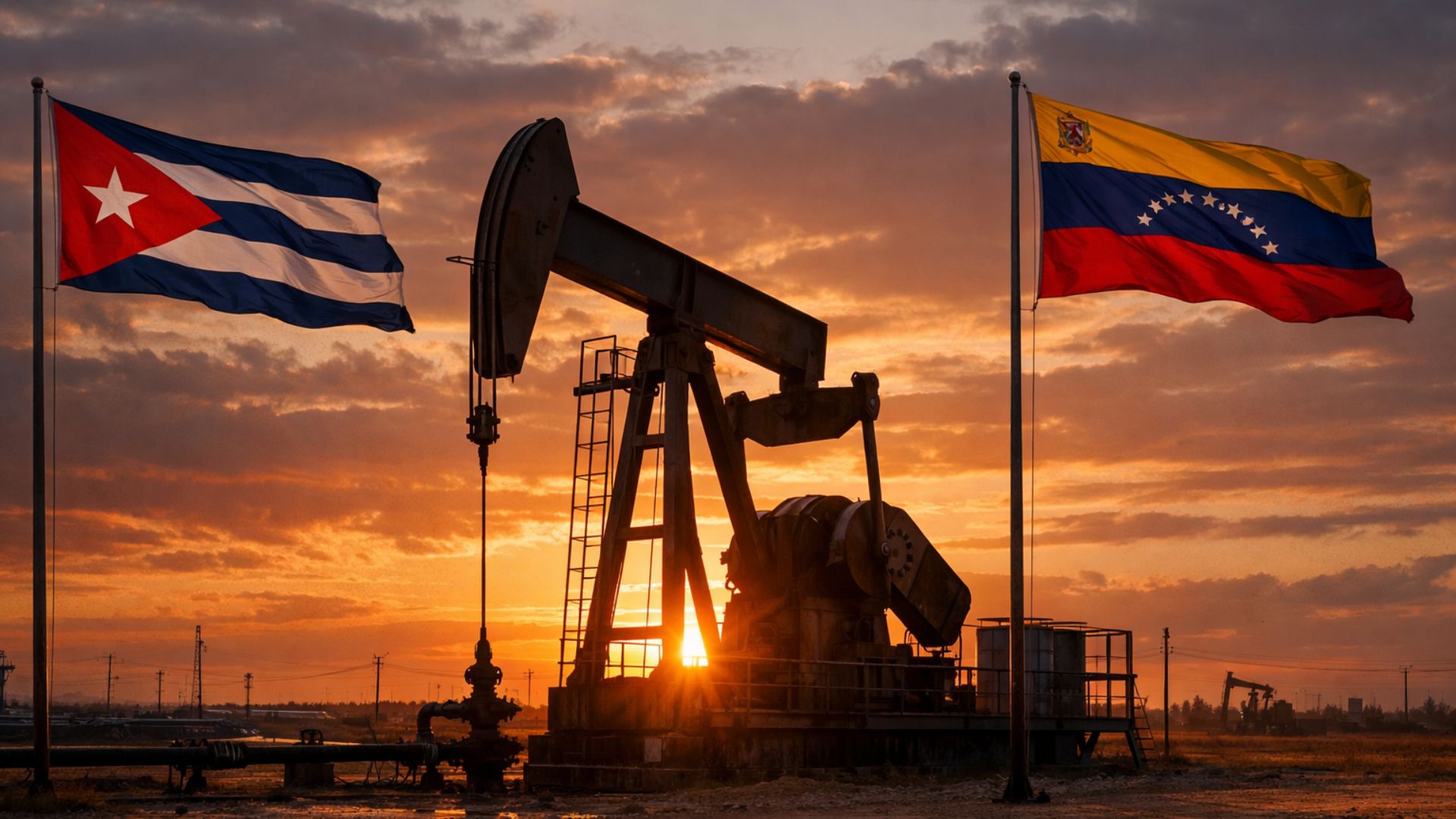
Understand How Trump and the United States Threaten to Block Venezuelan Oil to Cuba, Raising Alerts of Energy Crisis and Severe Economic Impact, in Addition to Increasing Political Tension in the Caribbean.
A statement from President Trump significantly heightened political tension in the Caribbean and reignited fears of a new energy crisis in Cuba. By asserting that the country may lose access to oil from Venezuela if it does not accept an agreement with the United States, the American leader signaled a hardening of foreign policy towards the island. Experts consulted by UOL, which published a report on the subject this Monday (19), classified the threat as a step forward in the United States’ pressure policy against Cuba, with the potential to generate severe economic impacts and lasting geopolitical effects in the region.
Trump and the United States Increase Pressure on Oil Intended for Cuba
The statement comes at a time of structural fragility in the Cuban economy, still marked by the consequences of the pandemic, fuel shortages, and difficulty accessing international currencies. The historical dependence on Venezuelan oil makes the scenario even more delicate, as energy is an essential input for transportation, food production, health services, and the functioning of basic infrastructure.
The threat made by Trump was direct: Cuba could be left without oil from Venezuela if it does not accept the conditions imposed by the United States. According to experts, the speech represents a qualitative change in the American posture, expanding the reach of the economic blockade that has already limited Cuban trade relations for decades.
-
Brazilian giant expands borders in the Southeast: Petrobras confirms new oil discovery in ultra-deep waters in the pre-salt of the Campos Basin.

-
Alert in the global energy market: Severe tropical cyclone hits the coast and disrupts gas production at major plants in Australia, threatening global supply.

-
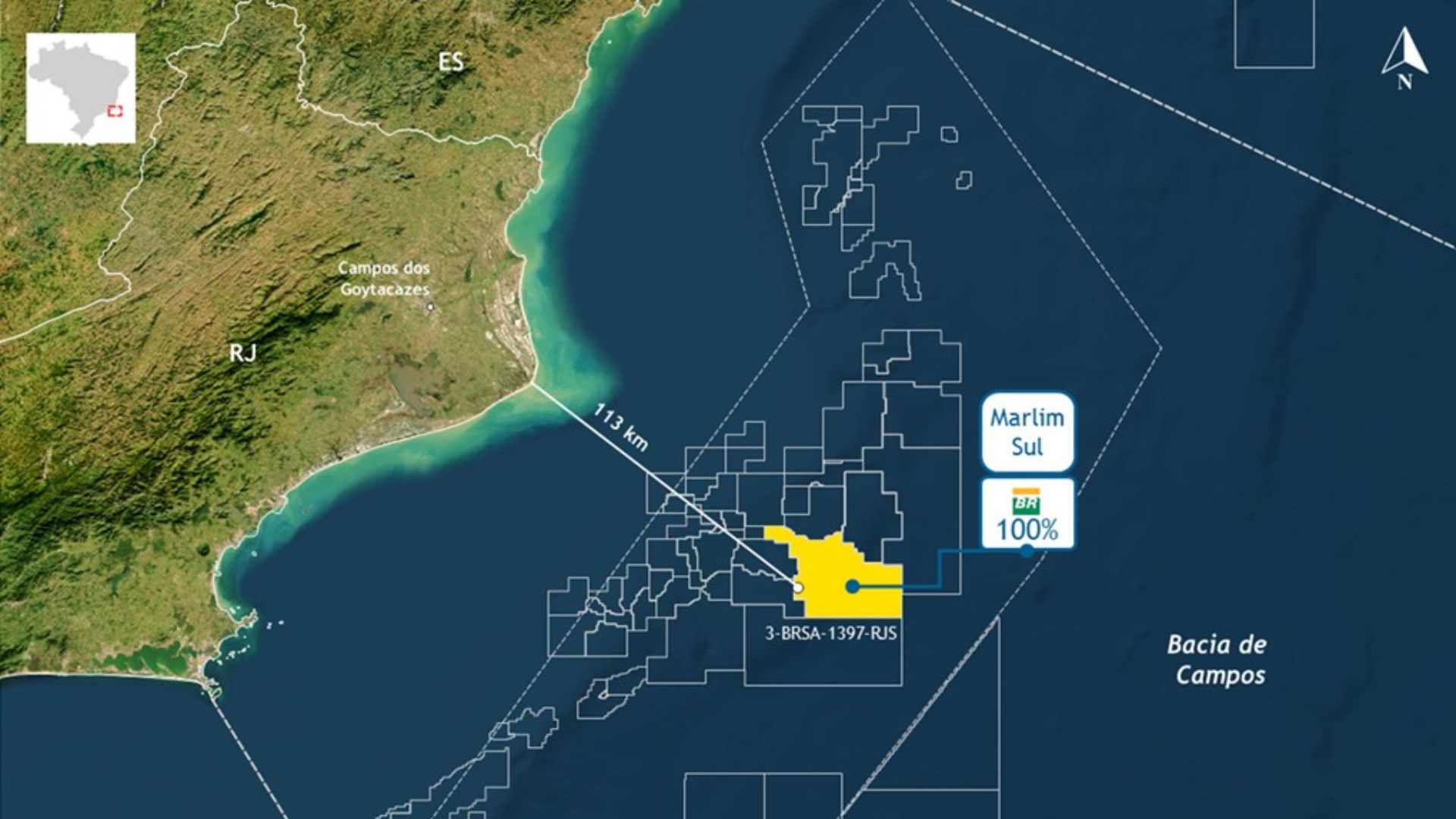
Petrobras finds high-quality oil in the pre-salt at 113 km from RJ and reignites expectations about strategic reserves in the Campos Basin.

-
Ocyan opens registrations for startups focused on innovation in the oil and gas sector and will select projects for Innovation Day with the support of Nexio.


According to Professor Joana Salém from the Federal University of ABC (UFABC), the blockade on Venezuelan oil would be the gateway to a total crisis in Cuba. Energy impacts the entire productive and social chain of the country. Thus, an interruption in supply tends to provoke immediate effects on public transportation, food distribution, and the functioning of hospitals and schools.
Furthermore, the United States exerts decisive influence over the international financial system. Even without a formal measure, Trump’s statements generate uncertainty, raise transaction costs, and deter potential trade partners, worsening Cuba’s economic isolation.
Venezuelan Oil and Cuba’s Energy Dependence
For decades, Venezuela was the main supplier of oil to Cuba, consolidating a strategic partnership that began in the 1990s. This relationship allowed the island to maintain minimal supply levels even under international sanctions.
Recent data from the sector, however, show a relevant change. In 2025, Mexico took the lead in supplying oil to Cuba, with about 12,300 barrels per day, equivalent to 44% of total imports. Venezuela, in turn, exported approximately 9,500 daily barrels, remaining an essential partner, albeit no longer dominant.
Despite this partial diversification, analysts warn that Venezuelan oil remains strategic, especially because it is part of cooperation agreements based on non-monetary exchanges. Cuba receives oil from Venezuela in exchange for social services, such as healthcare, education, and technical support, reducing the need for payments in hard currency.
Severe Economic Impact and Risk of New Energy Crisis in Cuba
Experts agree that an interruption in oil supply would have a severe economic impact. The country has already faced difficulties since the COVID-19 pandemic, a period in which Cuba’s Gross Domestic Product (GDP) shrank by almost 11%.
According to Joana Salém, Cuba has not fully recovered and now faces a new structural difficulty. The fuel shortage would directly impact food transportation, increase logistics costs, and further strain family budgets.
Moreover, the blockade imposed by the United States interferes with the island’s trade exchanges with other countries, raising import costs and complicating access to credit lines. Even alternative suppliers encounter financial and legal barriers to trading with Cuba, limiting its ability to compensate for a potential loss of Venezuelan oil.
United States, Trump, and the Increase in Political Tension in the Caribbean
Trump’s stance is seen by analysts as a landmark in the hardening of United States foreign policy towards the Caribbean and Latin America. According to Professor Raúl Rodríguez Rodríguez, director of the Hemispheric Studies Center at the University of Havana, the climate of uncertainty is widespread.
He explains that contradictory statements from Washington and Caracas complicate predictions for the short and medium term. Still, Rodríguez assesses that the pressure is unlikely to lead to the downfall of the Cuban government, although it may weaken strategic sectors of the economy and worsen the daily lives of the population.
From the professor’s perspective, the United States is likely to intensify the economic war, seeking to cut external financing sources for Cuba and create obstacles to attempts to diversify trade partnerships with countries in Latin America and Europe.

Cuba, Venezuela, and a Historical Alliance Under Pressure
The relationship between Cuba and Venezuela has always been marked by strong political and ideological alignment. One of the milestones of this partnership was the creation of the Bolivarian Alliance for the Peoples of Our America (ALBA), in December 2004, in Havana, by then-presidents Fidel Castro and Hugo Chávez.
According to Raúl Rodríguez, the two countries developed an exchange based on principles of anti-imperialism, anti-colonialism, and defense of the self-determination of peoples. In this context, Cuba began to access Venezuelan oil in exchange for specialized social services.
However, the pressure from the United States puts this relationship at risk. According to historian Rafael Pinheiro de Araújo from the State University of Rio de Janeiro (UERJ), there is a possibility of a cooling of the bilateral partnership, even though there is mutual understanding of the difficulties imposed by the international scenario.
Consequences of the Blockade Also for Venezuela
Although the focus of analyses is on Cuba, experts emphasize that Venezuela would also be affected by a potential blockade on oil. The country receives, in exchange, strategic services in areas such as healthcare and education, considered an international benchmark.
The interruption of these exchanges would mean bilateral harm, especially at a time when the Venezuelan economy also faces limitations. Additionally, the loss of a historical partner would reduce the ability to articulate regionally in the face of pressure from the United States.
Social Resilience and Cuba’s Capacity to Adapt
Despite the adverse scenario, analysts highlight the high level of resilience of Cuban society. According to Joana Salém, Cuba represents a unique experience of national sovereignty, with strong social organization and a historical memory of facing prolonged crises.
This characteristic, according to experts, explains why previous energy crises did not result in political collapse, although they caused significant difficulties in the daily lives of the population. The political conviction and social structure of Cuba function as elements of containment in the face of external pressures.
Trump’s Statements: What Is at Stake for the Future of the Caribbean?
The threat from Trump, made on January 19, 2026, to block oil from Venezuela to Cuba, brings the energy crisis back to the center of regional debate and exposes the limits of geopolitical disputes in the Caribbean. The risk of a new energy crisis is real, with direct impacts on the Cuban economy, the bilateral relationship with Venezuela, and regional political stability.
At the same time, the episode reinforces the central role of the United States in the continental dynamics and highlights the vulnerability of countries dependent on energy agreements in a scenario of high international polarization. The outcome will depend on the evolution of political negotiations, Cuba’s capacity to diversify suppliers, and Venezuela’s willingness to maintain its historical partnership.








Seja o primeiro a reagir!